



Introduction au solo de blues, Partie 2

Lesson time: (11min 59sec)
Découvre comment débuter tes solos par des lignes plus rapides et complexes, puis les ramener vers quelque chose de plus simple. Sois toujours conscient de ce qui t'a précédé.
Course preview
This lesson is part of the course Trouver ta propre voix dans le blues
Watch a preview of the full course below.
Lesson transcript:
Introduction to Blues Soloing: Part Two
Hi, it's Marcus Bonfanti here, and welcome to part two of this particular lesson, which is an introduction to blues soloing.
Recap of Part One
In part one, we looked at:
- The basics of blues soloing
- A few techniques to get you started
Now, some of you may already be there and are looking for a way to make what you're doing more interesting. We will get to that, but I still think we should dedicate a bit more time to exactly what we're doing over the blues sequence.
Understanding the Blues Scale
The blues scale, kind of affectionately known as such, is just a variation on the pentatonic scale. This particular scale is used in a lot of music, allowing you to solo in various styles using those given notes.
It's essential to be aware of:
- What the blues sequence is doing underneath you.
- Your choices during single-line playing that can cause clashes or sound beautiful, conveying different emotions.
As I mentioned in the last lesson, Buddy Guy's playing is notable for telling something true through his music. That's what we're all striving to achieve. Hopefully, this lesson can help you find your own voice in this genre.
Focusing on the Chords
In the first part, we concentrated mainly on the scale without much application, simply embedding techniques to make it sound more musical.
Now, let's explore how the scale works over different chords.
Technique: Soloing Without Background Chords
I have a technique I like doing, and I think every guitar player should try it.
- Play a 12-bar blues sequence as a solo without chords or a backing track.
- Aim to allude to which chords you're referencing.
Imagine a 12-bar blues in G going on in my head as I play:
-
-
-
- sa.
-
-
You should be able to hear where the chord changes would occur as I hit certain notes.
Knowing Which Notes Suit Which Chords
A critical part of this process is knowing which notes sound great against which chords. There's a lot of theory, but I prefer a trial-and-error approach.
Using Strong Chord Notes
We're over the I chord (G in this case) with all the notes from that scale available. Additionally, we have the major third.
- It's crucial to recognize the importance of the major and minor thirds in blues music.
Here's another set of notes you can use over the G:
- Classic Example:
(Play a classic line with notes: G, B, D, F)
This uses a few extra notes still within our little safety zone. Essentially, we are playing a variation on an arpeggio:
- First (G)
- Third (B)
- Fifth (D)
- Possibly seventh (F)
Slide from Minor Third to Major Third
I slide from the minor third to the major third; that's a quintessentially bluesy sound. Part of this involves playing the sixth of the chord, feel free to experiment with it.
When you hit the IV chord, this lick may not produce the desired sound, but remember, there's no right or wrong.
Alternative Licks Over the IV Chord
You can also use different licks available on the neck, which may sound nicer:
- Using the notes: D, E, G
This picks out the stronger tones of the chord (C).
When I play these two licks back to back without chords, you'll notice the tonal shift indicating we've moved between the I and IV chords.
Understanding Chord Changes
To clarify this further:
- When changing chords, always start counting from C, which alters the notes' meanings in context.
Consider:
- In the key of G: D, E, G (5th, 6th, root)
- In the key of C, these notes become the 9th, 2nd, 3rd, and 5th notes, leading to a different sound depending on their backing chord.
I encourage you to explore literature on chord tones and scales, it can be fascinating!
Recap and Final Thoughts
To recap, we've:
- Discussed listening to notes and how they sound against chords.
- I urge you to try playing a blues solo without chords, focusing on what the notes convey.
Practice Example
I'll briefly recap and demonstrate a quick solo while staying in our focal area of the neck.
So, have some fun! Play around with this idea, listen for the chord changes, and experiment with changing and extending those chords. After a few weeks of practice, you'll develop a solid understanding of how the blues moves and where you want to position yourself musically.
About the instructor
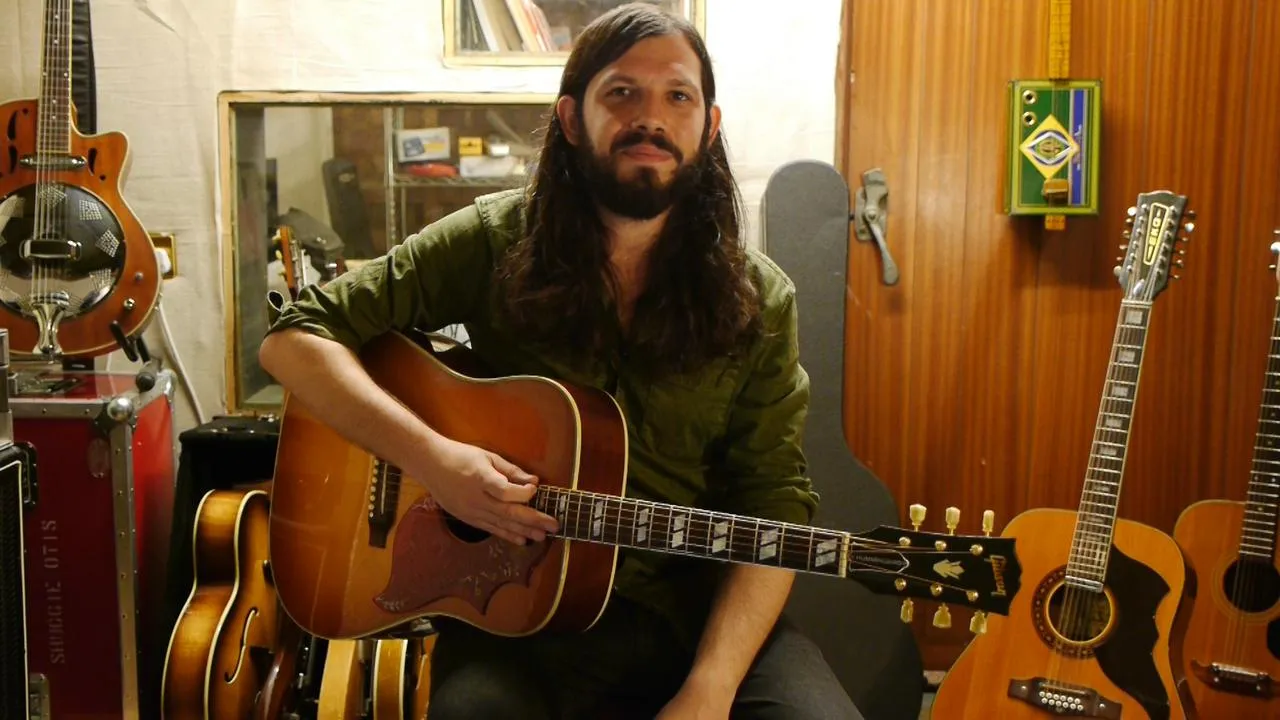
Marcus Bonfanti a travaillé avec Ten Years After, Ginger Baker, Van Morrison, Ronnie Wood, David Gilmour et Nick Mason de Pink Floyd, Phil Manzanera de Roxy Music, Shuggie Otis et PP Arnold. Musicien professionnel depuis plus de quinze ans, il a parcouru le monde en tournée et enregistré dans de nombreux genres, mais le blues est là où bat son cœur et ce qu'il fait de mieux. Il a sorti trois albums solo -tous cités parmi les albums de l'année du magazine Classic Rock- et a tourné avec Robert Cray, Chuck Berry, John Fogerty et Beth Hart, se produisant dans des festivals comme le SXSW et le Legendary Rhythm & Blues Cruise. Rien de tout cela ne serait arrivé sans avoir passé les heures nécessaires à apprendre le métier - et c'est précisément à cela que servent ses cours. Que tu veuilles faire carrière dans la musique ou que tu adores simplement le blues et veuilles mieux le jouer, Marcus est là pour t'aider. read more