



Entretien avec Ray Jones
Avec
Sammy Andrews
Le contenu du cours
21 leçons (3h 15min) · 1 gratuites

Transcription de la leçon
Interview with Ray Jones from Talent Bank
Introduction
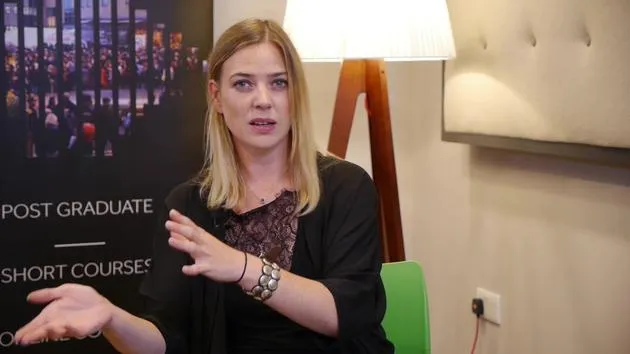
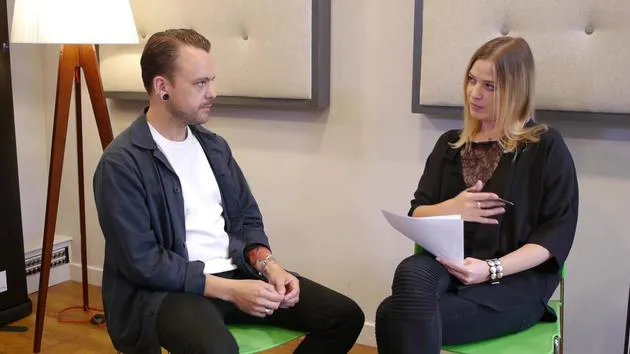
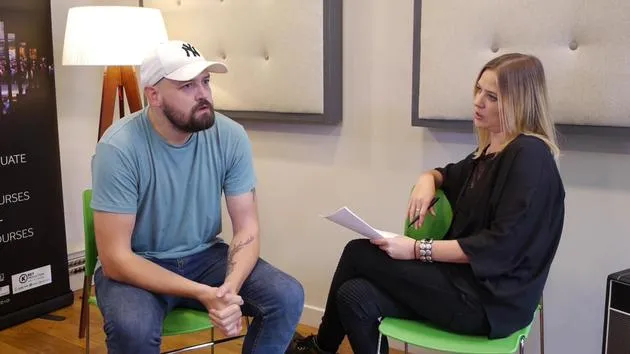
And now we're joined by Ray Jones from Talent Bank, and we're going to talk about the live industry.
Ray, thank you so much for joining us.
You're welcome!
A Little About Ray and Talent Bank
Just before we start, can you just tell me a little bit about yourself and Talent Bank?
Ray:
"Yeah, well, Talent Bank's quite a new business. We launched on the 24th of January this year."
Oh, wow. Very new!
"Yeah. And we launched in some style. We launched with a live gig for 700 people on a Tuesday night. I think we even surprised ourselves with the fact that we were literally sold out."
What does the business do?
Ray:
"And I unashamedly say it is a business. We have a platform of 64 at the moment, handpicked artists or bands who we have identified as some of the best independent artists currently on the live circuit in London today. We make those artists available for paid work wherever music is required, but to play originals, not covers."
The Importance of Live Performance
Okay, so my first question for you today is: How important is live to an artist?
Ray:
"Live is important on several levels. First of all, it allows the artist to hone their craft. There are a lot of people who can make some great music sitting at home in their bedroom. If you're just going to go for revenue through streaming services, that's perfectly acceptable. However, if you do want to get out and develop an audience that falls in love with your music and the way that you perform it, you've got to get out there and do it live."
- Benefits of Live Performance:
- Appearance fees
- Secondary income from merchandise sales
- Audience growth
- Improvement of skills
It's almost a rite of passage for most people, isn't it?
"Yeah, it can be."
Changes in the Live Music Industry
Having been in the industry for a long time, how do you feel that the landscape of live music has changed?
Ray:
"It's changed quite a lot. I was with a big media company called Time Out for five years before I formed this business. At Time Out, I ran reader events, so you could say that my experience in the live side of things is about six years. Even in that time, I've seen things change quite a lot."
- Observations:
- Gentrification is impacting live music venues.
- Notable venues like Tin Pan Alley have lost their live music presence.
- Young acts need places to perform.
"I saw Ed Sheeran play to like 'two men and a dog' in a tiny bar before he started. They all started somewhere."
The Role of Promoters
Do you think that artists need promoters? Could you talk about that relationship?
Ray:
"Artists don't need promoters if they have the courage to go and hire a venue and do all the other things that are required. If I give you one example, public liability insurance, a good promoter will be covered, as will the venues."
- A Good Promoter Will:
- Secure a great venue
- Provide relevant support acts
- Ensure everything runs seamlessly on the night
Finding the Right Venue
How do artists find the right venues?
Ray:
"I don't think there's any substitute for going there, you know, feet on the street. Go and visit the venue, see how it works for an artist or a band similar to you."
- Considerations When Choosing a Venue:
- Audience size and engagement
- Sound system quality
- Security measures
- Overall atmosphere
"In London, for instance, there's a tiny little venue in Camden called the Green Note. It's only got a capacity of 65, but some of the best artists on the circuit want to play there because it's a listening venue."
What Makes a Great Live Show?
What makes a great live show?
Ray:
"For me, it's when a show has a moment. If I give you an example, we just did an album release for an Irish lady called Megan O'Neill. During the last song of the show, she invited two guys called The Dunwells to get up on stage, and something really special happened."
Revenue Share Between Promoters, Venues, and Artists
How does the revenue share work?
Ray:
"It's different with every deal, but with Talent Bank, we specialize in single, EP, and album launches. We share open book accounting, so nothing is a secret."
- Revenue Sharing Process:
- Determine venue and backline charges
- Include relevant support acts
- Define break-even costs (e.g., 350 pounds for 150 capacity venue at 10 pounds a ticket)
- Split profits 50/50 with the headline artist
"A good promoter shouldn't be seen on the night, and the artist should feel rewarded."
Final Thoughts
Thank you so much for joining us, Ray. If people want to find out more about Talent Bank, where can they go?
Ray:
"It's very easy! They can go on to Talent Bank, spelling it out: T A L E N T B A N Q, Talentbank.com. And hey, if they're really lucky, they'll find a picture of me on there."
Thank you so much!
"You're very welcome."
Hopefully, now you understand a bit more about the live industry side, and maybe you can go ahead and look at your own tour planning.
21 leçons
3h 15m de leçons vidéo structurées
Fonctions vidéo avancées
Ralentissez, bouclez un passage, suivez la partition
Mobile, tablette et ordinateur
Pratiquez où vous voulez
Satisfaction garantie à 100 %
Garantie remboursement 30 jours
Rencontrez votre guru
Rencontrez votre guru
Sammy Andrews est la fondatrice et PDG de Deviate Digital, une agence de stratégie numérique qui aide les artistes, les labels et les entreprises musicales à bâtir des audiences et à gagner leur vie en ligne. Elle est l'une des voix les plus franches de l'industrie musicale britannique sur le streaming, les données et l'économie numérique, et une défenseure de longue date des droits des artistes — notamment à travers son travail avec la Featured Artist Coalition.
Dans ce cours, elle décortique d'où vient réellement l'argent pour les artistes en activité aujourd'hui : les sources de revenus, les droits qui les sous-tendent et les étapes concrètes pour t'assurer d'être payé équitablement.







