



Entretien avec James Collins

Avec
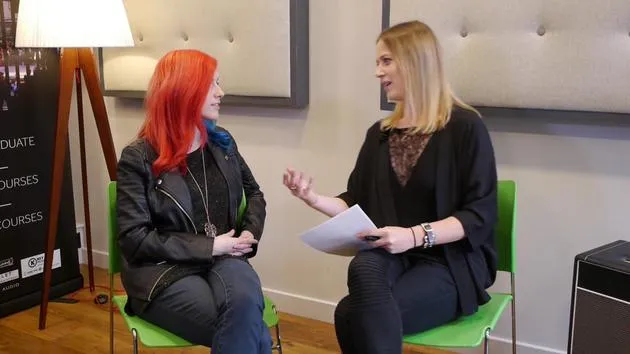
Sammy AndrewsJames Collins de Lazy Habits parle de la vie dans un groupe en tournée live : décrocher tes premiers contrats et concerts, trouver un manager et obtenir des places dans les festivals.
Le contenu du cours
21 leçons (3h 15min) · 1 gratuites


Transcription de la leçon
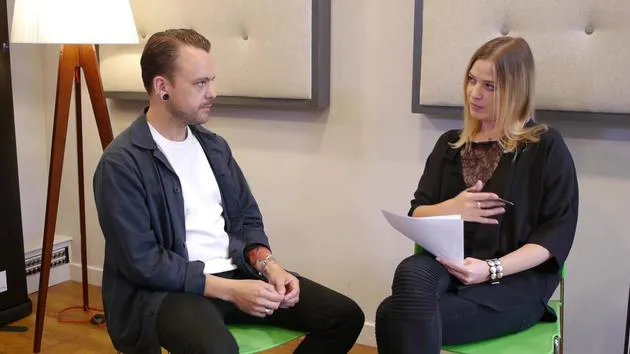
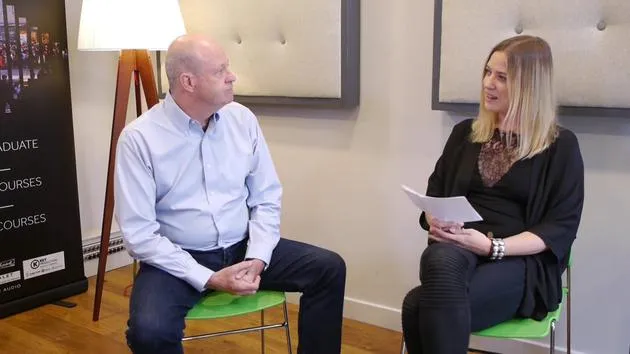
Interview with James Collins from Lazy Habits
Next up, we're going to talk to James Collins from Lazy Habits. He's going to discuss various topics, including:
- What it's like to be in a live touring band
- Getting your first deal
- Securing management
- Scoring slots at festivals
- And loads more!
Introduction
James, thank you very much.
James: My pleasure! Can you just first of all tell me a little bit about you and what you do?
James: Cool. Yeah, my name is James Collins and I basically am in and I run a live hip hop band called Lazy Habits. I also work as a music supervisor for film and write music for commercials and television.
Live Performance
Interviewer: Speaking specifically about live performances, how many live shows do you reckon you do in a year? What kind of level of touring are we talking about?
James: It does depend on our release schedule. If we're supporting an album release, we typically do sort of 60, 70, maybe 80 gigs a year. That's full capacity for us, which is still quite a lot.
Interviewer: Yeah, it is!
James: But it's often a very concentrated period. You'll tour for an entire month, then go on to festivals, perhaps tour another territory, and then have a month or so off before coming back at the end of the year to do it all again.
Interviewer: It sounds like a broken-up schedule.
James: Yeah, kind of. Normally the first quarter and the third quarter are the concentrated periods, with summer festivals mostly on weekends. Especially in Europe, most clubs shut in summer for festivals since everyone is on holiday.
The Team Behind Lazy Habits
Interviewer: Speaking about some of the planning, who's the team around you when it comes to live shows? Do you have an agent?
James: Yeah, now I do.
Interviewer: And also, do you have a promoter?
James: We work with different promoters. That's something my agent and I discuss together before giving a run of shows to a certain promoter or a leg of Europe to a specific promoter because it makes sense for the territory. Normally, for a large tour, we tend to work with different promoters.
Early Days and Finding Gigs
Interviewer: How did it come about? Did you get an agent early in your career?
James: Later for us. I was offered a management deal almost the second week my band existed, but they didn't get it. So I went a different route. My friend, who was in another band at the time, signed with them and has been with them ever since. I wanted to build it from the ground up, which meant everything to me.
Interviewer: How did that play out for you? Did you go out and get gigs yourself?
James: Well, in the underground scene, earning your stripes is crucial. I would go to clubs, jump on open microphones, and do freestyles to get our name out there. Then we'd start talking to hip hop promoters and get on bills.
Securing Festival Slots
Interviewer: Talk me through how you got some of those gigs, especially in the early days.
James: When it came to releasing an album, I literally spent time on a website called Virtual Festivals. I went through every single festival on that site, writing down the ones I thought were relevant, visiting their individual websites, and tailoring our email and package to each festival. That strategy paid off. We've never been asked back to a festival we've done.
The Value of Playing for Little Money
Interviewer: I guess when bands are starting out, there's a lot of debate about whether to play for little money for long-term gains.
James: Absolutely! Many bands I work with do that at the start for exposure, even if they have to sleep on floors. It's almost a rite of passage and it still works today.
Interviewer: Can you give an example of a situation where that worked for you?
James: Just this week, we toured with a band called Ozzy Matley and Charlie Tuna from Jurassic 5. We took minimal fees, seeing it as a PR expense to play in front of a different audience.
Revenue Streams as an Artist
Interviewer: So, where would you say your income comes from specifically for music? Is it merch, live shows, recorded music?
James: It's all of them! First of all, people don't talk enough about PRS. If you play out your own material, you should be a member, which many new artists don't know.
The Importance of Merchandise
Interviewer: How do you determine what merch to take to shows and sell online?
James: It's market-driven. We started with CDs, which do well in the live environment. For festivals, vinyl doesn't sell well because no one wants to carry it around. So we focus on CDs, T-shirts, and vinyl, those are our core items, and they work.
Engaging with the Audience
Interviewer: Do you think it makes a difference being present at the merch table after a show?
James: Yes, it really does! Even if someone is running the merch, you should be there to connect with fans. It creates a personal touch and makes people feel like they're buying something directly from you.
The Evolution of Distribution
Interviewer: How are you engaging with streaming platforms and social networks?
James: We have a digital distributor with Believe Digital. They ensure we're on all platforms, so no matter what preference someone has, they can find our music.
Learning from Mistakes
Interviewer: Have you made any mistakes or learned huge lessons throughout your career?
James: I've made mistakes but no regrets. A lot of it was learning on the go, proofreading artwork, etc. A big lesson is not letting excitement overshadow preparation. Don't announce something until it's ready.
The Role of Labels
Interviewer: How important has any form of label been in your story?
James: Up until recently, not at all. New artists often think they need a label, but that's not true anymore. The best thing a label has now is a contact book and a PR budget.
Future Plans
Interviewer: What's next for Lazy Habits?
James: We're pushing for sync deals which can be lucrative. We have a plan to release our third album in the first quarter of next year.
Interviewer: Thanks so much for joining us today. All the best with your future endeavors!
James: Thank you very much!
21 leçons
3h 15m de leçons vidéo structurées
Fonctions vidéo avancées
Ralentissez, bouclez un passage, suivez la partition
Mobile, tablette et ordinateur
Pratiquez où vous voulez
Satisfaction garantie à 100 %
Garantie remboursement 30 jours
Rencontrez votre guru
Rencontrez votre guru
Sammy Andrews est la fondatrice et PDG de Deviate Digital, une agence de stratégie numérique qui aide les artistes, les labels et les entreprises musicales à bâtir des audiences et à gagner leur vie en ligne. Elle est l'une des voix les plus franches de l'industrie musicale britannique sur le streaming, les données et l'économie numérique, et une défenseure de longue date des droits des artistes — notamment à travers son travail avec la Featured Artist Coalition.
Dans ce cours, elle décortique d'où vient réellement l'argent pour les artistes en activité aujourd'hui : les sources de revenus, les droits qui les sous-tendent et les étapes concrètes pour t'assurer d'être payé équitablement.







