



Diferencia entre los ejercicios de velocidad y de presión
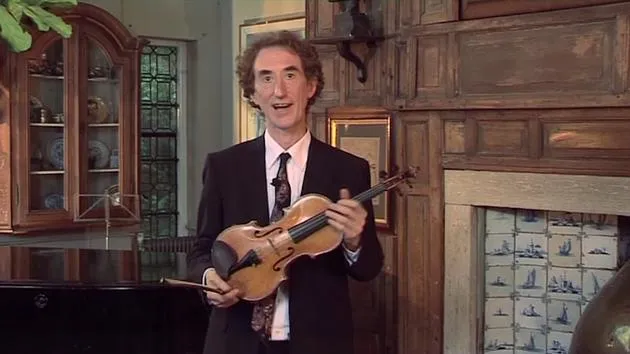
Simon Fischer contrasta los dos ejercicios de arco: hundir la cerda en la cuerda para trabajar la presión, frente a moverse rápido por la cuerda para trabajar la velocidad.

Qué incluye el curso
17 lecciones (1h 15m) · 1 gratis
01. Introducción a las combinaciones
0:18
02. Enfoque alternativo para el ejercicio uno
1:23
03. Ejercicio seis: ejercicio de velocidad + ejercicio de presión
0:55
04. Ejercicio siete: ejercicio de velocidad + cambio de punto de sonido
3:30
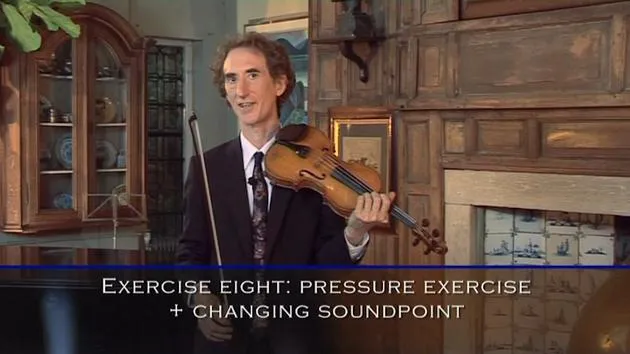
05. Ejercicio ocho: Ejercicio de presión + Punto sonoro
1:44
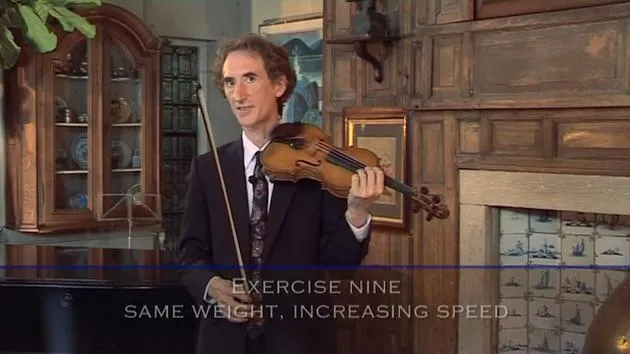
06. Ejercicio nueve: Mismo peso, velocidad creciente
1:21
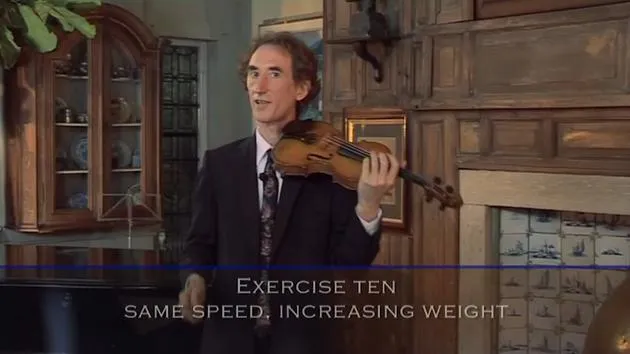
07. Ejercicio diez: misma velocidad, peso creciente
1:14
08. Conclusión
1:33
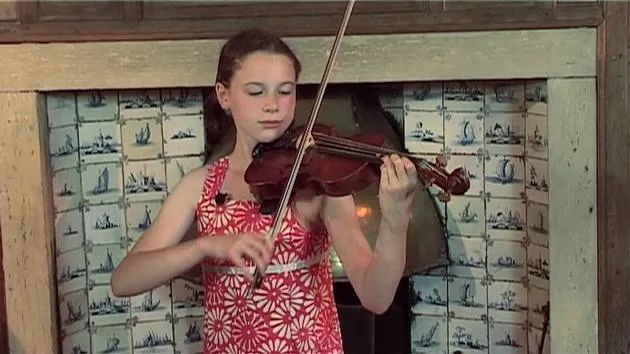
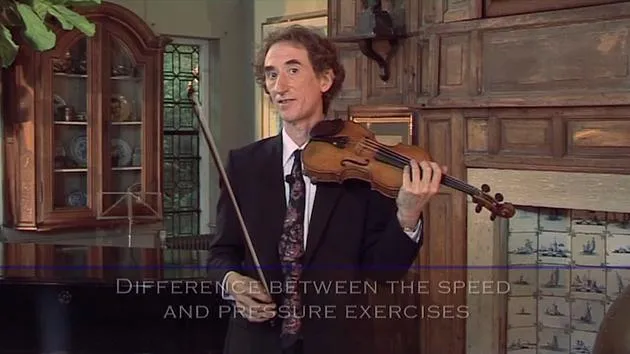
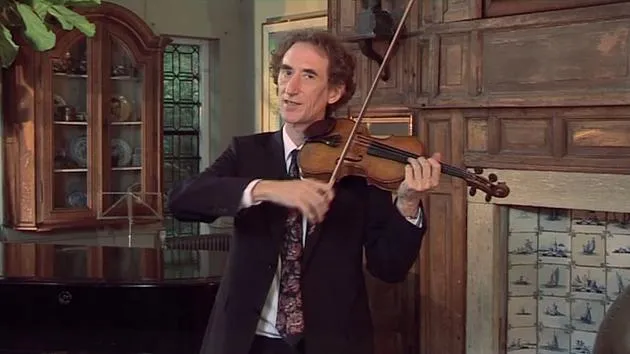
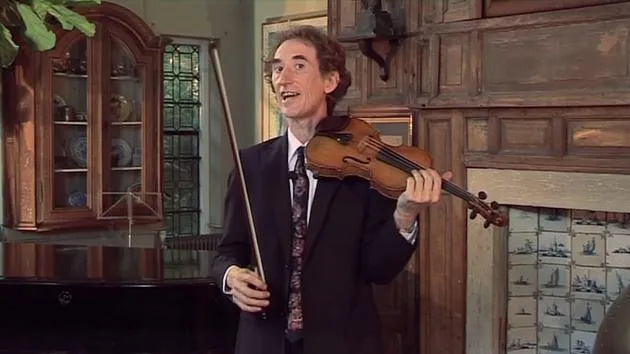
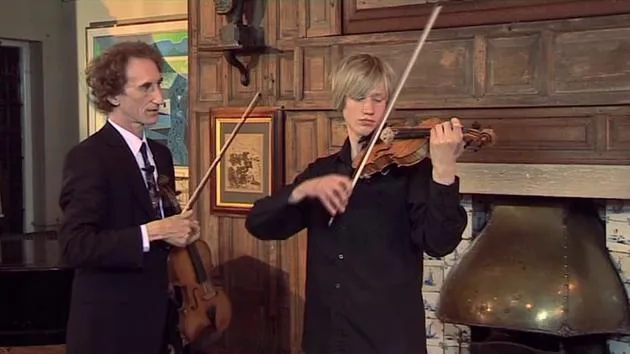
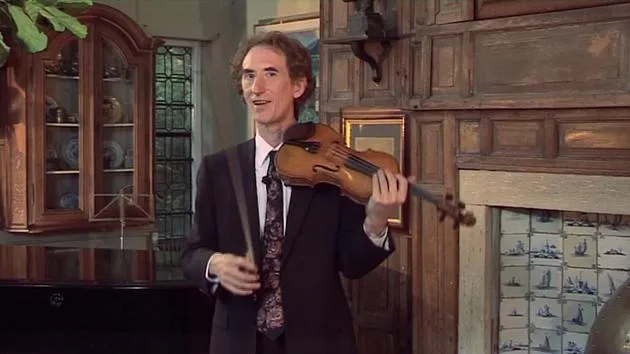
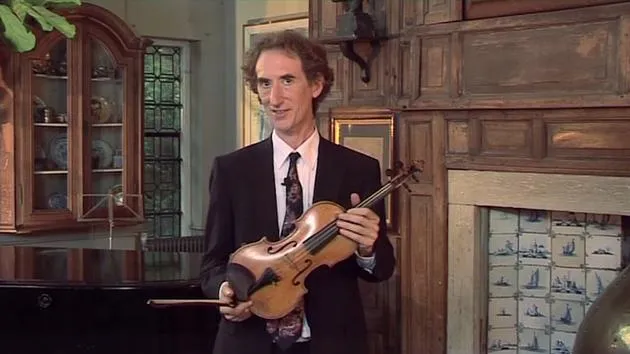
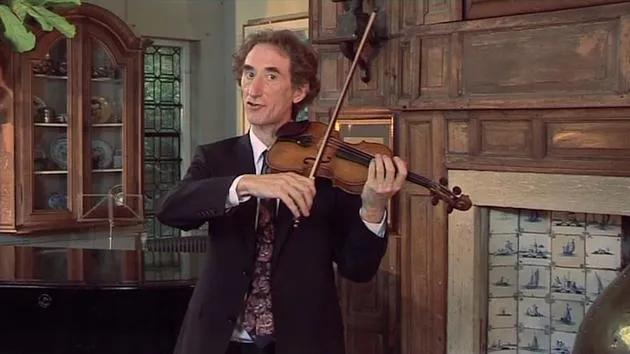
Transcripción de la lección
Music Lesson: Bowing Techniques
The exercises do sound quite different from each other.
Differences in Exercises
-
Pressure Exercise:
- Feel the contact of the hair with the string deep down into the string.
- Use "Release," "Deep release," and then "Deep, deep, deep, deep" when there are many in the bow.
-
Speed Exercise:
- The feeling is fast along the strings: slow, fast, slow and then fast, fast, fast, fast.
- Rhythm:
- Pressure exercise: heavy, light, evenly spaced.
- Speed exercise: fast, slow, fast, slow.
Bow Application
- Use a little more bow on the fast strokes.
- Focus on differentiating between the pressure and speed exercises.
- In the speed exercise, use as little extra pressure as possible.
- Use "some" pressure in the fast part of the stroke, but only as much as necessary.
- Avoid combining the two exercises.
Technique Practice
- Aim to play to the ends of the bow, as close to the bridge as possible.
- "Now get the sound resonating, make it go wide."
- For the third exercise:
- Go deeper in the string and fast, fast, fast, wide, wide.
Experimentation
- Experiment with extremes to discover capabilities:
- Observe variations in speed: fast, slow and fast, slow.
- Even if it doesn't work, you learn for next time.
Further Instructions
- Aiming for Weight:
- Combine fast, slow rhythms. Sustaining the sound offers a better result.
- Remember the pulse:
- "Fast, slow, fast, slow."
Changing Direction
-
The most helpful technique in changing direction is to slow down in the last tiny bit of the bow.
-
Execute strokes as:
- Fast, slow, stop (though you don't actually stop).
-
Maintain rhythm:
- "Bum, bum, bum, bum, bum, bum, bum, bum, bum, bum."
Common Issues
-
Up Bow:
- If the sound on the up bow lacks clarity:
- "Not enough pressure" or "not enough weight."
- Try two strokes with an emphasis on rhythm:
- "Bump, bum, bum, bum, along, along."
- If the sound on the up bow lacks clarity:
-
Observe strokes:
- The first fast stroke on the up bow may not have enough weight; also be aware of bow usage.
-
Conclude with:
- "Slow down at the end of the bow."
17 lecciones
1h 15m de lecciones en vídeo estructuradas
Funciones de vídeo avanzadas
Ralentiza, repite un pasaje, sigue la partitura
Móvil, tablet y ordenador
Practica donde quieras
Garantía de satisfacción 100%
30 días de garantía de devolución
Conoce a tu gurú
Conoce a tu gurú
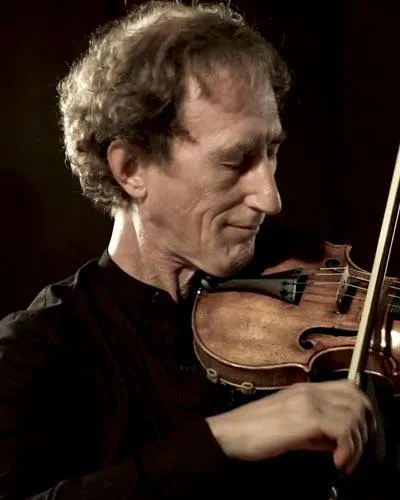
Simon Fischer disfruta de una distinguida y polifacética carrera como intérprete, pedagogo y artista de grabación.
Ha actuado por todo el mundo como recitalista y ha grabado tres Sonatas de Brahms, una grabación que recibió grandes elogios en la revista Gramophone.
Simon está reconocido como uno de los profesores de élite del mundo. Es profesor en la Guildhall School of Music y ha ocupado cargos en la Yehudi Menuhin School, la Wells Cathedral School y la Purcell School, y durante 15 años fue profesor visitante en la Royal Scottish Academy of Music. Tras estudiar en Londres con Yfrah Neaman y en Nueva York con Dorothy DeLay, el enfoque de Fischer une los mejores elementos de las tradiciones violinísticas francesa, rusa y estadounidense.
La obra publicada de Fischer ejerce una gran influencia en la enseñanza del violín. Autor de artículos para la revista The Strad desde 1991, sus columnas mensuales han atraído seguidores en todo el mundo. Publicados por Edition Peters, sus libros de técnica Basics and Practice (traducido al coreano, italiano y alemán), Scales y The Violin Lesson, así como el DVD The Secrets of Tone Production (ahora disponible en streaming a través de MusicGurus), se han convertido en referencias en muchos continentes. Su libro y DVD Warming Up fue descrito por la revista The Strad como "23 páginas de oro técnico puro".
En 2014, Simon Fischer recibió el premio de la European String Teachers Association "en reconocimiento a toda una vida de contribución a la enseñanza de instrumentos de cuerda".
En su curso de cuatro partes Secrets of Tone Production, Simon te guía para que conozcas tu instrumento y luego trabajes sus ejercicios fundamentales de sonido paso a paso, de modo que puedas producir un sonido más rico, más controlado y más hermoso con el violín.







