



Explicación y demostración del ejercicio tres
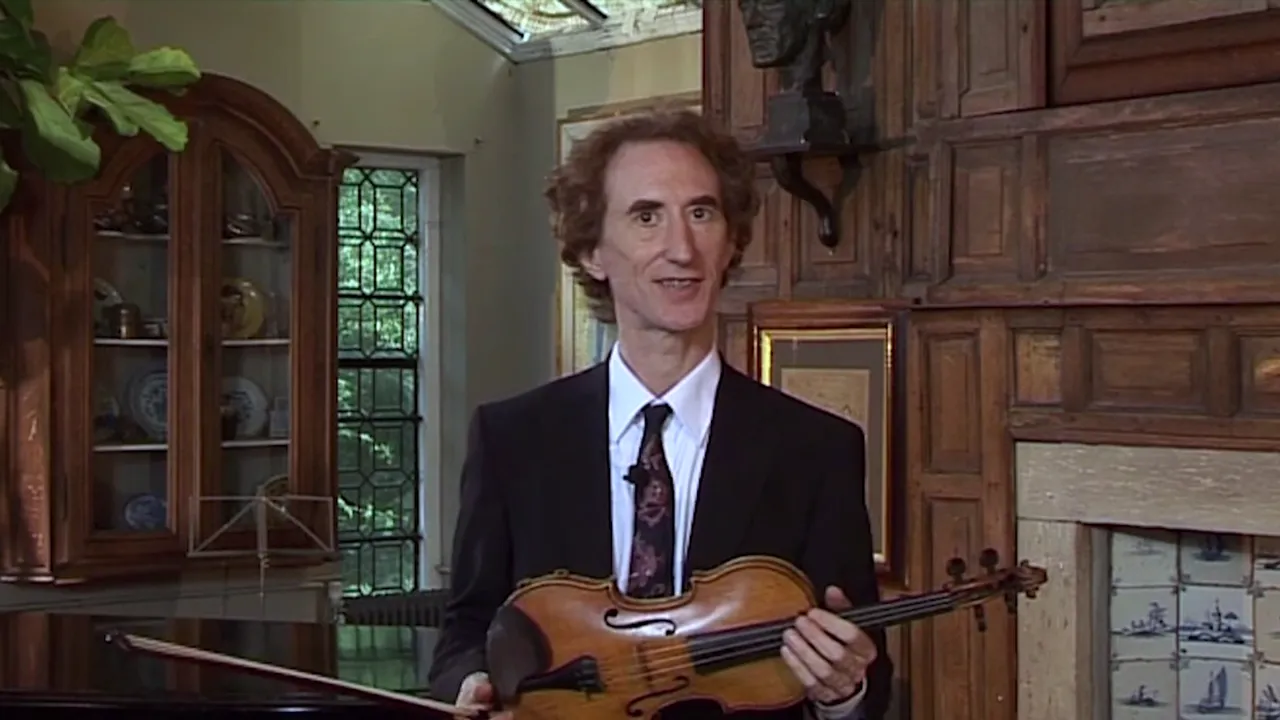
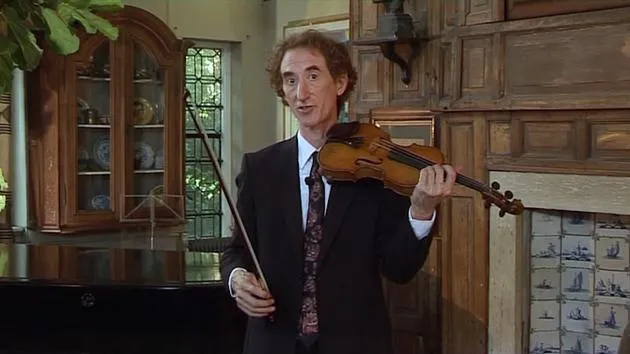
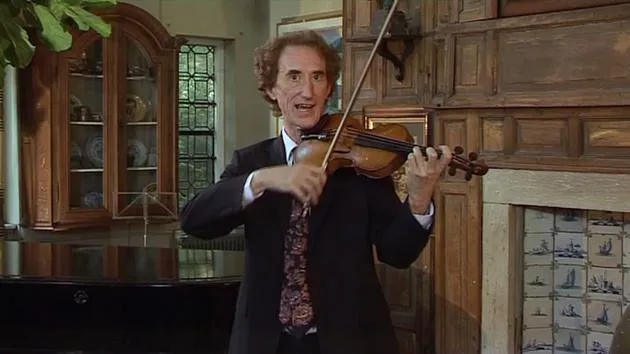
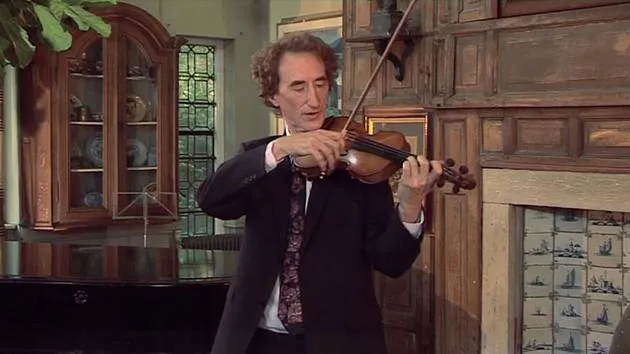
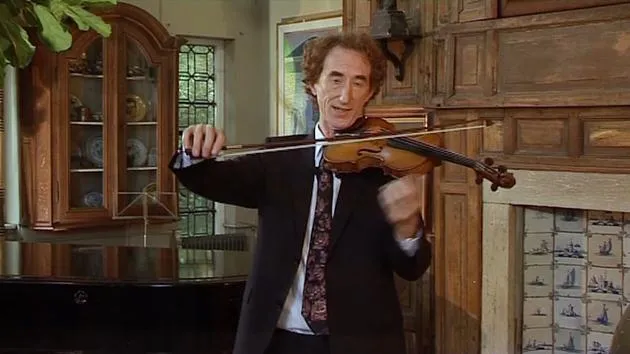
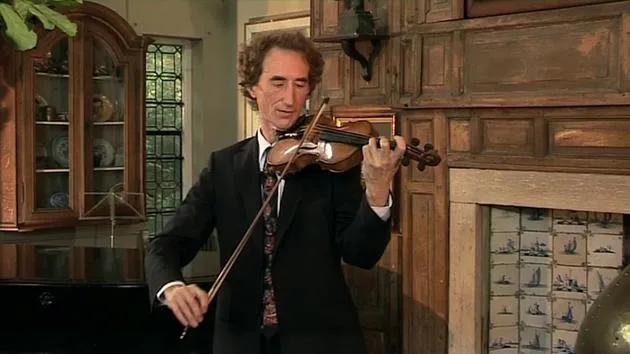
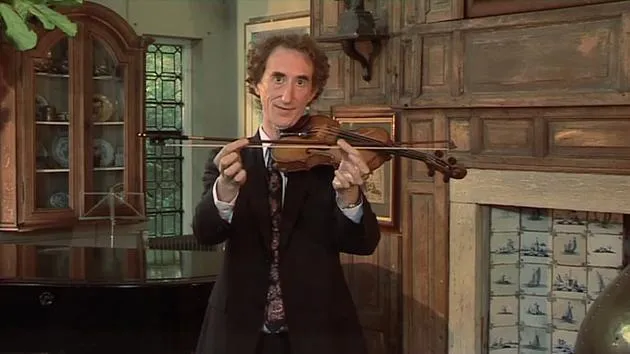
Simon Fischer explica el ejercicio de presión: alternar mucha y poca presión del arco dentro de una sola arcada para conseguir un sonido uniforme, puro y sin forzar.
Qué incluye el curso
8 lecciones (0h 59m) · 1 gratis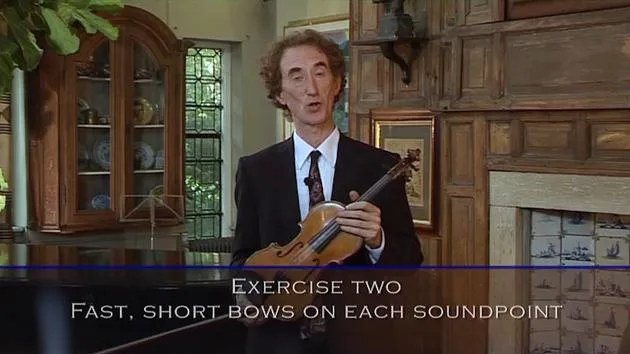
Transcripción de la lección
Pressure Exercise for Bow Control
The pressure exercise simply alternates heavy and light bow pressure within one long bow stroke. Here's how to approach it:
For Less Advanced Players:
- Focus on achieving 8 to 12 heavy-lights in one bow stroke.
For More Advanced Players:
- Challenge yourself with 28, 32, 36, or even 40 heavy-lights in a single bow stroke.
Objectives:
- Explore how deeply you can sink the bow into the string.
- Immediately transition to how lightly you can float the bow along the surface of the string.
- Aim for a tone that is absolutely pure, even, and unforced.
Tips:
- Strive for fantastic evenness in both forte and piano.
- To maximize the effects of the pressure exercise:
- Do as much as you can using only pressure or weight.
- Keep bow speed as unchanged as possible.
Caution:
- Avoid using too much extra speed to prevent scratching the tone.
- Use just a little extra speed to maintain purity.
Execution
- Forte, non diminuendo forte.
- Acknowledge the need for some extra bow speed without letting it become a speed exercise.
- Practice transitions:
- Subito piano.
- Forte, piano.
- Hold purity in tone.
Exercises:
-
Start with two in one bow:
Forte, piano. Forte, piano.
Address any issues related to pressure and tempo. -
Progress to three in one bow:
Focus on maintaining purity: Heavy, heavy. -
Try four in one bow:
Concentrate on equal thirds:
Heavy, heavy.
Increasing Complexity
- Work towards eight and then sixteen heavy-lights in a row, with careful attention to bow division:
- Go deep into the string and allow the bow to follow freely.
Volume Gradation:
- Execute shifts like pianoforte using localized actions:
- Stress the importance of separating actions so that each movement is intentional and precise.
Final Thoughts
- Maintain a steady hand while focusing on sound points.
- Keep the bow parallel to the bridge:
"If your bow wanders, your sound will too."
Key Reminders:
- Localized actions are crucial.
- For instance, when placing fingers on the string, do it without tensing the body.
Remember, every subtle adjustment in your technique can lead to improved tone and expression. Keep practicing and refining these motions to achieve greater control and sound quality.
8 lecciones
0h 59m de lecciones en vídeo estructuradas
Funciones de vídeo avanzadas
Ralentiza, repite un pasaje, sigue la partitura
Móvil, tablet y ordenador
Practica donde quieras
Garantía de satisfacción 100%
30 días de garantía de devolución
Conoce a tu gurú
Conoce a tu gurú
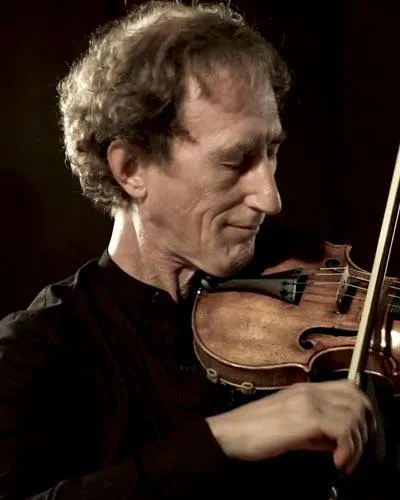
Simon Fischer disfruta de una distinguida y polifacética carrera como intérprete, pedagogo y artista de grabación.
Ha actuado por todo el mundo como recitalista y ha grabado tres Sonatas de Brahms, una grabación que recibió grandes elogios en la revista Gramophone.
Simon está reconocido como uno de los profesores de élite del mundo. Es profesor en la Guildhall School of Music y ha ocupado cargos en la Yehudi Menuhin School, la Wells Cathedral School y la Purcell School, y durante 15 años fue profesor visitante en la Royal Scottish Academy of Music. Tras estudiar en Londres con Yfrah Neaman y en Nueva York con Dorothy DeLay, el enfoque de Fischer une los mejores elementos de las tradiciones violinísticas francesa, rusa y estadounidense.
La obra publicada de Fischer ejerce una gran influencia en la enseñanza del violín. Autor de artículos para la revista The Strad desde 1991, sus columnas mensuales han atraído seguidores en todo el mundo. Publicados por Edition Peters, sus libros de técnica Basics and Practice (traducido al coreano, italiano y alemán), Scales y The Violin Lesson, así como el DVD The Secrets of Tone Production (ahora disponible en streaming a través de MusicGurus), se han convertido en referencias en muchos continentes. Su libro y DVD Warming Up fue descrito por la revista The Strad como "23 páginas de oro técnico puro".
En 2014, Simon Fischer recibió el premio de la European String Teachers Association "en reconocimiento a toda una vida de contribución a la enseñanza de instrumentos de cuerda".
En su curso de cuatro partes Secrets of Tone Production, Simon te guía para que conozcas tu instrumento y luego trabajes sus ejercicios fundamentales de sonido paso a paso, de modo que puedas producir un sonido más rico, más controlado y más hermoso con el violín.







