



Cranial Contraption
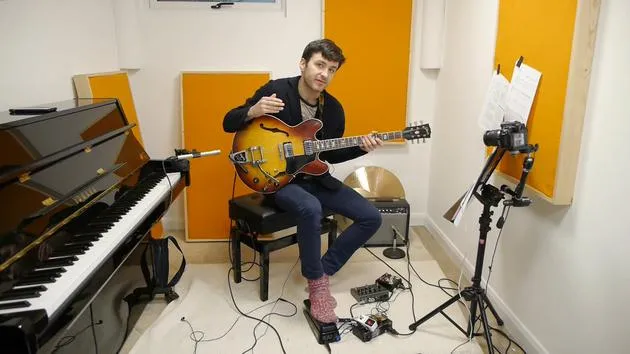
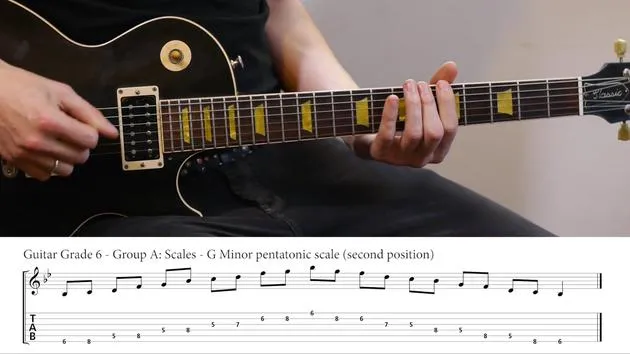
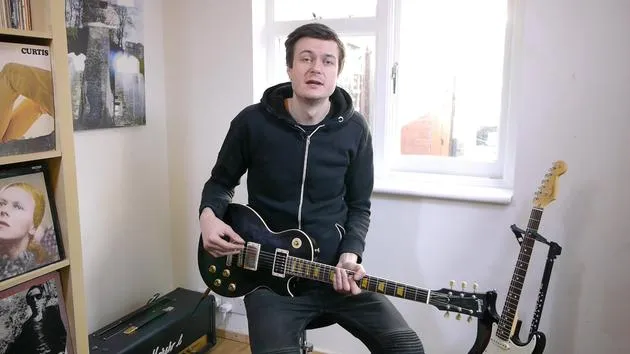
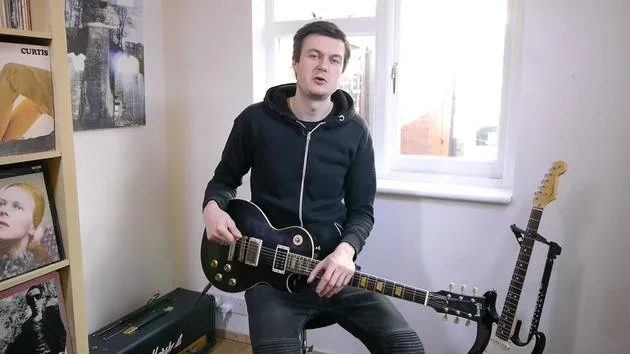
Charlie Griffiths desglosa su pieza de metal de Grado 6 Cranial Contraption, desde la intro arpegiada limpia hasta los riffs pesados y el solo en mi menor.

Qué incluye el curso
46 lecciones (3h 57m) · 1 gratis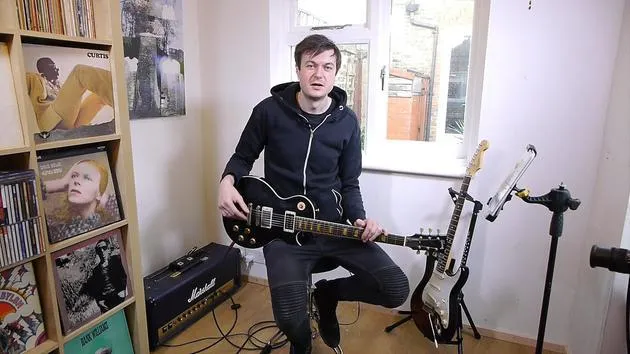
01. Introducción a los enfoques de la improvisación
1:00
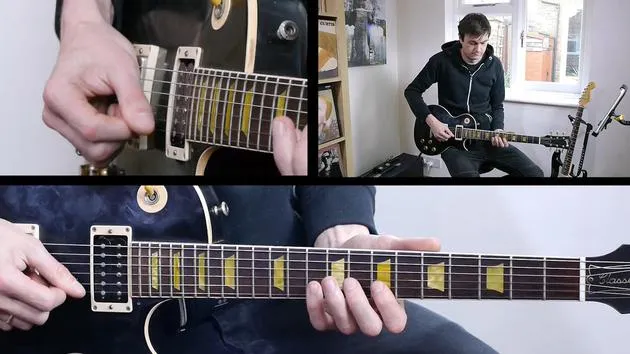
02. Adornar una melodía
5:36
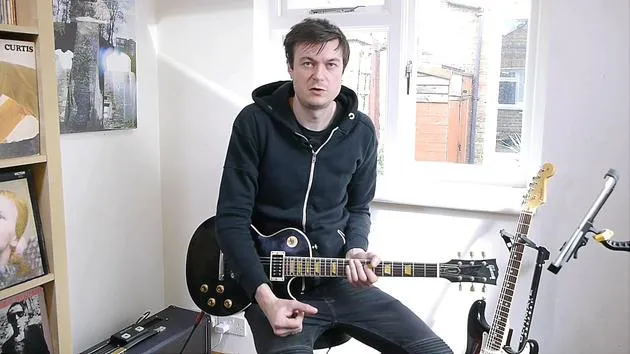
03. Reto: envía tu melodía
0:26
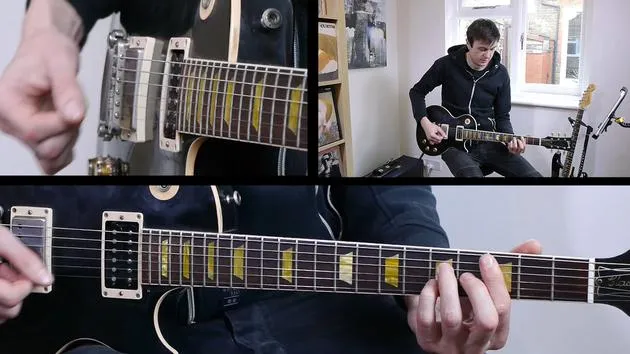
04. Acordes de séptima
6:38
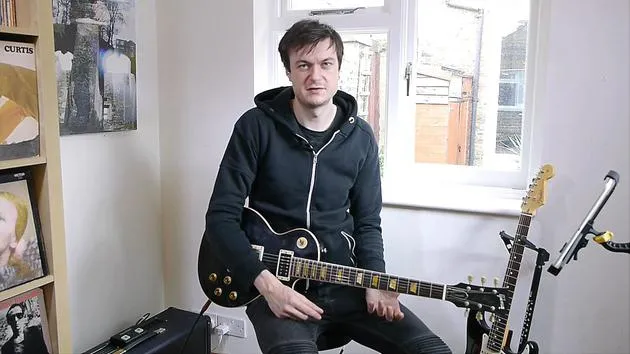
05. Componer tu solo
8:53
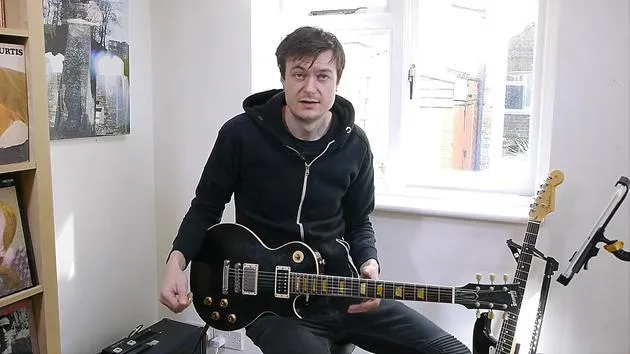
06. Más extensiones y acordes sus
4:19
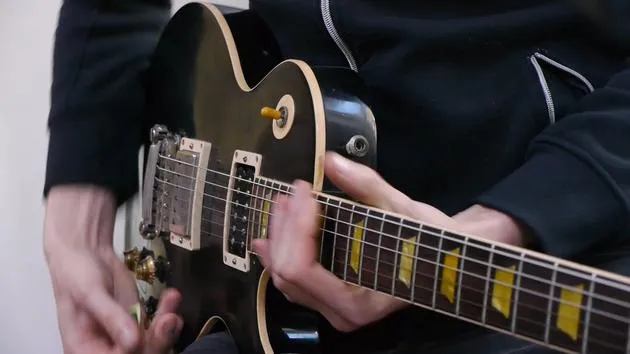
07. Comping en dos estilos musicales diferentes
8:36
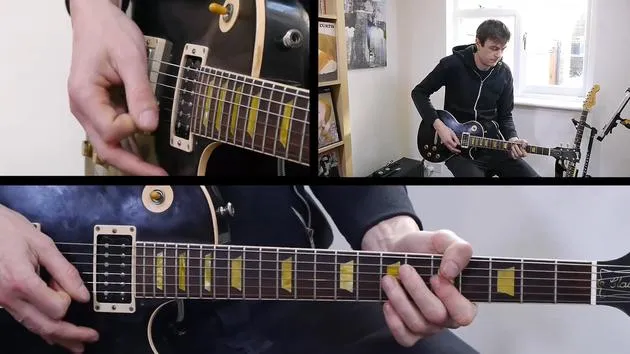
08. Combinar comping rítmico y melódico
4:24
09. Improvisación rítmica y comping
9:55
10. Rasgueo avanzado y adornos
5:40
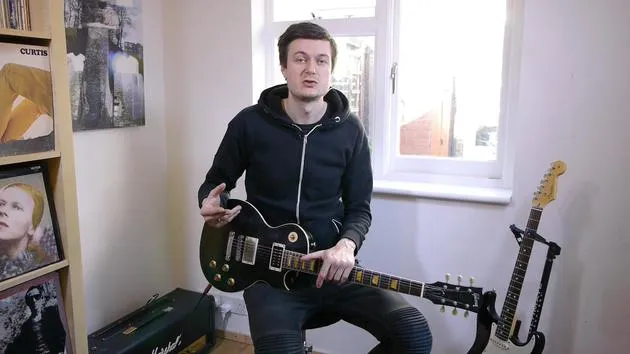
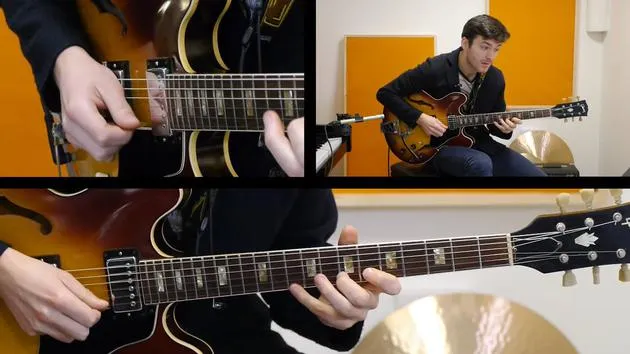
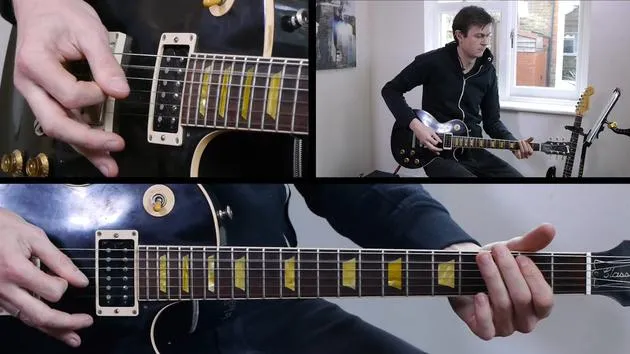
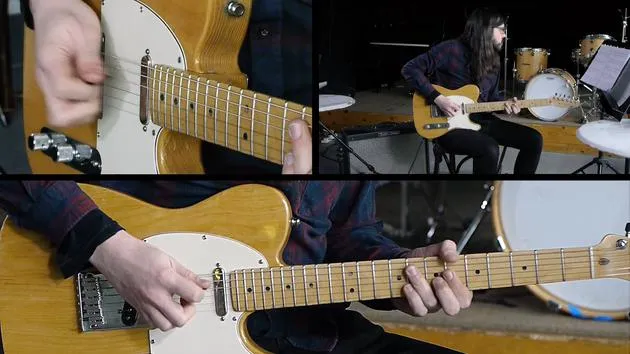
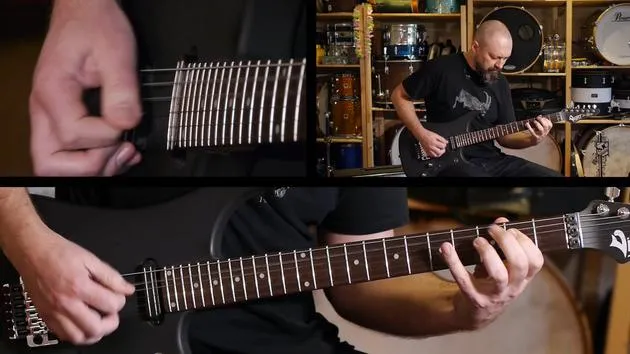
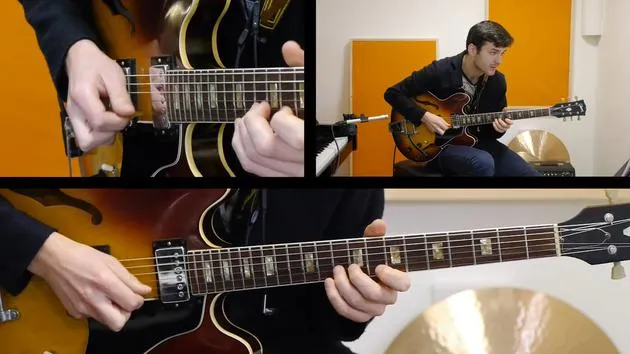
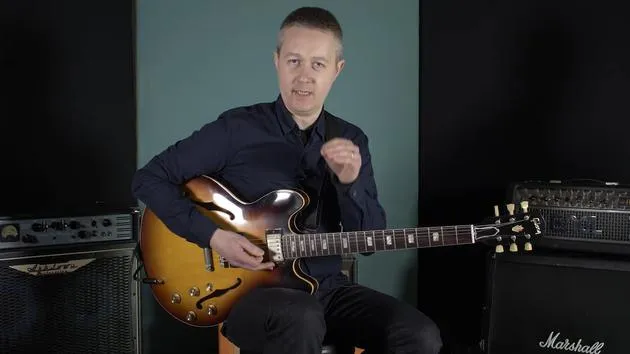
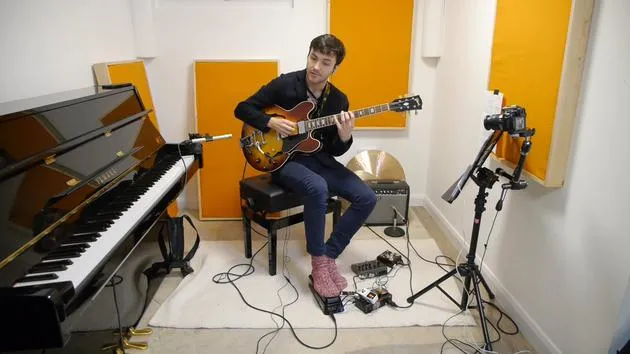
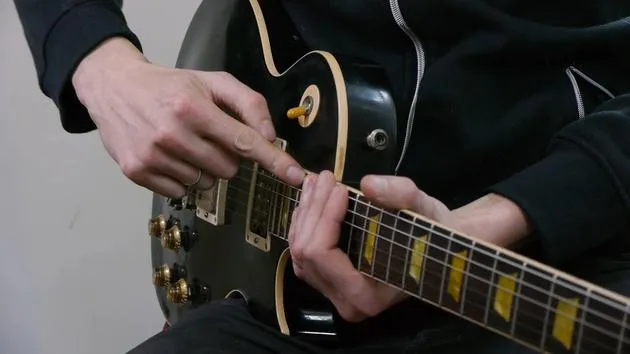
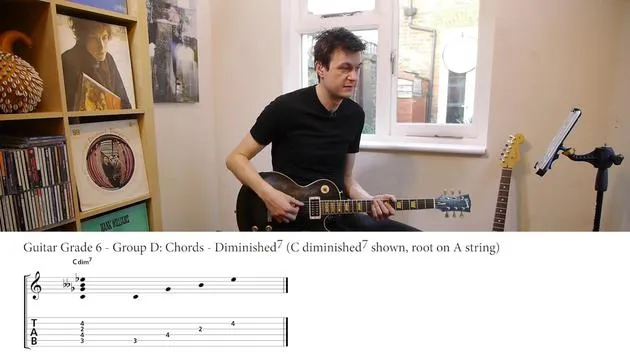
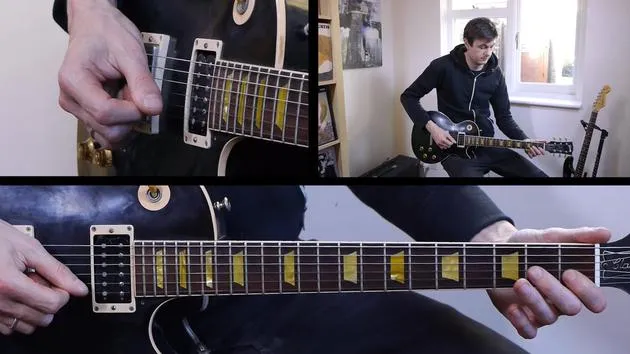
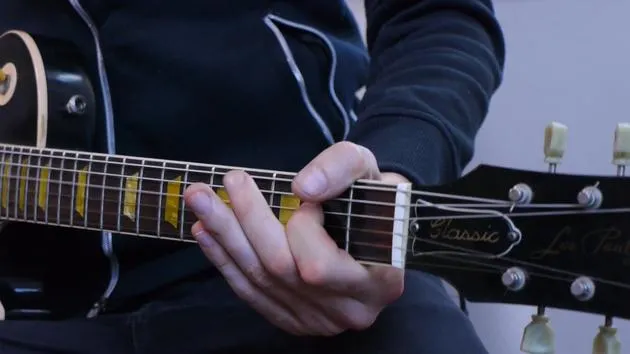
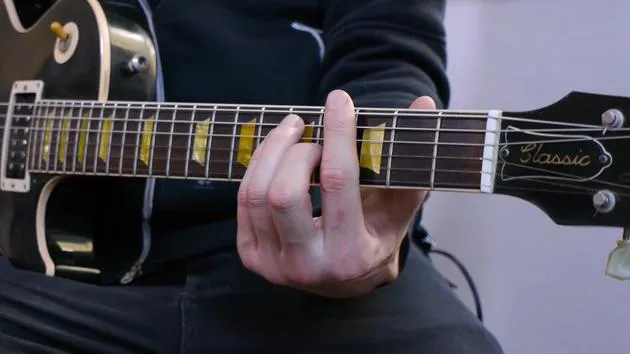
Transcripción de la lección
Music Lesson: Cranial Contraption
Introduction
So, that was Cranial Contraption. I wrote that song with influences from bands like:
- Disturbed
- Machine Head
- Shadows Fall
- Slipknot
These bands have a thrash metal background along with metalcore elements, which means there are:
- Heavy riffs
- Darker tonalities
- Stomping breakdown sections
- Melodic playing, found in the E minor melody and the solo
Let's get into it! This piece has a lot of fun sections to play, so I hope you enjoy it.
Section A: Clean Guitar Melody
The A section features a clean guitar section based around a melody that we'll hear later in a more lead guitar style. This sets up what we're going to hear later on.
Playing Technique:
-
Arpeggiated Chords:
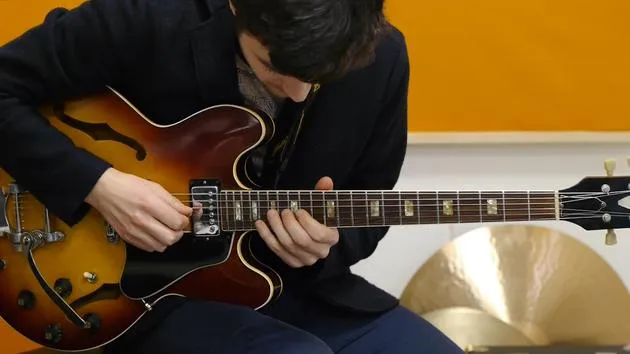
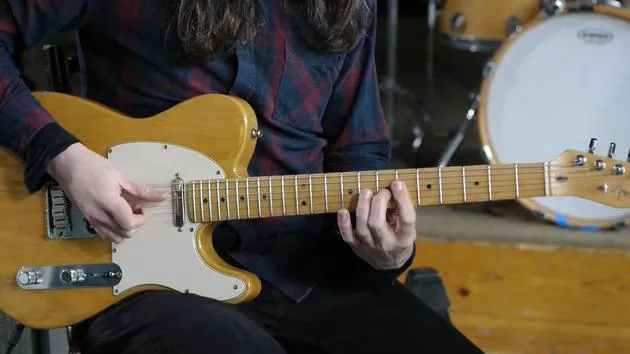
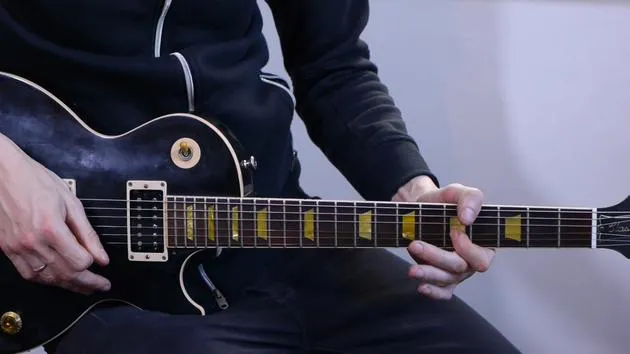
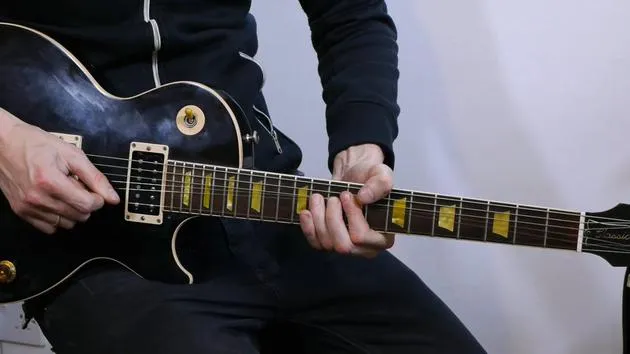
- Hold one note for the opening chord (fourth fret, fourth string using your third finger).
- Use your pick to play the sixth, fourth, third, and second strings.
- Ensure all notes ring together.
-
Finger Positioning:
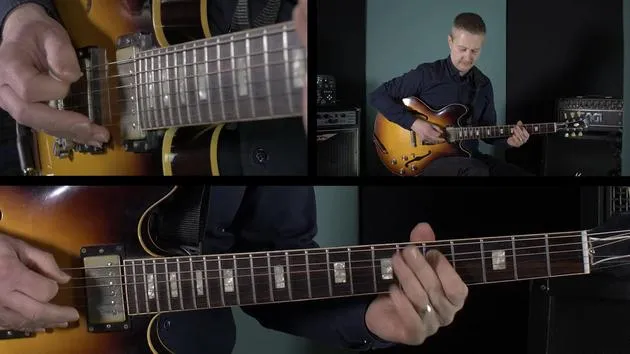
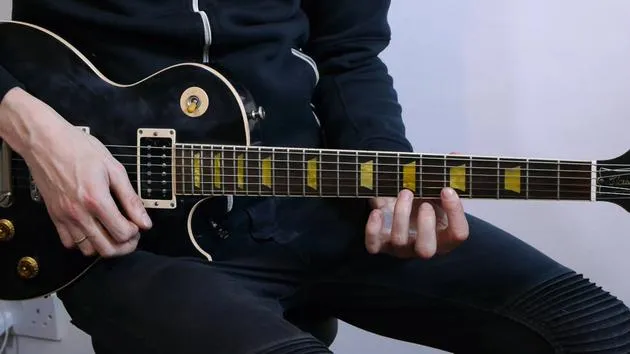
- Arch your fingers to leave the open strings exposed for a clean ring.
- Start slowly with neat and accurate finger placement.
-
Practice Tips:
- Use a metronome at a slow tempo.
- Gradually speed up by increments of 5 bpm.
Section B: Distorted Octave Section
For the B section, we switch to a distorted sound, based on an octave shape.
Playing Technique:
-
Octave Shape:
- First finger on the second fret, fourth string (E).
- Fourth finger on the fifth fret, second string (E an octave above).
-
Strumming Technique:
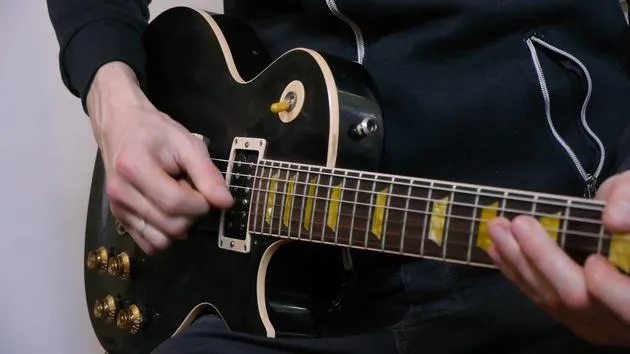
- Focus on muting the unused strings to avoid unwanted noise.
- Use your fingers to stop other strings from ringing.
-
Muted Strumming:
- Strum all six strings but only hear the fourth and second strings.
Section C: Simple Riff
The C section presents a simple riff using three notes: first fret, fourth fret, and the open sixth string.
Playing Technique:
- Use first and fourth fingers to reach the notes with minimal hand movement.
- Emphasize loud playing with downstrokes.
- Use a good part of the pick for a louder, more confident sound.
Variation:
- At bar 23, repeat the riff with 16th notes and palm muting.
- Angle your pick to hit the string with the edge for a more cutting tone.
Section D: Lead Guitar Melody
The D section features a melody reminiscent of the intro but with a lead guitar approach.
Learning Tips:
-
E Minor Scale:
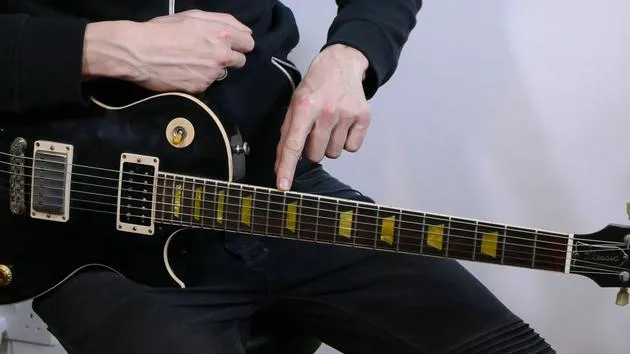
- Familiarize yourself with an E minor scale starting from the open sixth string.
-
Finger Positioning:
- Use one finger per fret to maximize reach without moving out of position.
-
Transition to Harmonic Minor:
- Play the major seven at the end, hinting at the harmonic minor scale used in the solo.
Section E: Heavy Breakdown
In the E section, we encounter a heavy breakdown characteristic of metalcore music.
Playing Technique:
-
E Power Chord:
- Utilize the open sixth string and the second fret on the fifth string with heavy palm muting.
-
Natural Harmonics:
- Play a natural harmonic at the fifth fret (fourth string).
- Lightly touch the string and pick while lifting your finger for a clean sound.
Section F: Guitar Solo
The F section is the guitar solo in the key of E minor, utilizing notes like:
- E, F sharp, G, A, B, C, D
You can play this solo from different positions, incorporating both melodic lines and a bluesy style.
Final Chord: Use a B major chord borrowing from the harmonic minor scale.
Section G: Main Melody Return
In the G section, we return to the main melody from the intro, now played an octave higher.
Improvisation Tips:
- Develop the melody as much as you wish.
- Stick closely to the previous version, or explore new ideas.
Section H: Riff Development
The H section revisits the riff, now developed further with power chords.
Additional Techniques:
- Incorporate pinched harmonics when striking the strings with your pick to create distinct tones.
Conclusion
That wraps up Cranial Contraption. There are plenty of fun riffs and techniques to explore. This will allow you to learn the E minor scale in different positions and incorporate the harmonic minor scale too. Enjoy your practice!
46 lecciones
3h 57m de lecciones en vídeo estructuradas
Funciones de vídeo avanzadas
Ralentiza, repite un pasaje, sigue la partitura
Móvil, tablet y ordenador
Practica donde quieras
Garantía de satisfacción 100%
30 días de garantía de devolución







