



Just Don't Know
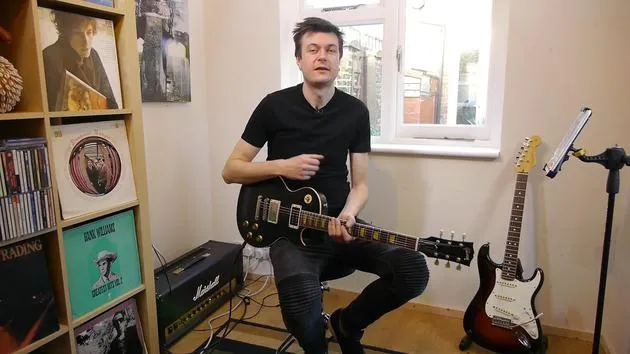
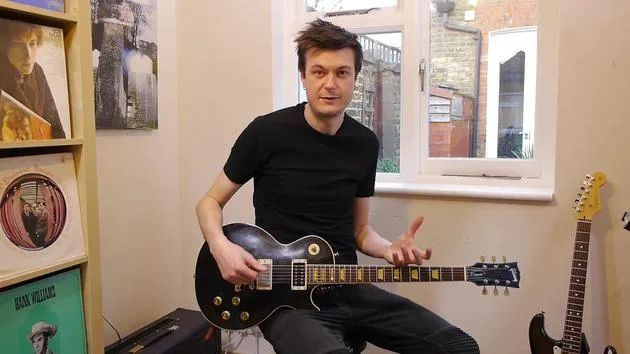
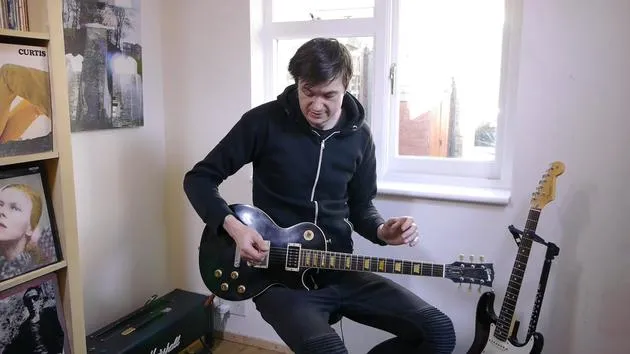
Stuart Ryan desglosa 'Just Don't Know', una pieza de Grado 1 de classic rock construida sobre acordes de quinta, muteo y notas ligadas al estilo de AC/DC y Led Zeppelin.

Qué incluye el curso
38 lecciones (2h 32m) · 1 gratis
01. Introducción a los enfoques de la improvisación
1:00
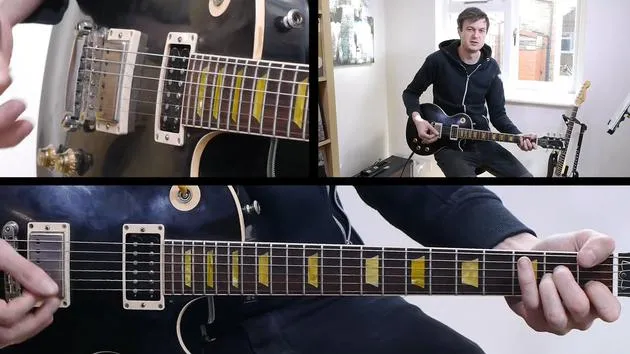
02. Primeros pasos en la improvisación
9:22
03. Improvisar usando notas del acorde
10:18
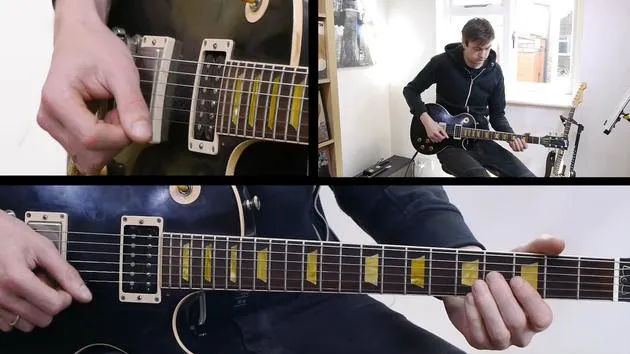
04. Tarea: Encontrar las notas del acorde
4:05
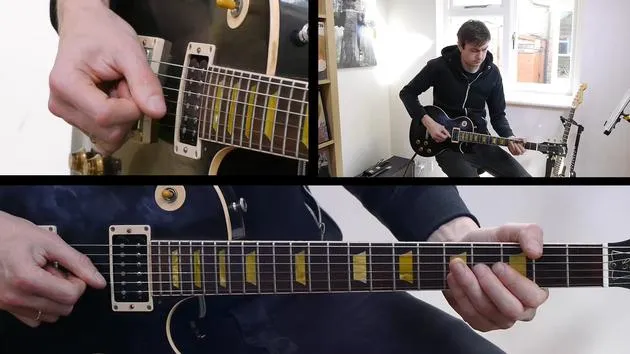
05. Añadir interés rítmico a tus solos
4:11
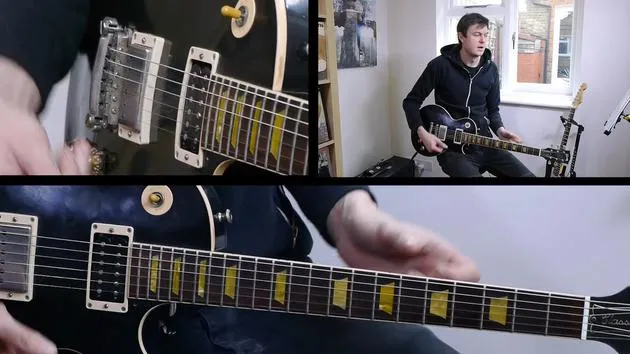
06. Tarea: Improvisar sobre un cambio de acorde
2:52
07. Reto: Envía tu improvisación
0:24
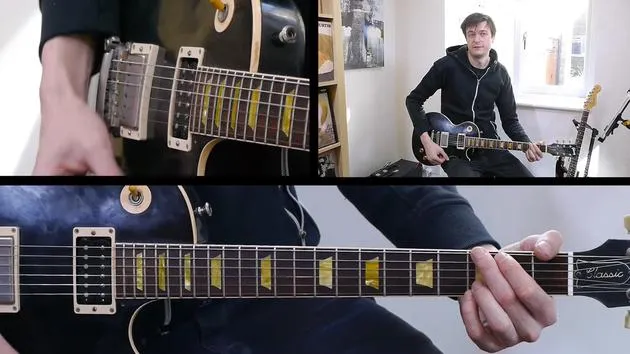
08. Improvisación rítmica y comping
9:55

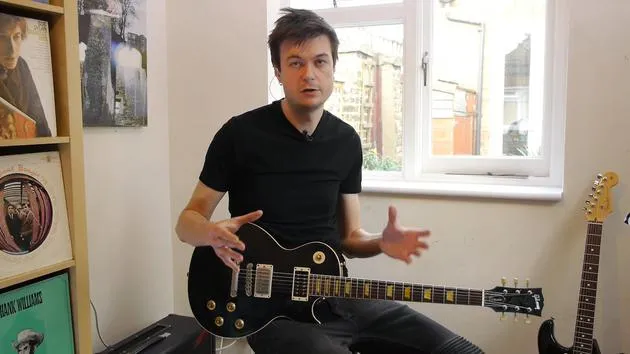
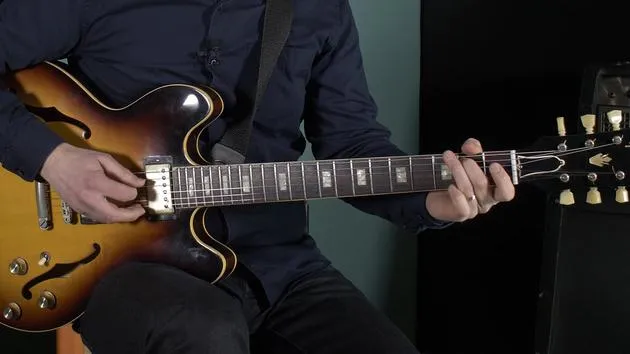
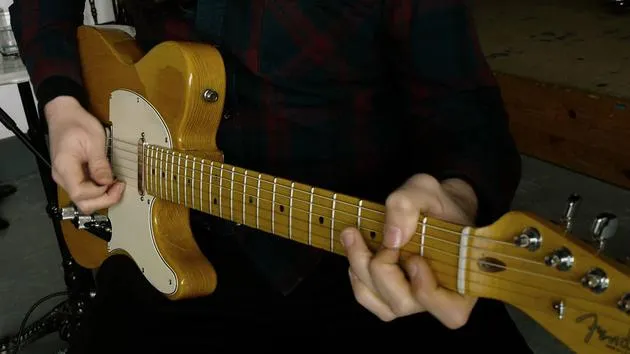

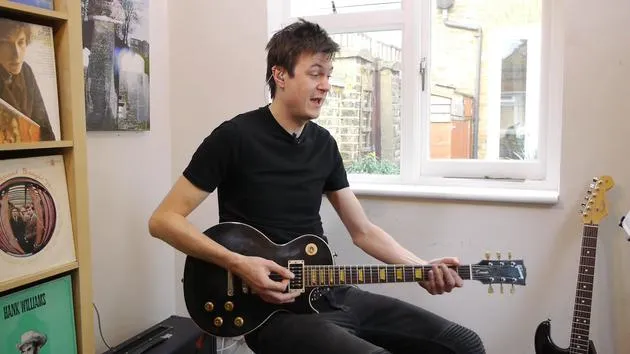

Transcripción de la lección
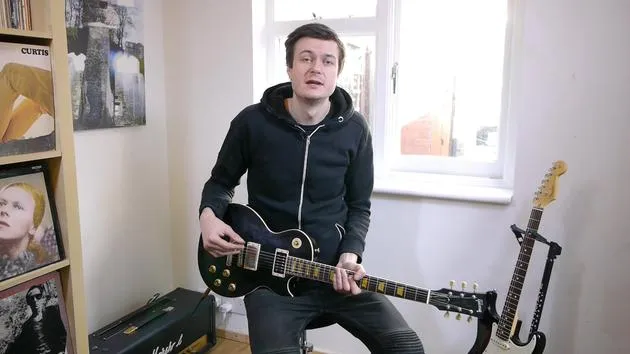
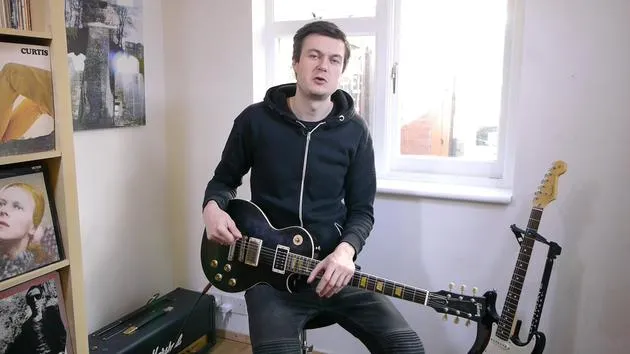
Just Don't Know: Classic Rock Guitar Lesson
Introduction
"Just Don't Know" is inspired by the sound of classic rock, particularly the guitar bands of the 1970s, such as AC/DC, Led Zeppelin, and Thin Lizzy. This piece incorporates key vocabulary from these bands, including:
- Power chords
- Open position playing
- Muting
- Tied notes
One of the biggest challenges in playing this piece is managing the tied notes that go over the bar.
Power Chords and Dynamics
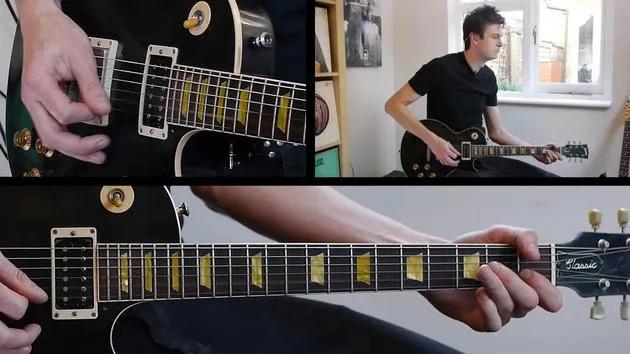
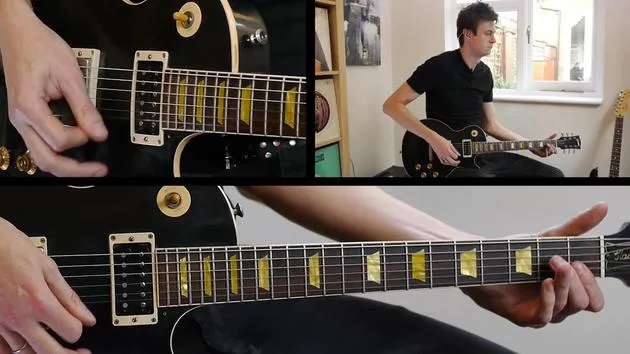
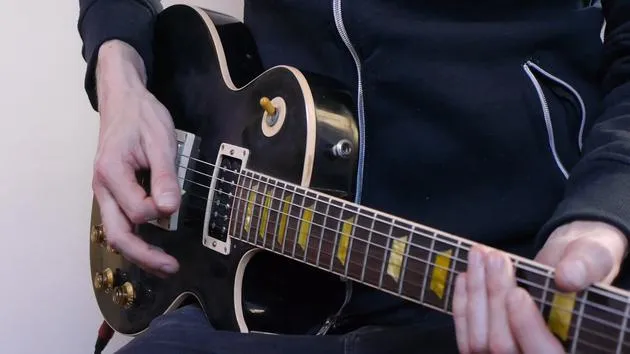
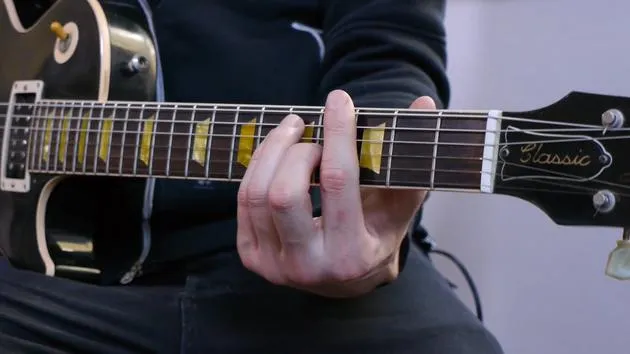
When playing power chords, it's crucial to consider your attack and dynamics. For instance, when I play the first chord, called a fifth chord (an A5), with a light picking hand strum, I get too soft a sound. Therefore, I must:
- Attack the strings with a strong downward flick.
Key Points:
- The classic rock bands of this era didn't use high gain amplifiers.
- To achieve a more gain or overdrive sound, they hit the strings harder.
In addition to power chords, we have arpeggiated sections where the notes need to ring in. However, for these sections, it's best to pull back on dynamics:
- Relax the picking hand to avoid muddy sounds.
Amplifier Settings
Bands from this era frequently used Marshall amplifiers, which had some gain available, though not as high as modern high-gain models. If you're using a modern amplifier, keep the gain relatively low. Instead, focus on gaining more attack through your picking hand.
Scales and Double Stops
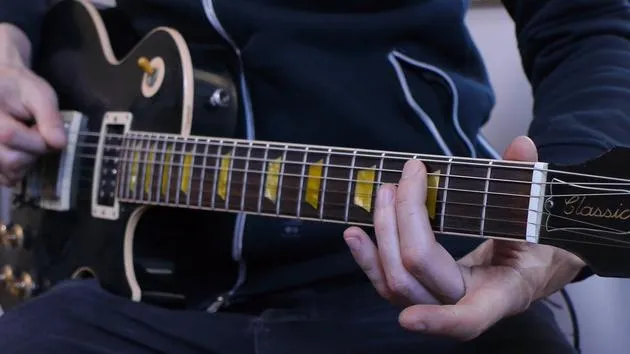
In Section B, we introduce interesting vocabulary, focusing on:
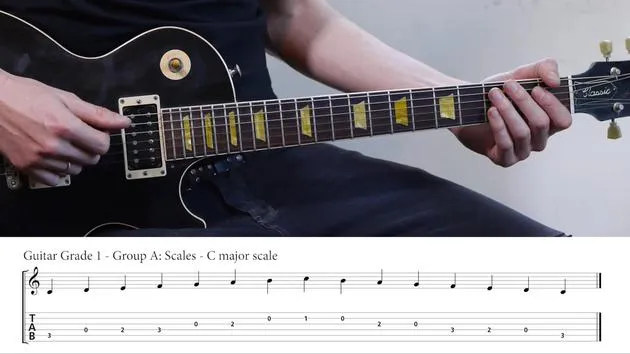
- Blues scale
- Minor pentatonic scale
These are primarily played in the open position. Here's a reminder:
- Let the arpeggios ring out, avoiding aggressive digging into the strings.
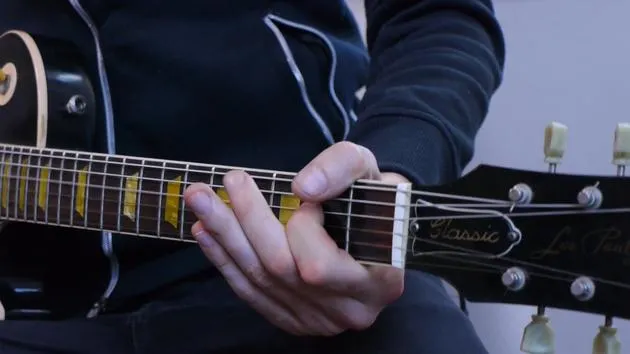
Double Stops
- Definition: Playing two strings together.
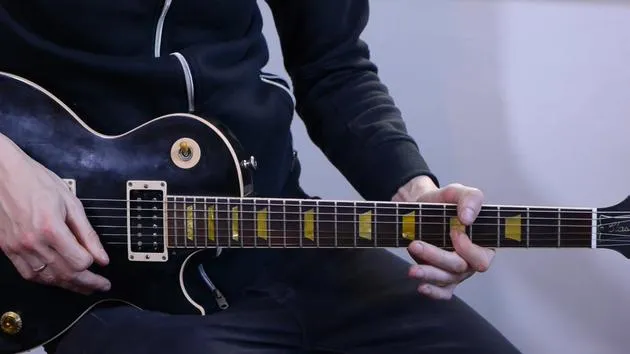
- Example: Double stops can be found on Fret 3, hitting the treble strings at the bottom.
You can explore various fingering options with your teacher:
- Using the index finger.
- Experimenting with fingers 2 and 3, or 3 and 4.
Tied Notes
A key feature of this style is tied notes, notes that continue over the bar line. For example, starting a note on beat four may ring into the first beat of the next bar.
Remember to:
- Count continuously: Think 1, 2, 3, 4.
This approach ensures that notes sustain throughout the bar.
Sections Breakdown
There are several sections to "Just Don't Know":
- Section A: Focusing on riffing in the lower register of the open position with thick open string sounds.
- Section B: Transitioning from string five to string one with double stops.
- Section C: A mini solo, emphasizing strings three, two, and one.
Muting Techniques
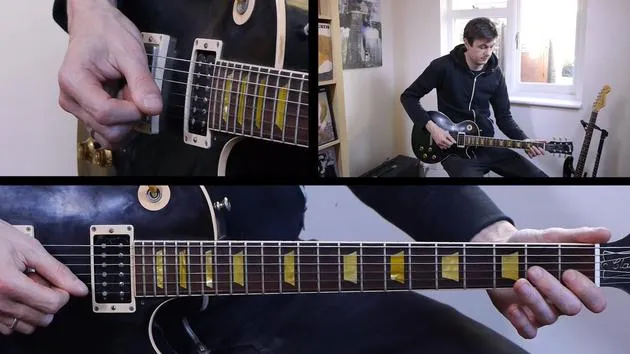
Ensure your muting is in place when playing through tunes like this:
- How to mute:
- Place your palm of the picking hand on the strings.
- Release the pressure from the fretting hand fingers.
If muting is not executed correctly, the part will sound off:
- Example: A5 on beat one, followed by D5 on the and of beat two.
Tight vs. Loose Playing
In section B, think of a riff-based idea moving around the strings rooted in the blues scale in the key of A, a vital scale alongside the minor pentatonic for rock guitar.
In section C, we shift to higher notes where you can practice alternate picking:
- Start with downstrokes.
- Progress to down-up stroke motions.
Don't forget to maintain note durations as instructed by your teacher.
Timekeeping and Feel
Different rock guitar players vary in style:
- Tight: Malcolm Young of AC/DC exemplifies perfect timing and tightness in rhythm.
- Loose: Some players tend toward a more relaxed style.
Key Concepts:
- Offbeats: Play on the offbeat when counting (e.g., 1 and 2 and 3 and 4).
- Tied notes: Challenge yourself by sustaining notes over beats, particularly from beat four to beat one.
Practice Exercise
Count aloud while playing the first few bars to distinguish where tied notes fall:
- Count: "1, 2 and 3 and 4 and"
- Continue: "1, 2 and 3 and 4. 1 and 2 and 3 and 4 and 1 and 2, 3 and 4."
Working on these sections with your teacher will solidify your understanding of tied notes.
Conclusion
By mastering these techniques and concepts, you'll develop a strong foundation for playing "Just Don't Know" and classic rock guitar in general.
38 lecciones
2h 32m de lecciones en vídeo estructuradas
Funciones de vídeo avanzadas
Ralentiza, repite un pasaje, sigue la partitura
Móvil, tablet y ordenador
Practica donde quieras
Garantía de satisfacción 100%
30 días de garantía de devolución







