



Rock The Bells – LL Cool J (Análisis)
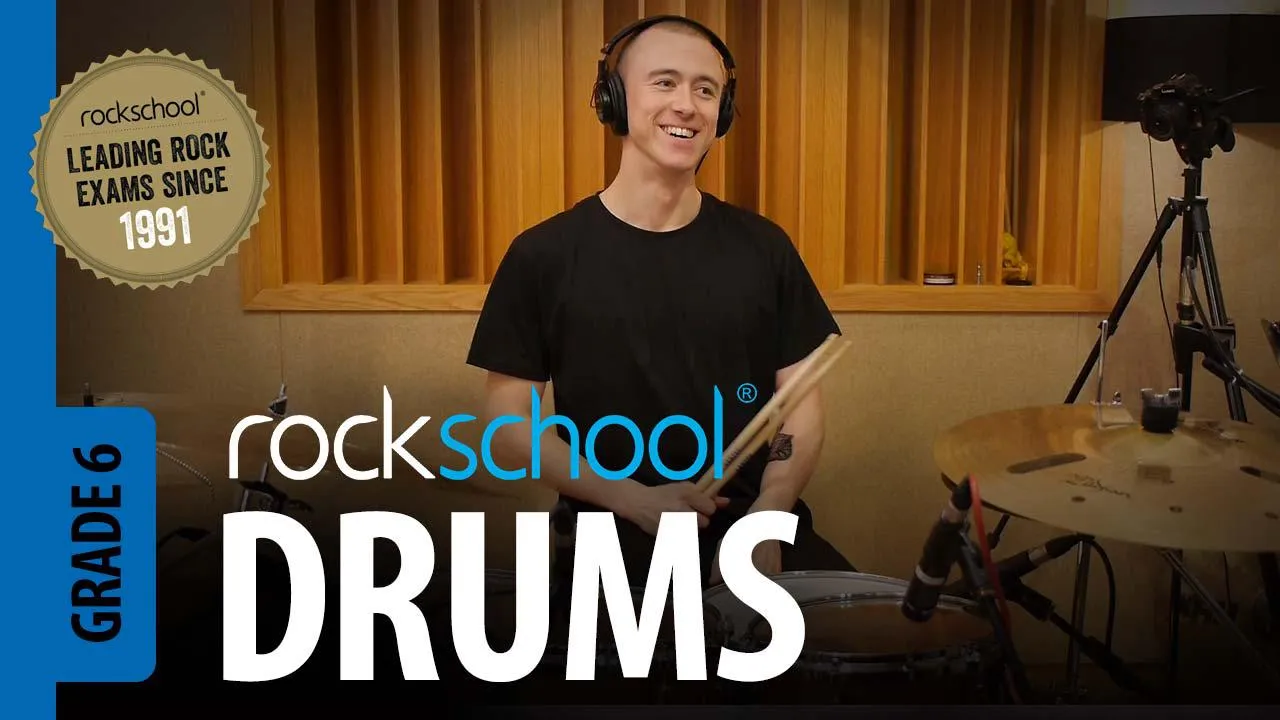
Stu Roberts desglosa la parte de batería de Grado 6 de 'Rock The Bells' de LL Cool J, manteniendo las semicorcheas parejas y relajadas a 90 bpm y cuidando la dinámica mezzo-forte.
Qué incluye el curso
29 lecciones (2h 46m) · 1 gratis
01. Chameleon - Herbie Hancock
2:55
02. Superstition – Stevie Wonder
3:00
03. Dutch Flowerz – Skream
2:42
04. Ziggy Stardust – David Bowie
2:46
05. Rock The Bells – LL Cool J
3:04
06. I Got You (I Feel Good) – James Brown
2:51
07. Mohair Mountain
3:01
08. Pop It In The Top
Lección gratis2:59
09. Mind Sweeper
2:35
10. Favela
2:41
11. Space Future
2:47
12. You Can Call Miguel
2:30
01. Ziggy Stardust – David Bowie (Análisis)
9:38
02. Dutch Flowerz – Skream (Análisis)
10:44
03. Superstition – Stevie Wonder (Análisis)
11:12
04. Chameleon - Herbie Hancock (análisis)
11:20
05. I Got You (I Feel Good) – James Brown (Análisis)
9:37
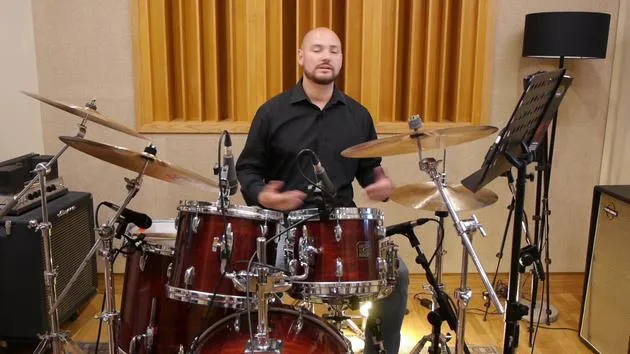
06. Rock The Bells – LL Cool J (Análisis)
Estás aquí12:16
07. Mohair Mountain (Análisis)
12:25
08. Pop It In The Top (Análisis)
7:14
09. Mindsweeper
10:40
10. Favela (análisis)
6:42
11. Space Future (análisis)
4:50
12. You Can Call Miguel (Análisis)
8:24
Transcripción de la lección
Rock School, Grade Six: Rock the Bells
Welcome to this lesson!
Introduction
The first thing to point out is that the original groove on this amazingly produced record by Rick Rubin is an electronic beat, not an acoustic set of drums. We interpreted some of those electronic parts to come up with a groove that would work and be a challenge suitable for Grade 6.
Top Tip:
- Don't play too loud. The whole thing is marked as mezzo forte (medium loud).
Groove Performance
Those constant 16th notes in the right hand can be challenging at 90 BPM, which is probably the upper limit for most students at a Grade 6, 7, or 8 level. Here are some key considerations:
- Articulation: Phrase the notes as you wish. You can:
- Accent the first note of each group of four.
- Use no accent at all.
- Accent every other note.
- Mix Variations: This helps give your hand a little rest throughout the piece.
Caution:
- It may not look complicated initially, but by the end of the fourth page, you might feel it in your wrist.
Hand Positioning:
- Stay loose. The fulcrum in your hand should not be tight, and avoid over-gripping.
- Experiment with hand angle:
- Changing the angle can create variance in tone.
- When your thumb is on top of the stick, you get a higher pitch.
Demonstration:
- Play the sticks together to illustrate pitch changes. You might want to use different techniques for different sections of the song to relieve tension in your hand.
Understanding the Rhythm
Thoughts on Bar Eight:
- At first glance, two quarter notes followed by four eighth notes may seem easy, but it's all about delivery.
- Pay attention to placement and precision of those notes.
Main Groove Details
- The primary groove is notated on the first page as "continue similar," meaning play the same kind of groove but with variations.
- Moving to page two, at rehearsal letter E, you'll find development with slash marks indicating more variations.
Exam Tip:
If you're sitting for the actual Rock School exam, use variations to show your different ideas, but ensure they are:
- Dynamically suitable
- In time
- In the appropriate style
Avoid:
- Heavy metal fills
- Crazy fusion figures
- Metric modulation
Example Development:
- Consider grace notes, especially with the left hand, and think about what you can do with the hi-hat.
- Sometimes I play with the left stick backwards, inspired by drummer Yogi Houghton.
Practical Tips
Page Turning:
- Learn to turn the page efficiently.
- If sight-reading, turn at logical points (e.g., at the end of page two).
- I often note "turn here" on my chart to remind myself.
Choked Cymbals & Phrasing
Choked Cymbal in Bar 36:
- If unsure, hit the cymbal and grab it with your hand.
- Important for creating shape in phrases, especially at the downbeat of rehearsal letter H.
Practice:
- Spend a few minutes getting used to choking the cymbal while managing the stick in your other hand.
- Check out Jonathan "Sugarfoot" Moffat for ideas on cymbal chokes.
Two-Bar Repeat
Familiarization:
- A two-bar repeat, indicated by diagonal lines and dots, means to repeat the previous two bars.
- Common in rhythm section charts.
Final Section: Rehearsal Letter K
At this point, you will play solo fills between figures similar to those in bar 29. Keep the following in mind:
- Aim for something melodic, especially on good-quality drums, like a Gretsch kit.
- Remember, this music is for dancing; avoid complex odd note groupings unless they feel natural.
Staying Engaged
Final Thoughts:
- Don't switch off mentally until you finish the song.
- The last four notes are just four quarter notes between the crash cymbal and bass drum, but stay mentally engaged through to the very last note.
Enjoy your time with Rock the Bells!
29 lecciones
2h 46m de lecciones en vídeo estructuradas
Funciones de vídeo avanzadas
Ralentiza, repite un pasaje, sigue la partitura
Móvil, tablet y ordenador
Practica donde quieras
Garantía de satisfacción 100%
30 días de garantía de devolución







