



Lick de jazz para ganar velocidad
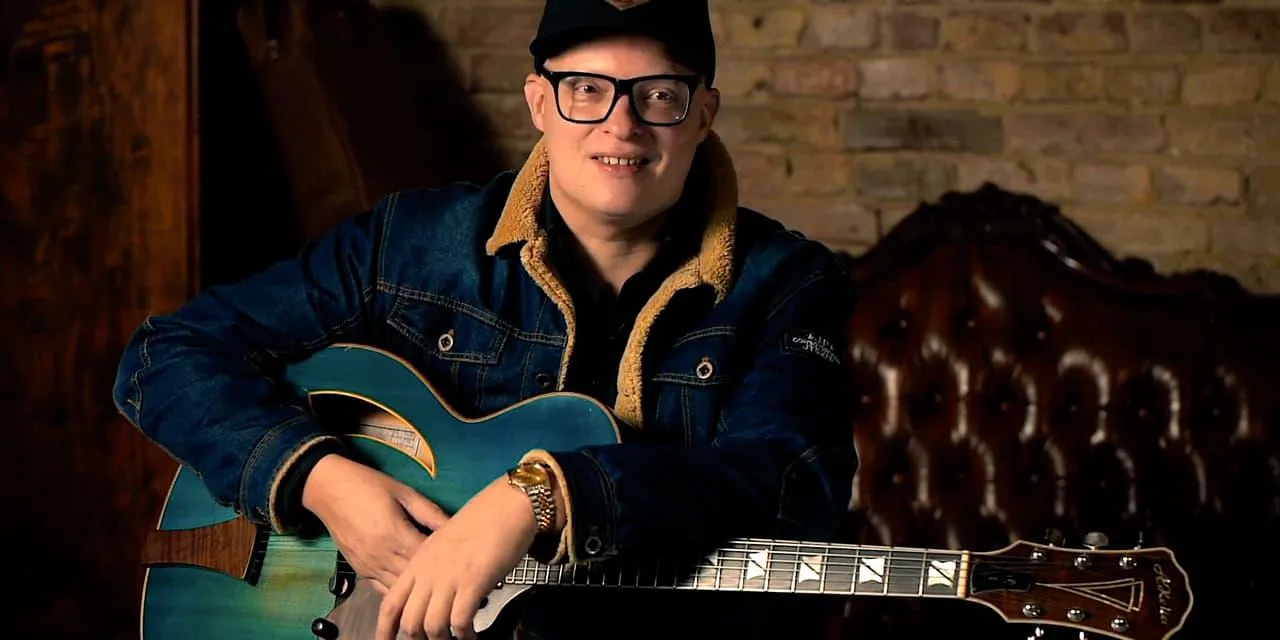
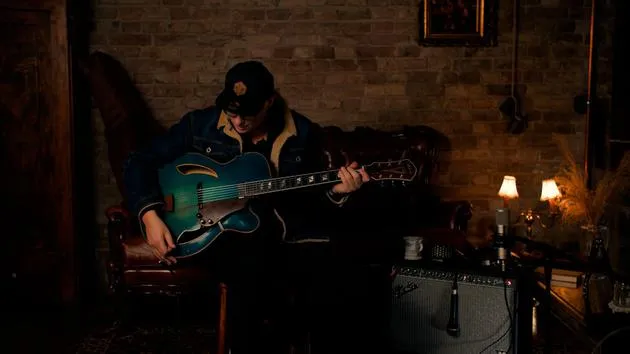
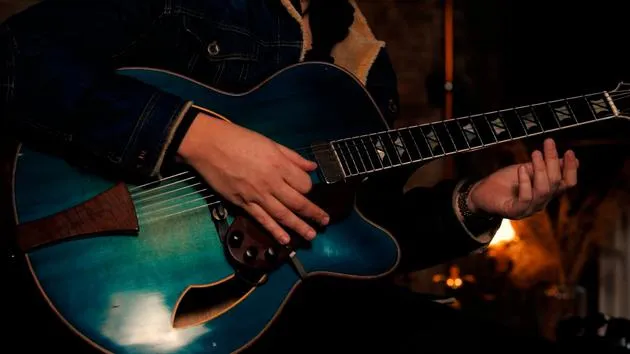
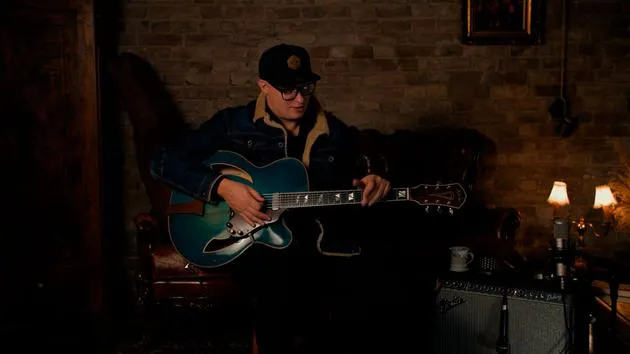
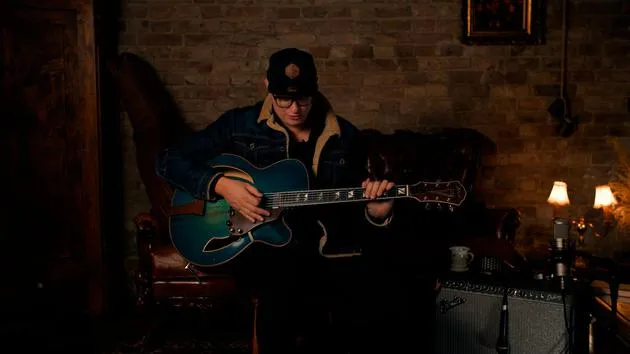
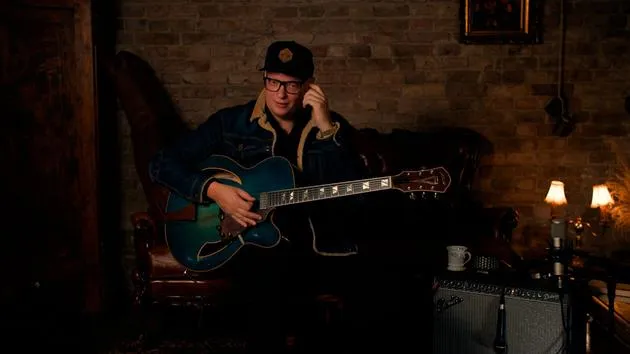
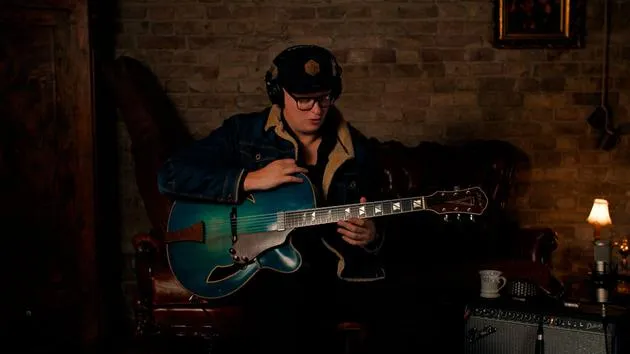
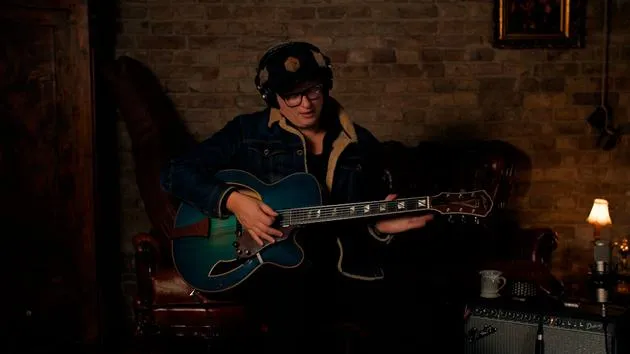
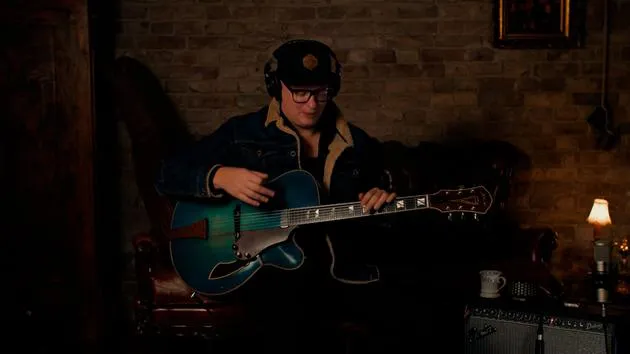
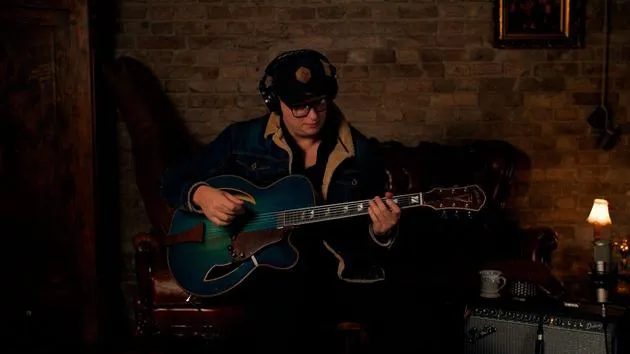
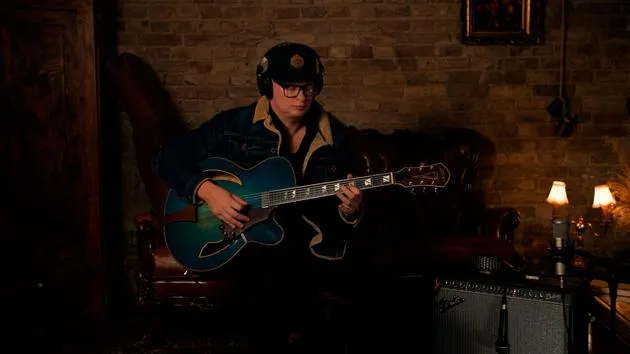
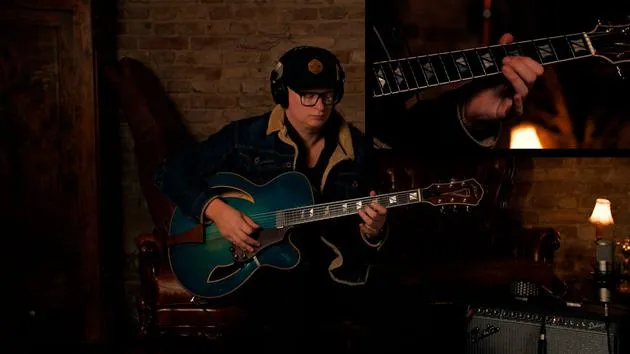
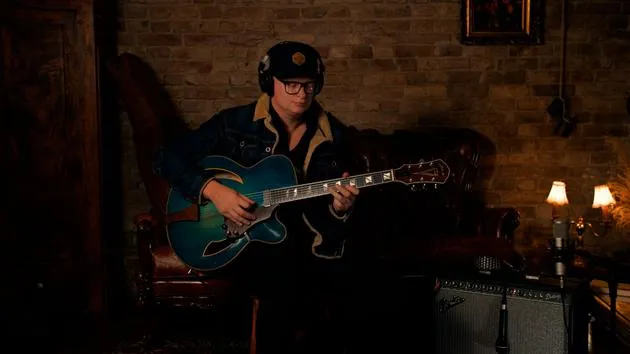
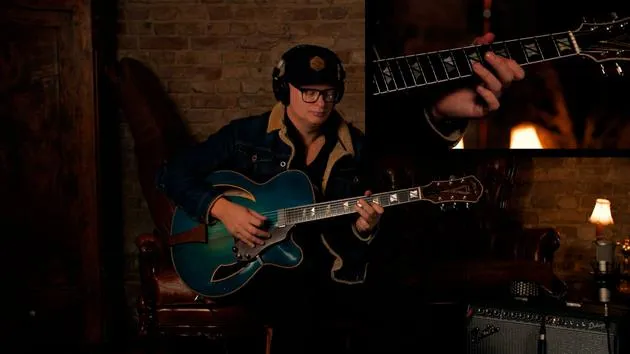
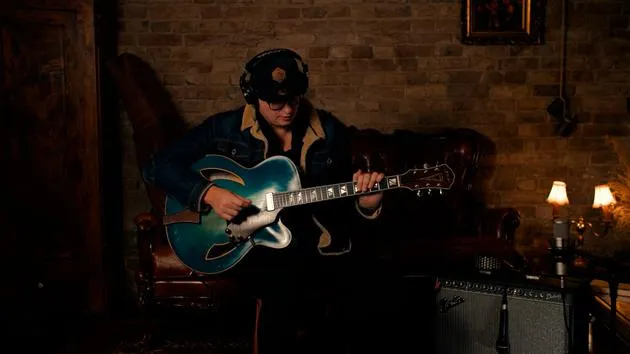
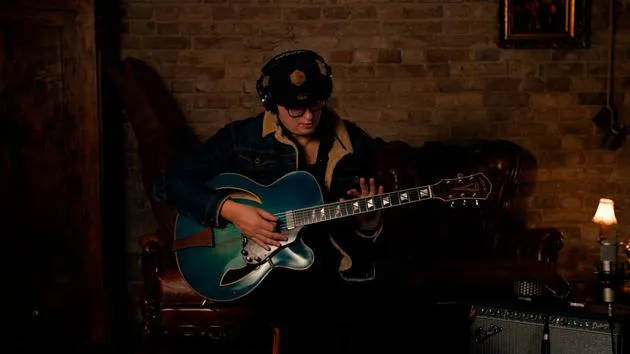
Torsten Goods enseña un lick de jazz que puedes usar para ganar velocidad y añadir algo de vocabulario jazzístico a tus líneas de guitarra.
Qué incluye el curso
37 lecciones (1h 38m) · 1 gratis
01. Introducción
1:00
02. Concepto jazz/blues: pentatónicas y escalas mayores
5:35
03. G Blues: demostración de solo
Lección gratis1:22
04. Blues en Sol - Demostración de solo (pantalla dividida + guitarra rítmica)
1:22
05. Blues avanzado - introducción
0:44
06. G Blues - Interpretación inspiradora
1:21
07. G Blues - Interpretación inspiradora (pantalla dividida + guitarra rítmica)
1:21
01. Introducción
2:29
02. Usar la pentatónica de blues de re (con cromatismos)
3:26
03. Embellecimientos armónicos
3:27
04. Dobles cuerdas clásicas de Benson
2:40
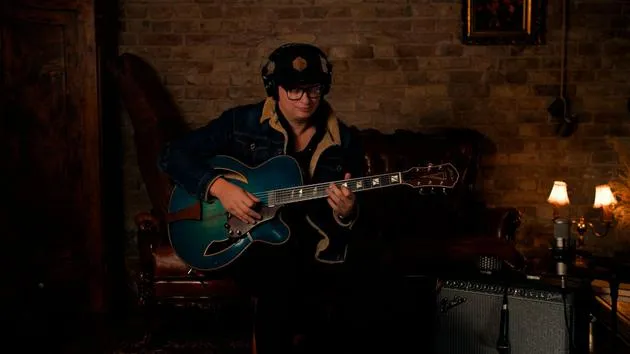
05. Breezin - Demostración de solo
2:25
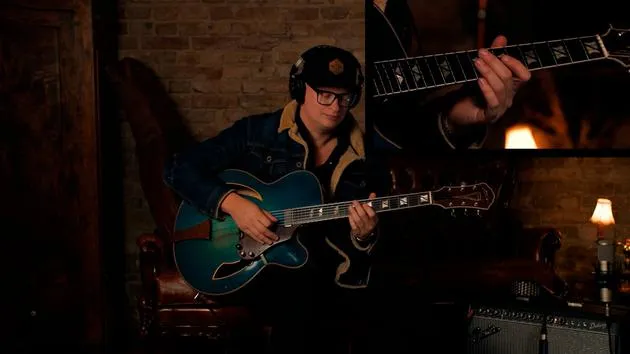
06. Breezin - Demostración de solo (pantalla dividida)
2:25
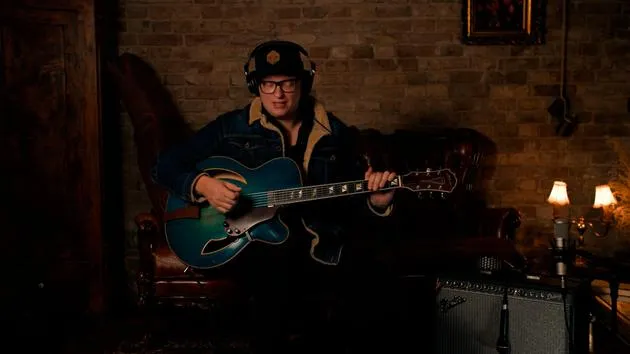
07. Breezin - Interpretación inspiradora - ¡Vistosa y "Out"!
3:13
Transcripción de la lección
Jazz Improvisation: Developing Your Vocabulary
So up until now, I've been talking a lot about the technical aspect of music, primarily from a rock, classical, or minor scale perspective. However, I want to shift our focus into the jazz context and explore more interesting-sounding lines.
A Wonderful Lick
Here's a wonderful little lick I would call it, though that word is quite out of fashion. Jazz players often prefer to say we improvise. But I believe you need to have a certain vocabulary, much like speaking any language.
Learning the Language of Jazz
- Jazz as a Language:
- If you learn German, you learn phrases like "Wie geht's?" (How are you?).
- Similarly, if you learn English, you learn to say "How are you?"
- In jazz, you also can't always think of your own way to express ideas; you must learn a few standard phrases, what we might call licks.
You have to learn a couple of melodies that come from the entire tradition, like those of Charlie Parker, Miles Davis, and the guitar playing of Wes Montgomery. Once you've absorbed these ideas, you can move on to create your own improvisations.
The 2-5-1 Lick in B Flat
Here's a wonderful lick that I like to use when I want to execute fast runs in a solo. This is a 2-5-1 lick in B flat:
- 2: C minor 7
- 5: F7
- 1: B flat major
I typically play a major 9 chord, using:
- 6th
- 9th
- 5th (with the option of including the 3rd).
Practicing the Lick
-
Start Slow:
- Play the lick slowly at first.
-
Context Matters:
- It's a 2-5-1 bebop lick. You can play it fast, but it's essential to incorporate it within a broader musical context.
- This lick serves as the "mother lick," allowing you to travel in different musical directions.
-
Sound Influence:
- It has a nice staccato, chopsy sound reminiscent of Al Di Meola but placed within a jazz context.
- This lick is also heavily influenced by the great George Benson, who has employed this sound throughout his career.
Versatility of the Lick
This lick is versatile and can be played over different chords:
- E flat major: It fits nicely over this harmony.
- F7: You can also use it here; it resolves well to the sixth.
- C minor: It remains effective in this context as well.
Developing Technique with the Lick
Would you suggest that people might use this lick as a way of developing their technique?
Yes, absolutely! This lick can be played anywhere and everywhere, not just in the key of B flat.
Exploring Different Starting Points
- You can start from the E string, and it effectively allows you to move back and forth.
- It essentially outlines an arpeggio in the end.
I apologize if I'm not always super clear, I'm human after all! But it's a great exercise for developing your technique.
Mastering Picking
Lastly, I always pick everything and employ alternate picking, ensuring that nothing is left out. This consistency is important for mastering the lick.
Happy practicing!
37 lecciones
1h 38m de lecciones en vídeo estructuradas
Funciones de vídeo avanzadas
Ralentiza, repite un pasaje, sigue la partitura
Móvil, tablet y ordenador
Practica donde quieras
Garantía de satisfacción 100%
30 días de garantía de devolución
Conoce a tu gurú

Conoce a tu gurú
Torsten Gutknecht nació en 1980 en Dusseldorf, hijo de padre alemán y madre irlandesa. La familia se trasladó a Erlangen, Alemania, donde creció Torsten. Gracias a la nutrida colección de discos de su madre, que incluía canciones folk irlandesas junto a grandes del jazz que iban de Duke Ellington a Oscar Peterson, Gutknecht encontró un acceso temprano al mundo del jazz. Sus primeros pasos como guitarrista, sin embargo, estuvieron influidos de forma típica por el rock y el pop. A los 14 años, Gutknecht empezó a estudiar en serio. A los 17 encontró a un profesor que podía instruirle en los entresijos de la música improvisada, el aclamado guitarrista Peter O'Mara. Su talento y entusiasmo eran evidentes, y esto le ayudó rápidamente a acceder a clases magistrales con algunos de los grandes de la hermandad de la guitarra. Cuando aún estaba en la escuela asistió a talleres impartidos por Jim Hall y John Scofield en Nueva York, y tomó clases con el virtuoso guitarrista gitano Bireli Lagrene en Estrasburgo, Francia. Esta última experiencia fue una gran influencia en su desarrollo.
En 2001, con 20 años, Gutknecht viajó a Nueva York con una beca para estudiar en la prestigiosa New York New School, donde estudió con Jack Wilkins y Vic Juris. Pero para Torsten fue aún más importante sumergirse en la vida musical de la 'Gran Manzana'. Trabajó con Seleno Clarke, Barbara Tucker, Reverend Run (de Run DMC) y conoció a George Benson, una gran influencia que inspiró a Gutknecht a cantar acompañando su forma de tocar. También pudo actuar con la leyenda de la guitarra Les Paul, quien le dio su nombre artístico 'Torsten Goods'.
Antes de su estancia en Nueva York, Goods había estado trabajando con no menos energía y determinación en Alemania. En 2000 se convirtió en miembro de la German Youth Jazz Orchestra bajo la dirección de Peter Herbolzheimer y, poco después —antes de su graduación—, grabó el primer álbum bajo su propio nombre, en 2001, 'Manhattan Walls' (Jardis), con Tony Lakatos, Davide Petrocca, Dejan Terzic, Guido May, Jan Eschke, Andreas Kurz y Rick Keller.
En 2004 llegó 'Steppin' (Jazz4ever). Su banda de aquel momento, formada por Jan Miserre, Marco Kuhnl y Christoph Huber, se amplió con destacados músicos alemanes como Olaf Polziehn, Martin Gjakonovski, Dejan Terzic, Tony Lakatos, Johannes Enders y Lutz Hafner. El álbum fue nominado al Premio de la Crítica Discográfica Alemana, y la crítica internacional aclamó a Goods como una 'nueva fuerza emergente en la escena del jazz'. Poco después, en 2005, Goods fue el único europeo elegido por Herbie Hancock y Wayne Shorter para la ronda final del 'Thelonious Monk Jazz Guitar Competition' en Washington D.C. Desde entonces, Torsten Goods ha girado ampliamente por Europa, Asia y Estados Unidos. Durante este periodo ha trabajado con figuras como Bob James, Chris Potter, James Genus, Terri Lyne Carrington, Barbara Tucker, Dawn Tallman, Marcus Fugate, Jimmy Bruno, John Ruocco, Johannes Faber, Leszek Zadlo y Patrick Scales.
En 2006, Goods empezó a trabajar en exclusiva como artista para ACT. Su debut en ACT, 'Irish Heart' (ACT 9714-2), en el que ahonda en sus raíces irlandesas, marcó un punto de inflexión decisivo: no solo lo dio a conocer a un público más amplio, sino que, ante todo, pasó a ser reconocido como cantante. Goods no solo está dotado de una técnica guitarrística virtuosa, sino que también posee una voz cantante excepcionalmente sensible y expresiva, que se mueve con soltura tanto en el blues como en el swing y el pop. La gira de 'Irish Heart' lo llevó no solo por Alemania; también le valió invitaciones a algunos de los grandes festivales europeos, como el Paris Jazz Festival, Jazz Baltica, los Leverkusen Jazz Days, las Burghausen Jazz Weeks, JazzKaar Estonia, el Pure Jazz Festival de La Haya, el Traumzeit-Festival y concursos en Bruselas, así como la London International Jazz Competition, la Montreux Jazz Guitar Competition y el European Guitar Award en Dresde.
Con su segundo álbum en ACT, '1980' (ACT 9719-2), Goods vuelve a ampliar de forma sustancial el alcance de su música. Con adaptaciones de las obras de artistas destacados de 1980 (el año en que nació Goods) junto a sus propias composiciones, Goods sigue la estela de grandes guitarristas y cantantes de jazz como Al Jarreau y Michael Buble.
En junio de 2013 se publicó en ACT el largamente esperado quinto álbum 'Love Comes To Town' (ACT 9726-2). El nuevo CD fue producido por Nils Landgren. Además de él, en el álbum aparecen otros invitados de renombre como Till Bronner, Wolfgang Haffner, Magnus Lindgren, Ida Sand y Viktoria Tolstoy. En 'Love Comes To Town', Torsten Goods remite a sus raíces musicales en el blues, el jazz y el R&B, al tiempo que enfoca el futuro como un artista ya maduro. El álbum fue muy bien recibido en Alemania por su sonido pop-jazz lleno de groove, que incluso se comparó con George Benson.
Es esta mezcla de técnica virtuosa del mástil y un tocar soulful centrado en la canción lo que Goods aporta a su enseñanza. En Play Authentic Rhythm & Blues Guitar recurre a todo, desde aquellas lecciones con George Benson y Les Paul hasta toda una vida en el blues, el jazz y el R&B, para mostrarte el feel, el fraseo y el trabajo de acordes que hacen cobrar vida a la guitarra de rhythm and blues.







