



Neil Gow's Lament - Devil In The Kitchen - The Tushgar (lección)
Qué incluye el curso
13 lecciones (1h 9m) · 1 gratis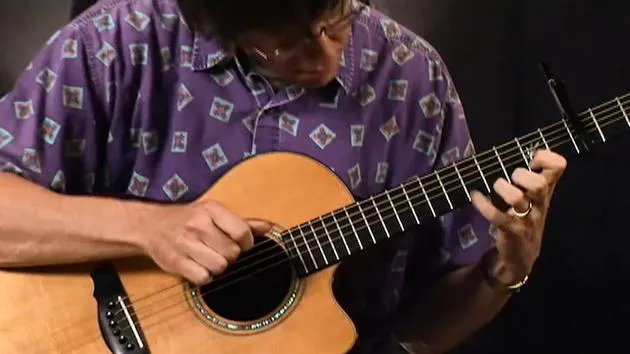
01. Dans A Sailheu - Tavarn - Danse des Deux Pommes Frites (interpretación)
Lección gratis5:10
02. Dans A Sailheu - Tavarn - Danse des Deux Pommes Frites (lección)
10:24
03. Little Beggar Man (interpretación)
1:54
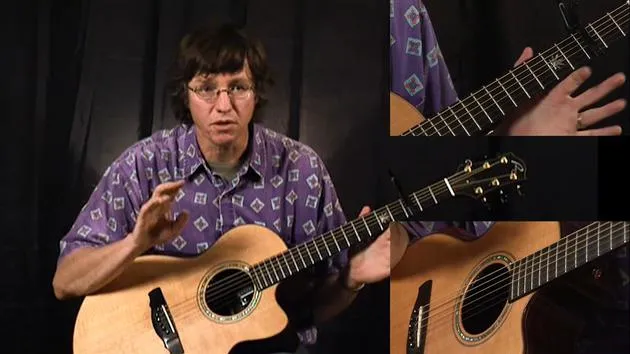
04. Little Beggar Man (lección)
8:24
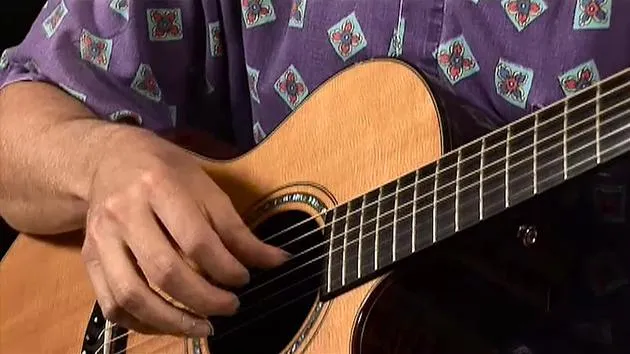
05. Loch Lomond (interpretación)
3:20
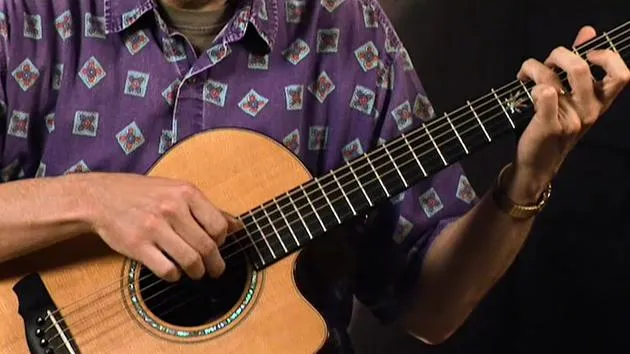
06. Planxty John Irwin (interpretación)
3:33
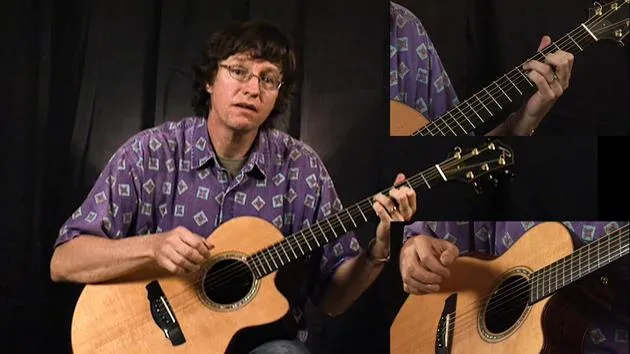
07. Planxty John Irwin (lección)
1:29
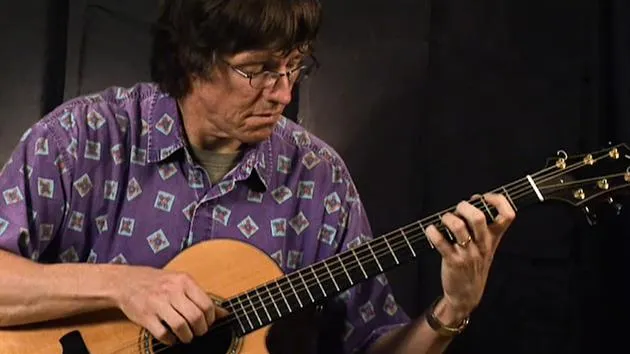
08. Cool A Jig - The Choice Wife (interpretación)
4:09
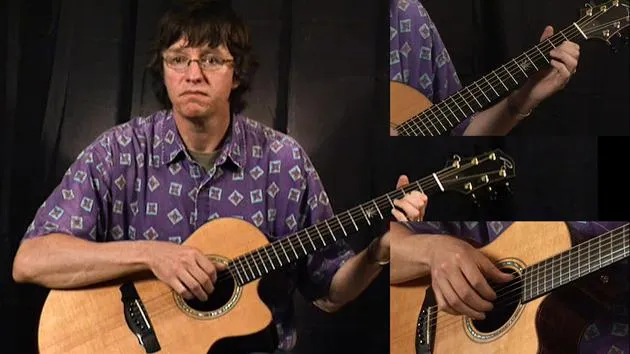
09. Cool A Jig - The Choice Wife (lección)
6:09
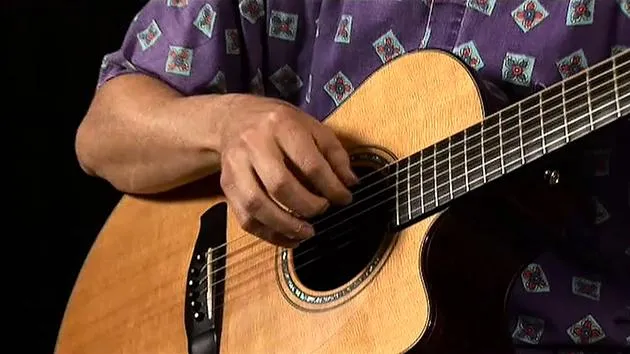
10. Neil Gow's Lament - Devil In The Kitchen - The Tushgar (interpretación)
6:24
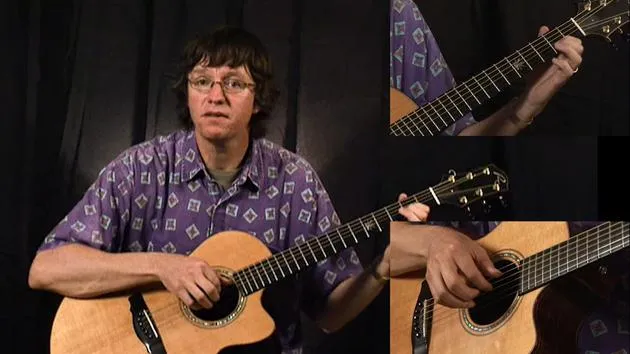
11. Neil Gow's Lament - Devil In The Kitchen - The Tushgar (lección)
Estás aquí11:08
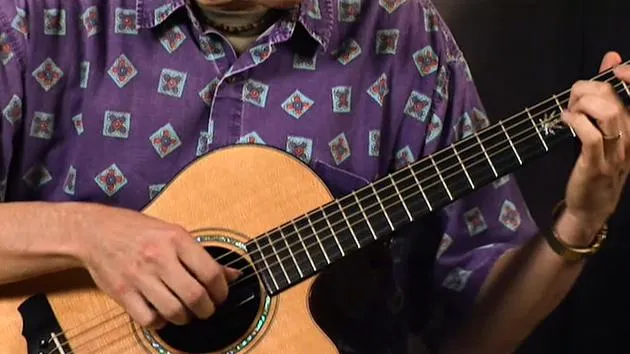
12. Paddy Fahy's Jig (interpretación)
2:40
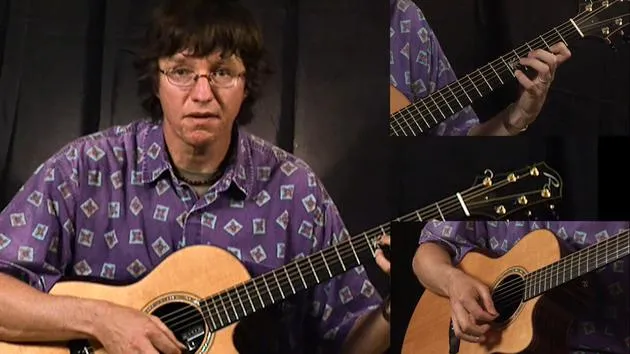
13. Afinación Orkney (lección)
4:43
Transcripción de la lección
Guitar Lesson: Right Hand Techniques
Okay. When I said I'd teach you what the right hand stuff in there was, what I meant was, I'll show you both hands. Because, of course, when you're playing guitar, both hands are really, really important.
Right Hand Techniques
Slow Air
- The right hand stuff wasn't hugely technical.
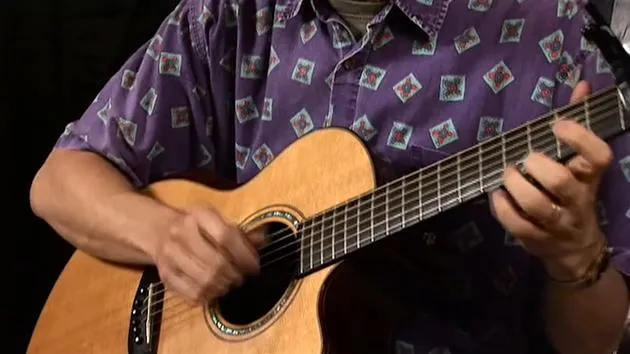
- I use the back of my index fingernail a lot because I like the tone it provides:
- It's brighter and sharper.
So, instead of just going straight with my index finger, I like to incorporate this technique.
"Just be mindful that you do have another side to your index fingernail, and it's really kind of fun to use it sometimes."
Neil Gau's Lament
Same thing as with that Planksti Irwin, that Celtic Hawaiian piece I played for you a while back:
- Ring Out: Everything is hugely important for keeping that ring out happening.
- The melody is 50% of the tune, the ring out and overall feel is the other 50%.
So, it's really important to realize that especially in a slow air, you can't just play the notes. You've got to play the ring out and milk it for everything you can.
Devil in the Kitchen
On the second tune, Devil in the Kitchen, I'm using a lot of the jig patterns that I showed you.
- One comment:
- There's a fun little left-hand riff that may seem fancy at first glance.
When you look at the left hand, you realize that I'm kind of cheating and there's nothing really to it.
- My right hand is just doing:
- (demonstrates right-hand motion)
Watch how it sounds when I do that left-hand thing. Same case on the B part, yet another example of us using left-hand fills that are hard to do just on the right hand.
The Tushkar
Now, let's talk about The Tushkar, a wonderful Scottish fiddle tune that's sort of one of the standards.
Ornaments
-
This piece has important ornaments, which are essential for most Celtic fiddle tunes played on the guitar.
-
You can't just play a fingerstyle guitar arrangement; it won't sound right.
- You need to approximate the fiddler's bowing hand.
"You wouldn't want to play the first part of The Tushkar with lots of slurs, it sounds kind of lame."
Basic Right Hand Pattern
Here's the basic pattern:
- It doesn't matter which fingers you use, but you should still bring your thumb all the way up to the second string because it's needed.
Basic Pattern Demonstration:
- (plays basic pattern slowly)
Now, let's apply that to our little Breton riff that we learned at the beginning of our time together.
Triplets and Ornaments
Triplet Techniques
- I used a lot of ornaments:
- The triplet (also called a roll) is this ornament right here:
Here's how I play it real slowly.
- Use your multi-angle now to isolate my right hand, because that's where the action is.
Basic Triplet:
-
(demonstrates the triplet)
-
I'm pinching strings 1 and 5, and then the ornament is middle, index, thumb.
Alternative Ways to Play
- Most people would probably play it using:
- Ring, middle, index.
"By the way, I have something on my index finger that helps with power, but it's not an endorsement of using picks."
Back to the Triplet:
- Here's how a lot of people would do it:
- (demonstrates ring, middle, index)
What will matter is that you should be willing to commit a lot of time to practice this.
Important Practice Riff:
- (provides tab details for practicing triplets)
Final Techniques
Passage in the B Part
There's a passage in the B part where I go:
- (demonstrates using index finger as flat pick)
Using my index finger like this is just faster and more ergonomic.
Upward Ornament
- For the upward ornament in the B part, I don't usually bring my thumb up:
- I typically use ring, middle, index.
The Teleflake Technique
One last comment:
I have a technique called Finger Locomotion Induced Channel Telekinesis, also known as the Teleflake.
- This technique requires a lot of energy work and is typically used at the end of a piece to impress an audience:
- Assume I'm coming to my final note.
- Your multi-angle focused on my right hand will show that I'm channeling energy from this part of my hand all the way down to a specific string.
"It's really cool. Audiences like it. It's a tantric secret, don't tell anyone I told you this, but use it often."
13 lecciones
1h 9m de lecciones en vídeo estructuradas
Funciones de vídeo avanzadas
Ralentiza, repite un pasaje, sigue la partitura
Móvil, tablet y ordenador
Practica donde quieras
Garantía de satisfacción 100%
30 días de garantía de devolución
Conoce a tu gurú
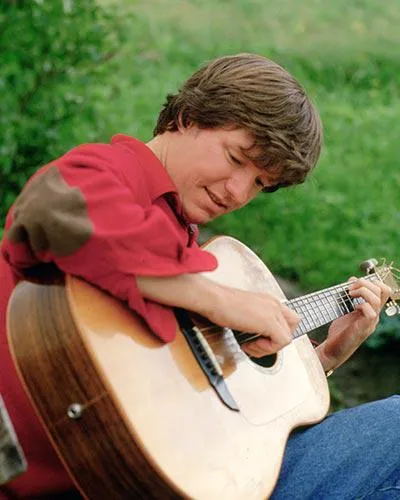
Conoce a tu gurú
Steve Baughman es uno de los verdaderos originales de la guitarra fingerstyle, un intérprete cuyo trabajo acústico de raíces celtas y afinaciones abiertas ha cosechado el aplauso de la crítica a ambos lados del Atlántico.
'De vez en cuando aparece un álbum capaz de cambiar tu forma de entender la música de guitarra; Farewell to Orkney de Steve Baughman es uno de ellos... Imprescindible para todos los amantes de la guitarra y, en especial, de la música celta.'
--Acoustic Guitar Magazine
'Una estrella de la guitarra fingerstyle: muy hábil, reflexivo, discretamente audaz, profundamente lírico y juguetón.'
--Radio National, Australia
'El arte y la musicalidad de Steve son de clase mundial, con una dinámica, un timing y una interpretación que siempre hacen aflorar la esencia emocional de la canción.'
--Sing Out Magazine
'...innovación técnica, virtuosismo e intensidad.'
--Acoustic Guitar Magazine
'Un virtuosismo increíble... pone de relieve la belleza serena de la guitarra acústica de afinación abierta.'
--Marin Independent Journal (Lástima que no sea el Washington Post. Pero me conformo.)
Su álbum Farewell to Orkney figuró entre los 'Mejores álbumes de 2013' de Acoustic Guitar Magazine.
Y luego está el reconocimiento que Steve no acaba de tomarse en serio. Está en la lista de Digital Dream Door de los 100 mejores guitarristas de fingerstyle de todos los tiempos, que incluye a algunos ya fallecidos. 'Antes ponía esto en mi material de prensa. Pero luego pensé que era solo la opinión aislada de algún tío o tía en algún rincón del ciberespacio. Cualquiera puede hacer una lista. Además, ¿cuántos guitarristas de fingerstyle puede haber, al fin y al cabo? Debe de ser difícil no entrar en el top 100. Sospecho que los puestos del 81 al 100 son todos nombres inventados. Mientras hayas sacado un CD de guitarra, estás en el top 80. Creo que yo era el 77. A lo mejor ahora me borran de la lista por haber dicho todo esto. Pero agradezco la pasión de quienquiera que la elaborara. Gracias por incluirme; impresionó a mi madre. Puede que ya no lo haga.'
En Celtic Guitar Solos, Tunes & Techniques, Steve comparte las afinaciones abiertas y los enfoques de fingerstyle que hay detrás de ese sonido, para que puedas tocarlo tú mismo.







