



Cómo enfocar y afinar nuestra técnica de bending
Con
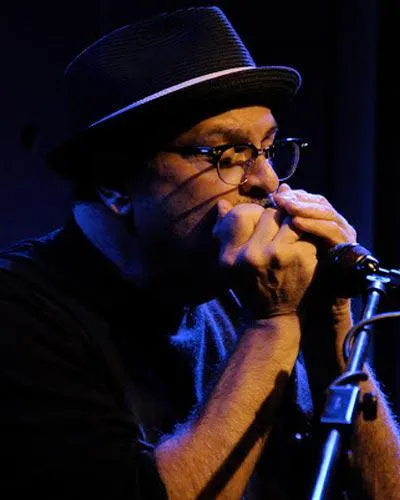
PT Gazell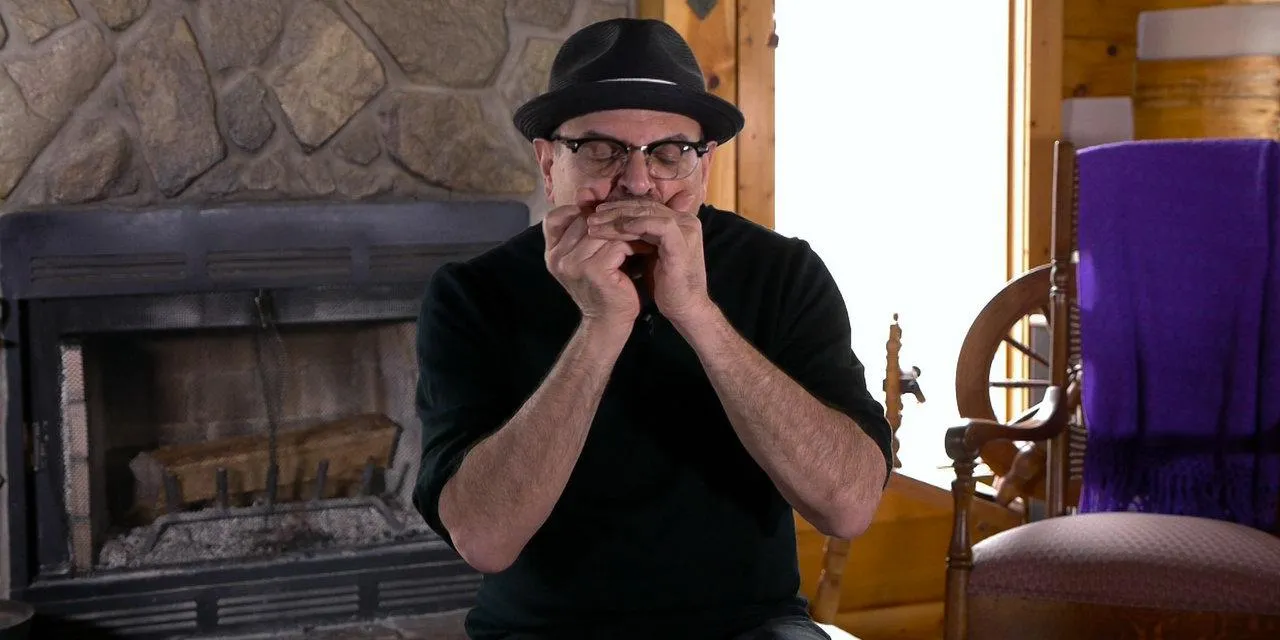
Qué incluye el curso
10 lecciones (0h 50m) · 1 gratis
01. Cómo enfocar y afinar nuestra técnica de bending
Estás aquí5:35
02. Entender los bends con válvula
Lección gratis4:59
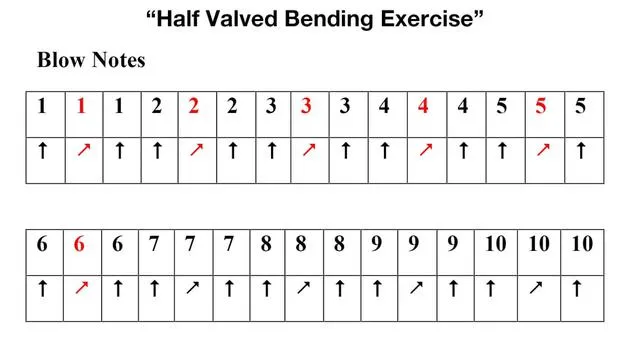
03. Otro ejercicio de bending con media válvula
5:09
04. 3 ejercicios de bending con válvula
4:45
05. Usar bends con y sin pistones para explorar todo el instrumento
3:54
06. Usar un valve blow bend dentro de una melodía (My Romance)
6:05
07. Aprovechar la emoción extra que aporta el método Gazell
6:59
08. La menor en 5ª posición como alternativa a la menor en 3ª posición
5:07
09. Aprende el tema de la canción “Sugar” en 5.ª posición menor
3:40
10. Aprender un solo para “Sugar” y cómo tocar la canción completa
4:11
Transcripción de la lección
Welcome to the Course
Hi, everybody. Welcome to this course! I'm here at my place in Nashville, Tennessee, and I've got the guys from Music Gurus here. We're going to talk about different ways to improve your playing using the Gazelle Method and the half-valved harmonica.
As you've already seen, you'll need an A flat Gazelle Method half-valved harmonica to do this lesson properly , or the course, actually.
Lesson 1: Refining Your Bending Technique
Important Basics
Before we dive into the technical aspects, let's review a couple of important points:
-
Grip on the Harmonica:
- Ensure that your grip does not impede your ability to get a good seal and mouth position on the instrument.
- Make sure your finger is not in the way and that you can get your mouth about halfway into the COVID plates.
- This will provide you with a good seal and make it easier to achieve good tone and clean single notes.
-
Mouth Position:
- Follow the above steps to ensure you have access to the harmonica.
Understanding Valve Bending
What I like to say about valve bending is that it somewhat emulates blow bending at the top of the harmonica. Here's a breakdown of some key differences:
- Blow Bends vs. Draw Bends:
- Blow bending happens at the top of the harmonica and differs from draw bends, which occur at the bottom end.
- Draw bends take place a little further back in our mouth cavity, while blow bends occur more forward.
The Garden Hose Analogy
Here's an analogy to help illustrate this concept:
- Imagine a garden hose:
- When water flows out without a nozzle or sprayer attached, it comes out in a big, lazy stream and hits the ground.
- By placing your thumb over the end of the hose, you restrict the flow, causing the water to shoot further.
This is analogous to playing blow bends at the top of the harmonica. It requires:
- A tighter embouchure
- A more focused and direct airstream
Focused Airstream
Now, I'm not specifically saying you need to play harder. Rather than a loose approach, think of it like this:
- Instead of a soft, lazy stream, aim for a concentrated and harder stream to hold those short reeds in a bent mode.
Bending on Holes 8, 9, and 10
Here's how it looks when I play holes 8, 9, and 10 bending on your A flat harmonica:
- When I perform this again from a side view, notice that my lips move forward, creating a very constricted, precise, and focused airstream.
Conclusion
Valve bending emulates this process. Instead of applying normal draw bends or using what we think is that technique at the bottom, we need to emulate blow bends from the top.
That's what's going to help us control single reed valved bends.
I'll see you in the next lesson!
10 lecciones
0h 50m de lecciones en vídeo estructuradas
Funciones de vídeo avanzadas
Ralentiza, repite un pasaje, sigue la partitura
Móvil, tablet y ordenador
Practica donde quieras
Garantía de satisfacción 100%
30 días de garantía de devolución
Conoce a tu gurú
Conoce a tu gurú
PT Gazell se ha ganado su posición como maestro de la armónica diatónica. Tras años como codiciado músico de acompañamiento y de sesión para algunos de los más grandes de Nashville, PT descubrió el half-valving y su música literalmente alcanzó nuevas cotas.
Ningún otro intérprete combina su fraseo, su estilo melódico, su elección de temas y sus habilidades de improvisación como él lo hace: en definitiva, es un estilo completamente suyo. Usando su propio instrumento signature, la diatónica Gazell Method fabricada por Seydel, PT demuestra que la armónica es capaz de mucho más de lo que la mayoría creemos.
¡Disfrútalo!
En sus cursos, PT enseña el half-valving directamente desde la fuente, para que puedas empezar con el Gazell Method, dominar los bends valvulados e incorporarlos a tus propias canciones.







