



El sonido completo (el miembro invisible del grupo)
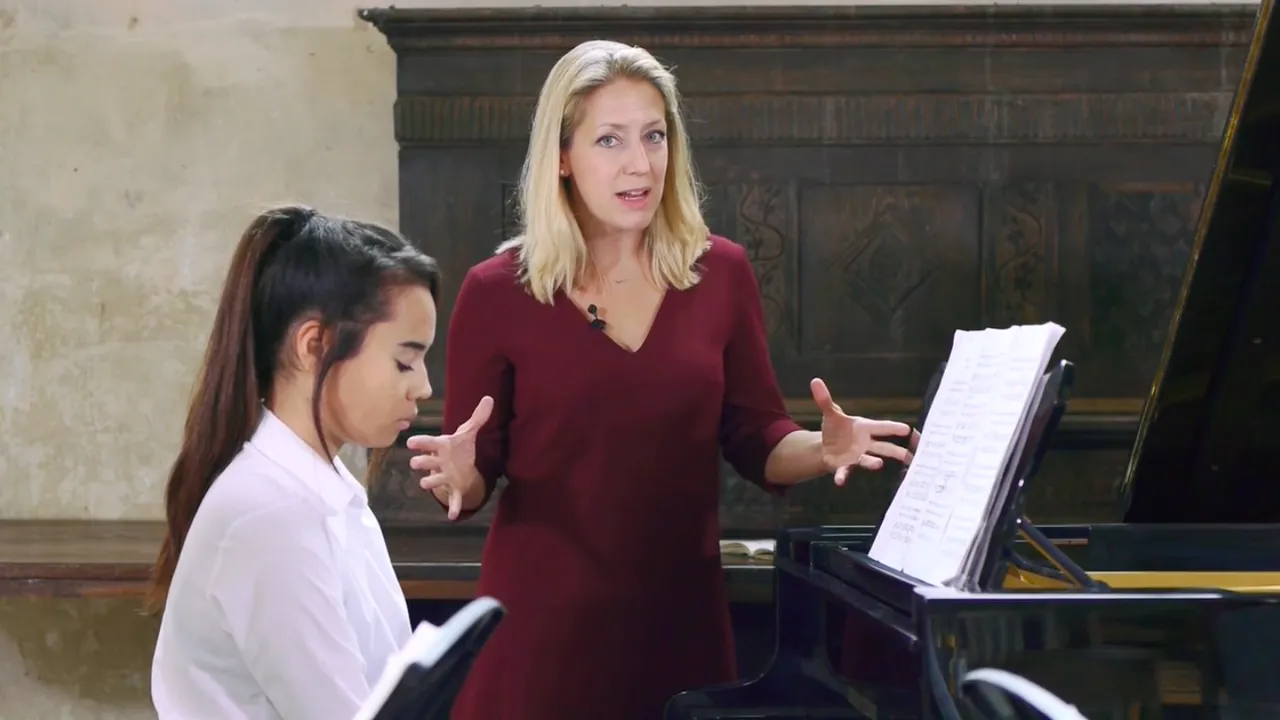
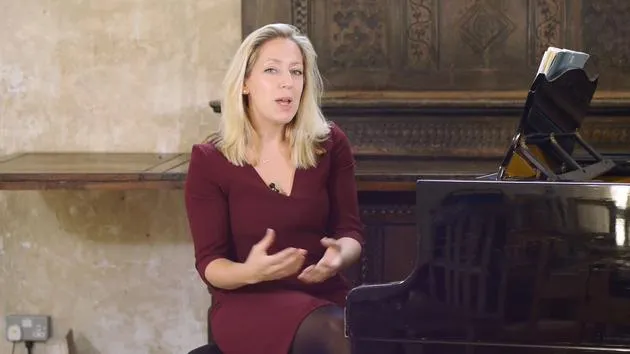
Annabel explica cómo lograr que el conjunto suene como un todo, un sonido completo.
Qué incluye el curso
8 lecciones (0h 25m) · 1 gratis
01. Presentación de Annabel y desarrollo de un grupo de cámara ya formado
Lección gratis1:45
02. El sonido completo (el miembro invisible del grupo)
Estás aquí3:28
03. Lenguaje corporal
3:44
04. La importancia de la respiración
3:28
05. ¡Sigue al líder! Un juego divertido
4:00
06. Estudiar la partitura
4:05
07. Una conversación musical y la ley de Pareto
2:44
08. Más allá de la sala de ensayo
2:14
Transcripción de la lección
Understanding the Piano Trio
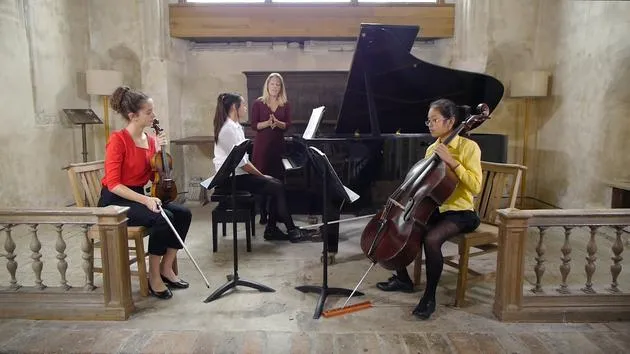
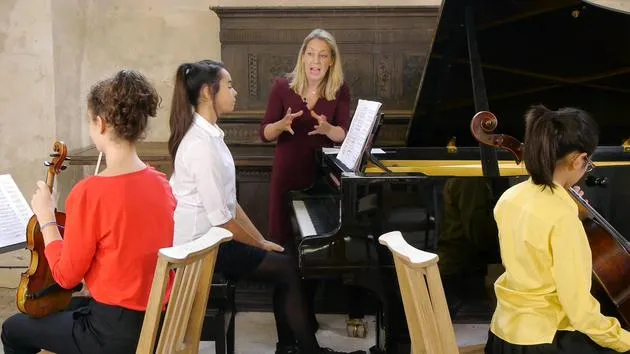
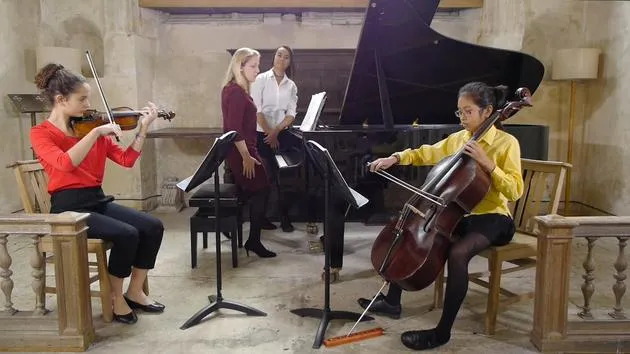
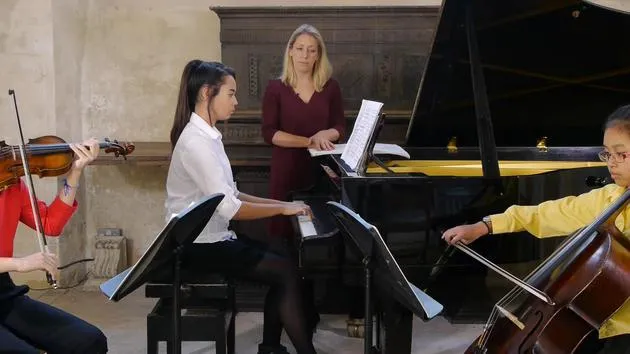
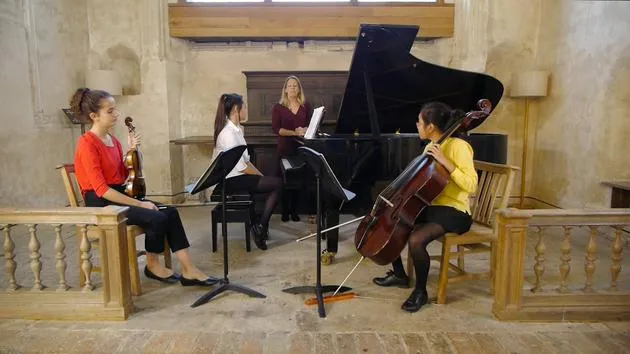
So here we have a piano trio, and these three musicians have come together. It might be their very first meeting, or in the case of other examples, they might have been playing together for 10 weeks or 12 weeks. It doesn't matter; it will be a different experience each time.
The Invisible Member
As a teacher, I think it's very important to explain about an invisible member, because each person will have been practicing their own part. In this case, it's Beethoven's Piano Trio, Opus 1, Number 3 in C minor, and they will have been taking their own responsibility for their music.
-
The cellist and violinist might have been playing in an orchestra recently and are used to working with a conductor, who takes the responsibility of the music and inspires the players.
-
However, as chamber musicians, they are coming together to collaborate ideas, mixing in a palette of colors.
Mixing Musical Ideas
It's like you're mixing in a palette of colors, putting in:
- Reds
- Greens
- Yellows
This creates a magical kaleidoscope of colors. They will be mixing emotions and will have different ideas about pulse.
In fact, the sum of all the parts together will be greater, creating almost a phenomenon with an extra member and the blend of sound.
A Quick Rehearsal
So we're going to go from the beginning; we're just going to hear a little bit to see how it feels when we come together.
"So lovely, thank you."
Historical Insight
It's interesting to note that very early on, when the Piano Trio was first written, it was actually seen by a lot of composers as a piano quartet. Beethoven is a very good example, because we've actually got two hands: the right hand and the left hand, which is almost like having two members there.
Even though these musicians may have met before, when they come together, they need to be aware of the left hand playing with the cello and sometimes with the violin, and crossing over.
"So very well done."
8 lecciones
0h 25m de lecciones en vídeo estructuradas
Funciones de vídeo avanzadas
Ralentiza, repite un pasaje, sigue la partitura
Móvil, tablet y ordenador
Practica donde quieras
Garantía de satisfacción 100%
30 días de garantía de devolución
Conoce a tu gurú
Conoce a tu gurú
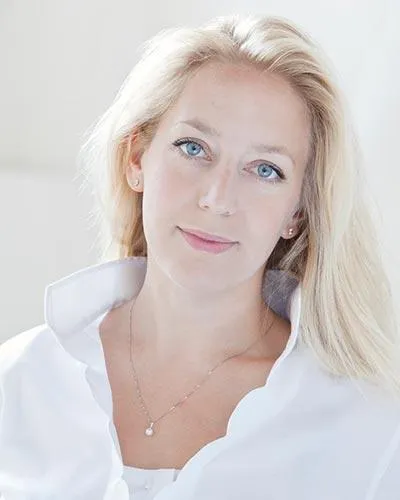
Reconocida como una de las pianistas más versátiles y carismáticas de Gran Bretaña, Annabel Thwaite disfruta de una carrera diversa como solista, música de cámara, artista de grabación, docente y examinadora, y ha ganado todos los principales premios de acompañamiento, incluidos los prestigiosos Kathleen Ferrier, Gold Medal y Richard Tauber Piano Prizes. Ha colaborado con artistas de renombre como Roberto Alagna, Bryn Terfel, David Kempster y "Only Men Aloud!"
Annabel ha grabado para Universal records con el "Scottish Tenor", cuyo álbum fue nominado a un Classical Brit Award y suena con regularidad en Classic FM. Dos veces acompañante del Festival of Welsh Male choirs, sus actuaciones en el Royal Albert Hall fueron grabadas por Sain y emitidas en S4C. También es pianista de sesión de cine, habiendo grabado en Abbey Road la música de la película "Awake", la serie de la BBC sobre Jane Austen "Emma", "The Secret Diaries of Miss Anne Lister" y, más recientemente, ha aparecido tanto en Blue Peter como en "The Rob Brydon Show".
"...sin duda ayudada por los acompañamientos de piano evidentemente brillantes de Annabel Thwaite... sumamente disfrutable."
En sus cursos de MusicGurus —Learn Christmas Classics on Piano, Learn Classical Favourites on Piano y Growing Chamber Groups and Small Ensembles— Annabel comparte la musicalidad que hay detrás de esa carrera versátil. Aprenderás a dar vida al piano a piezas navideñas y clásicas muy queridas, a desarrollar tu toque y tu fraseo y, apoyándote en su experiencia premiada como acompañante, a descubrir cómo escuchar, liderar y tocar en conjunto al hacer música con otros músicos en grupos de cámara y pequeños conjuntos.







