



Circus Experience, Joe Bennett (Lektion)
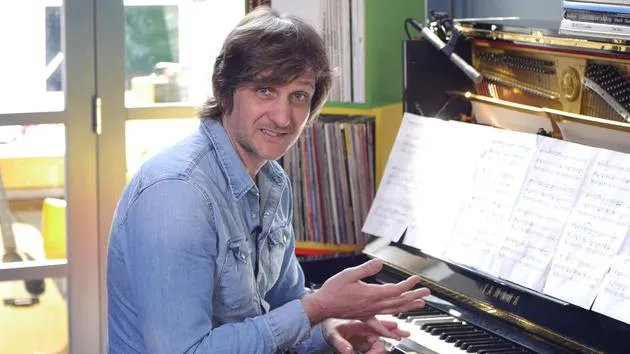
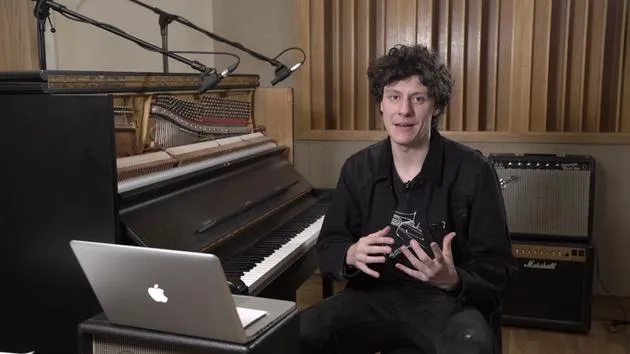
James Beckwith geht Joe Bennetts Grade-4-Stück 'Circus Experience' durch, eine von Hendrix inspirierte Nummer aus offenen Oktaven, zarten Dreiklängen und viel Haltepedal.

Das steckt im Kurs
29 Lektionen (2h 21m) · 1 gratis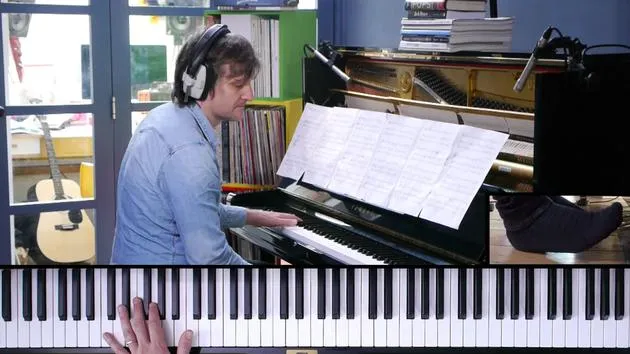
01. Hallelujah I Love Her So, Ray Charles (Interpretation)
Gratis-Lektion2:39
02. I See Fire, Ed Sheeran (Performance)
2:40
03. Your Song, Ellie Goulding (Interpretation)
3:35
04. Funkometer, Kit Morgan (Performance)
2:21
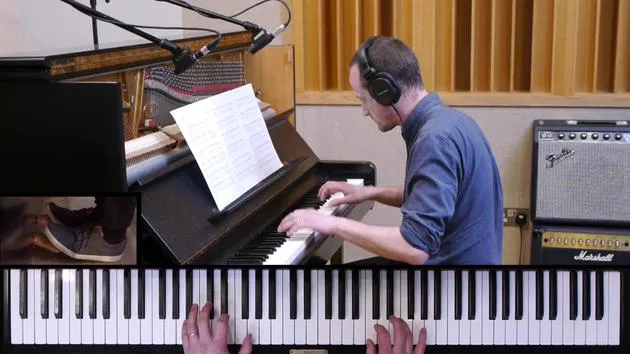
05. Crop Duster, Kit Morgan (Aufführung)
2:10
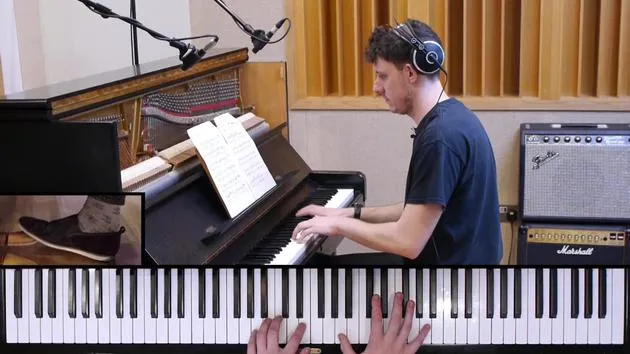
06. Circus Experience, Joe Bennett (Vortrag)
2:19
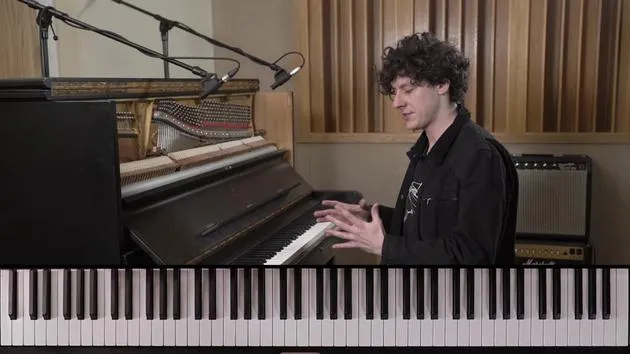
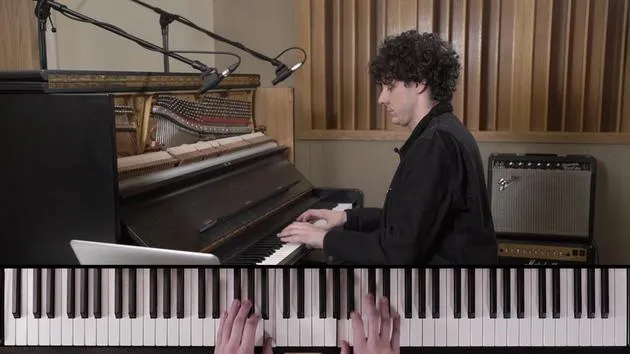
Transkript der Lektion
Music Lesson: Breaking Down "Circus Experience"
Hey, this is James. Today, we're going to break down the Grade Four Rock School piece called Circus Experience.
Inspiration from Jimi Hendrix
This piece is really inspired by Jimi Hendrix. There are many bits of this piece that you may already recognize from his tunes if you're familiar with them. If not, check him out for inspiration! While he isn't a piano player, he is a guitar player, and the sound world is essentially the same.
- Recommended Tunes:
- Little Wing
- All Along the Watchtower
Overview of the Piece
Let's take a look at the actual piece.
-
Opening:
- We start off with nice, open octaves and triads in the left hand, playing quite delicately.
- This delicate approach applies throughout most of the piece.
- We're using quite a lot of sustain pedal and a fairly light touch, thinking about mp (mezzo-piano) and mf (mezzo-forte).
-
B Section (Chorus):
- As we reach the B section, we'll really kick it up a notch.
Expressive Playing
At the start, I suggest looking at this piece gently. It's quite expressive due to its slow tempo and lack of tricky runs.
- Tips for Expressivity:
- Take your time between notes to really think about how expressive you want to be.
- For example, in Bar 3, during the descending semiquaver line at the end in B4, try making it more expressive.
I recommend playing through this piece several times in different styles to find what suits you best. Keep it laid back, especially in the A section, while aiming for a highly individual way of expressive playing.
Sections of the Piece
There are basically three different sections of this piece:
- Intro Section
- Verse (A Section)
- Chorus (B Section)
- Final Verse/Outro (C Section)
Even though the tempo is slow, be careful not to rush, especially during the quaver lines in C, where it can be easy to go dumb, dumb, dumb, dumb.
The Bridge
The B section actually starts at Bar 14, not 17 as indicated in the music. Here we want to take it up:
- From Bar 17, we become more expressive.
- The left hand plays chords that feel like they belong to the melody of the right hand, almost like harmony.
If you listen to Little Wing by Jimi Hendrix, you'll recognize these chords.
Fingering Tips
There's no strict fingering for this section, but I suggest using:
- Fifth finger on the top
- Third and second fingers for the rest of the lower part of the chord
Ad Libbing
The melody in the B section is trickier than the earlier part of the piece. You can ad-lib a bit here, but if you're preparing for an exam, it's best to play what's written on the page.
Play safe in the exam, but when practicing, feel free to explore:
- For example:
- Bar 16 features demi-semiquavers.
- Bar 19 may look tricky, but it follows a comfortable pattern.
Dynamics and Pedaling
From the end of C, this piece is fairly straightforward.
-
After the B section where we come in a bit bigger, I like to come right down at C, creating a tender moment after the solo and chorus. Here's what to focus on:
-
Dynamics:
- Start with piano (P) or mezzo-piano (mp) and towards the end, build a little towards bars 29 and 30.
-
Pedal Use:
- Use the pedal throughout the piece, but be cautious during harmonic changes.
- In Bar 14, when playing descending chromatic chords, lift the pedal to avoid a muddy sound.
Additional Tips
- Watch out for dynamics! There are distinct quiet sections at the beginning and end versus a louder middle section.
- Listen to Jimi Hendrix, his music captures the vibe you're aiming for.
- If you're struggling with tempo, try doubling the pulse (quavers) to make it easier to follow.
Conclusion
This is a great piece to work on, and I hope you enjoy it! Good luck, and remember to keep playing with expressivity and intention.
29 Lektionen
2 Std. 21 Min. strukturierte Videolektionen
Erweiterte Videofunktionen
Verlangsamen, Passagen loopen, mitlesen
Handy, Tablet & Desktop
Üben, wo du willst
100 % Zufriedenheitsgarantie
30 Tage Geld-zurück-Garantie







