



Tiberius
Charlie Griffiths analysiert das Grade-5-Stück "Tiberius", ein Thrash-Metal-Workout der 80er voller schwerer Downpicking-Riffs im Stil von Metallica und Megadeth.
Das steckt im Kurs
43 Lektionen (3h 34m) · 1 gratis
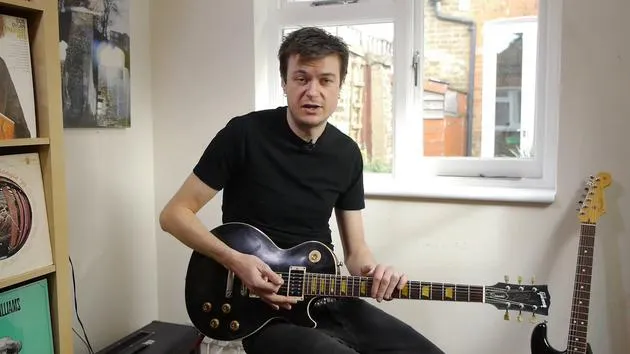
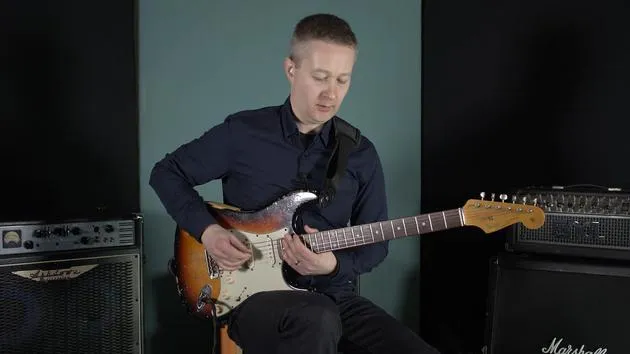
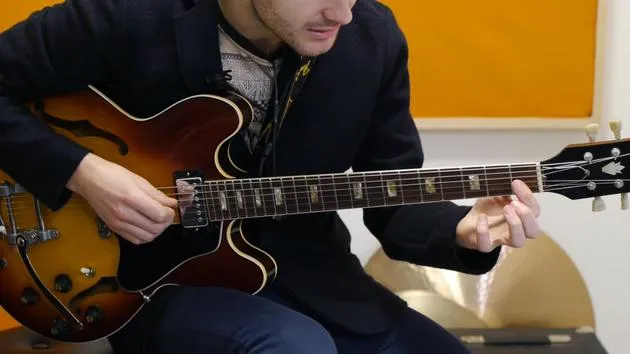
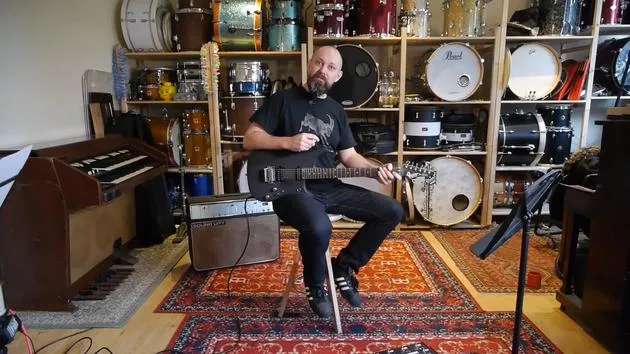
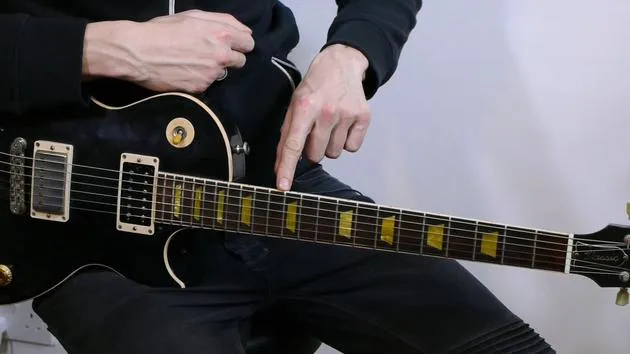
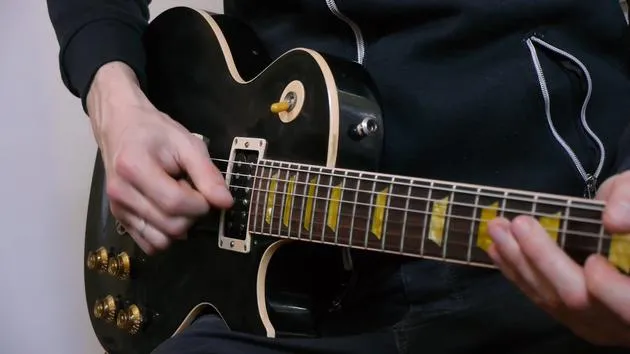
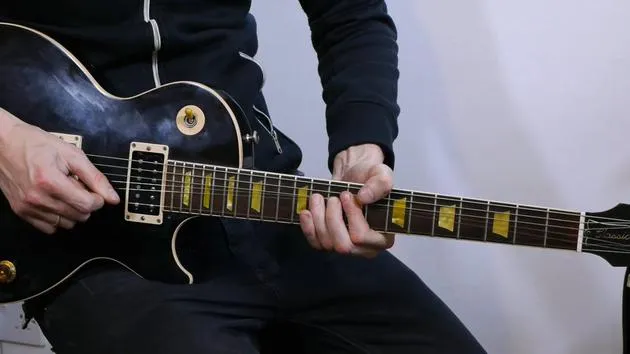
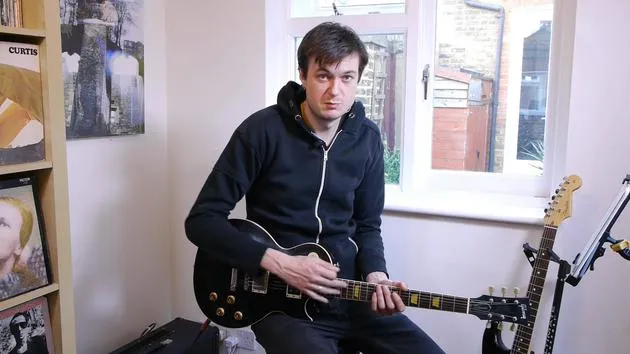
Transkript der Lektion
Music Lesson: Tiberius
Introduction to the Track
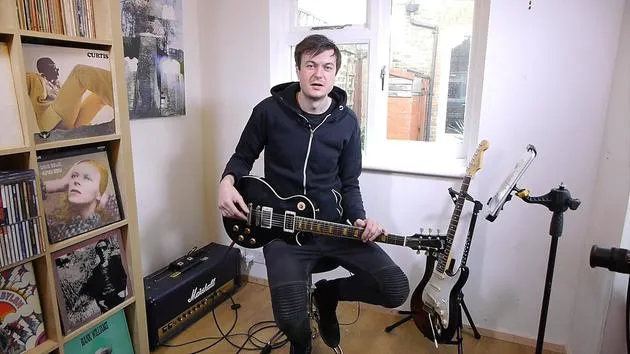
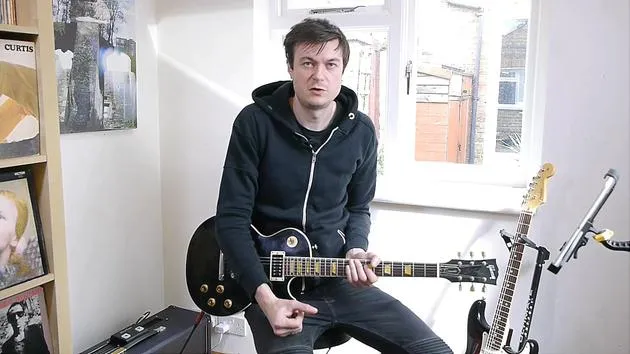
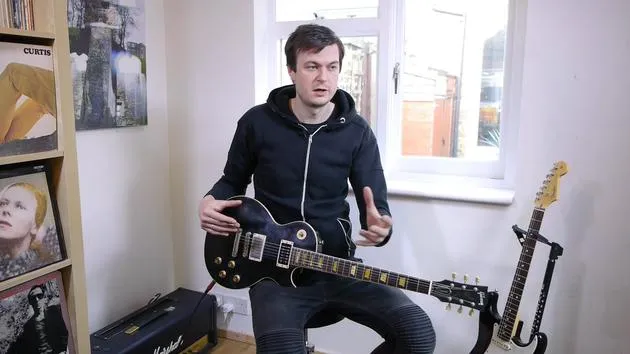
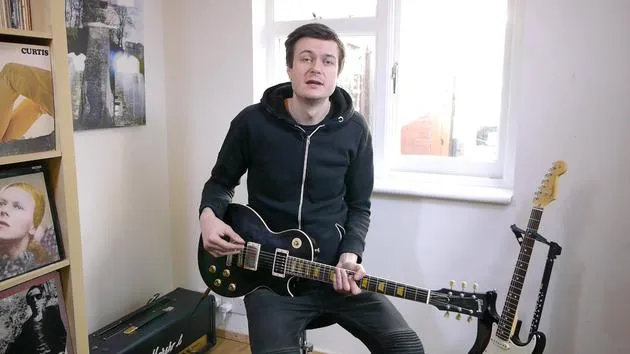
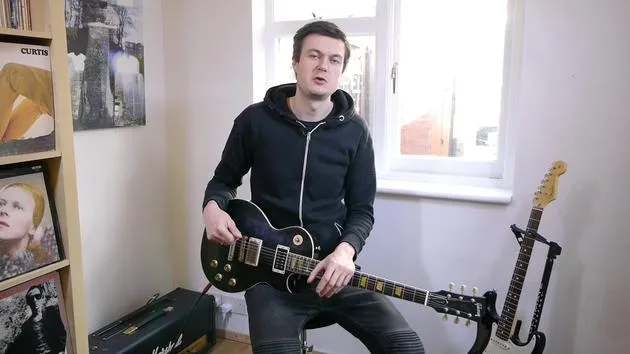
So this track, Tiberius, is in the style of the 80s classic thrash metal bands like Metallica, Megadeth, Anthrax, or Slayer.
It's really good fun to play this kind of stuff because there's a lot of energy involved, especially with the heavy downpicked riffs, which carry a lot of power. It's enjoyable to use the guitar in that kind of aggressive way.
Intro Section
The intro starts with a clean guitar part, reminiscent of classic Metallica songs like "Welcome Home Sanitarium" or "Fade to Black."
Playing the Intro:
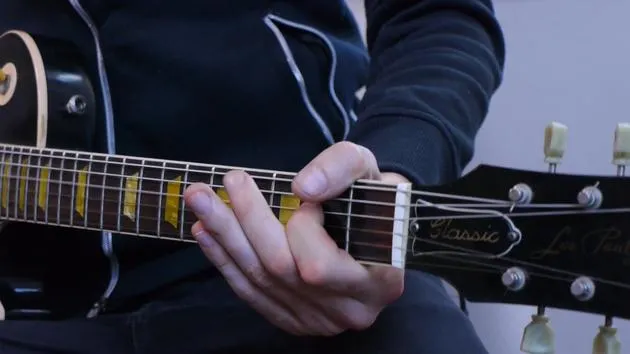
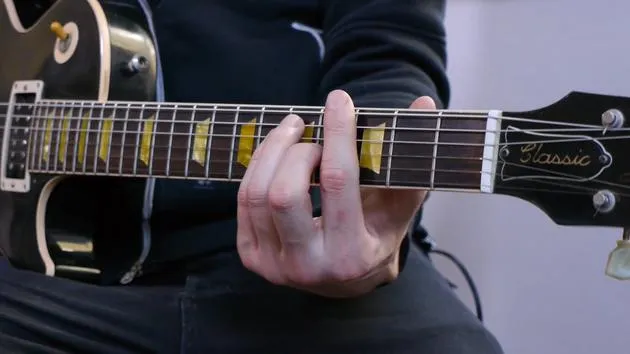
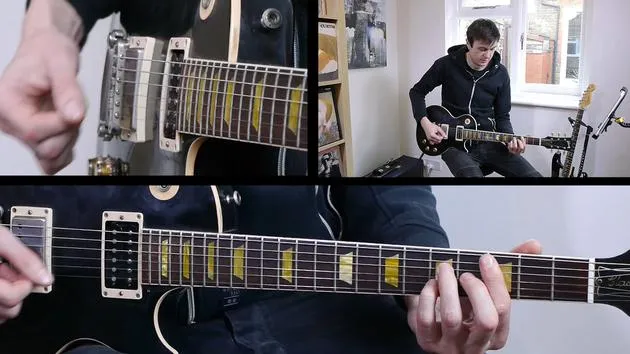
- First Chord: E minor
- Hold the chord shape and pick:
- E string
- A string
- D string with a hammer-on
- G string back to D string
- Hold the chord shape and pick:
This approach creates a more creative use of an open chord rather than simply strumming it.
-
Transitioning to D:
- Use a power chord with an added open string.
-
Transitioning to C:
- Again, use a power chord with the added open G string.
The progression is quite simple: E minor, D, C. However, by utilizing open strings, hammer-ons, and picking techniques, we can create something more interesting.
B Section: The Riff Transition
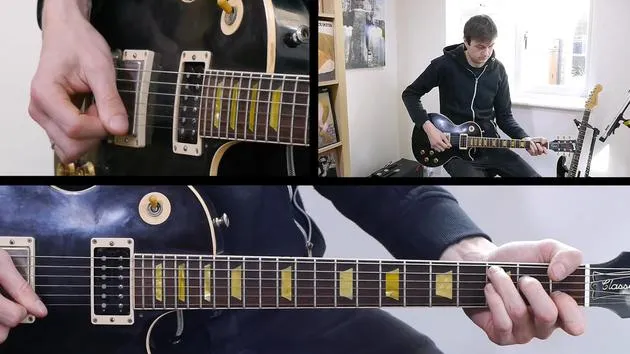
For the B section, we change from the clean sound to a distorted sound. This is a simple riff consisting of four notes:
- G, E, D, and then the low E.
Techniques to Enhance the Riff:
-
First G Note:
- Use a quarter tone bend (or a blues curl).
-
Open E:
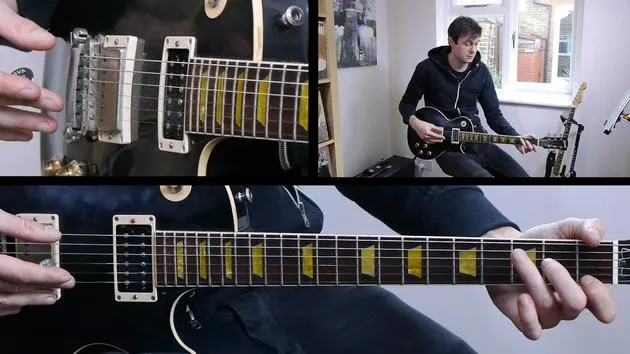
- Implement palm muting by resting the side of your picking hand against the low E string to create a percussive sound.
This combination of sustaining notes and palm-muted notes makes the riff sound more interesting.
Structure Reminder:
- Repeat the riff three times, then add a little tag at the end.
- Watch out for the 2/4 bar: The first three bars are in 4/4, followed by one 2, one.
D Section: The Solo
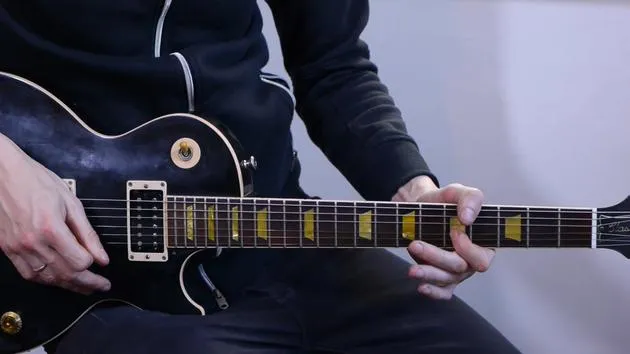
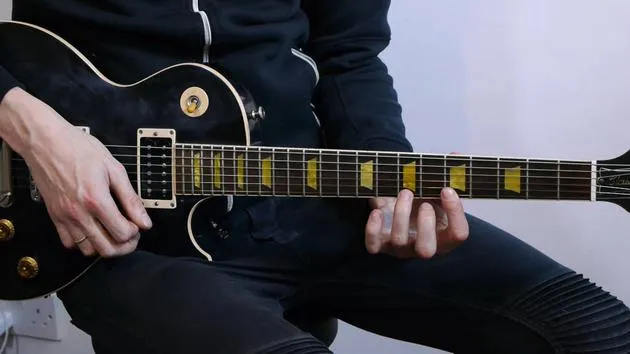
The D section is the solo section. A good scale to use is the E minor pentatonic, starting on the 12th fret with your first finger:
Playing the E Minor Pentatonic:
- You can play in the style of Kirk Hammett from Metallica, who is known for his blues-inspired playing.
To add attitude, incorporate aggressive vibrato:
- Instead of just bending the note, add a wide vibrato, bending up and down roughly a tone wide.
Additionally, you can enrich the minor pentatonic by adding a ninth interval (in this case, F#).
E Section: New Riff
After the solo, we have the E section, featuring a new riff inspired by James Hetfield of Metallica, noted as one of the greatest metal rhythm guitar players.
Playing the E Section:
-
Use Downstrokes:
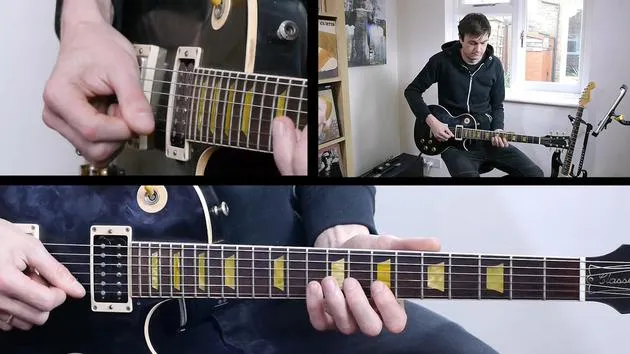
- Consistently play downstrokes to create a stronger percussive sound with 16th notes on the low E string.
-
Practice Technique:
- It's crucial to stay relaxed throughout this exercise:
- The wrist should provide the movement, not the elbow or fingers.
- Think of the motion as turning a key in a lock.
- It's crucial to stay relaxed throughout this exercise:
Start slowly, gradually building up speed while remaining relaxed.
F Section: Outro
Finally, we have the F section, which is the outro.
Combining Techniques:
- Use palm-muted power chords on the low E power chord, followed by more sustaining chords up at the seventh fret.
-
E Power Chord
-
C Major Chord (First Inversion)
- This shape keeps the first finger where it is while adding the fourth finger to the tenth fret.
-
E Diminished Sound:
- You can achieve significant harmonic variation using just two notes.
Final Thoughts:
When using a distorted sound, it's beneficial to simplify your chords to avoid a muddy mix.
That's the track, Tiberius! It's a lot of fun to play, so keep practicing with a metronome. If you have any questions, feel free to ask your teacher!
43 Lektionen
3 Std. 34 Min. strukturierte Videolektionen
Erweiterte Videofunktionen
Verlangsamen, Passagen loopen, mitlesen
Handy, Tablet & Desktop
Üben, wo du willst
100 % Zufriedenheitsgarantie
30 Tage Geld-zurück-Garantie







