



Dritter Groove - New Orleans
Mit
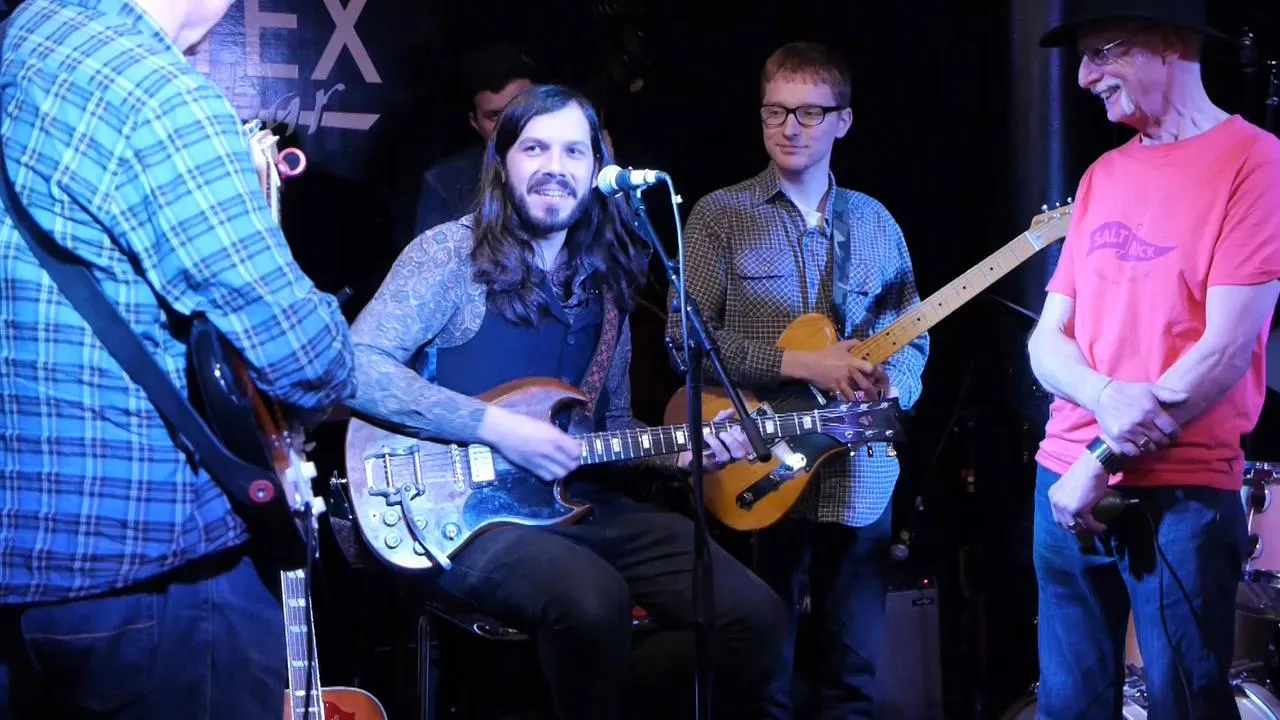
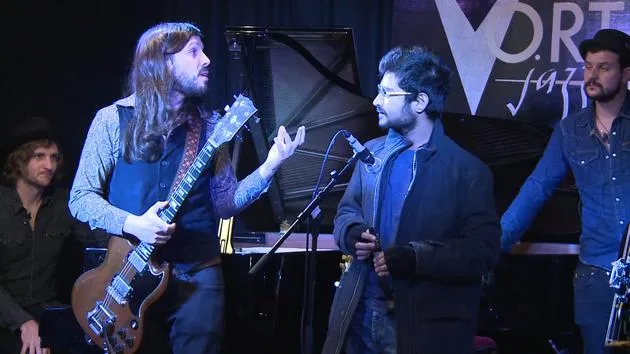
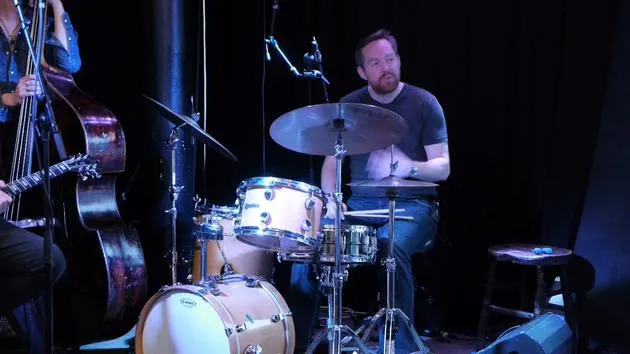
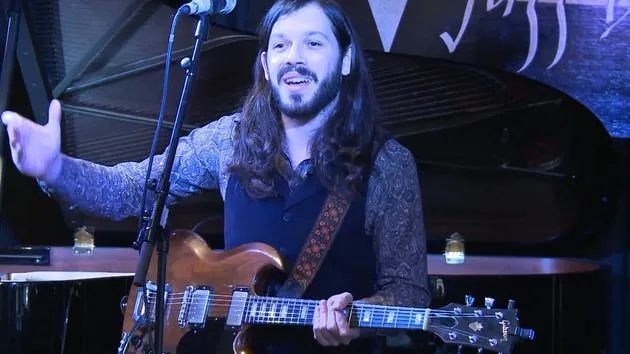
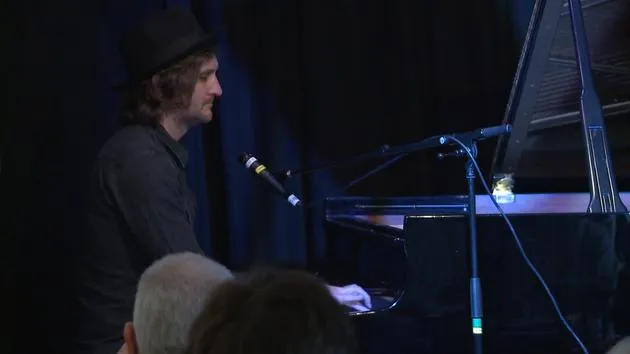
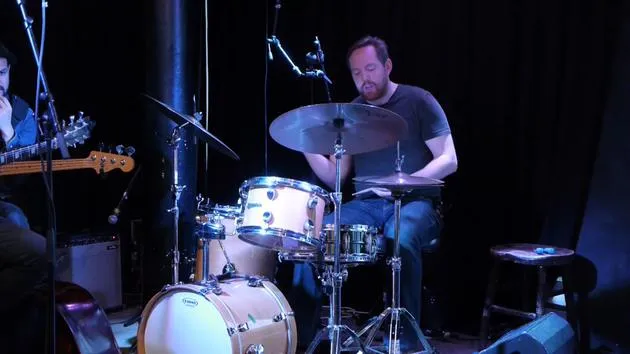
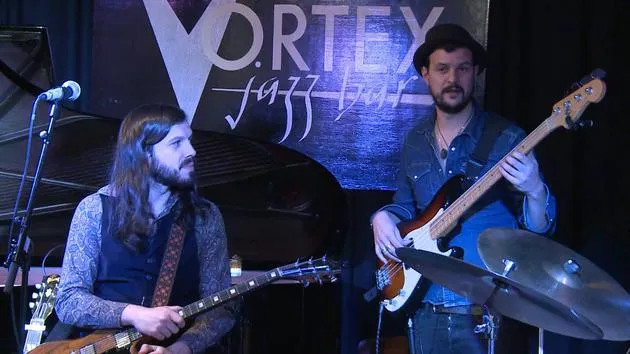
Paddy MilnerDie Band spielt „Big Chief“, den New-Orleans-Klassiker von Professor Longhair, während Pat eine Diskussion über den charakteristischen New-Orleans-Rhythmus und das Feeling leitet - ganz anders als der 12/8-Shuffle aus früheren Lektionen.
Das steckt im Kurs
16 Lektionen (2h 45m) · 1 gratis
01. Aufführung von Tom Waits - Way Down In The Hole
3:33

02. Erste Band - Interpretation
6:38
03. Erste Band - Analyse
17:28
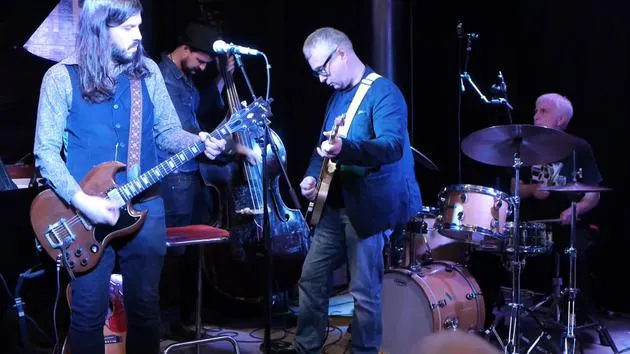
04. Zweite Band - Aufführung
3:27
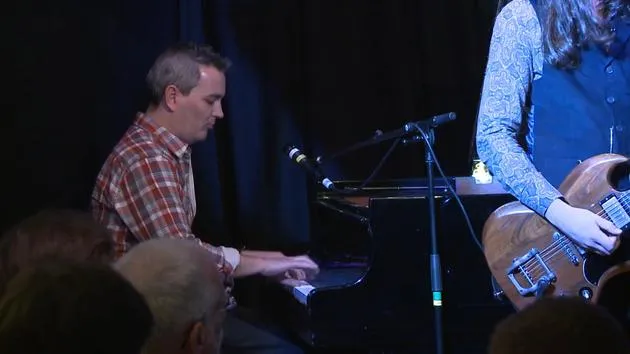
05. Zweite Band - Analyse
13:09
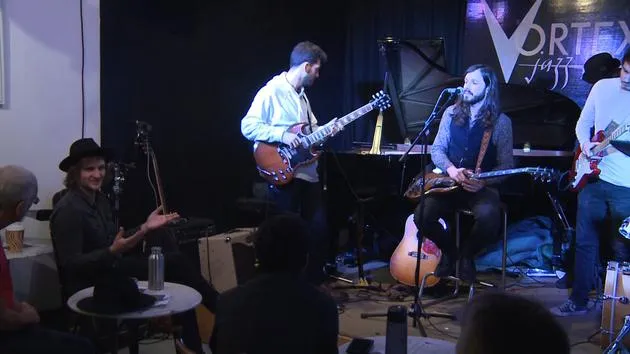
06. Dritte Band - Performance
7:28
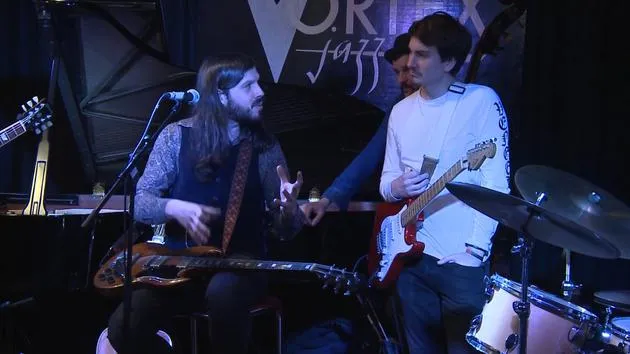
07. Dritte Band - Analyse
6:27
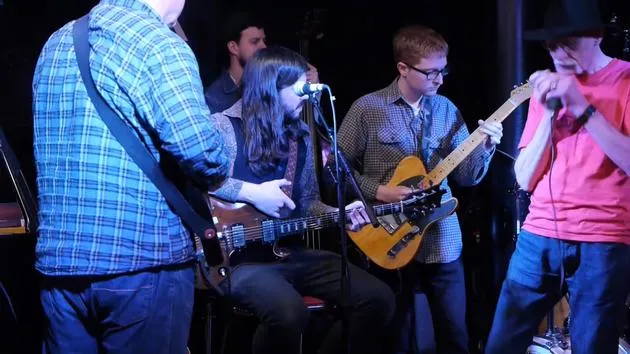
08. Vierte Band - Auftritt
4:37
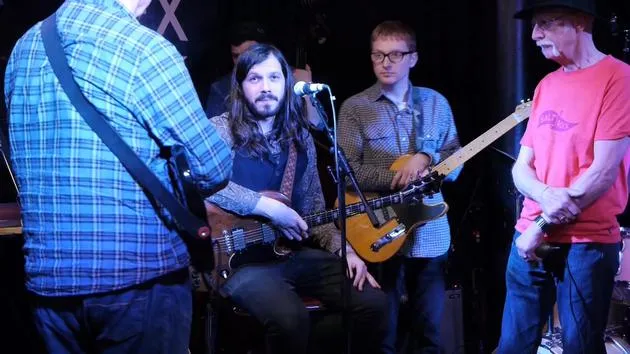
09. Vierte Band - Analyse
4:24
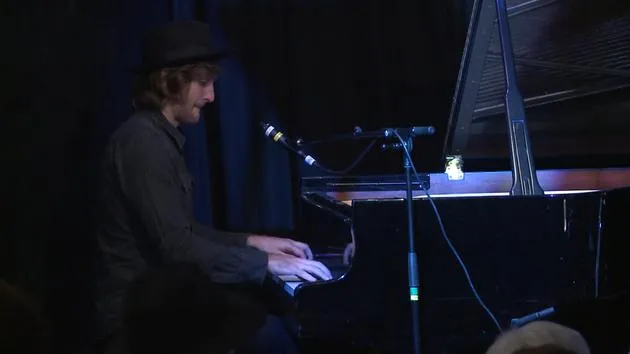
10. Performance - Mardi Gras
7:56
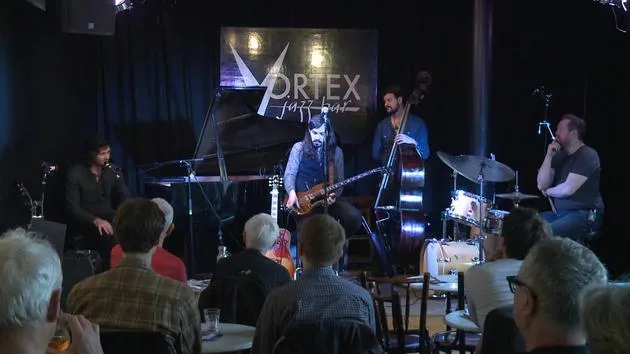
Transkript der Lektion
New Orleans Style Drumming Lesson
Pat is a phenomenal New Orleans style drummer in all its aspects. So, do you want to...? Yeah, I reckon Pat should lead us on something New Orleans-based: Big Chief.
Introduction to "Big Chief"
Does anyone know Big Chief? Anyone else?
Yes! Big Chief is a song by Professor Longhair, sung by Earl King. They had quite a big production on this back. It was early in the 60s, I think, maybe late 50s. It's basically one of those tunes that's like a sort of national anthem in New Orleans.
You'll probably recognize it when we kick off. The reason I picked it is that it's on a blues, and we've all got different parts. We're not actually playing the same thing; each of us has a different role, but it ties together in quite a wonderful way.
So, let's just play it! Kick off with the piano, and then we'll gradually come in. Cool?
Performing "Big Chief"
Are you ready? Let's hang on the one actually:
"Sa got my squad out by my side,
My spot boy just went by.
Matter of fact, boy, I pulled a pile.
Me gonna do everything I could;
We gon' dance till the morning."
Did you all hear the different parts in that? It's quite clear, I suppose. Have you ever played that tune? Anyone ever played that tune before? Even though you might have heard it? So, what did you think? Any thoughts or questions on that tune?
Exploring the Rhythm
I guess you have to be quiet. So, it's coming from a more West African kind of thing.
- The bass drum keeps time like that, but you've got to have that and play against it.
- It's got that more carnival feel to it.
So, it's different from the 12/8, isn't it? Different vibe. It's a bit straighter.
Any other questions on that? But it's not quite straight, is it?
No, the thing is, the misconception about when people say "play something jazzy" or "New Orleans-y" is that they think it means sloppy. So, it's like they'll do something like this:
"Nah, nah."
It's got that in a way, but it also has the snap against it. It's like falling over the stairs and bumping its head every now and again, then righting itself rather than just keep falling over, you know what I mean?
Key Takeaways
I hear quite a few bands that just kind of get it. They have the sloppiness, but immediately they also have the snap back.
- It's about those two things.
- But it doesn't have to be that loud either.
Also, this can apply when you're playing rhythm guitar. So, you sort of get into that elbow just there, you know?
Experimenting with Different Feels
Maybe we could try something on a different feel, a more New Orleans thing. Something like that:
"And we have the..."
How that sort of swung over that.
These are my Bourbon streets. Yeah, Bourbon Street!
This is most definitely the blues.
Understanding the Blues
The blues, I suppose, can mean two things: a feeling or a musical structure. But you'll find that there are many blues on this kind of street parade idea as well.
So, let's try something, but with that back together. Yeah, just briefly.
It's interesting to talk about the attitude in playing it because a lot of people think it's this really laid-back thing. But essentially, it's music that came from the street and it's pretty...well, people needed to be aggressive.
Conclusion
There is an aggression in the streets that came out in the music, and it's the same with jazz as well. People think, "Oh, jazz is light and jazzy." And you know, those crotchets might sound light, but they're really heavy.
Listen to bass players like Ray Brown if you've ever heard of him. Check out Ray Brown if you want to get into crotchets and groove; it's a good place to start.
I don't think there's anyone better, is there? I think for me it just stops there, really. Okay, well, there you go! That's a good place to start.
And there are some videos of him just talking about how he plays a walking bass line with crotchets, and it's heavy. Play along to that, that's an education!
16 Lektionen
2 Std. 45 Min. strukturierte Videolektionen
Erweiterte Videofunktionen
Verlangsamen, Passagen loopen, mitlesen
Handy, Tablet & Desktop
Üben, wo du willst
100 % Zufriedenheitsgarantie
30 Tage Geld-zurück-Garantie
Lern deinen Guru kennen
Lern deinen Guru kennen
Paddy Milner gilt als einer der besten Blues-Pianisten der Welt – derzeit ist er der Stammkeyboarder von Sir Tom Jones, nach mehreren Jahren an der Seite des großartigen, verstorbenen Jack Bruce –, aber er ist auch ein hervorragender eigenständiger Songwriter und ein unverwechselbarer Sänger. Lies einfach das Lob von Größen wie Dave Brubeck weiter unten! Sein Spiel war auf dem Soundtrack des Kinohits 'Rocketman' von 2019 zu hören.
Zweimal wurde er bei den British Blues Awards als bester Keyboarder ausgezeichnet, und als Gründungsmitglied der Ronnie Scott's Blues Explosion hat er eine langjährige Residency im weltberühmten Club Ronnie Scott's.
Seine aktuelle Band LONDONOLA spielt selbst geschriebene britische Musik mit einer kräftigen Portion New-Orleans-Geist, und sein gemeinsames Projekt JAWBONE geht seit der Veröffentlichung des gleichnamigen Debütalbums von Stärke zu Stärke.
- „Ich liebe es... da ist einer, der wirklich Klavier spielen kann" - Dave Brubeck
- „Ich kann es nur wärmstens empfehlen. Irgendwie fängt alles an, sich viel besser anzufühlen!" - Jack Bruce
- „Der beste Blues-Pianist Europas..." - Blues Access, USA
- „Beeindruckend und originell" - The Times
- „Blendend" - The Independent
In seinen Kursen zerlegt Paddy den authentischen Blues-Shuffle, Slow Blues, Boogie-Woogie, Rock 'n' Roll und das New-Orleans-Piano – bis hin zu drei klassischen Boogie-Woogie-Songs –, damit du diese Stile bei einem der Allerbesten des Fachs lernst.







