



Vierte Band - Analyse

Mit
Paddy Milner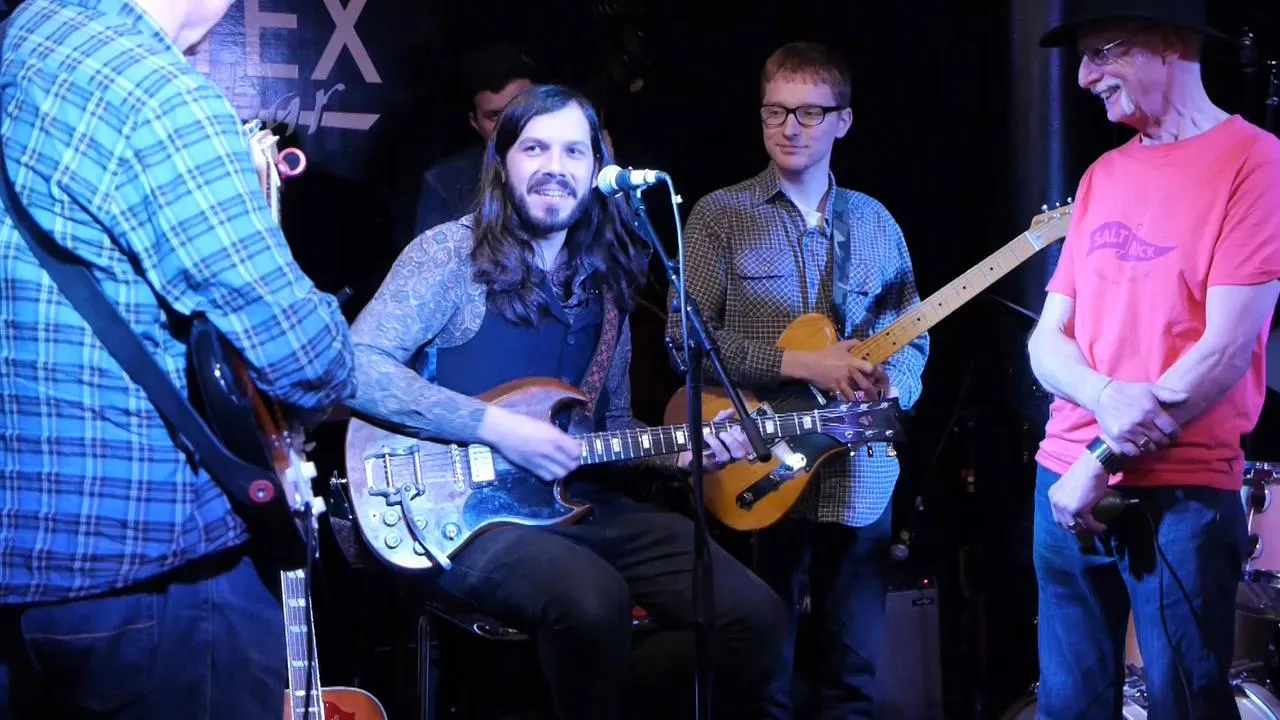
Das steckt im Kurs
16 Lektionen (2h 45m) · 1 gratis
01. Aufführung von Tom Waits - Way Down In The Hole
3:33

02. Erste Band - Interpretation
6:38
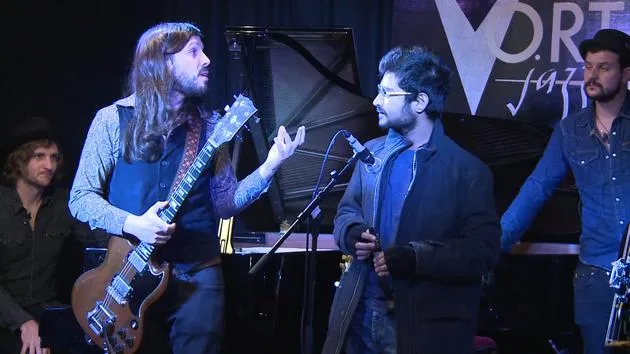
03. Erste Band - Analyse
17:28
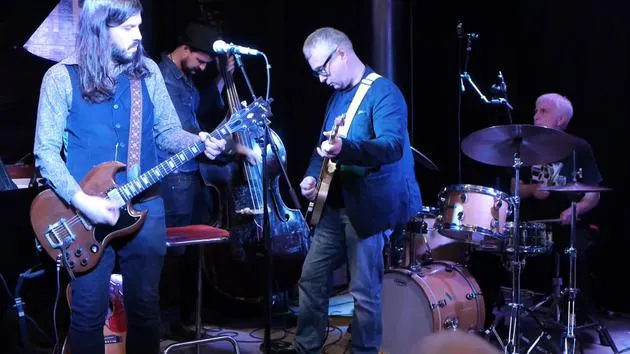
04. Zweite Band - Aufführung
3:27
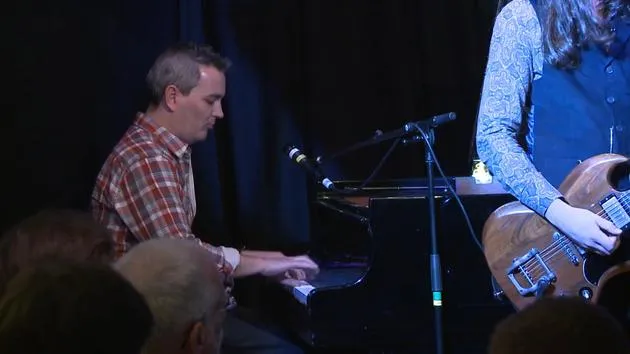
05. Zweite Band - Analyse
13:09

06. Dritte Band - Performance
7:28
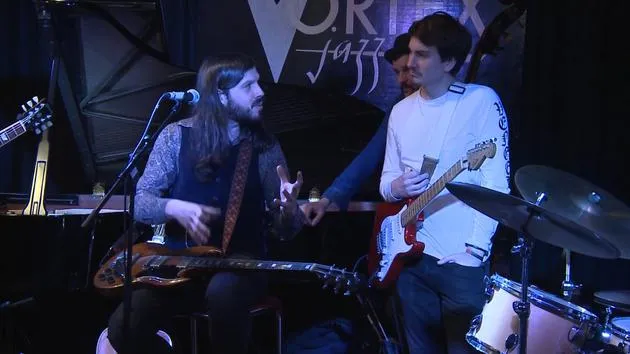
07. Dritte Band - Analyse
6:27
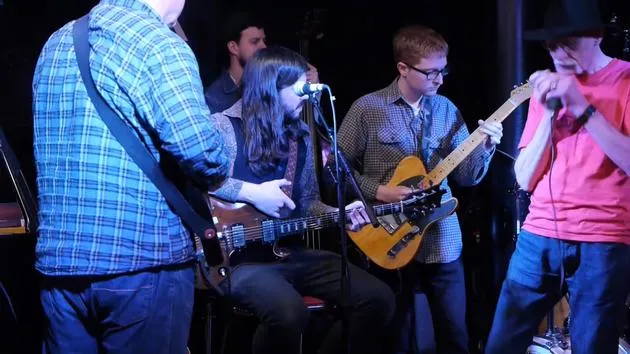
08. Vierte Band - Auftritt
4:37

09. Vierte Band - Analyse
Du bist hier4:24
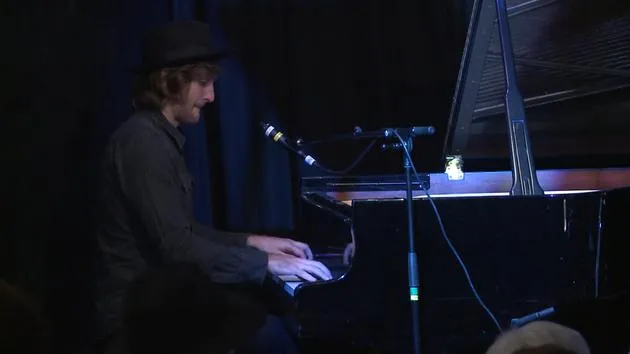
10. Performance - Mardi Gras
7:56

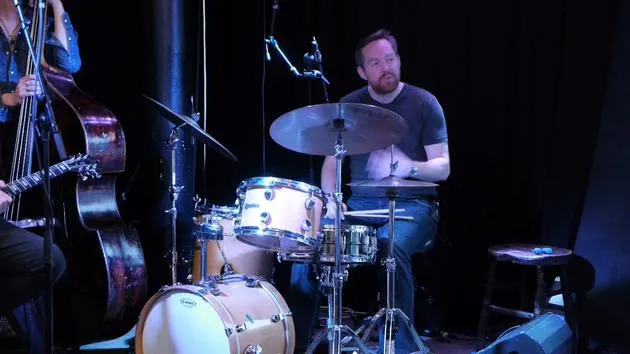

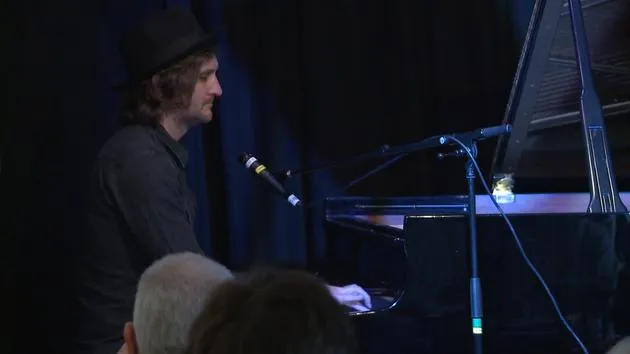
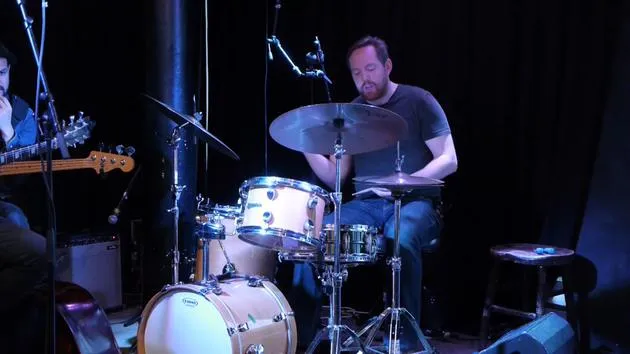

Transkript der Lektion
Music Lesson
Introduction to Endings
You've always been watching a little bit about the endings of when other people have been up. Because that was a much better experience. After we'd done the break, it was almost like someone was going to lead that ending, and Pat came in with the swung feel.
Everyone sort of got on it early enough for the ending to work.
Key Point:
Nobody's cool, this is what it's all about. We give you a lot of information, and it's not supposed to overwhelm you. You're not expecting it to infiltrate your playing straight away, but it's nice to know that the thing we've been talking about a lot, which is the endings, is something you guys have all taken on board.
I think we've spoken about the endings enough, haven't we, Pat? They're important.
Groove and Economical Playing
I really like your sort of economical but groovy playing. Just laying back and incorporating some real nice rhythms, man.
- Nice development.
- Good communication out of the solo as well.
Commentary:
It's like we all knew you were going to take that second one. That second one felt right; you said what you wanted to say and then threw it over. That was nice.
Takeaway:
It doesn't matter, man. As long as the intent is clear, it's all about the intention.
Harmonica Insights
I don't know enough about harmonica really to give you any practical advice. You know what I mean? It's not really my domain.
- Obviously, you've got the tone and stuff down.
- Just think in terms of phrasing in your solo.
There could have been a bit more form to it. Don't be afraid to have some gaps!
- Play a phrase.
- Leave a gap.
- Then answer it with something else that complements the original phrase.
Example:
Leave a massive gap, then maybe play something similar but slightly different to complement it.
Harmonica Techniques:
"Nice harmonica licks!" (This was my harmonica impression.)
Sound Levels and Development
I think everyone going through that amp needs to be louder in my opinion. I sometimes struggle to hear it. But again, nice ideas!
- Consider the development of where you want to go.
- By the end, when you're at the top, I liked that place you reached.
It felt like a jump from one to the other. You could maybe plan that in your head as well.
Important Consideration:
Sometimes you don't plan how many choruses you're going to take. You don't start thinking, "I'm going to take two choruses." But it helps to have an idea of where you want to end up, and then take as long as it takes to get there.
Jam Session Dynamics
Steve was saying that people can get annoyed if you take more than one or two choruses. In jam session situations, there's often the mindset of getting as many people up as possible.
- Just take one chorus, or someone might get annoyed if you take two.
- It can get a bit weird, but it takes as long as you take.
Encouragement:
As long as you have the flow to get to that point, no one's going to complain about how many choruses you've taken. That's where you're meant to be.
Shouting and Encouragement on Stage
When we play with a guitar player who tends to shout on stage towards the end of one of his choruses, it's always energizing.
- "Nah, man, one more!"
There's nothing better than that because then you know he's got another idea, and he's really in it. You go with him.
Encouragement on Stage:
There's no harm in shouting out on stage if you want to. If you feel like everyone's winding you up during your solo, and you're not in the same mindset, feel free to express that.
And always, a bit of shouting for blues encouragement goes down well. If someone plays something nice, a little shout of excitement always works!
It's also good to give encouragement after a mistake. When you talk about playing through the mistake, hit them with, "Yeah, go again!"
Final Thoughts:
Lovely playing, guys!
16 Lektionen
2 Std. 45 Min. strukturierte Videolektionen
Erweiterte Videofunktionen
Verlangsamen, Passagen loopen, mitlesen
Handy, Tablet & Desktop
Üben, wo du willst
100 % Zufriedenheitsgarantie
30 Tage Geld-zurück-Garantie
Lern deinen Guru kennen
Lern deinen Guru kennen
Paddy Milner gilt als einer der besten Blues-Pianisten der Welt – derzeit ist er der Stammkeyboarder von Sir Tom Jones, nach mehreren Jahren an der Seite des großartigen, verstorbenen Jack Bruce –, aber er ist auch ein hervorragender eigenständiger Songwriter und ein unverwechselbarer Sänger. Lies einfach das Lob von Größen wie Dave Brubeck weiter unten! Sein Spiel war auf dem Soundtrack des Kinohits 'Rocketman' von 2019 zu hören.
Zweimal wurde er bei den British Blues Awards als bester Keyboarder ausgezeichnet, und als Gründungsmitglied der Ronnie Scott's Blues Explosion hat er eine langjährige Residency im weltberühmten Club Ronnie Scott's.
Seine aktuelle Band LONDONOLA spielt selbst geschriebene britische Musik mit einer kräftigen Portion New-Orleans-Geist, und sein gemeinsames Projekt JAWBONE geht seit der Veröffentlichung des gleichnamigen Debütalbums von Stärke zu Stärke.
- „Ich liebe es... da ist einer, der wirklich Klavier spielen kann" - Dave Brubeck
- „Ich kann es nur wärmstens empfehlen. Irgendwie fängt alles an, sich viel besser anzufühlen!" - Jack Bruce
- „Der beste Blues-Pianist Europas..." - Blues Access, USA
- „Beeindruckend und originell" - The Times
- „Blendend" - The Independent
In seinen Kursen zerlegt Paddy den authentischen Blues-Shuffle, Slow Blues, Boogie-Woogie, Rock 'n' Roll und das New-Orleans-Piano – bis hin zu drei klassischen Boogie-Woogie-Songs –, damit du diese Stile bei einem der Allerbesten des Fachs lernst.







