



Erster Groove: Blues-Shuffle
Mit
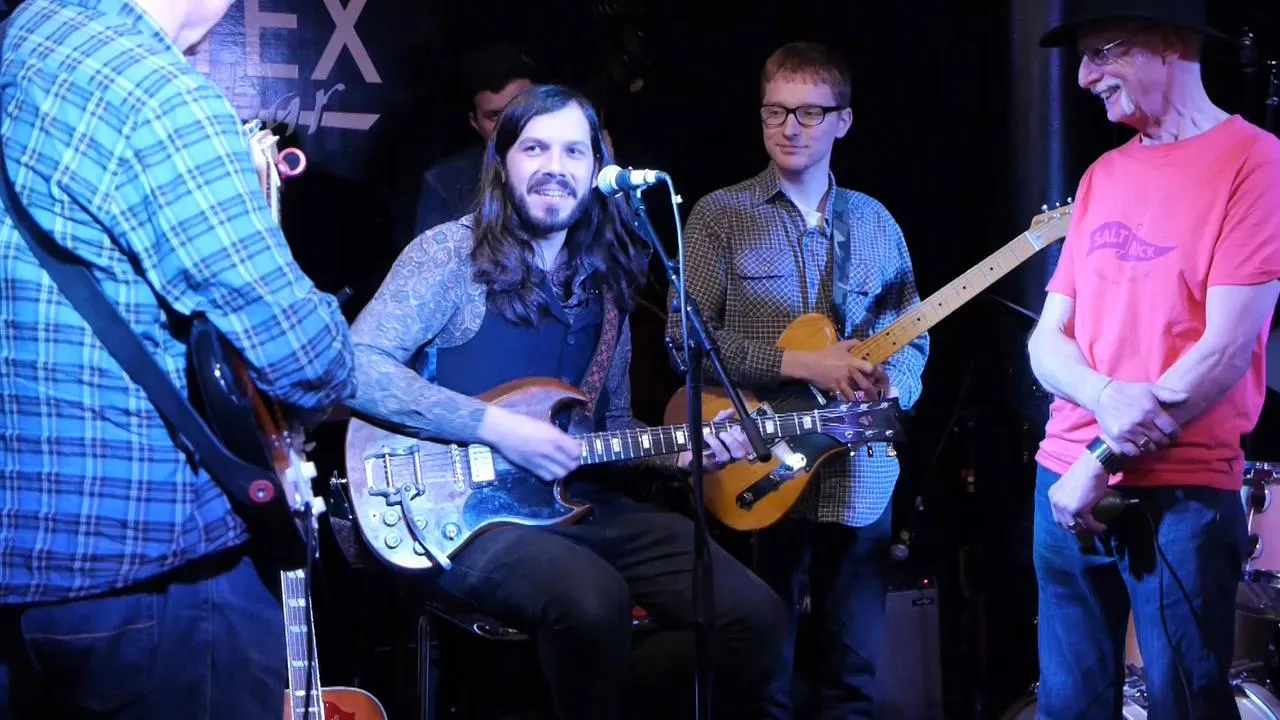
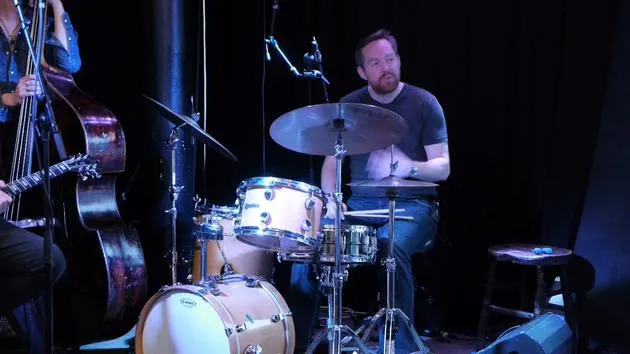
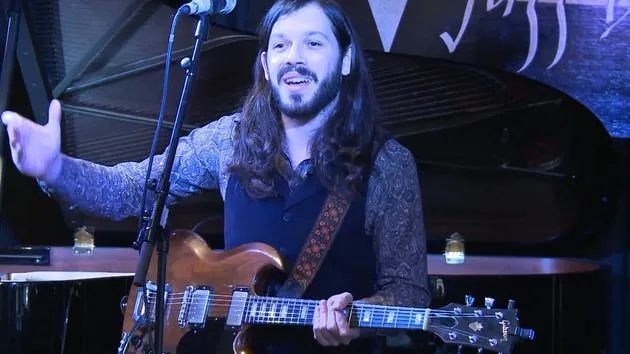
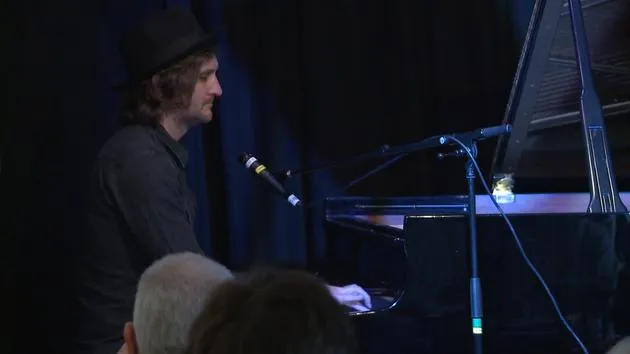
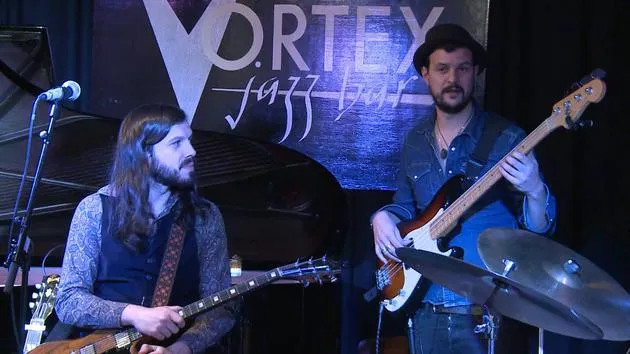
Paddy MilnerDie Band spielt einen Blues-Shuffle und geht dem 12/8-Feel dahinter auf den Grund, mit Pat zum Festigen des Schlagzeug-Grooves und Marcus dazu, wie Gitarrist und Schlagzeuger zusammenfinden.
Das steckt im Kurs
16 Lektionen (2h 45m) · 1 gratis
01. Aufführung von Tom Waits - Way Down In The Hole
3:33

02. Erste Band - Interpretation
6:38
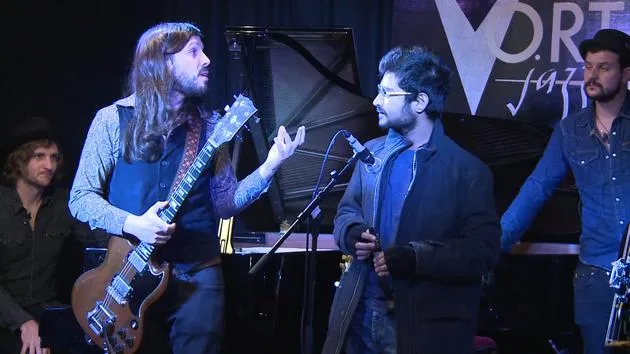
03. Erste Band - Analyse
17:28
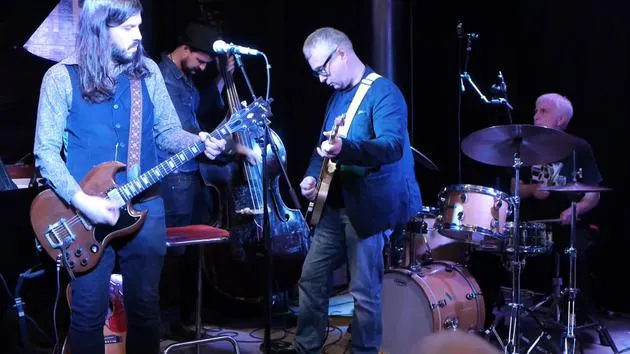
04. Zweite Band - Aufführung
3:27
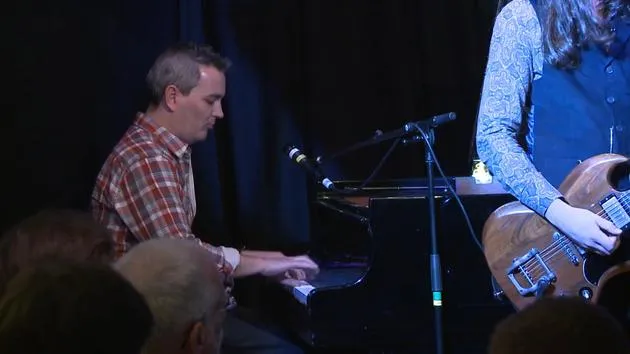
05. Zweite Band - Analyse
13:09
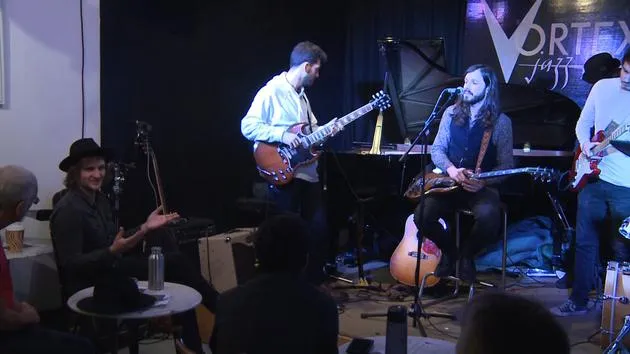
06. Dritte Band - Performance
7:28
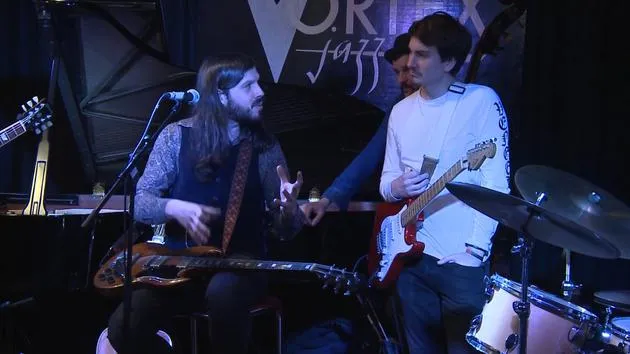
07. Dritte Band - Analyse
6:27
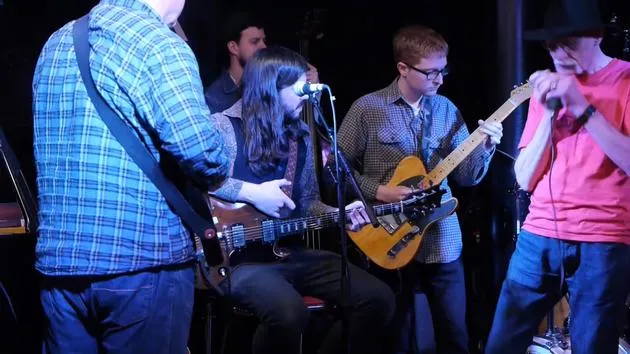
08. Vierte Band - Auftritt
4:37
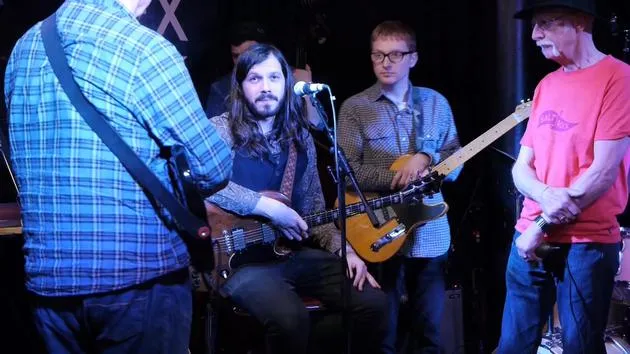
09. Vierte Band - Analyse
4:24
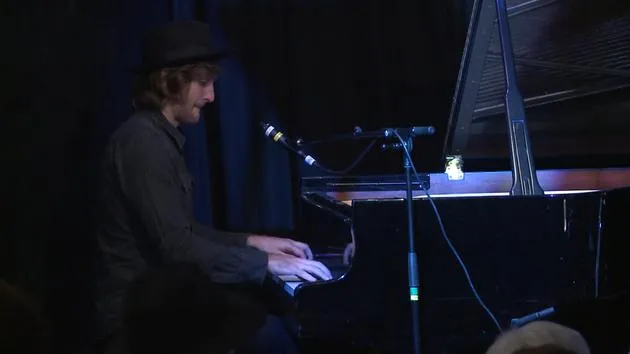
10. Performance - Mardi Gras
7:56
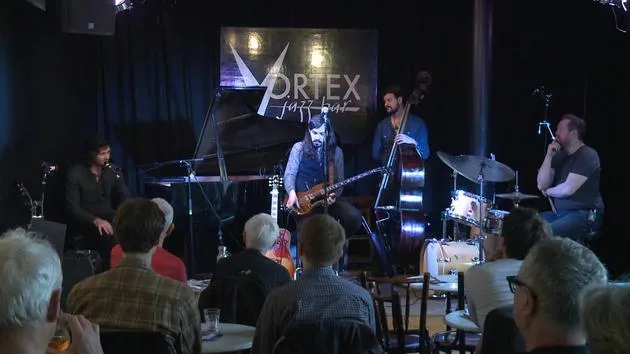
Transkript der Lektion
Music Lesson: Understanding the Shuffle Groove
Well, we've got this. This massive plan worked out, so we're gonna. Yeah, we're gonna look at a couple of different groups, well, three or four different grooves, in this first half before having a little break.
Kicking Off with a Shuffle
I think we're gonna kick off with a shuffle, which Marks is gonna talk about. As a guitar player, I think it's a very complete style. You need to have both your rhythm playing down and your lead playing down, really on this feel more than anything.
As you heard when we started off, that whole tune is about the feel and the rhythm. We'll talk to Pat in a little bit about where that comes from, the drums. As a guitar player, you need to really be in total sync with the drummer to create that shuffle groove; otherwise, it can sound very sloppy and not very danceable.
Do you know what I mean?
We're talking about music that was invented to make people dance. That was their entertainment back in the day, you'd have a band on, they'd play a shuffle, and people would get up and move. So you have to have that feel.
As a guitar player, I think it's very important to learn the shuffle purely because the rhythm part isn't hard to learn, but it's hard to place the notes where you're going to place them. What I'd like to do in a little bit is show you the differences between playing one on an acoustic guitar and playing one on an electric guitar. We'll discuss the two different styles you can achieve and the intentions you can convey.
Playing a Shuffle Example
Tell you what, should we just play another little 12 of a shuffle? I'm just going to play some rhythm guitar here. If you have a little listen to where everyone's slotting in, we'll do that same sort of thing again in the key of A.
"Videoing parts. What are you doing?"
I don't believe so. I don't think so. Is that all right?
"Yeah, just cool."
We got the nod from the back; that's fine. You do your thing.
"Alright, yeah. One, two, one, two, three."
There you go!
You see, we're just playing. I mean, I saw you all nodding your heads, tapping your feet, so you must have been doing it right.
The Origins of the Rhythm
Maybe, Pat, you could talk a little bit more about the origins of the rhythm and how it comes from a drummer's point of view. I think it would tie in with that idea.
Pat: "Well, we started off clapping today, doing 12/8, which is an African rhythm. We haven't got enough time today to talk about the transition from Africa to America to the Southern States of America. But it has that diggity, diggity, diggity rhythm which turned into 'Humpty Dumpty,' which then turned into 'ding, ding, ding, ding,' which is jazz."
And then, obviously, varying different tempos, you can have the 12/8 very slow blues. It's very important to get your head around the 12/8 rhythmically and where you place everything within that.
Drummer's Perspective on the Shuffle
In terms of drums, there are a million different ways of playing a shuffle. The one I was just doing was very clear to everybody where the time is.
You could even play through on the floor on the bass drum just to make it a bit clearer. With the snare drum, you can shuffle a little bit more in between the backbeat and beats three and one. This gives you a very clear idea of where the beat is.
But if you're doing too much as a drummer or playing too loudly, it's going to mess up the guitarists. It's important that every musician appreciates what's going on with the drums, as that's where these rhythms are based out of.
As a guitar player, it's so important to know what the drummer is doing, to be able to hear it and feel it. When you play other rhythms, you still have to feel that underlying current.
Rhythm Interpretation
You must have noticed we started the whole thing off clapping as 12/8, but then I came in with that kind of feel, which you might interpret as a four.
So, how are you going to interpret that rhythm? You can superimpose four over it. You need to really understand that constant kind of 12/8. You can also play around with that shuffle groove while keeping the 12/8 thing going in the background, playing across it.
Perhaps at the end of a phrase, you could play something a little straighter. So, should we try that?
"Yeah."
Playing with Tension
Let's just play around a 12 and play around with some phrases that are more straight over that shuffle thing.
"Oh, one, two, three."
Yeah, maybe you could hear at the end of the phrase before going up to the four chord, playing some clearly triplet things, and then something straighter over the top creates a bit of tension and maybe a bit of excitement that resolves when it moves up to the next chord.
Following on from that thought, it reminded me of playing straight up to chord four.
"Should we try that?"
Yeah, let's try it!
"One, two, three."
Final Thoughts on Shuffle
It's interesting how simple ideas can be very effective. I really enjoyed that!
I won't spend too much time on the shuffle since we're short on time, but before we move on, has anyone got any questions specifically regarding the shuffle?
Student: "I was aware of 12/8 time for slow blues, but I always assumed that shuffles were in four. Are you telling me that's not the case?"
No, shuffles are in 4/4, but you can divide those four beats into three triplets. You can have a 12/8 from any tempo.
The last thing demonstrated with playing straight in four and then going into the swung feel is all in four, but it's just how it feels, some shuffles feel more like they're in four. Perhaps you can't feel that undercurrent so much, but it's always there.
Understanding Shuffles
These are just labels we're giving it. All this music came from oral cultures where they didn't necessarily have a name for it. It's more about how it feels.
"Listen to Hideaway by Freddie King!"
Freddie King does a lot with rhythmic variations; he changes up the swing but maintains that triplet feel.
"Listen to shuffles from different eras too."
You'll quickly hear the differences between them and how they feel.
In conclusion, approach the shuffle with ears open to both the groove and the interplay between instruments. Do not get too bogged down in terminology, but rather feel the rhythms in your music!
16 Lektionen
2 Std. 45 Min. strukturierte Videolektionen
Erweiterte Videofunktionen
Verlangsamen, Passagen loopen, mitlesen
Handy, Tablet & Desktop
Üben, wo du willst
100 % Zufriedenheitsgarantie
30 Tage Geld-zurück-Garantie
Lern deinen Guru kennen
Lern deinen Guru kennen
Paddy Milner gilt als einer der besten Blues-Pianisten der Welt – derzeit ist er der Stammkeyboarder von Sir Tom Jones, nach mehreren Jahren an der Seite des großartigen, verstorbenen Jack Bruce –, aber er ist auch ein hervorragender eigenständiger Songwriter und ein unverwechselbarer Sänger. Lies einfach das Lob von Größen wie Dave Brubeck weiter unten! Sein Spiel war auf dem Soundtrack des Kinohits 'Rocketman' von 2019 zu hören.
Zweimal wurde er bei den British Blues Awards als bester Keyboarder ausgezeichnet, und als Gründungsmitglied der Ronnie Scott's Blues Explosion hat er eine langjährige Residency im weltberühmten Club Ronnie Scott's.
Seine aktuelle Band LONDONOLA spielt selbst geschriebene britische Musik mit einer kräftigen Portion New-Orleans-Geist, und sein gemeinsames Projekt JAWBONE geht seit der Veröffentlichung des gleichnamigen Debütalbums von Stärke zu Stärke.
- „Ich liebe es... da ist einer, der wirklich Klavier spielen kann" - Dave Brubeck
- „Ich kann es nur wärmstens empfehlen. Irgendwie fängt alles an, sich viel besser anzufühlen!" - Jack Bruce
- „Der beste Blues-Pianist Europas..." - Blues Access, USA
- „Beeindruckend und originell" - The Times
- „Blendend" - The Independent
In seinen Kursen zerlegt Paddy den authentischen Blues-Shuffle, Slow Blues, Boogie-Woogie, Rock 'n' Roll und das New-Orleans-Piano – bis hin zu drei klassischen Boogie-Woogie-Songs –, damit du diese Stile bei einem der Allerbesten des Fachs lernst.







