



Groove

Mit
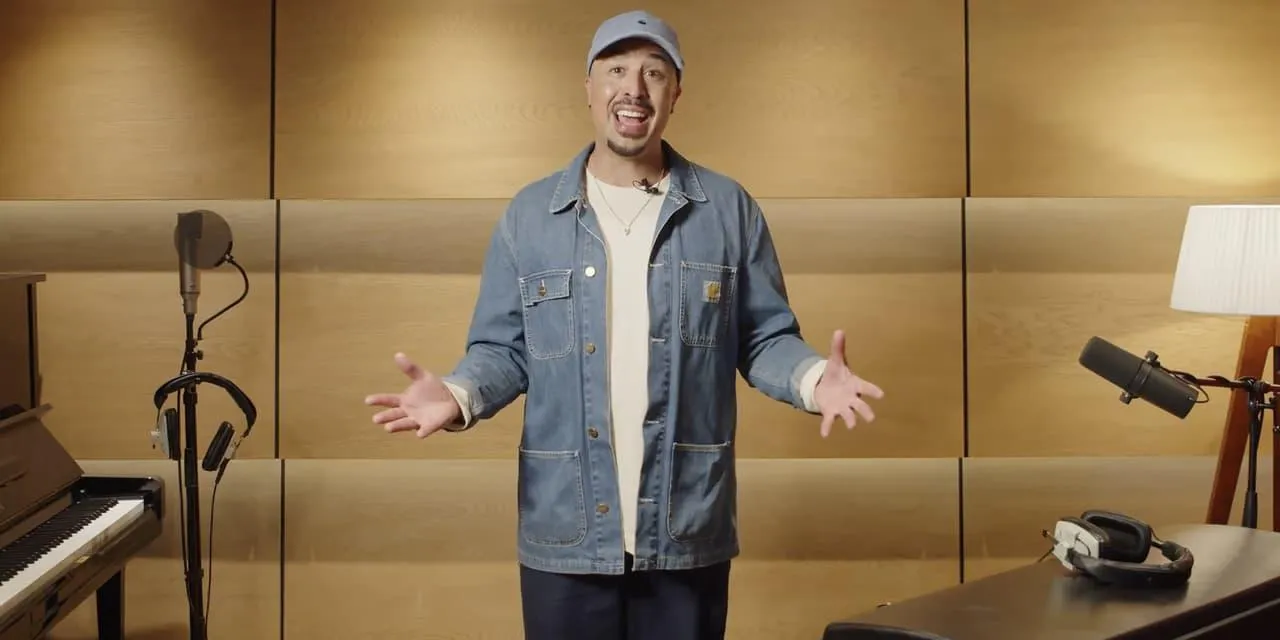
Jono McNeilJono erklärt, wie Groove eine Sängerin oder einen Sänger wirklich vom Rest abheben kann.
Das steckt im Kurs
26 Lektionen (1h 50m) · 1 gratis
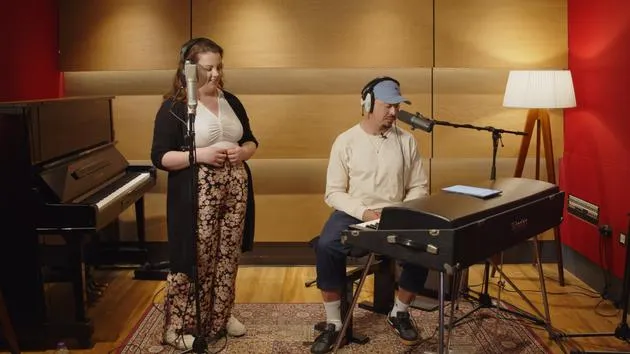
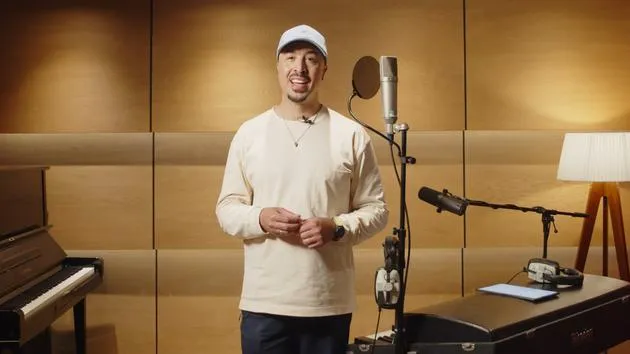
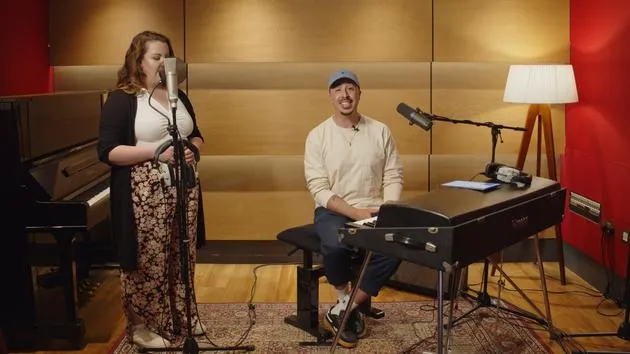
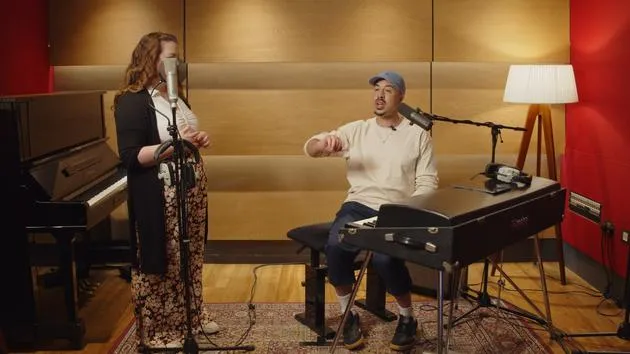
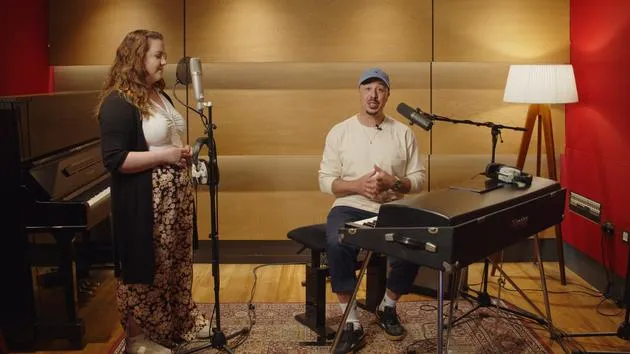
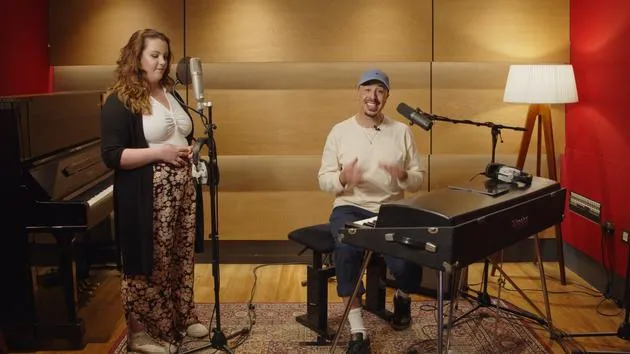
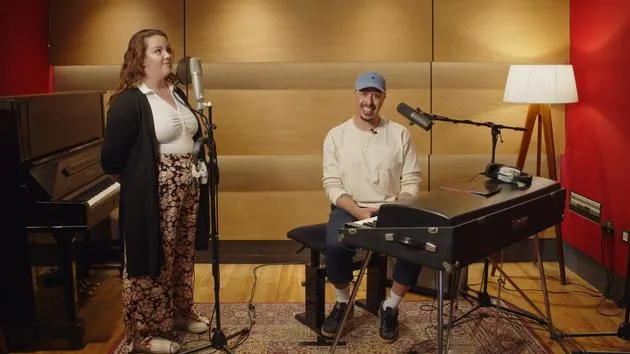
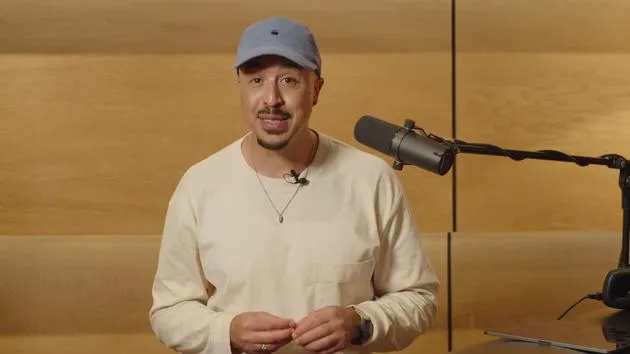
Transkript der Lektion
Understanding Groove in Music
Groove Insight
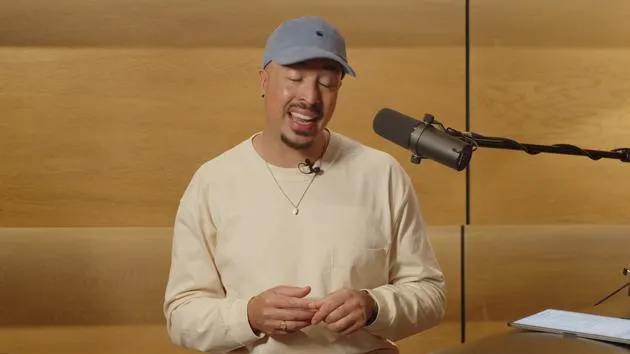
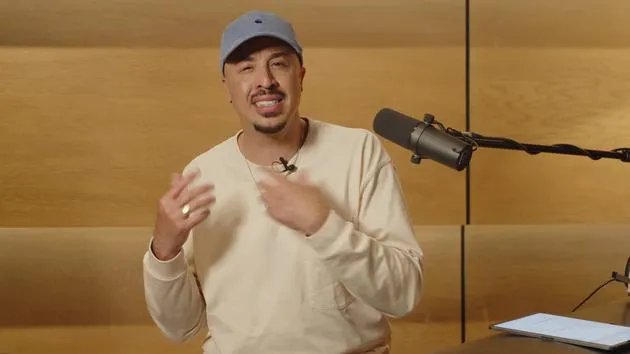
So this lesson is all about groove. As a vocal coach, I find that a lot of singers are not very good at investing in rhythm and groove. However, it is one of the most important secrets that really aren't often spoken about. Those who truly excel, whether in the studio or live, have a strong sense of what we call groove.
What is Groove?
- Definition: Groove is related to what we would call tempo, but it's about where we sit in comparison to that tempo.
- Using a Metronome: I use a metronome to help me work out where the groove needs to be sitting. You've probably seen those old kind of big tick-tock metronomes, but any phone or iPad will find you a good metronome pretty quickly.
This is basically a true sense of where rhythm should be sitting, and we use it as a reference.
The Concept of Pocket
If I play my metronome at 80 BPM at the moment, it is very, very uninspiring, probably why a lot of people don't decide to use metronomes. But it's a click that is as true to tempo as it possibly can be.
To find where we need to sit next to the click, we create a little discrepancy. In fact, groove is created between the discrepancy of where one instrument sits in comparison to another. My instrument of choice happens to be my click today.
If I can get my groove to create a little comparison between the click and the voice, I get what we call a pocket.
"I don't know if you've heard that term. Someone says, 'Oh, that's so in the pocket.' That's what we're talking about."
The Feeling of Groove
Music can feel good and very comfortable, or it can feel quite anxious and urgent if you don't get groove right.
Experimenting with Groove
Now, I'm going to show you a little rhythm I have come up with. This is what it sounds like:
"Da da da da da da da da da da da da da da da da da."
- Characteristic: It's quite simple as you can hear, there's a bit of a swing to it. We call it a swing 16.
- Burying the Click: What we are doing is letting that sit nicely on top of the click. In the studio, we call that burying the click. If you can't hear the click, you know the drummer is playing right on top of it.
Playing with Timing
To make sure I'm in the right place, it takes a bit of skill and training. It's actually not as easy as it looks. But I can also play around with where I sit with this click.
- Pulling Behind the Beat: Listen closely as I slightly laze the phrase behind the beat. It gives us a sense of sloppiness without losing time.
"I'm not slowing down. I'm just moving where I feel the pulse slightly over."
Importance of Timing
One thing we usually discourage is singing ahead or singing too fast. For example, if I'm in front of everything, it feels quite anxious.
- Goal: We aim to sit either on the groove, which is typical for many rock bands, or slightly behind, which can give a nice pop sound or R&B feel.
Backing Track Experiment
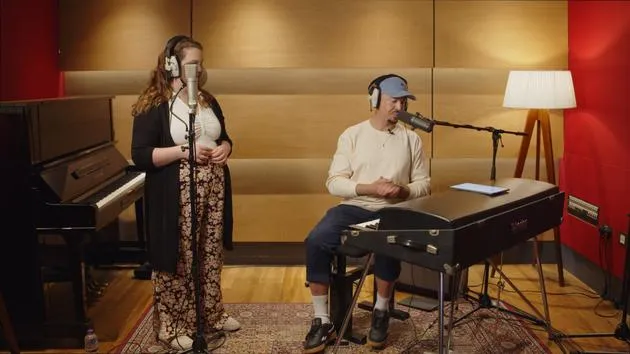
We have a backing track to try this with today. You'll hear guitars, drums, and bass, which gives us something to compare to. Without any reference, we cannot have groove. The band acts as our slightly sexier click today.
- Listen to the Instruments: You may notice the instruments, especially the drums, are quite on, like the snare, bass drum, and hi-hats. But the tambourine is sitting slightly behind.
"Can you hear that? This is da ga da da da da da da."
Practical Exercise
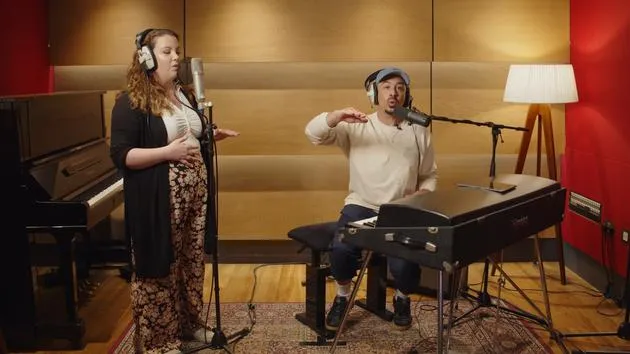
Let's try a little rhythm together.
- Setting the Beat: I'm trying to be quite precise with where I'm putting my beat.
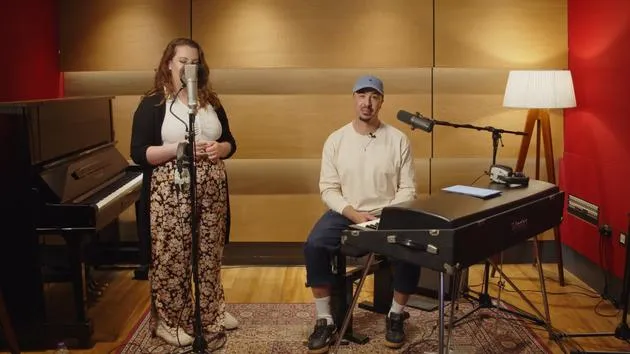
"So, Alicia, try it with me: 1, 2, 3, 4."
It can sound a bit robotic, lacking groove or swing. So let's bring my little phrase back a bit.
- Trying Again: Do you feel that difference? Let's try it together.
Melody Integration
We will now add a little melody.
"Alicia, I'm going to cue you in, and I'm going to sing D."
I'll put the same rhythm to the melody and sing it on the beat: "2, 3, 4."
- The Shift: We want to sing in tempo accurately, but let's see if we can pull things back a little and make it sloppier.
"Do you hear the difference?"
Final Thoughts
The key to figuring out where your groove sits is ensuring you have a strong sense of tempo.
- Suggestion: Don't try to jump the step. Experimenting too much without a solid sense of tempo can be detrimental.
- Using a Metronome: One of the best ways to sharpen that sense of tempo quickly is by using a click or metronome.
Once you've established that, try pulling things slightly back or forward.
"This adds that little bit of swagger to your rhythm, giving it movement from the undercurrent of what's being played."
Hopefully, this gives you some insight into what we call groove. Experiment with it and really invest in it, it is one of the best-kept secrets that many singers don't spend enough time on. Good luck!
26 Lektionen
1 Std. 50 Min. strukturierte Videolektionen
Erweiterte Videofunktionen
Verlangsamen, Passagen loopen, mitlesen
Handy, Tablet & Desktop
Üben, wo du willst
100 % Zufriedenheitsgarantie
30 Tage Geld-zurück-Garantie
Lern deinen Guru kennen
Lern deinen Guru kennen
Jono McNeil hat seit über 20 Jahren professionelle Sänger, zeitgenössische Künstler und Vokalisten in einer Reihe einflussreicher Positionen innerhalb der Unterhaltungsindustrie stimmlich gecoacht.
Er arbeitet als Vocal Coach bei verschiedenen TV-Shows, darunter The Voice Kids, The Voice UK, Little Mix The Search, The Masked Singer, Wedding Day Winners und Change Your Tune, und coacht Tourneekünstler wie JLS, New Rules und July Jones, um nur einige zu nennen.
Als eigenständiger Künstler und Sänger ist Jono zudem mit Michael Buble, Paloma Faith, Josh Groban, Nelly, Jamie Cullum, Lemar, George Ezra und Jocelyn Brown aufgetreten und hat mehrere eigene Alben auf Streaming-Plattformen veröffentlicht.
Er verbindet seine Erfahrung auf der Bühne und im Tonstudio mit einem tiefen Verständnis der stimmlichen Funktion, um wirkungsvolle und inspirierende Coaching-Erlebnisse zu bieten.
Zuvor war er Leiter des Gesangsbereichs an der Academy of Contemporary Music (ACM), wo er unterrichtete und Inhalte für den Gesangslehrplan des Studiengangs Popmusik gestaltete, und heute ist er weiterhin als externer Prüfer für andere akademische Einrichtungen wie das Leeds Conservatoire tätig.
Mit Leidenschaft für die Möglichkeiten der Popmusik und der Künstlerschaft verfolgt er innovative Forschung und Strategien, um diese zu verwirklichen; zu seinen akademischen Qualifikationen zählen ein Abschluss in Jazz und ein Master in Vocal Pedagogy.
In Licks, Riffs & Runs for Pop Singers zeigt dir Jono genau, wie du die geschmeidigen Runs, Riffs und Licks hinzufügst, die den modernen Popgesang ausmachen, damit du eine Melodie selbstbewusst verzieren und zu deiner eigenen machen kannst.







