



Finde einen Puls
Mit
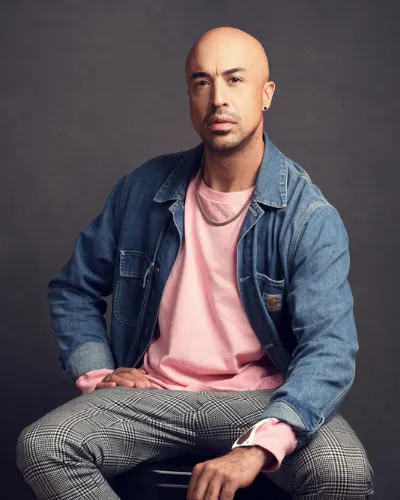
Jono McNeilLass uns verschiedene Wege erkunden, den Puls einer Phrase zu spüren.
Das steckt im Kurs
26 Lektionen (1h 50m) · 1 gratis

Transkript der Lektion
Lesson on Rhythmic Pulse and Phrasing
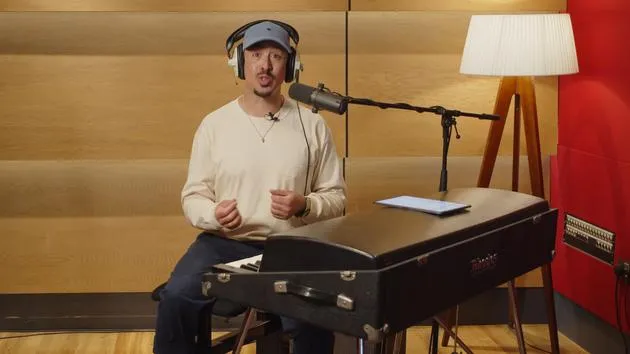
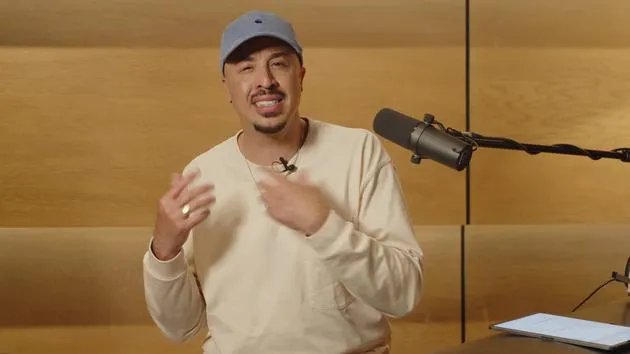
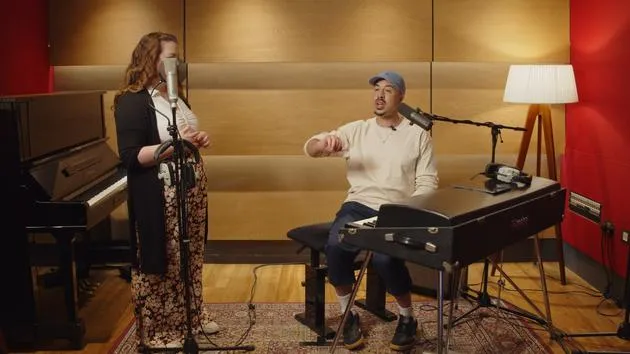
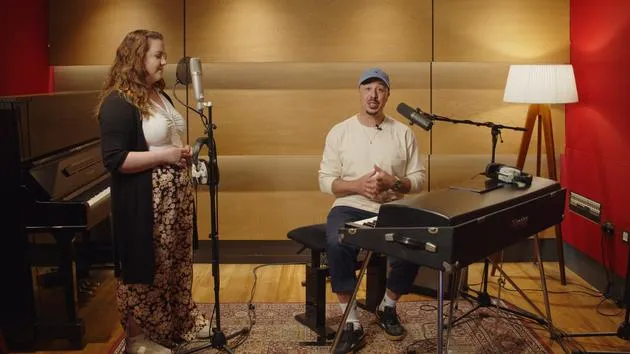
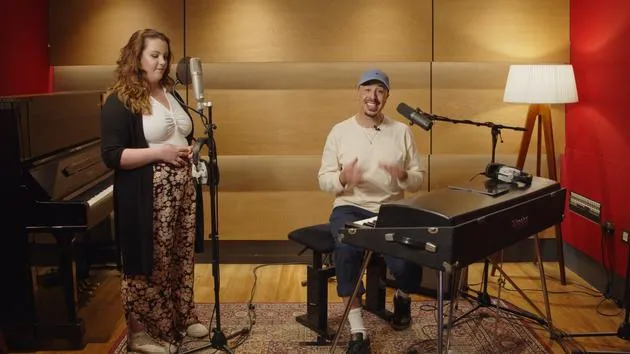
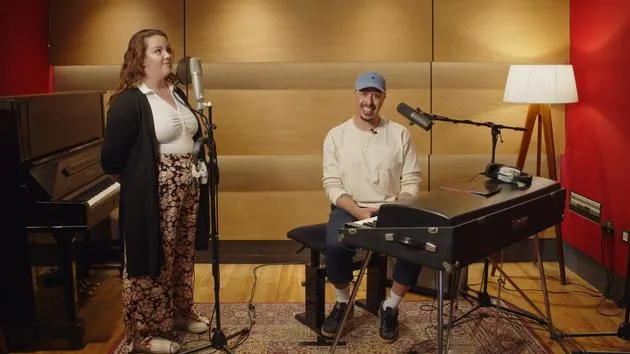
In this lesson, we're going to be talking all about rhythmic pulse, or what some people call rhythmic phrasing. I think it's one of the big secrets about vocal style that many singers get wrong. Today, we're going to experiment with placing our pulse, or accents, on different parts of these phrases.
Special Guest
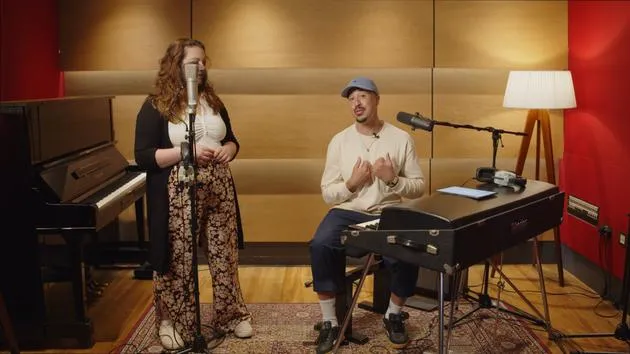
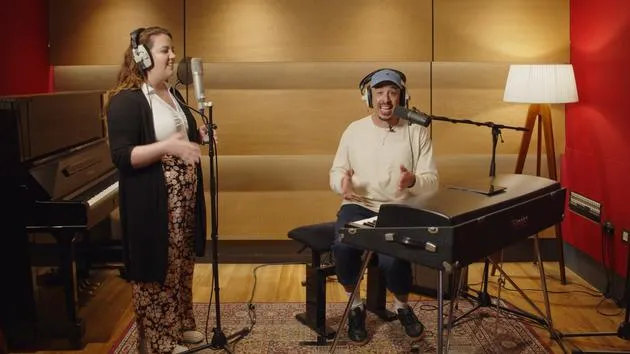
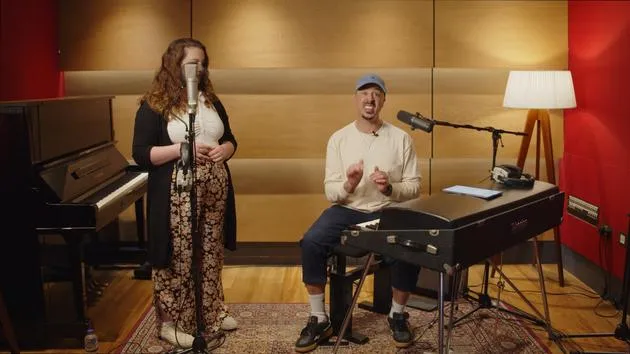
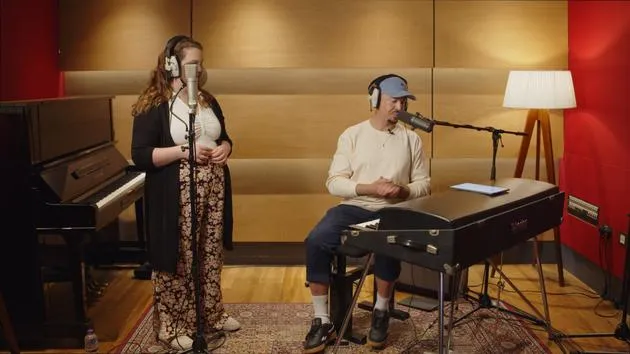
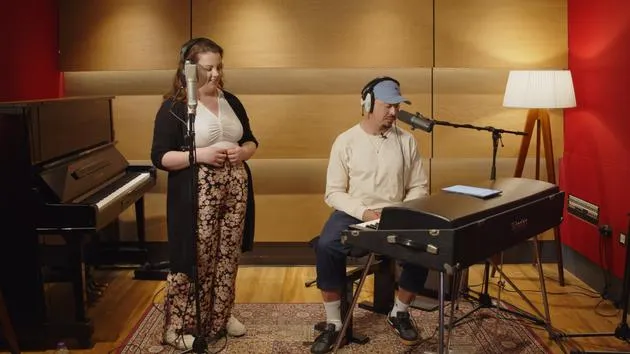
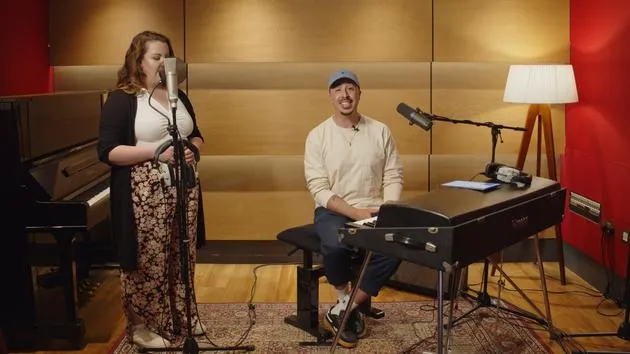
Today, it's going to be quite practical as we work with a backing track. I also have a very special singer with me, Alicia, who will help with some of our phrases. For you girls who are suffering from my male voice, you've got a girl to lead you through the exercises!
Understanding Rhythmic Pulses
Rhythmic pulses are all about emphasizing a certain note in a phrase. When done correctly, the phrase can achieve:
- A sense of forward motion
- An ability to travel through the track
It really feels good! You often see people start moving, shaking their heads, or getting their shoulders going when they feel that phrase. This is a great sign because it means they're feeling it.
If we place that pulse in the right part of the phrase, it can make the phrase come alive.
Learning the Phrase
Now, let's teach you the phrase. There's a small lyric to this one:
"I don't know how to say it,
But I think I'm falling for you.
It's just the way that I feel, that's all."
You don't need to write it down; you can memorize it. We start on E at the top, and it goes like this:
1, 2, 3, 4.
"I don't know how to say it,
But I think I'm falling for you.
It's just the way that I feel."
Try Singing with Me
Now let's do it together:
"I don't know how to say it,
But I think I'm falling for you.
It's just the way that I feel."
Alicia might get you to join me on this one:
"I don't know how to say it,
But I think I'm falling for you.
It's just the way that I feel."
You're doing great! One last time:
"I don't know how to say it,
But I think I'm falling for you.
It's just the way that I feel."
Practicing with the Backing Track
Now that you've learned the phrase, let's do it with the backing track. I'm going to add some pulses, and I'll tell you to accent certain places in that phrase.
Backing Track Introduction
Here's our backing track, it's going to guide us through our pulse exercises today. Remember, your first note is E:
"I don't know how to say it,
But I think I'm falling for you.
It's just the way that I feel."
Try it again. Here we go:
"I don't know how to say it,
But I think I'm falling for you.
It's just the way that I feel."
Well done! Now that you know the melody, we're going to add a pulse to the fourth quaver of every beat. It's going to sound like this:
"I don't know how to say it, but I.
I think I'm falling for you."
Are you ready? Here we go:
2, 3, and...
"I don't know how to say it,
But I think I'm falling for you.
It's just the way that I feel."
Doing well! Let's try it again:
"I don't know how to say it,
But I think I'm falling for you.
It's just the way that I feel."
A little hard at first, but try it again:
"I don't know how to say it,
But I think I'm falling for you.
It's just the way that I feel."
Well done! It sounds great.
Experimenting with Pulses
For this next part, we're going to add a pulse to every second part of the beat. Let's restart the track and give this a shot!
New Backing Track
Here we go! Now we're accenting every second quaver (or eighth note) of the bar. Ready? Here's your first note:
2, 3, 4...
"I don't know how to say it,
But I think I'm falling for you.
It's just the way that I feel."
Great! Well done.
Additional Experimentation
You can experiment with all of these techniques. You might want to try:
- Adding an accent to every four notes
- Adding an accent to every two notes
These exercises can help liven up a phrase and make it feel more exciting rhythmically.
Give it a shot! Try it with the backing track and see how you go.
26 Lektionen
1 Std. 50 Min. strukturierte Videolektionen
Erweiterte Videofunktionen
Verlangsamen, Passagen loopen, mitlesen
Handy, Tablet & Desktop
Üben, wo du willst
100 % Zufriedenheitsgarantie
30 Tage Geld-zurück-Garantie
Lern deinen Guru kennen
Lern deinen Guru kennen
Jono McNeil hat seit über 20 Jahren professionelle Sänger, zeitgenössische Künstler und Vokalisten in einer Reihe einflussreicher Positionen innerhalb der Unterhaltungsindustrie stimmlich gecoacht.
Er arbeitet als Vocal Coach bei verschiedenen TV-Shows, darunter The Voice Kids, The Voice UK, Little Mix The Search, The Masked Singer, Wedding Day Winners und Change Your Tune, und coacht Tourneekünstler wie JLS, New Rules und July Jones, um nur einige zu nennen.
Als eigenständiger Künstler und Sänger ist Jono zudem mit Michael Buble, Paloma Faith, Josh Groban, Nelly, Jamie Cullum, Lemar, George Ezra und Jocelyn Brown aufgetreten und hat mehrere eigene Alben auf Streaming-Plattformen veröffentlicht.
Er verbindet seine Erfahrung auf der Bühne und im Tonstudio mit einem tiefen Verständnis der stimmlichen Funktion, um wirkungsvolle und inspirierende Coaching-Erlebnisse zu bieten.
Zuvor war er Leiter des Gesangsbereichs an der Academy of Contemporary Music (ACM), wo er unterrichtete und Inhalte für den Gesangslehrplan des Studiengangs Popmusik gestaltete, und heute ist er weiterhin als externer Prüfer für andere akademische Einrichtungen wie das Leeds Conservatoire tätig.
Mit Leidenschaft für die Möglichkeiten der Popmusik und der Künstlerschaft verfolgt er innovative Forschung und Strategien, um diese zu verwirklichen; zu seinen akademischen Qualifikationen zählen ein Abschluss in Jazz und ein Master in Vocal Pedagogy.
In Licks, Riffs & Runs for Pop Singers zeigt dir Jono genau, wie du die geschmeidigen Runs, Riffs und Licks hinzufügst, die den modernen Popgesang ausmachen, damit du eine Melodie selbstbewusst verzieren und zu deiner eigenen machen kannst.







