



When I'm Alone - Akkorde
Mit
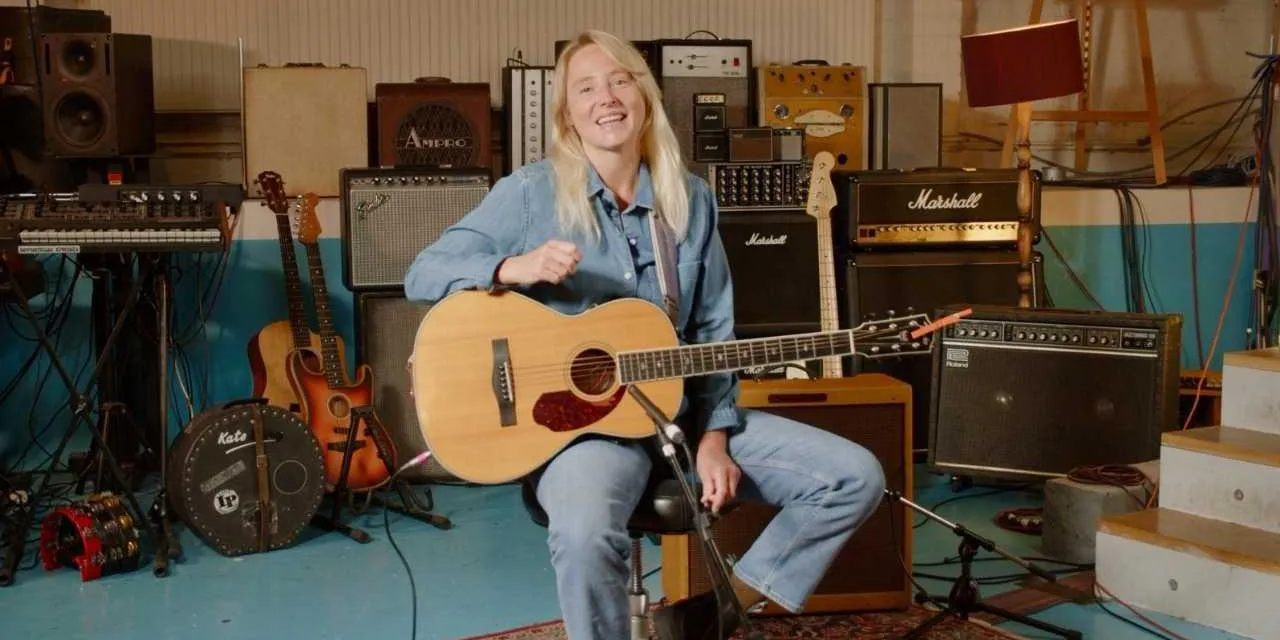
LissieLissie bringt dir die Akkorde ihres Songs 'When I'm Alone' bei, einschließlich, wie man mit einem Kapodaster die Tonart wechselt.
Das steckt im Kurs
25 Lektionen (1h 37m) · 1 gratis
01. Everywhere I Go - Hintergrund und Erinnerungen
7:18
02. Everywhere I Go - Die Akkorde
3:16
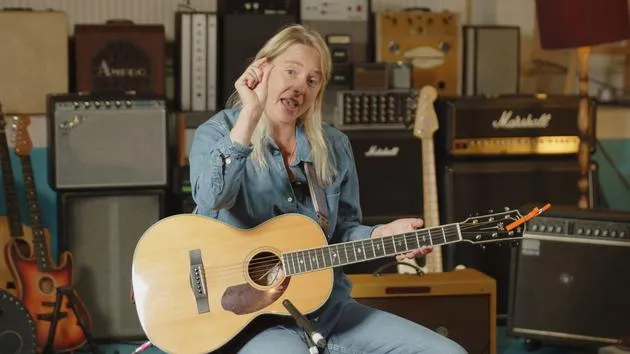
03. Everywhere I Go - Die Bridge
3:35
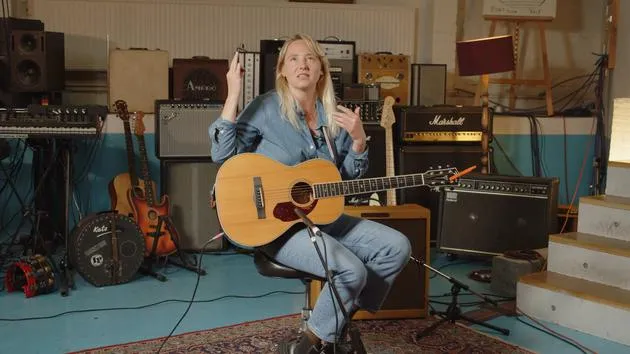
04. Everywhere I Go - Solo
1:41
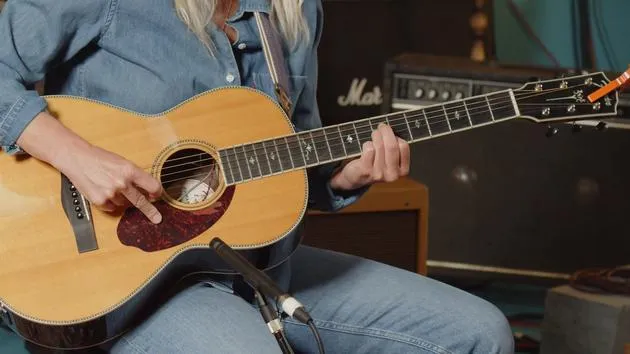
05. Everywhere I Go - Intro im Fingerpicking
4:51
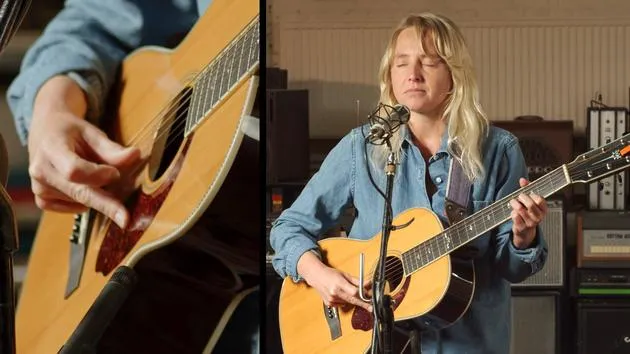
06. Everywhere I Go - Performance (mit Akkorden)
4:03
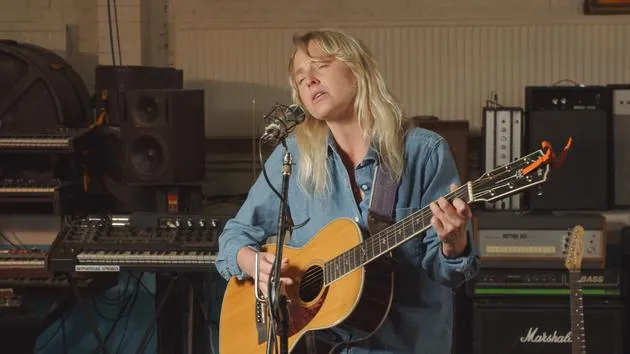
07. Everywhere I Go - Performance (eine Kamera)
4:03
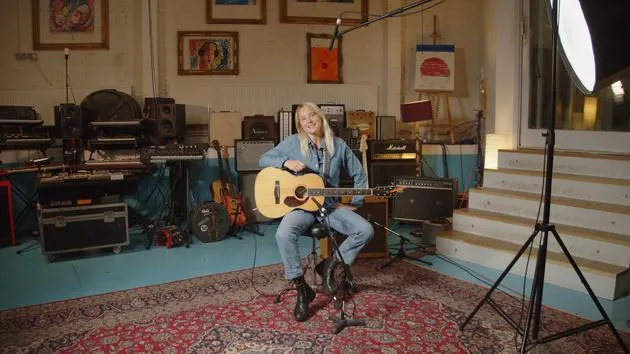
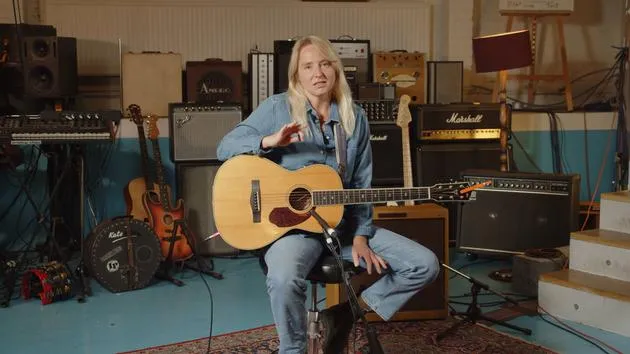
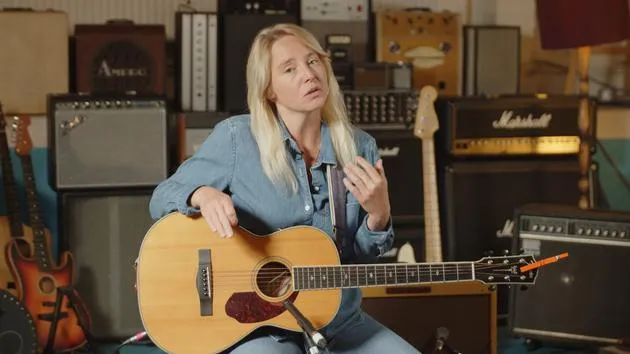
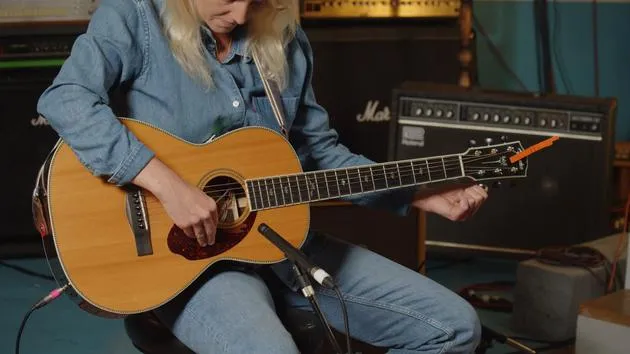
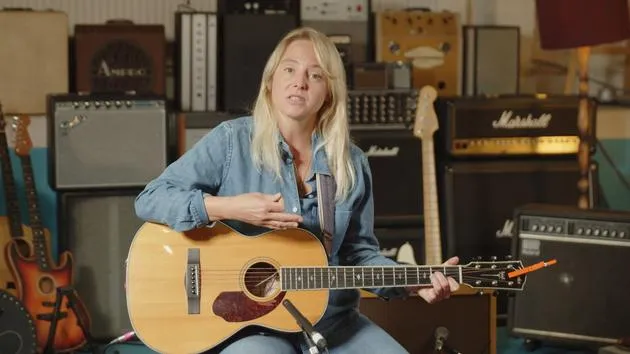
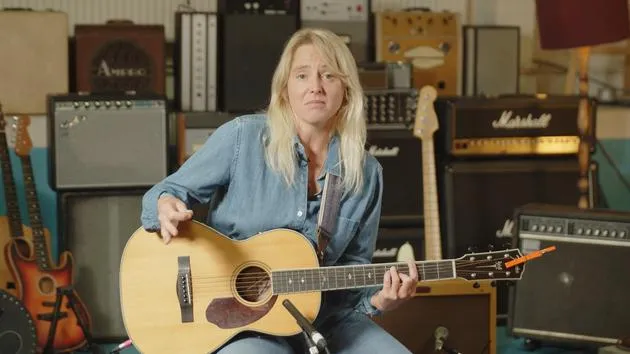
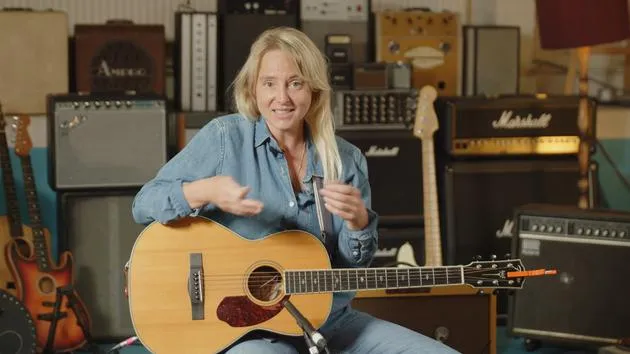
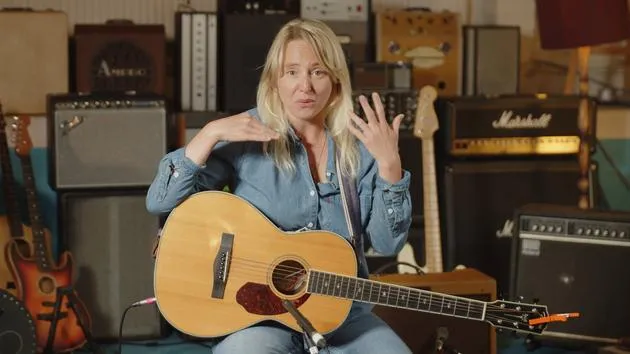
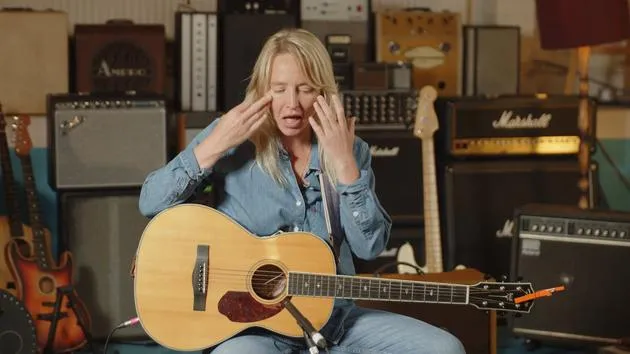
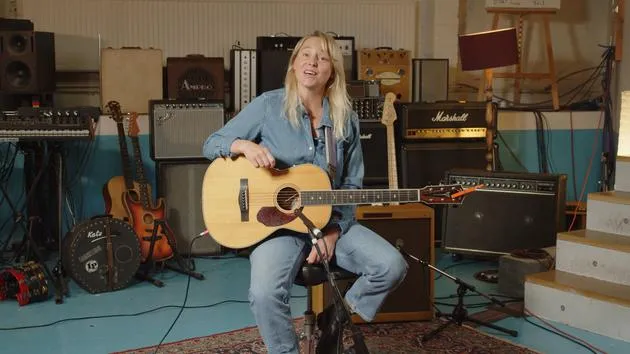
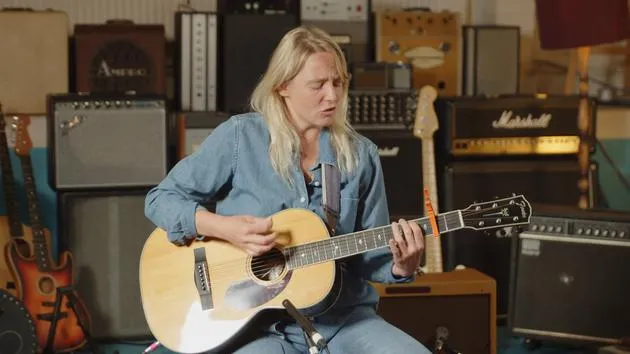
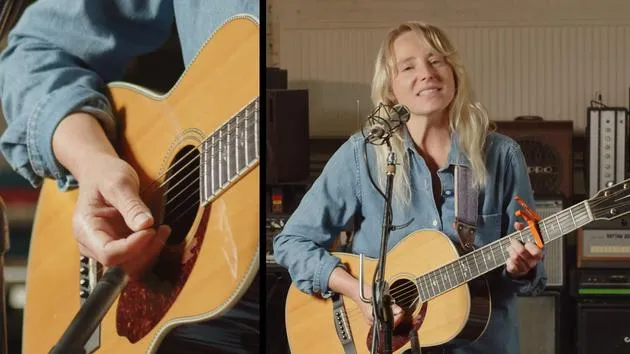
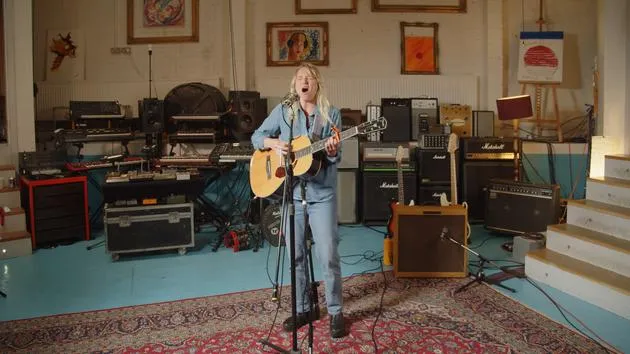
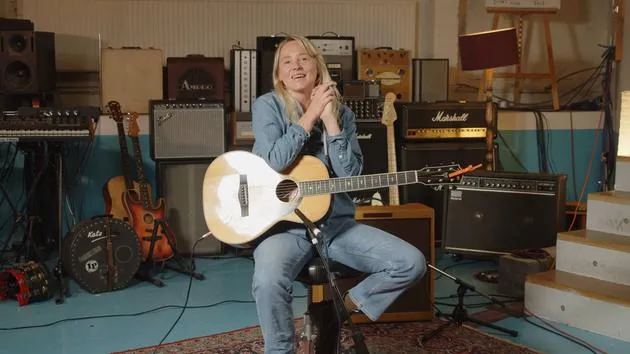
Transkript der Lektion
Music Lesson: When I'm Alone
Introduction
Today, I'm excited to teach you a song that is near and dear to my heart. This early song truly launched my career. When Catching a Tiger came out in 2010, its success opened doors to many festivals and shows, and for that, I am incredibly grateful.
The song is called When I'm Alone.
Song Evolution
A couple of interesting facts about When I'm Alone:
- The recorded version features a very high key.
- We typically play it a little slower on the record.
- In live performances, we tend to play it faster, creating a dynamic experience.
This evolution varies depending on whether I perform it with a full band or solo acoustic.
Capo Basics
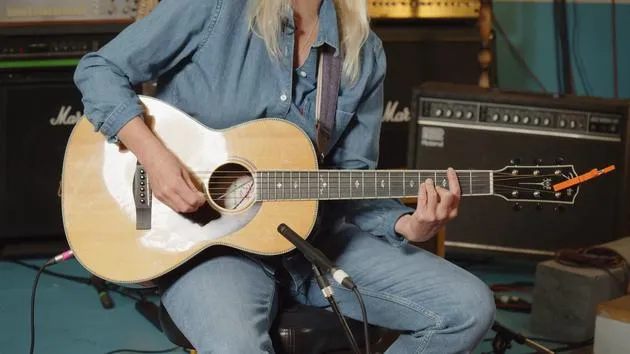
One focus in our lesson today will be the use of a capo. Some people pronounce it differently, but I prefer "capo."
What Does a Capo Do?
A capo allows you to change the key of the song. For example:
- On the record, the capo is usually placed on the fourth fret.
When I perform, I often consider my vocal condition. If my voice feels tired, I may opt to play it in a higher key, such as:
- "When I'm alone with you, you let me feel..."
Or, if I'm feeling strong, I might bring it down to:
- "When I'm alone with you and you make me feel..."
Experimenting with the Capo
If you find that the key doesn't feel right, I encourage you to experiment!
- Start by moving the capo around until you find what feels comfortable.
- Remember, regardless of where you place the capo, knowing your chord shapes is crucial.
Chord Shapes
Here's a list of the chord shapes we'll be using:
- A minor shape
- F shape (I prefer to bar my F chord)
- D minor shape
- E major shape
Verse Structure
In the verse, we have:
- "I turn my back, you were gone in a flash like you always do."
The chord progression is:
- F → D minor → F → E
Repeat this progression.
Chorus Structure
Now moving to the chorus:
- "When I'm alone."
The chords here are:
- F → G → A minor → G → F
Note that I refer to the G shape, but we are technically not playing a G, given the capo's position.
Transitional Notes
There's a transitional note that bridges the first chorus to the second verse:
- Use the B minor → D minor shape.
Example:
- "When I'm alone with you, you are the one."
Then, return to the A minor shape followed by:
- F → D minor → F → E
Final Chorus
The final chorus has:
- F → G → A minor → G → F
This second chorus is a double chorus, and goes like this:
- "When I'm alone with you, you make me feel..."
- "And when I'm alone with you, you are the one."
Conclusion
And that wraps up our lesson on When I'm Alone! Enjoy experimenting with the capo and developing your version of this heartfelt song.
25 Lektionen
1 Std. 37 Min. strukturierte Videolektionen
Erweiterte Videofunktionen
Verlangsamen, Passagen loopen, mitlesen
Handy, Tablet & Desktop
Üben, wo du willst
100 % Zufriedenheitsgarantie
30 Tage Geld-zurück-Garantie
Lern deinen Guru kennen
Lern deinen Guru kennen
Lissie ist eine Folk-Rockerin, die in Rock Island, Illinois, in der Nähe des Mississippi aufwuchs, wo sie schon früh offen ihre Meinung sagte und Songs schrieb. Zum ersten Mal verliebte sich das Publikum in ihre Stimme auf der fünf Songs umfassenden EP 'Why You Runnin'', produziert von Bill Reynolds von Band of Horses, die das Paste Magazine zu seinen Acht vielversprechendsten Musikdebüts zählte.
2010 etablierte ihr erstes Album in voller Länge, 'Catching A Tiger', Lissie ganz unaufgeregt als globale Stimme. Dem Lob aus den USA stand jenes aus Großbritannien in nichts nach, mit Anerkennung von BBC, Evening Standard, Uncut und The Independent, das es als „so erfrischendes Stück Pop, wie es diese abgestumpften Ohren seit Jahren nicht gehört haben" beschrieb. Das Album verkaufte sich weltweit 300.000 Mal, davon 100.000 Mal in Großbritannien, wo es mit Gold ausgezeichnet wurde.
Höhepunkte auf dem Weg:
- Nominiert als Best Breakthrough Act bei den Q Awards und von VH1 als „You Oughta Know"-Künstlerin ausgewählt
- Festivalauftritte bei Glastonbury, Hard Rock Calling, Latitude, Secret Garden Party und Bestival
- TV-Auftritte, darunter Later with Jools Holland und Sunday Brunch
- Rollen auf der Leinwand in Loudermilk und in David Lynchs Twin Peaks, wo NME ihre „intensive" Darbietung lobte, mit der sie die Episode mit dem an Stevie Nicks erinnernden 'Wild West' beschloss: „Rock Islands aufregendste Troubadourin hat sich ihre von Lynch beauftragte Bildschirmzeit mehr als verdient."
- 'Carving Canyons' (Veröffentlichung am 16. September), ihr erstes Album in voller Länge seit dem 2018 in die britischen Top 10 gelangten 'Castles'
In ihrem Gitarrenkurs teilt Lissie die Akkorde, das Schlagmuster und den Songwriting-Instinkt hinter ihren Songs – alles, was du brauchst, um wie Rock Islands beste Troubadourin zu spielen.







