



Meine Gesangstechnik
Mit
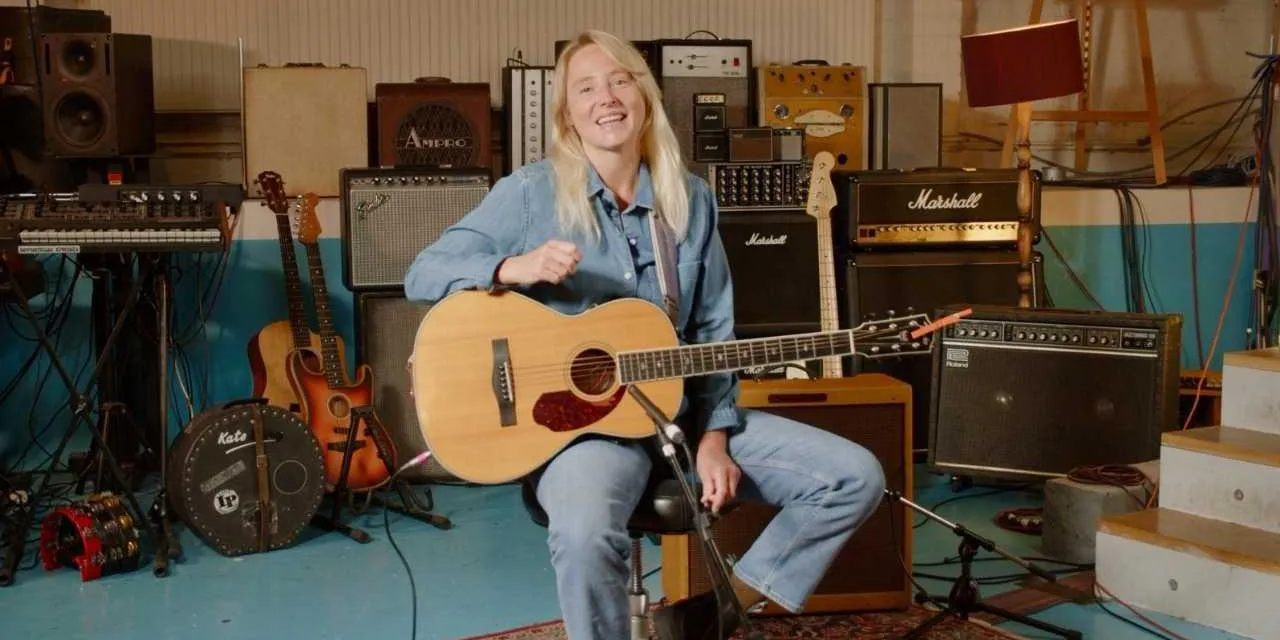
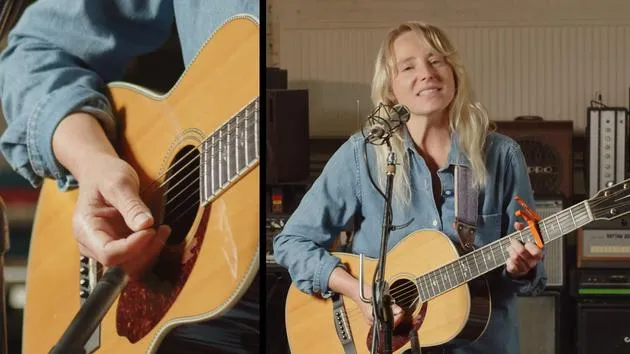
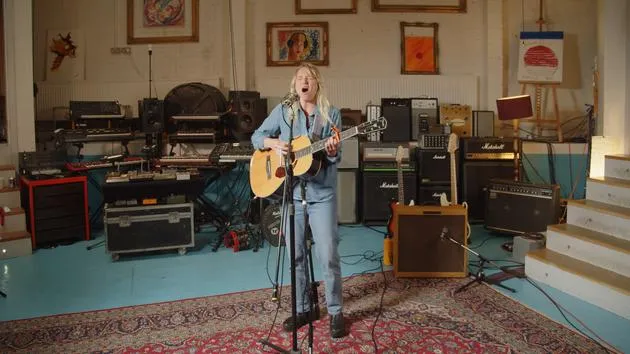
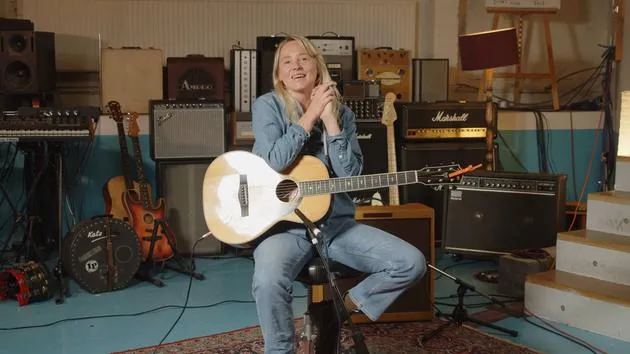
LissieDie Singer-Songwriterin Lissie erzählt, wie sie gelernt hat, gleichzeitig zu singen und Gitarre zu spielen, und welche frühen Gewohnheiten ihren Gesangsstil geprägt haben.
Das steckt im Kurs
25 Lektionen (1h 37m) · 1 gratis
01. Everywhere I Go - Hintergrund und Erinnerungen
7:18
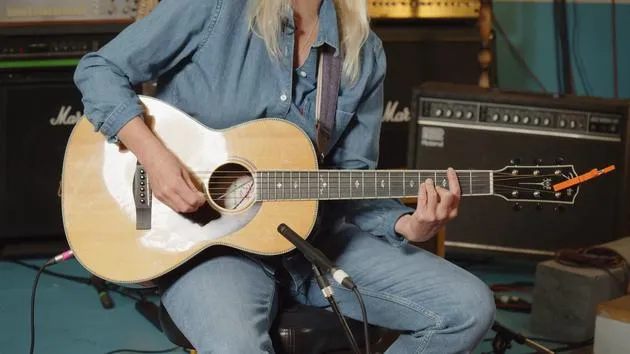
02. Everywhere I Go - Die Akkorde
3:16
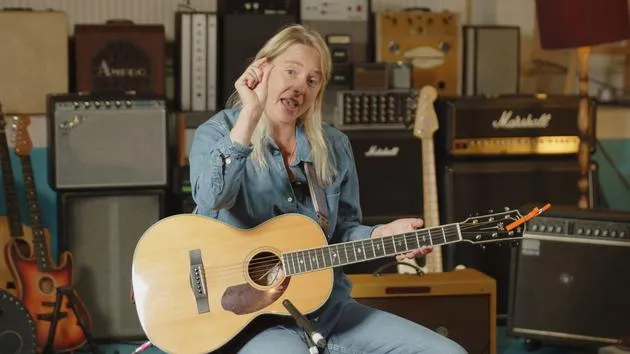
03. Everywhere I Go - Die Bridge
3:35
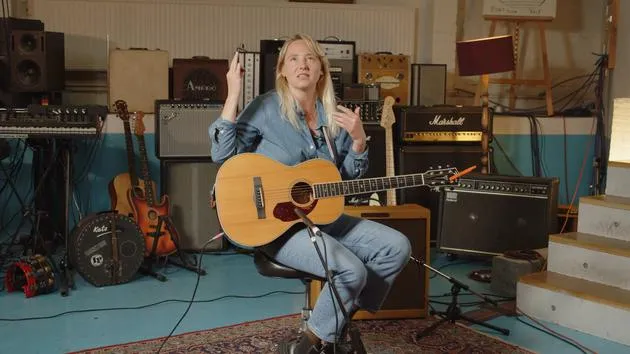
04. Everywhere I Go - Solo
1:41
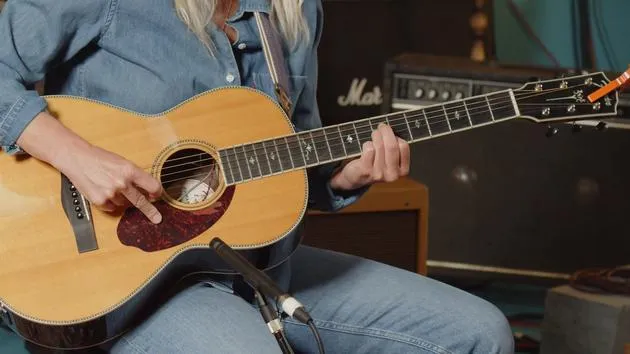
05. Everywhere I Go - Intro im Fingerpicking
4:51
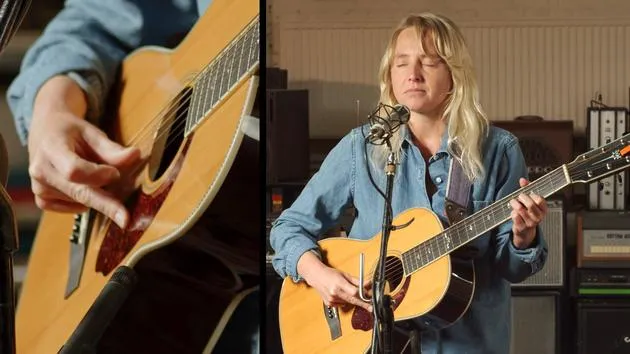
06. Everywhere I Go - Performance (mit Akkorden)
4:03
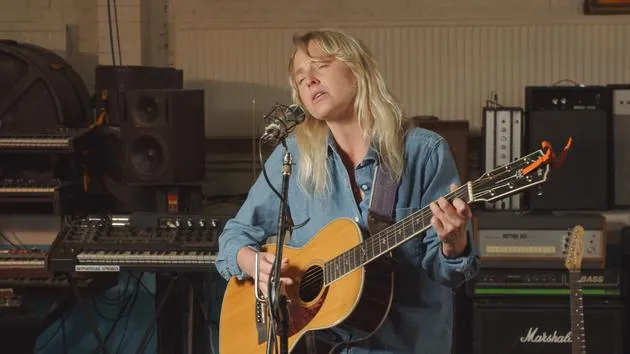
07. Everywhere I Go - Performance (eine Kamera)
4:03
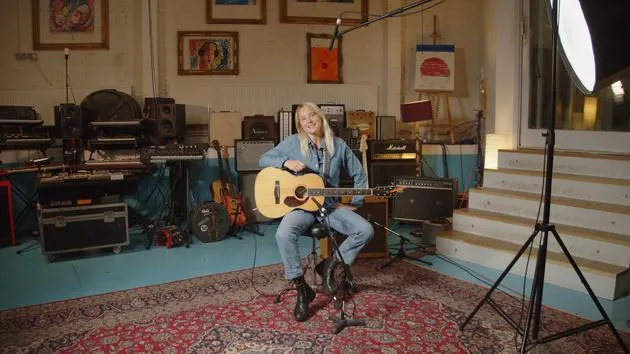
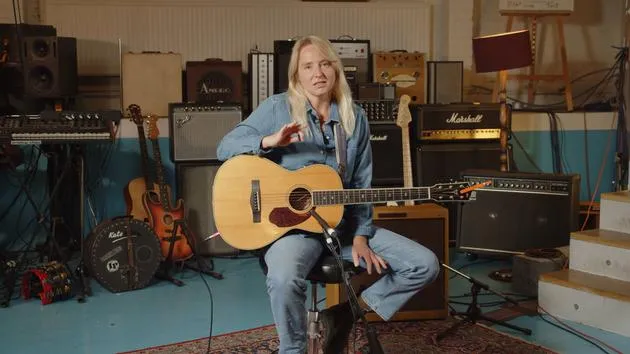
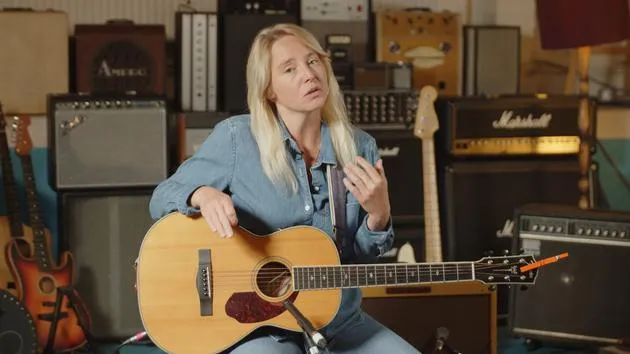
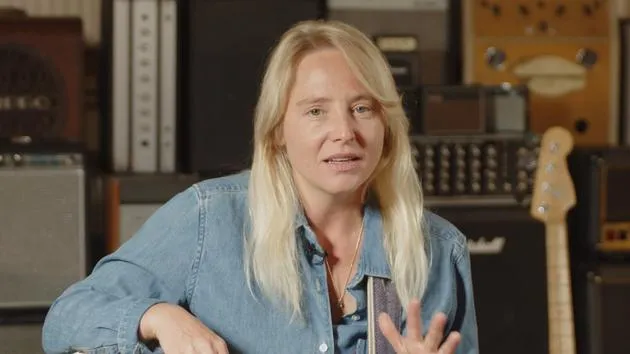
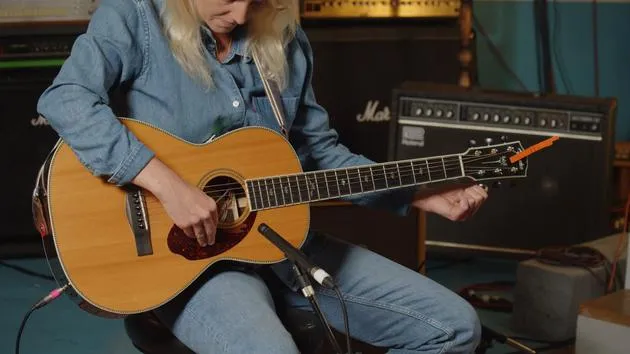
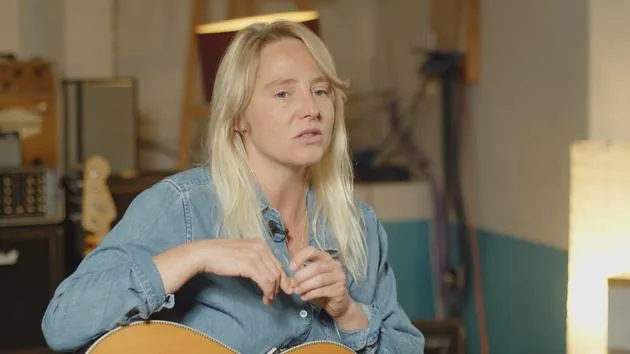
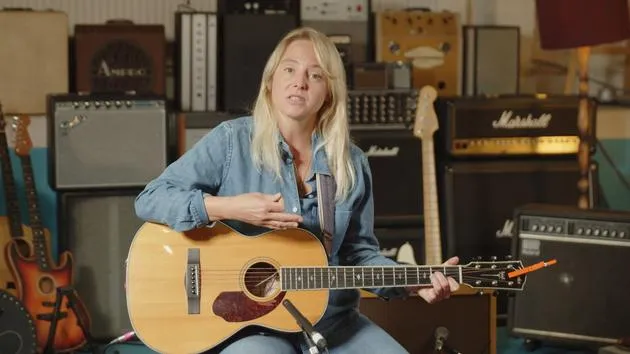
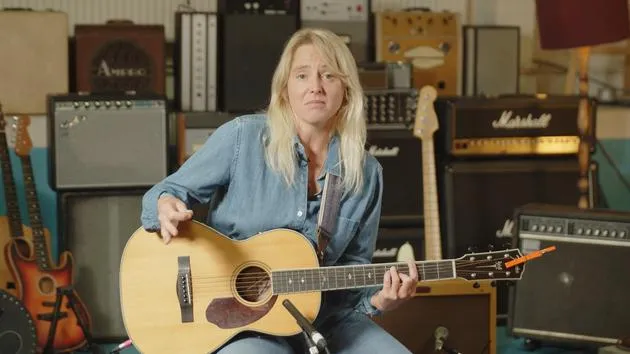
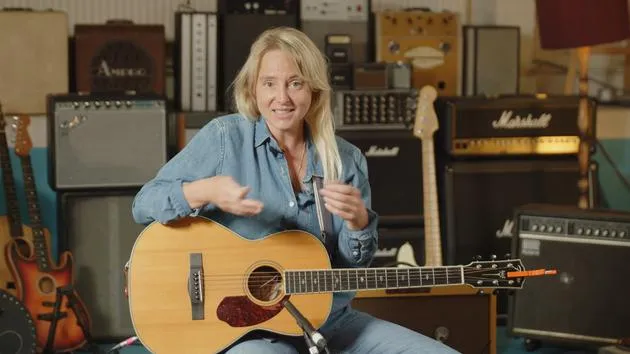
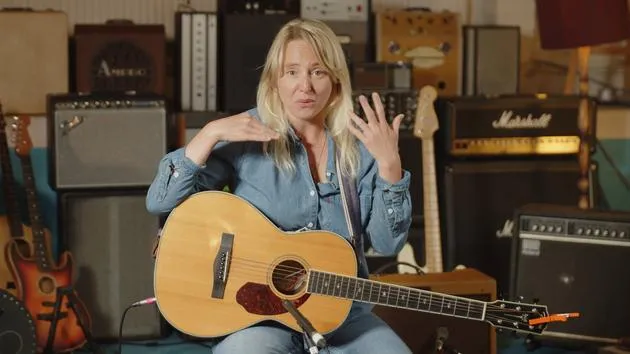
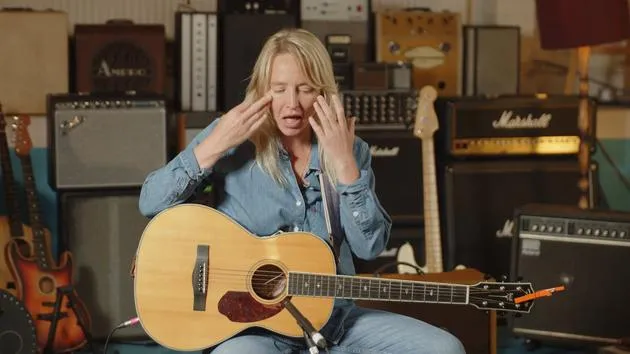
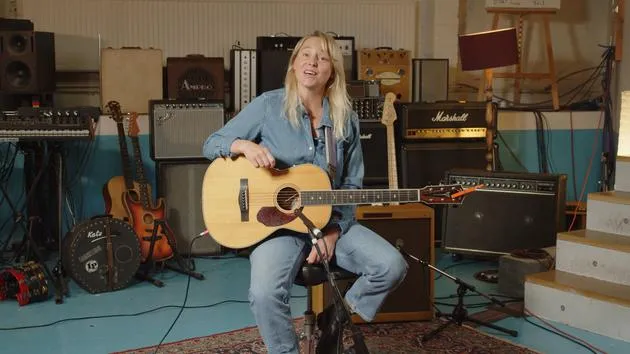
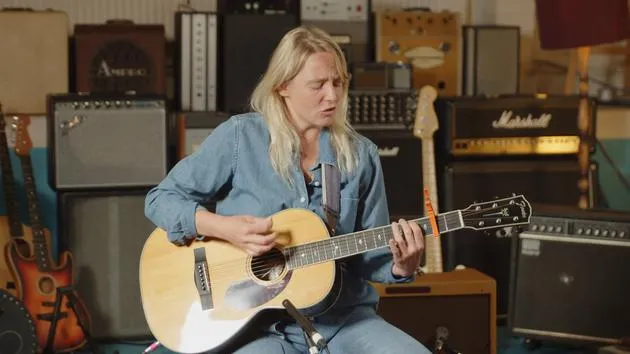
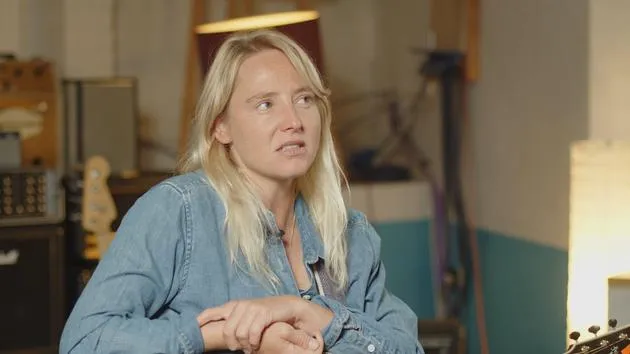
Transkript der Lektion
My Musical Journey and Vocal Techniques
Early Beginnings
So as far back as I or my family can remember, I was always singing as a really tiny child. There's video of me humming to myself and always wanting to get up and perform for people. I somewhat attest this to my grandfather, who was a barbershop quartet champion and was always singing and performing in musicals.
From a really young age, I was exposed to music in the house and at church, and I just always loved to sing. I think the vibration of singing was comforting; when I was upset, my mom would sing me to sleep. That became a self-soothing mechanism I learned for myself.
Learning Guitar and Songwriting
Once I began playing the guitar, it felt natural for me to sing while playing. For others, it might be like patting your head while rubbing your belly, challenging to do two things at once. To get comfortable, I started learning how to play other people's songs. I quickly figured out where the chords started and ended based on various music books.
Before I could really play the guitar, I often made up songs and melodies to express my feelings, whether I was frustrated or happy.
My Approach to Guitar and Voice
When it came to writing my own songs, my approach to the guitar was less mathematical and more emotional:
- How does this chord make me feel?
- I used the guitar, my voice, and my melody ideas as tools of expression.
One of the first songs I learned to play was "There is a house in New Orleans they call the Rising Sun." I built up my chord repertoire over time, focusing on muscle memory.
Discovering My Voice
I've sung my whole life and always had a big, gravelly voice. I remember singing at the top of my lungs, which probably drove some people nuts! At age 9, I performed in a musical, Annie, where I played Little Orphan Annie with a demanding belty role. After 82 performances, I noticed that my voice would get hoarse or tired, leading me to take voice lessons in junior high.
Vocal Training
- My early voice lessons focused on classical vocal training.
- I learned techniques for sight-reading and how to warm up my voice.
In high school, I was briefly a cheerleader, which involved a lot of shouting. I didn't take care of my voice properly and ended up getting nodules on my vocal cords, which required removal at 18. This taught me the importance of vocal care.
Touring and Vocal Maintenance
After releasing my first album, I started touring and playing shows nightly, often leading to vocal strain. I had to learn how to keep my voice in good shape through experience, and I found a great vocal coach in Los Angeles named Carol Tingle.
She tailored warm-ups specific to my voice, which were essential before and after singing. Proper vocal health included:
- At least eight hours of sleep
- Staying hydrated
- Vocal rest when needed
After shows, while most band members would go out to have fun, I often had to return to my hotel room to sit in silence and drink tea.
Techniques for Effective Singing
During my early twenties, I had the chance to work with amazing producer Glen Ballard, who taught me valuable insights about singing. I remember Annie Lennox at a dinner where she described a technique involving opening a specific space in your head for easier singing.
To help with breath control, I learned to:
- Breathe through a straw (mentally visualizing it):
- This gives you more breath and power to hit high notes without straining your voice.
I also practiced various exercises to loosen up my face and jaw. Some might sound ridiculous, but achieving flexibility in my face creates more space for sound to resonate.
Conclusion
If you are passionate about singing, I advise finding a vocal coach who can help you with:
- Breath Control and Technique: Understanding how to keep that space open in your sinuses and throat.
- Vocal Warm-Ups: Developing a routine that works for you.
While it might feel silly at times, warming up is crucial. Skipping this step can lead to regret and potential vocal strain, so take your vocal health seriously!
25 Lektionen
1 Std. 37 Min. strukturierte Videolektionen
Erweiterte Videofunktionen
Verlangsamen, Passagen loopen, mitlesen
Handy, Tablet & Desktop
Üben, wo du willst
100 % Zufriedenheitsgarantie
30 Tage Geld-zurück-Garantie
Lern deinen Guru kennen
Lern deinen Guru kennen
Lissie ist eine Folk-Rockerin, die in Rock Island, Illinois, in der Nähe des Mississippi aufwuchs, wo sie schon früh offen ihre Meinung sagte und Songs schrieb. Zum ersten Mal verliebte sich das Publikum in ihre Stimme auf der fünf Songs umfassenden EP 'Why You Runnin'', produziert von Bill Reynolds von Band of Horses, die das Paste Magazine zu seinen Acht vielversprechendsten Musikdebüts zählte.
2010 etablierte ihr erstes Album in voller Länge, 'Catching A Tiger', Lissie ganz unaufgeregt als globale Stimme. Dem Lob aus den USA stand jenes aus Großbritannien in nichts nach, mit Anerkennung von BBC, Evening Standard, Uncut und The Independent, das es als „so erfrischendes Stück Pop, wie es diese abgestumpften Ohren seit Jahren nicht gehört haben" beschrieb. Das Album verkaufte sich weltweit 300.000 Mal, davon 100.000 Mal in Großbritannien, wo es mit Gold ausgezeichnet wurde.
Höhepunkte auf dem Weg:
- Nominiert als Best Breakthrough Act bei den Q Awards und von VH1 als „You Oughta Know"-Künstlerin ausgewählt
- Festivalauftritte bei Glastonbury, Hard Rock Calling, Latitude, Secret Garden Party und Bestival
- TV-Auftritte, darunter Later with Jools Holland und Sunday Brunch
- Rollen auf der Leinwand in Loudermilk und in David Lynchs Twin Peaks, wo NME ihre „intensive" Darbietung lobte, mit der sie die Episode mit dem an Stevie Nicks erinnernden 'Wild West' beschloss: „Rock Islands aufregendste Troubadourin hat sich ihre von Lynch beauftragte Bildschirmzeit mehr als verdient."
- 'Carving Canyons' (Veröffentlichung am 16. September), ihr erstes Album in voller Länge seit dem 2018 in die britischen Top 10 gelangten 'Castles'
In ihrem Gitarrenkurs teilt Lissie die Akkorde, das Schlagmuster und den Songwriting-Instinkt hinter ihren Songs – alles, was du brauchst, um wie Rock Islands beste Troubadourin zu spielen.







