



Go Ahead And Play (Lektion)
Mit
David Cullen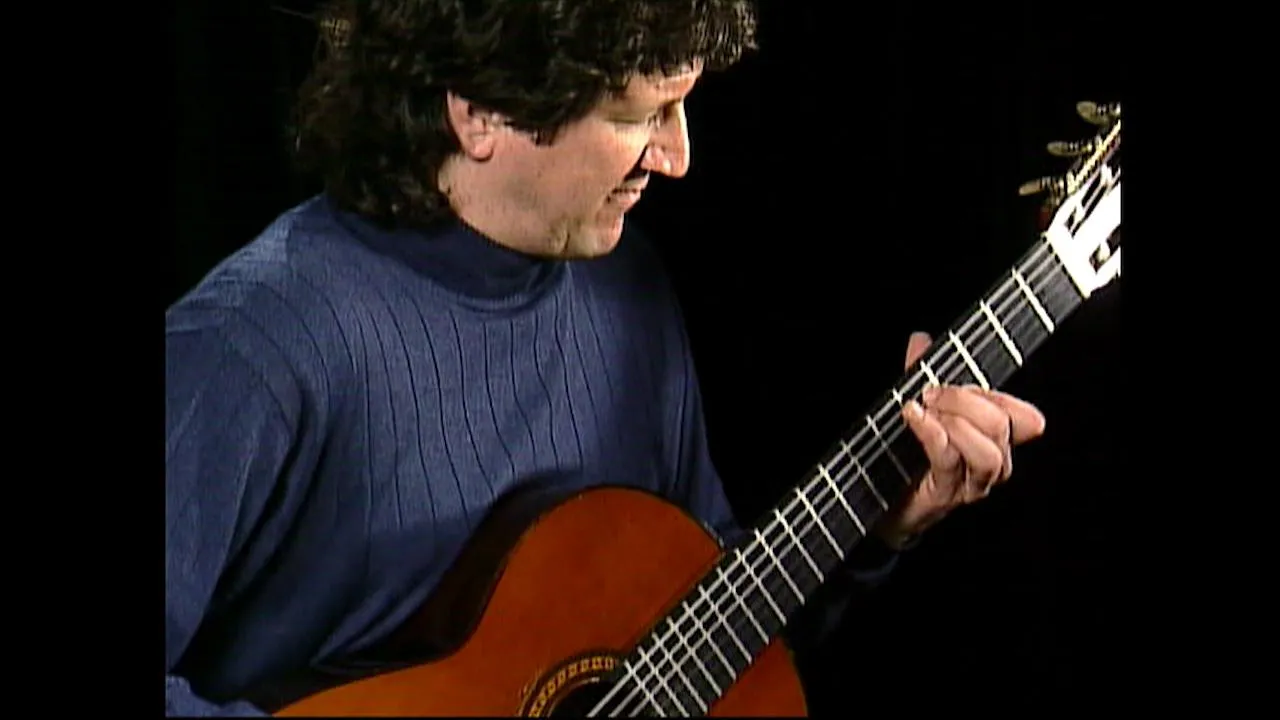
Das steckt im Kurs
14 Lektionen (1h 37m) · 1 gratis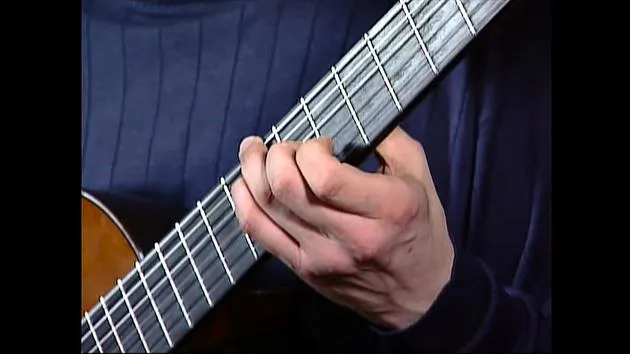
01. Blue Counterpoint (Performance)
Gratis-Lektion4:09
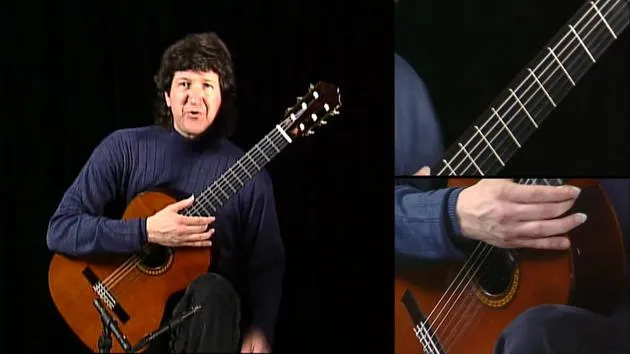
02. Blue Counterpoint (Lektion)
9:44
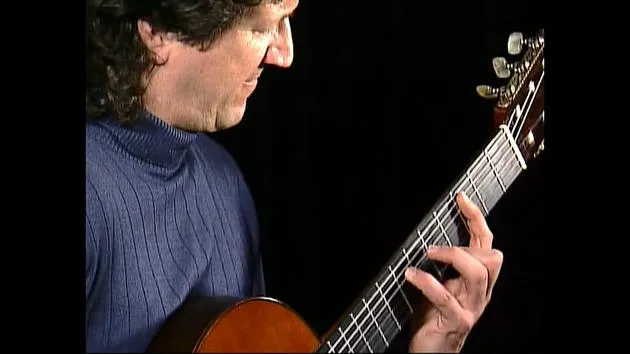
03. Indigo Blue (Performance)
4:32
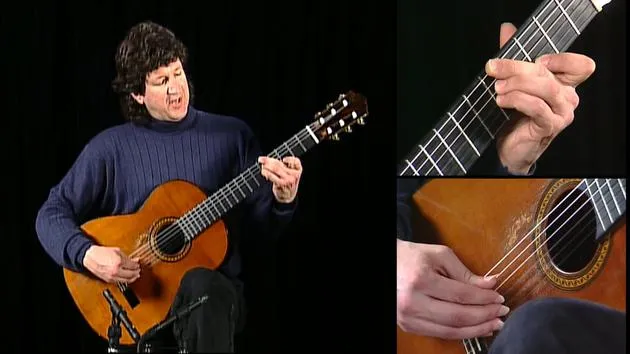
04. Indigo Blue (Lektion)
10:56
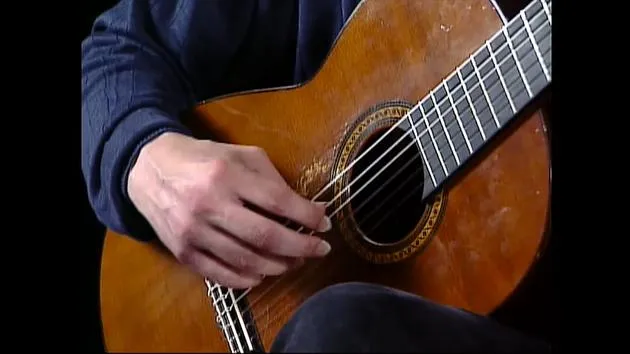
05. Groove Etude (Interpretation)
4:09
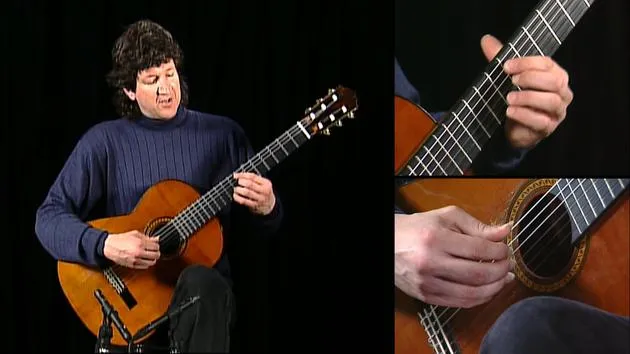
06. Groove Etude (Lektion)
9:20
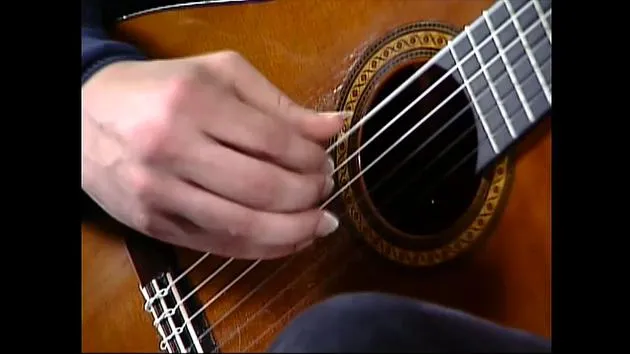
07. Midari (Performance)
4:50
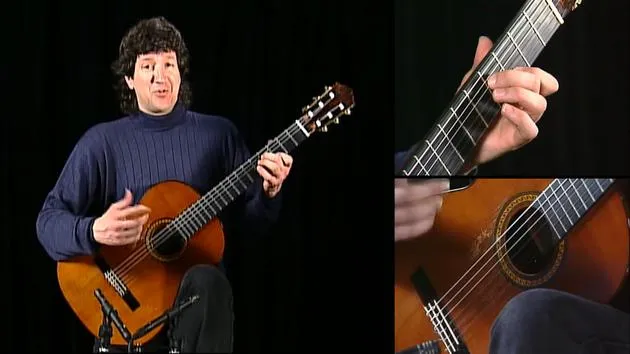
08. Midari (Lektion)
10:09
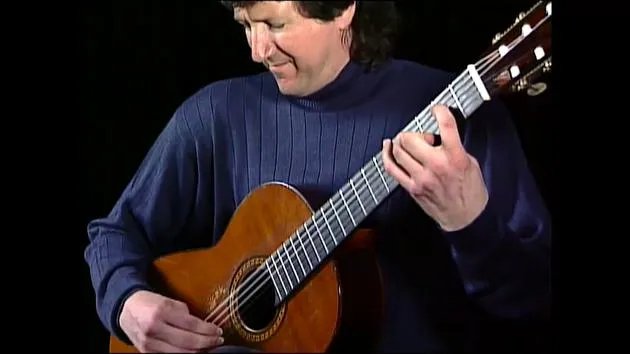
09. Bahama Beach (Aufführung)
5:14
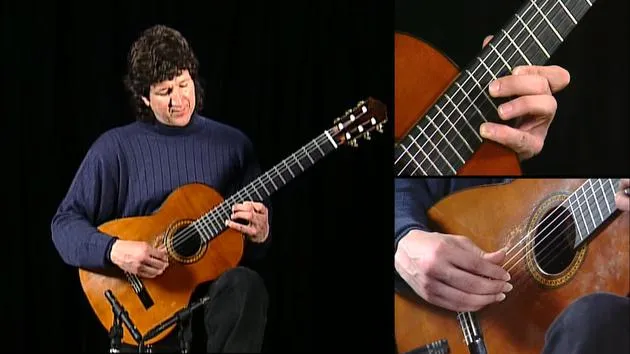
10. Bahama Beach (Lektion)
9:47
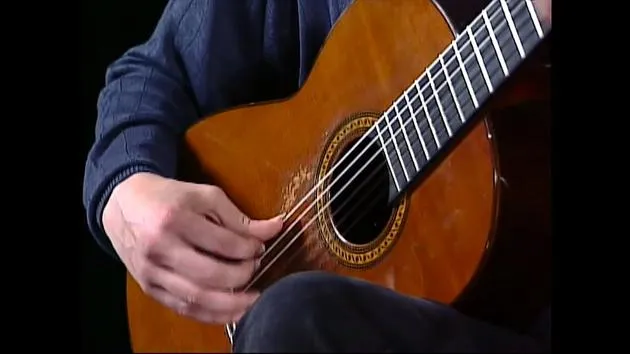
11. Go Ahead And Play (Interpretation)
4:22
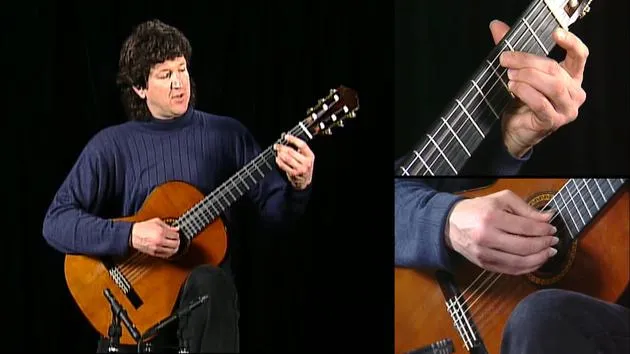
12. Go Ahead And Play (Lektion)
Du bist hier10:10
13. BONUS: Coming Home (Performance)
4:14
14. BONUS: Ebb And Flow (Interpretation)
5:44
Transkript der Lektion
Go Ahead and Play: Music Lesson
Introduction
Alright, this tune is a fun one. This one is called Go Ahead and Play.
Way back in the day, you know, I used to play with a really funky band, and we'd play in this bar. They would let you know if you were playing well or not. If you were playing well, they'd say, "Yeah, go ahead and play, go ahead and play." So that's how we got that title.
Introduction Technique
Let's start with the introduction on this one. This has a jazzy hip hop feel to it.
There's a trick that I learned from a bass player years ago, about pulling back down off the string. Notice how I'm pulling right back down and putting my finger right back on. A bass player used to walk his bass lines like that. I thought, "Wow, if he's doing that, I can try that on the classical guitar sometime."
Let's go through that introduction nice and slowly, now with a bit more speed, so you can get your groove going.
Refrain
That leads us to our refrain, which comes right up at the top of the tune.
I'm going to call it the refrain followed by a cool succession of chords going down over the open E string.
- First, we have a C9 chord.
- Then we back that shape up one fret each to create a B11 chord.
- Next, we move down with our first finger on Bb and our second finger on C to create a C chord over Bb in the bass.
- After that, we slide our second finger back up and let the A be open for a nice sounding A7 chord.
- Then we're in shape to play a C# minor 7th chord.
- Lastly, we can also play an F# minor 7th chord followed by this little riff, kind of pulling off to that.
Let's hear that slowly in time so you can hear how those chords fit against the groove. I'll do it again now, a little bit more up to speed.
Now let's try without the metronome to start thinking of that beat inside.
Verse
After that, it leads us to our verse. We have a shape that I've used a few times before, and you'll start to recognize them after a while.
- Here, it creates a nice A minor 9 chord.
- Then I take it down to G# minor 7, followed by a G7 chord while keeping that pinky down the whole time.
- Next, I go back to my nice A minor 9 to a G# augmented chord, resolving to a C# minor 7 chord.
- Finally, back to my E minor 9, with descending notes now up to a B augmented chord at the seventh fret, followed by our little riff.
Let's hear that in time, a little bit slower. Now let's hear it a little bit faster.
3, 4. Alrighty.
Hook
This leads us to a really cool succession of chords that I call the hook.
What I'm doing is something we call reharmonization. I'm taking just a basic blues scale and reharmonizing those notes with some cool chords:
- First, we have this shape:
- E13 chord
- C# minor 7 chord
- G with B in the bass
- A 13th chord
- Back to C minor 7.
- I slide this up.
Alright, let's hear that in time and in the right order with everything. I think you'll understand it better when you hear it like that.
3, 4. Now let's hear it faster with the click. Now let's hear it without the click.
Let's hear it with your inner click. A one, a two, a one, two.
Ending
And that leads us to our ending. As we're going to the end, we want to groove out on this infectious little riff that seems to have come under my fingers.
It's a fun little riff. Once again, don't be afraid to add a bit of your own improvisation at the end there.
The main thing is to keep the groove of it going.
See that without the click? You can add in the higher voicings in between, just to add your own little sense of style to it.
14 Lektionen
1 Std. 37 Min. strukturierte Videolektionen
Erweiterte Videofunktionen
Verlangsamen, Passagen loopen, mitlesen
Handy, Tablet & Desktop
Üben, wo du willst
100 % Zufriedenheitsgarantie
30 Tage Geld-zurück-Garantie
Lern deinen Guru kennen
Lern deinen Guru kennen
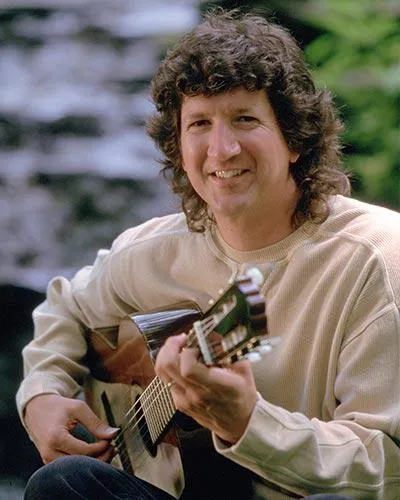
David Cullen ist Gewinner eines Grammy Awards für die beste instrumentale Pop-Aufnahme. Er ist mit Will Ackerman, Samite, Michael Manring, Victor Wooten und dem Philly Pops Orchestra aufgetreten und erwarb seinen Bachelor of Music in klassischer Gitarre an der Hartt School of Music.
Als Meister der akustischen Solo-Fingerstyle-Gitarre bewegt sich David mühelos zwischen klassischer Technik, Jazzharmonik und Improvisation sowie eigenen Originalkompositionen. Er ist in ganz Nordamerika für Klassikgitarren-Gesellschaften, Jazzfestivals und Kulturreihen aufgetreten, hat 10 CDs beim Akustikgitarren-Label Solid Air Records veröffentlicht, und seine Aufnahmen liefen auf NPR-Sendern in ganz Amerika.
Zu seiner Studioarbeit zählen der Windham Hill Guitar Sampler und weitere Windham-Hill-Kompilationen. David hat außerdem zwei Bücher bei Warner Brothers Publications veröffentlicht: "Jazz, Classical, and Beyond" und "Grateful Guitar".







