Die Register der Stimme

Mit
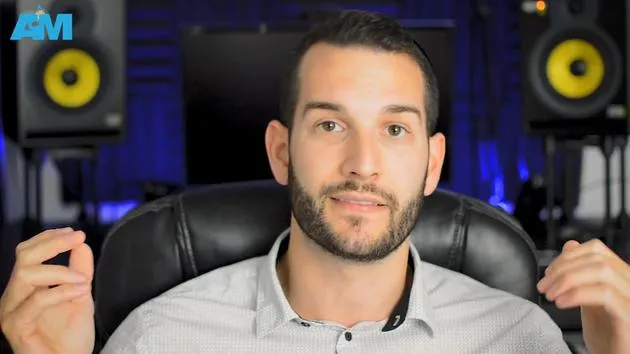
Adam MishanAdam Mishan geht die Stimmregister durch, vom Vocal Fry und der Bruststimme über die Mischstimme und Kopfstimme bis zum Pfeifregister, und wie jedes klingt.
Das steckt im Kurs
24 Lektionen (1h 9m) · 4 gratis





Transkript der Lektion
Understanding Vocal Registers
What Are Vocal Registers?
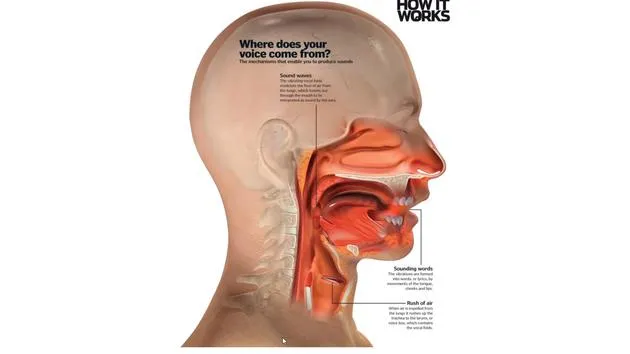
Vocal registers refer to two main aspects:
- Coordination of the Vocal Cords: This involves the resonance associated with how the vocal cords function.
- Sound Produced: The actual sound each register generates.
The Registers (from low to high):
- Vocal Fry
- Chest Voice
- Mixed Voice
- Head Voice
- Whistle Register
1. Vocal Fry
- Description: Vocal fry is the lowest register. It doesn't necessarily have a defined pitch.
- Characteristics:
- Generally not used in sung phrases.
- Commonly incorporated into speaking styles, but isn't typical for regular conversations.
Example Sound:
It resembles a creaky, poppy sound, like when someone feels groggy in the morning, as in, "I don't want to get out of bed today."
- Mechanics: Vocal cords stay open longer during vibrations and are very loose, with little tension.
2. Chest Voice
-
Description: Chest voice is where most spoken communication occurs and where many song verses sit.
-
Characteristics:
- Robust, warm, and full tone.
- Enables mixing higher notes while maintaining a strong sound.
-
Dominant Muscle:
- The thyroarytenoid muscle is primarily involved, running along the inner part of the vocal cord.
3. Mixed Voice
- Description: A blend of head and chest resonance.
- Characteristics:
- Most sought-after register among singers.
- Allows pop singers to reach higher notes while maintaining fullness.
How It Works:
- When using mixed voice, the thyroarytenoid muscle and the cricothyroid muscle combine:
- Chest voice: Robust sound.
- Head voice: Higher pitch with a light quality.
Example Sound:
- This is achieved by seamlessly blending the two registers.
4. Head Voice
-
Description: Head voice is lighter and often flutier in quality than mixed voice.
-
Characteristics:
- Can be strengthened for a stronger sound but retains a light quality.
-
Dominant Muscle:
- The cricothyroid (CT) muscle operates predominantly in head voice.
Example Sound:
A simple "whoo" showcases the head voice.
- Mechanics: The sound resonates higher in the head and no longer predominantly comes out of the mouth, resulting in different vibrations and resonance.
5. Whistle Voice
- Description: Whistle voice occurs when the vocal cords engage a small area to create a very high pitch.
- Characteristics:
- The sound is extremely high and piercing, akin to a whistle.
Example Sound:
- It resembles the sound of a whistle, exemplifying the highest vocal register.
By understanding these registers, singers can better manipulate their vocal abilities and sound production for various styles and genres.
24 Lektionen
1 Std. 9 Min. strukturierte Videolektionen
Erweiterte Videofunktionen
Verlangsamen, Passagen loopen, mitlesen
Handy, Tablet & Desktop
Üben, wo du willst
100 % Zufriedenheitsgarantie
30 Tage Geld-zurück-Garantie
Lern deinen Guru kennen
Lern deinen Guru kennen
Adam Mishan ist ein Gesangscoach, der sich das Singen selbst beigebracht hat. Seine Videos dokumentieren den Weg von der Unfähigkeit, einen Ton zu halten, bis zum Singen mit echter Kontrolle, und genau dieser Weg prägt heute seine Art zu unterrichten - über 200.000 Menschen folgen ihm auf YouTube. In seinen Kursen arbeitest du in kleinen, wiederholbaren Schritten an Intonation, Atemstütze, Klang und Stimmumfang - genau so, wie er seine eigene Stimme aufgebaut hat.