



Four ways to approach the exercises
With
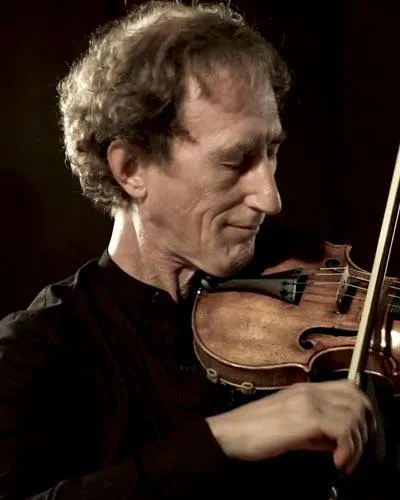
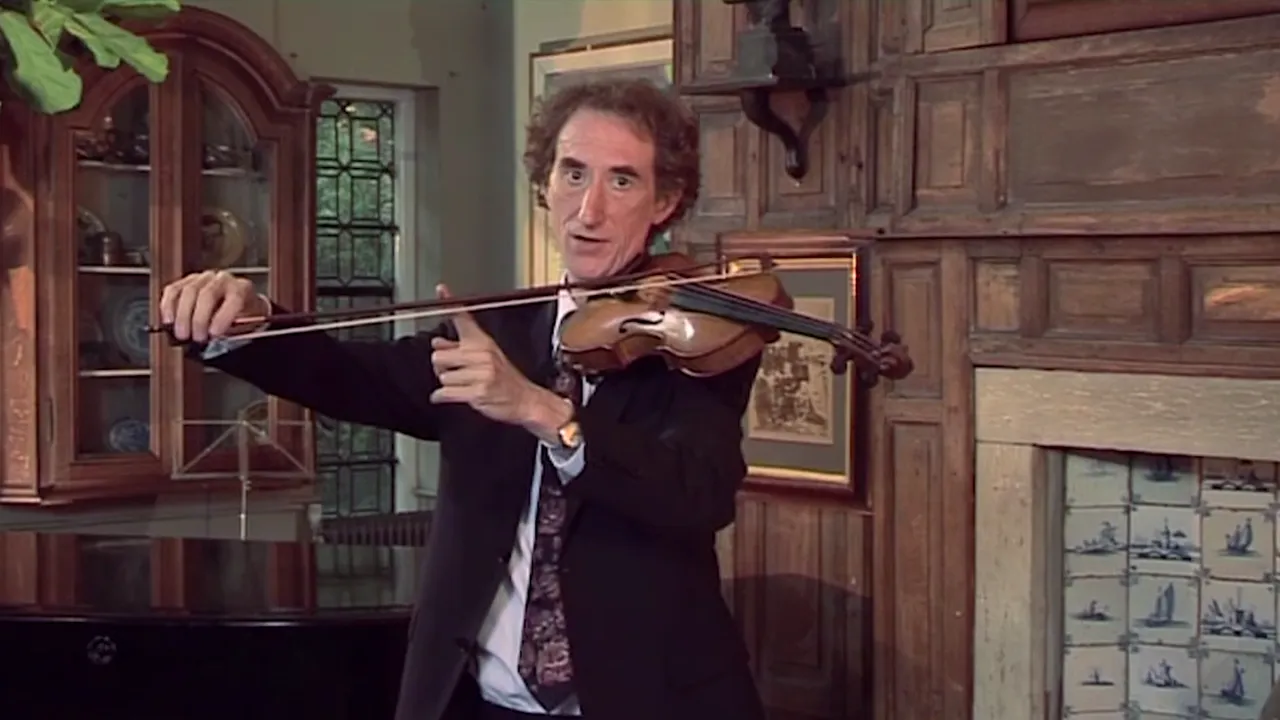
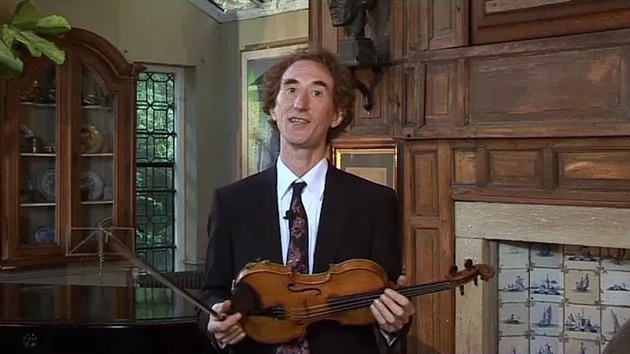
Simon FischerSimon Fischer explains four ways to approach the tone-production exercises at once, from listening closely to every sound to feeling the bow hair in the string.
What's in the course
11 lessons (0h 42m) · 1 free
01. Introduction
0:49
02. Four ways to approach the exercises
You are here2:14
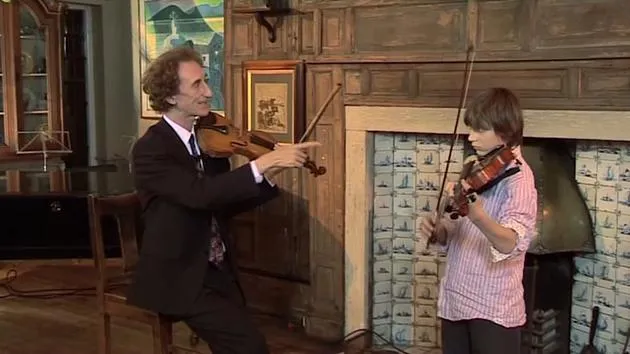
03. Five soundpoints
Free lesson4:39
04. The bow-hair and the string
5:18
05. Bow-pressure & pitch
0:48
06. Bow-pressure & string length
2:13
07. The tilt of the bow
4:14
08. About Resonance
3:15
09. Not following the line of least resistance
2:24
10. Quality of sound: upper partials
2:14
11. Proportions
14:04
Lesson transcript
Tone Production Exercise
When doing any tone production exercise, you can approach it from four different angles at the same time.
1. Listening Closely
- The first thing is to listen so closely that you hear every sound that comes out of the instrument.
- Dorothy Delay used to say, "You have to hang your ears on the sound."
- You must concentrate on the sound and expression so much that everything else recedes into the background.
- This is something that many players have to develop.
- It doesn't necessarily follow that if you're a good musician, you're good at listening to your own sound.
- These tone exercises are excellent in the way they increase your ability to focus on many distinct elements in the overall sound.
2. Sensitivity to Feelings
-
The second thing is to be sensitive to:
- The feeling of the hair in the string.
- The fingers on the bow.
-
Connect every sound with a physical sensation.
-
Connect every physical sensation with a sound.
-
The sensations of playing are what the sound feels like, and the sound is what the sensations sound like.
3. Observing the Vibrating String
- The third thing is to look at the vibrating string.
- See how wide you can get it at the point midway between the bridge and the finger.
- You want to see it as wide as possible right there.
- Of course, you don't look at the strings vibrating when you're in the middle of performing music, but you can look at them when you're doing tone production work on one note.
4. Understanding the Contact Point
-
The final thing is to understand what is actually happening at the contact point of the hair with the string.
-
This is simpler than it may appear, since there are only three things to think about:
- Speed of bow
- Pressure
- Sound point
-
You can describe everything that is happening in the bow and in the sound exactly and instantly, using very few words.
-
All you need to think is:
- Less pressure
- More pressure
- Nearer the bridge
- Further from the bridge
- Faster bow
- Slower bow
-
By trying more and less of each and noting the result, you can find the balances and proportions that make the string vibrate the widest.
11 lessons
0h 42m of structured video lessons
Advanced video features
Slow down, loop a passage, follow along
Mobile, tablet & desktop
Practise wherever you are
100% satisfaction guarantee
30-day money-back guarantee
Meet your guru
Meet your guru
Simon Fischer enjoys a distinguished and wide-ranging career as a performer, educator and recording artist.
He has performed worldwide as a recitalist, and committed three Brahms Sonatas to record, a recording that received high praise in Gramophone Magazine.
Simon is recognised as having a place amongst the world's elite teachers. He is a professor at the Guildhall School of Music, and has held positions at the Yehudi Menuhin School, Wells Cathedral School and the Purcell School, and for 15 years was a visiting professor at the Royal Scottish Academy of Music. Having studied in London with Yfrah Neaman, and in New York with Dorothy DeLay, Fischer's approach unites the best elements of the French, Russian and American violin traditions.
Fischer's published work greatly influences the teaching of the violin. Having written for The Strad magazine since 1991, his monthly articles have attracted a worldwide following. Published by Edition Peters, his technique books Basics and Practice (translated into Korean, Italian and German), Scales and The Violin Lesson, and the DVD The Secrets of Tone Production (now available to stream via MusicGurus), have become standards on many continents. His book and DVD Warming Up was described by The Strad magazine as "23 pages of pure technical gold".
In 2014 Simon Fischer was awarded the European String Teachers Association prize "In celebration of a lifetime contribution to String Teaching".
In his four-part Secrets of Tone Production course, Simon guides you through getting to know your instrument and then working through his fundamental tone exercises step by step, so you can produce a richer, more controlled and more beautiful sound on the violin.







