



Liaisons - Introduction et exercices
Avec
James RaeJames Rae présente les liaisons au saxophone, en passant en douceur d'une note à l'autre sans coup de langue, avec des exercices à travailler.
Copyright © 2023 Universal Edition (London) Ltd. All compositions by James Rae except where otherwise indicated.
Le contenu du cours
30 leçons (0h 35min) · 1 gratuites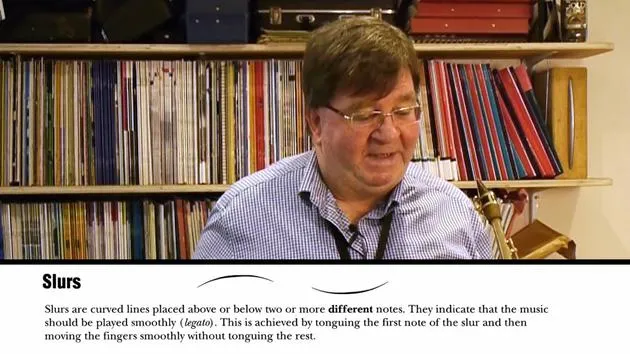
Transcription de la leçon
Understanding Slurs in Music
This next section introduces what we call slurs.
Slurred vs. Tongued Notes
Up to now, we've been playing tongued notes. As well as tongued notes, we have slurred notes.
- Slurs are curved lines that connect different notes.
- Unlike ties, which can only connect two notes at a time, slurs can be over any amount of notes. You can even have a slur over an entire page of music. While this is very unusual, it could happen.
What a Slur Means for Woodwind Players
For a woodwind player, such as a saxophone, flute, or clarinet, a slur means that you move your fingers from one note to the next without tonguing.
- Instead of playing ta, ta, you play just ta.
- This creates a smooth movement from one note to the next.
However, the tongue is still involved because every slur starts with a tongued note.
Exercises for Practicing Slurs
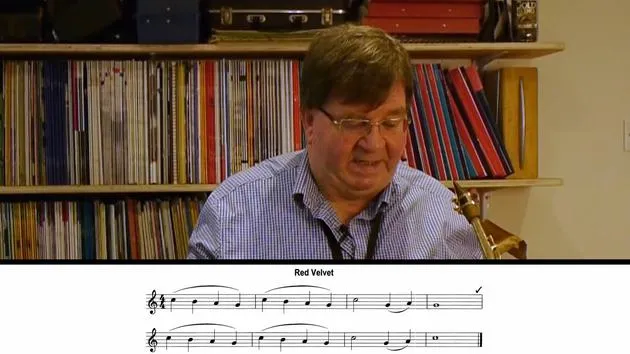
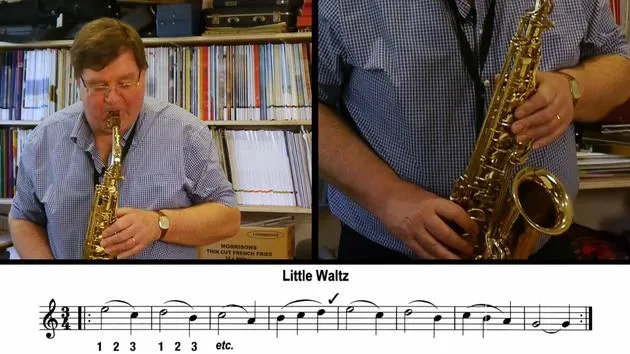
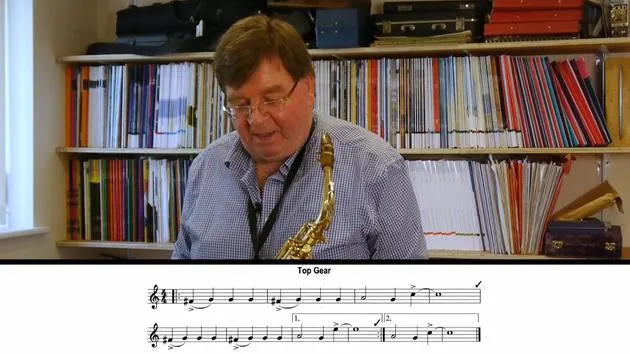
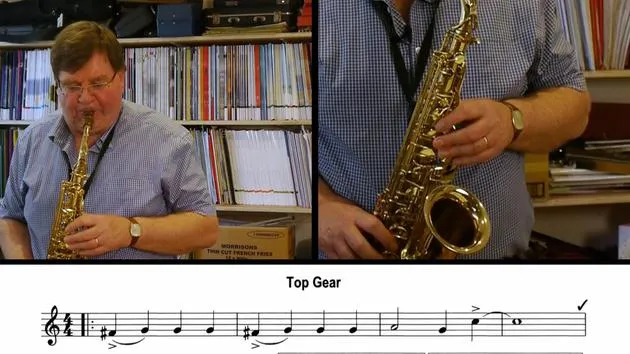
Exercise 1
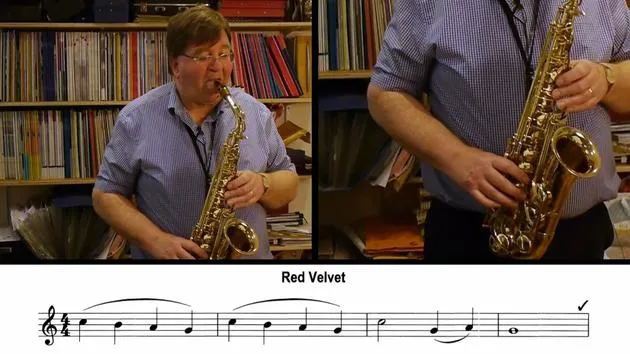
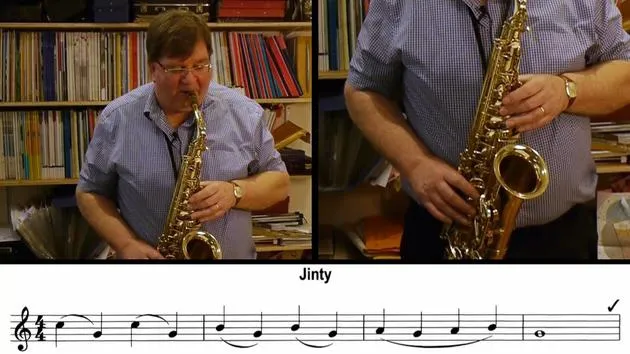
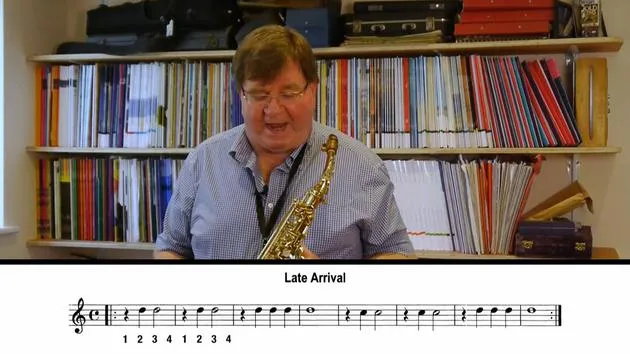
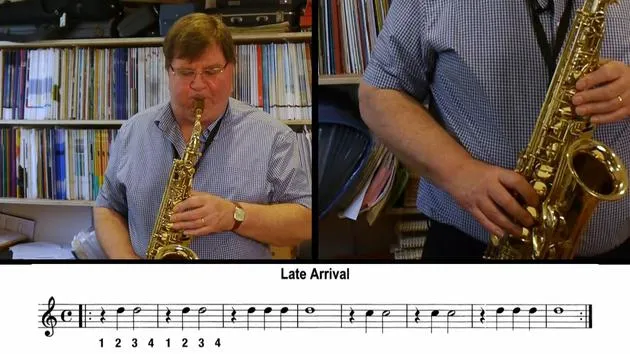
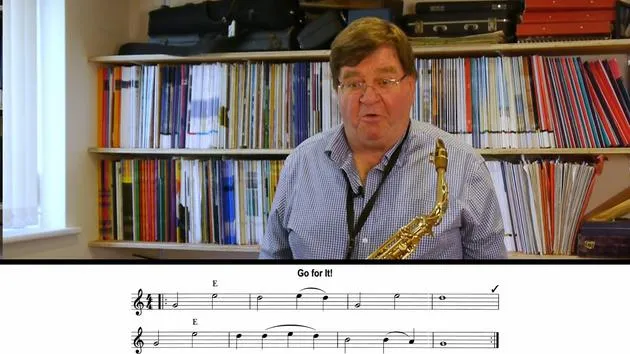
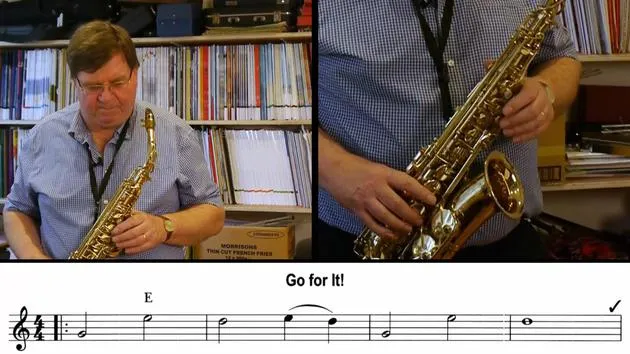
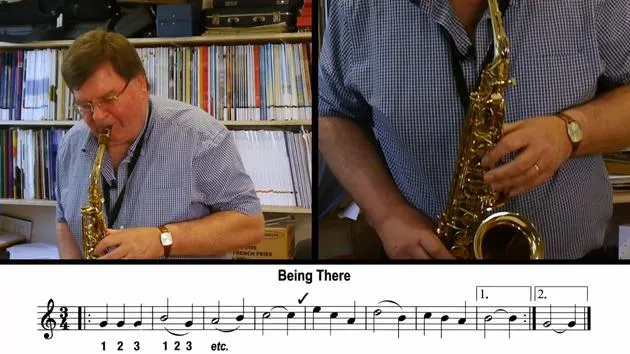
In this exercise, the first note of every bar is tongued, and the others are slurred. As you can hear, this approach creates a much smoother sound than just tonguing every note, which is how most music we play sounds, a mixture of slurred and tongued notes.
Exercise 2
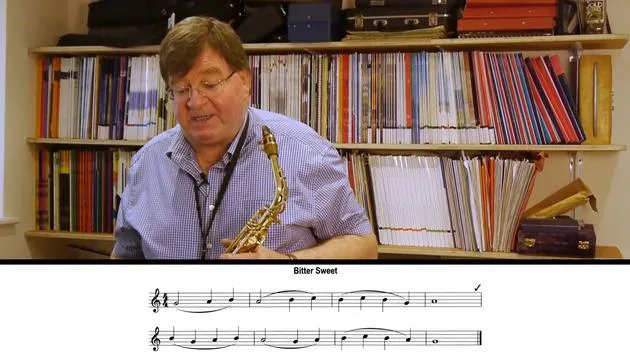
This exercise follows a similar concept.
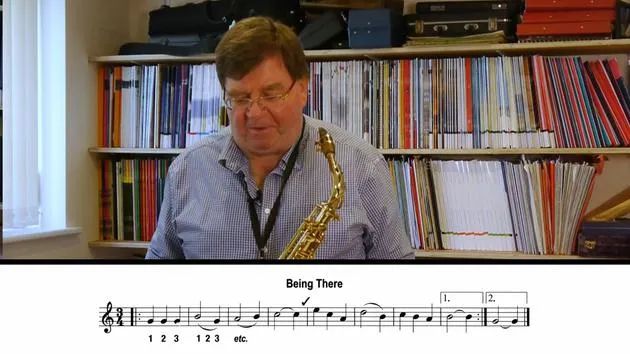
Exercise 3
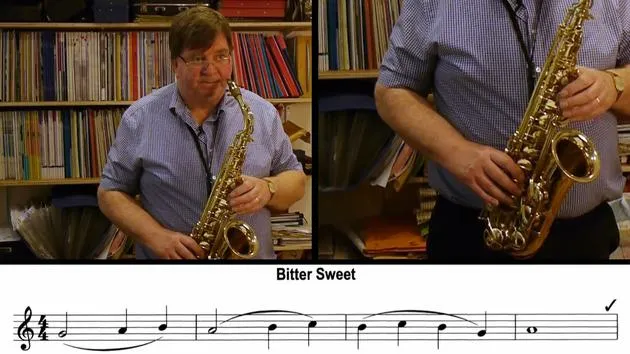
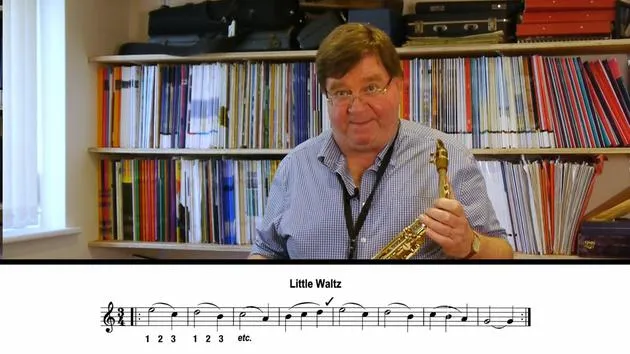
Here, we maintain the same pattern but make it harder. You'll be moving from B to C, which involves a see-saw action. As one key goes down, the other comes up.
- Just like piano technique, this can be harder to get even.
- Listen again, and be careful not to accidentally catch the A.
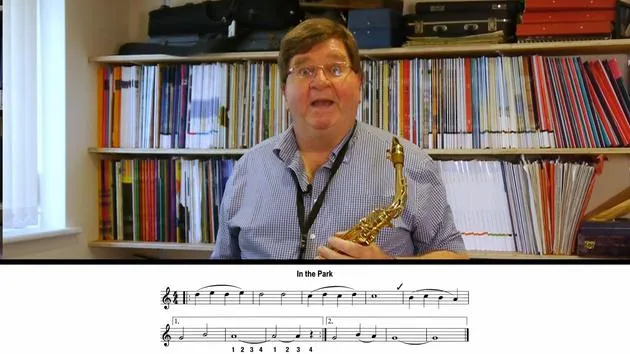
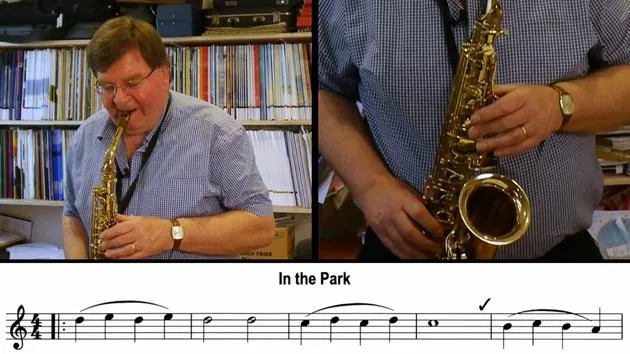
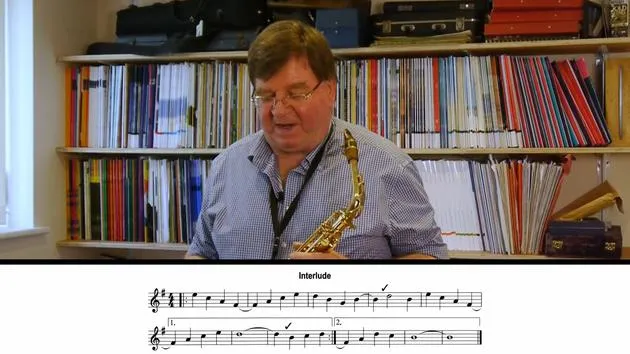
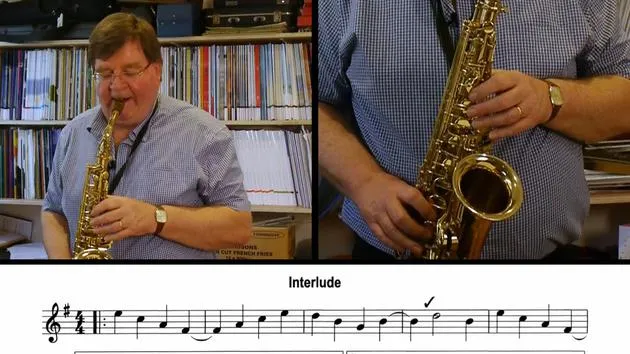
Exercise 4
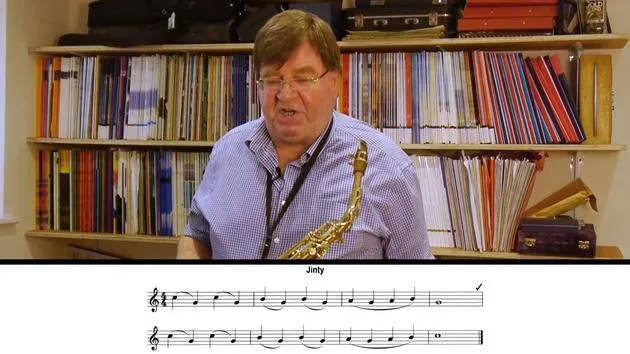
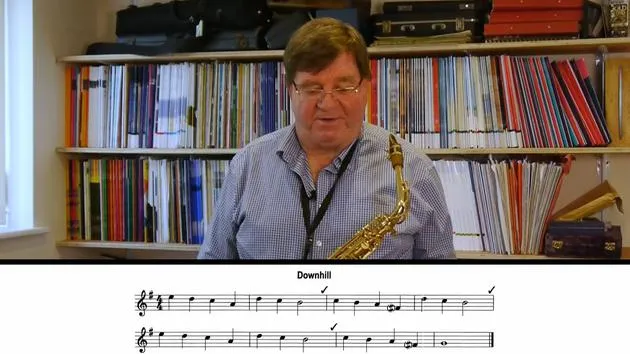
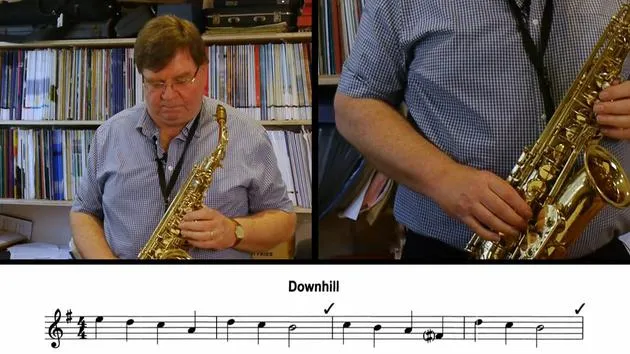
In this exercise, you'll be going up and down a hill while waggling your fingers about.
Tips:
- Don't forget the old relaxed throat position.
- Avoid getting tense, and remember: don't bite the mouthpiece. Just rest your teeth on top and blow.
- If you start to bite, the sound will begin to cut out.
Common Pitfalls
As I mentioned before, don't take in too much air; otherwise, you'll produce a honky sound.
The Goal
What we want is a nice, smooth sound.
30 leçons
0h 35m de leçons vidéo structurées
Fonctions vidéo avancées
Ralentissez, bouclez un passage, suivez la partition
Mobile, tablette et ordinateur
Pratiquez où vous voulez
Satisfaction garantie à 100 %
Garantie remboursement 30 jours
Rencontrez votre guru
Rencontrez votre guru
James Rae est né à Tyneside en 1957. Il a étudié la clarinette, la clarinette basse, le piano et la composition à la Guildhall School of Music and Drama de 1975 à 1979, respectivement auprès des professeurs Yona Ettlinger, Stephen Trier, Meriel Jefferson et Patric Standford. Depuis qu'il a quitté la Guildhall, il mène une carrière très réussie et variée dans trois domaines : l'interprétation, l'écriture et l'enseignement.
James Rae a travaillé sur de nombreuses productions du West End et du Royal National Theatre, dont l'Oresteia primée de Sir Peter Hall sur une musique de Sir Harrison Birtwistle, et il a reçu de nombreux engagements en freelance auprès de certains des plus grands orchestres et ensembles du pays. Il est le leader du Phoenix Saxophone Quartet, qui, au fil des ans, a donné de nombreux récitals et diffusions à la BBC, et a enregistré l'intégrale des œuvres de Carey Blyton sur deux albums, 'The Return of Bulgy Gogo' et 'Sherlock Holmes meets Dr Who'.
En tant que compositeur, James Rae est l'un des auteurs de musique pédagogique pour vents les plus publiés d'Europe, avec plus de 250 publications à son actif, principalement éditées par Universal Edition. Sa musique comprend des cahiers d'étude instrumentale, des sonates, des méthodes, des transcriptions baroques, classiques et jazz, ainsi que de nombreux recueils de duos, dont beaucoup figurent dans tous les grands programmes d'examen pour instruments à vent du monde entier. Il a également écrit quatre comédies musicales pour écoles avec Mike Cornick, et parmi ses commandes les plus importantes figurent The Turn of a Wheel, une œuvre majeure pour orchestre d'harmonie créée en novembre 1999 pour le North Tyneside Concert Band, dont il fut membre fondateur enfant, et l'ouverture Moving On en 2012.
James Rae a travaillé de manière approfondie comme consultant de programmes et compositeur pour l'Associated Board comme pour le Trinity College London, et s'est fortement impliqué dans l'élaboration des épreuves de déchiffrage pour bois des deux jurys d'examen. Comme enseignant, il a occupé de nombreux postes dans les secteurs public et privé, et travaille actuellement à la King's College School Wimbledon, où il dirige le Wind Orchestra et le Concert Band, ainsi qu'à la Shrewsbury House School de Surbiton, où il encadre trois grands ensembles et un groupe de chambre. Cette expérience pédagogique traverse toute sa série de saxophone pour MusicGurus, qui te mène pas à pas de tes toutes premières notes jusqu'à un jeu assuré et plein de style : First Notes, New Keys & Low Notes, Expanding Your Range, Scales & High Notes, Extended Range & Rhythm, et Polish & Style.







