



Read All About It, Part III, Emeli Sande (Lesson)
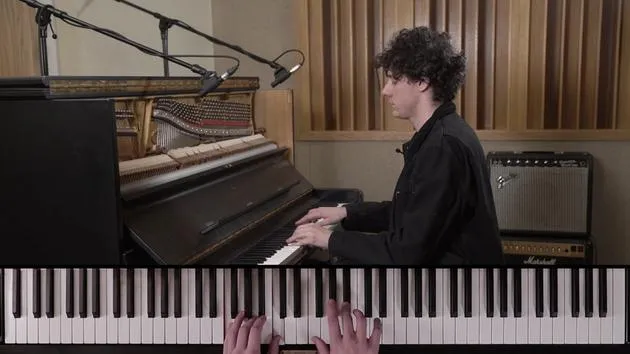
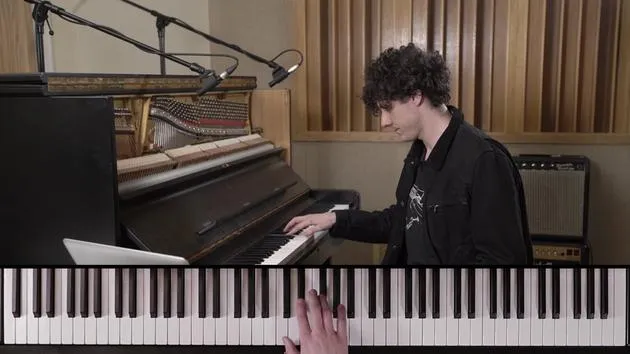
James Beckwith walks through Emeli Sandé's 'Read All About It, Part III' in G major, with its triadic chords and flowing quaver parts.

What's in the course
29 lessons (1h 50m) · 1 free
01. Make You Feel My Love, Adele (Performance)
1:26
02. The Long and Winding Road, The Beatles (Performance)
Free lesson1:43
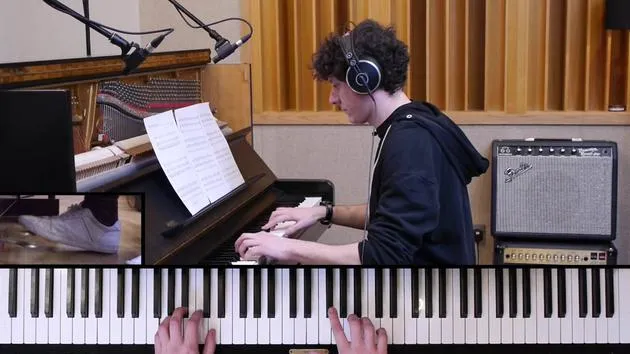
03. Read All About It, Part III, Emeli Sande (Performance)
1:58
04. ICAUFO, Joe Bennett (Performance)
1:23
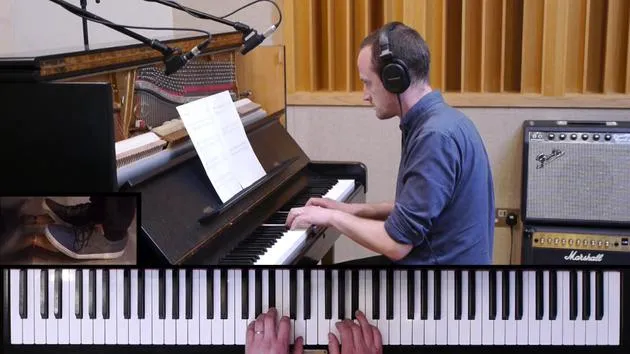
05. Umbra Bella, Simon Troup (Performance)
1:07
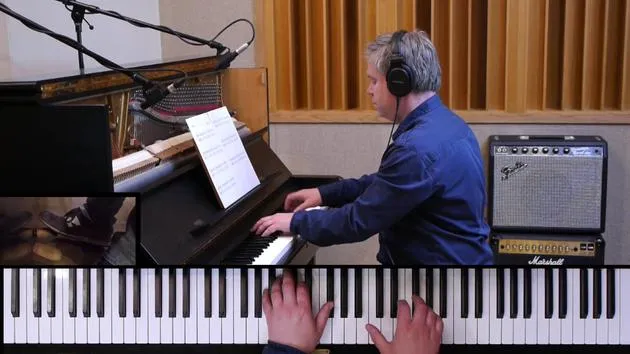
06. Fab Stomp, Deirdre Cartwright (Performance)
1:15

Lesson transcript
Grade One Piano Lesson: "Read All About It" by Emeli Sand?
Introduction
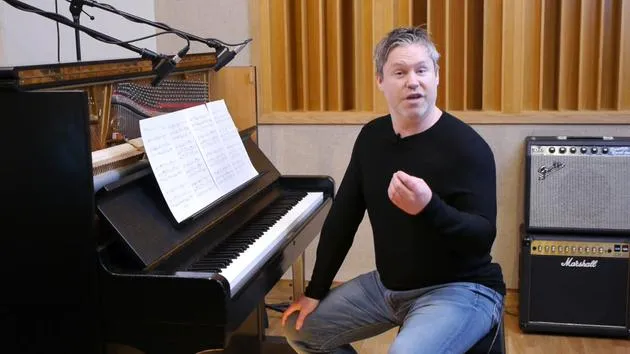
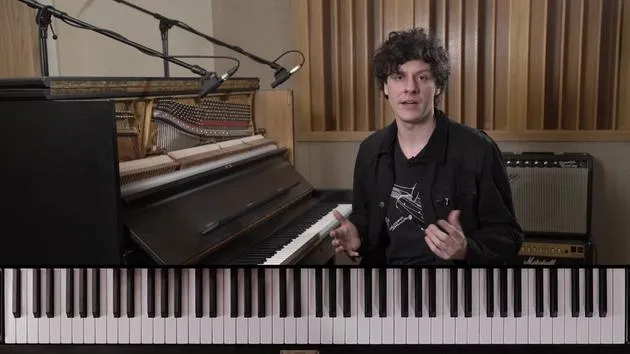
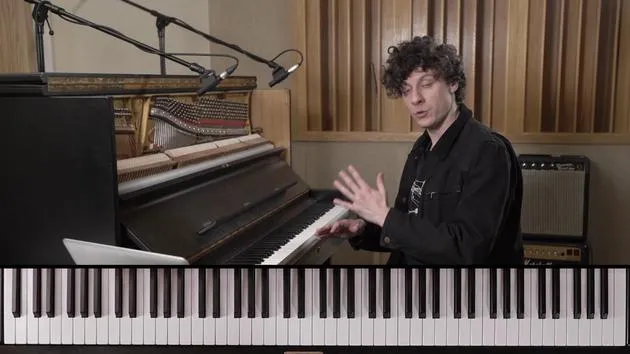
Hey, how's it going? I'm James, and I'm a piano and keyboard player. Today, we're looking at Grade One: "Read All About It" by Emeli Sand?. This is a great pop tune, and your job as a piano player in a pop tune is to play very triadic, trilly parts.
Overview
At the very beginning, we have this example perfectly laid out. The whole piece is based around the ideas of the quavers moving up and down. When we come to the melody, the quavers take over in the right hand.
Key Signature
- Key: G major
- Watch out for: F sharp
- Relative Minor: E (the start of the tune)
Chord Progression
This tune has four main chords. Mostly, there's a little variation here and there, but the overwhelming majority is based on these four chords.
Here they are:
- E minor: E, G, B
- C major
- G major
- D major
Every pop tune seems to be based around these four chords. I recommend practicing these as well as the piece itself. Once you learn how to play these four chords in all 12 keys, you can play most pop tunes out there!
Similar Songs
Some songs with a similar chord structure include:
- "Holiday" by Green Day
- "Don't Stop Believin'" by Journey
Structure of the Piece
This piece is split into two sections:
- Introduction: The first eight bars
- Main Section: The remainder of the piece
The introduction is a common 4 or 8 bar form that you will hear naturally if you've listened to a lot of pop music.
Arpeggios
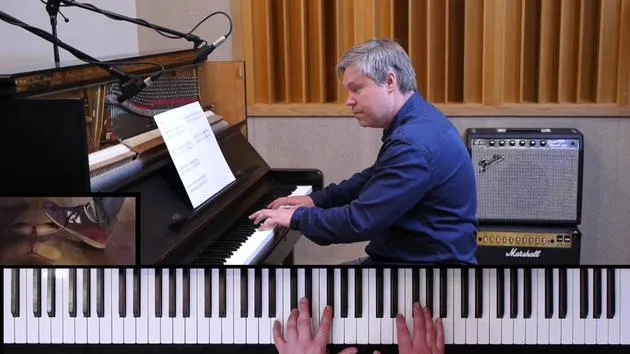
The first bit is based around movements in the left hand, which we call arpeggios, particularly the one in bar four. This essentially splits the D major chord.
- Left Hand: Plays minims throughout the piece.
- Right Hand: Takes over doing the majority of the quavers.
Learning Tips
To learn this piece effectively:
- Practice the Left Hand first. Once you have it down, you can focus on the more difficult melody.
- For the left hand:
E, G, B - Use a metronome to get up to speed.
- Practice the Right Hand separately.
Listen to the Original Track: Emeli's vocal inflections might differ from what's written down; it's essential to familiarize yourself with her phrasing.
Unique Section in Bar 36
Now, as mentioned before, this piece has four chords, except for one section in Bar 36, where it changes. When playing your own music, don't be afraid to experiment with unusual sounds. For instance, we have a passing note here, the C, which creates suspense and intrigue.
Practice Suggestions
- The piece is quite long (three pages), so take it all nice and slowly.
- Ensure you're reading the right hand since it plays similar motifs throughout but varies in sections.
- Be aware of the change in practices to avoid getting lost in repeated ideas.
Use of Pedal
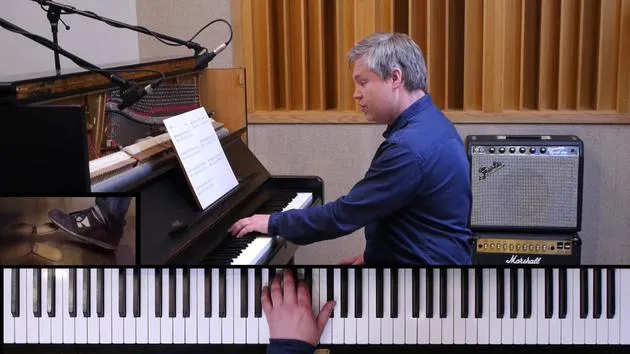
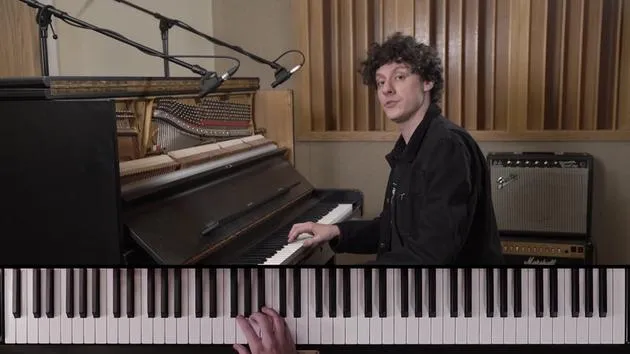
In this piece, I'm using the pedal quite frequently. It's a very atmospheric piece, fitting the ballad pop style.
Pedal Comparison
I'll play the beginning with and without the pedal, and you can decide which one sounds better.
- With Pedal: Provides color and smoothness
- Without Pedal: Sounds drier
Given that we're playing a pop tune, we need to sound good for the singer, ensuring we support their vocals.
Recap
To summarize:
- You've got two sections: the first eight bars and the rest.
- Be mindful of the interesting harmony at Bar 36.
- Play the melody with expression and feeling.
- Utilize the pedal throughout for a fantastic sound.
This is a beautifully written piece. Have fun playing it, and see you next time!
29 lessons
1h 50m of structured video lessons
Advanced video features
Slow down, loop a passage, follow along
Mobile, tablet & desktop
Practise wherever you are
100% satisfaction guarantee
30-day money-back guarantee







