



Hard to Handle – Otis Redding (Analysis)
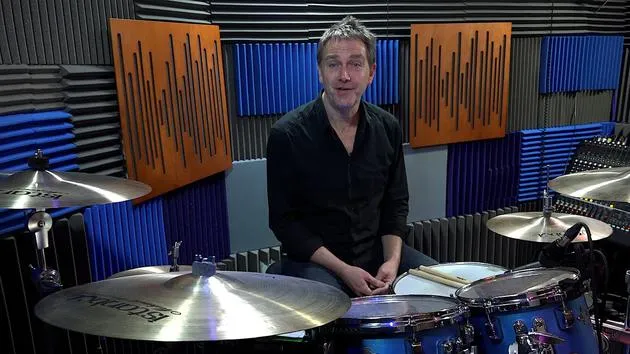
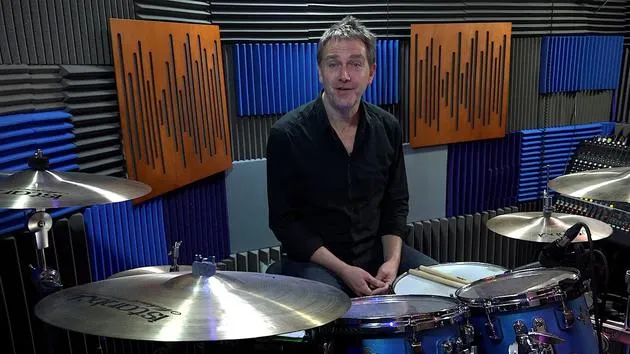
Stu Roberts breaks down the Grade 5 drum piece Hard to Handle, covering its loose hi-hat, rim-shot backbeat and the laid-back feel that makes it groove.

What's in the course
29 lessons (2h 38m) · 1 free
01. Hold The Line – Toto
2:49
02. Don’t Let Go (Love) – En Vogue
2:47
03. Window Seat – Erykah Badu
2:43
04. Chuck E’s In Love – Ricky Lee Jones
2:55
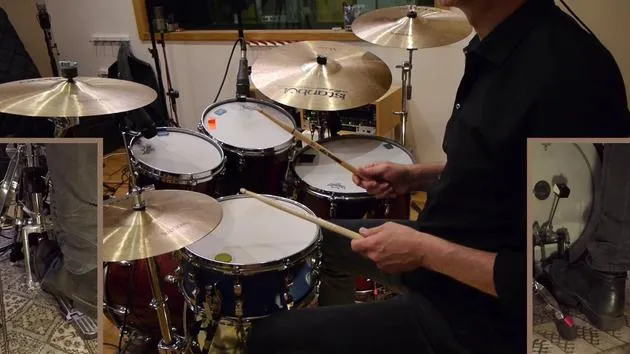
05. 444 – Jay Z
2:32
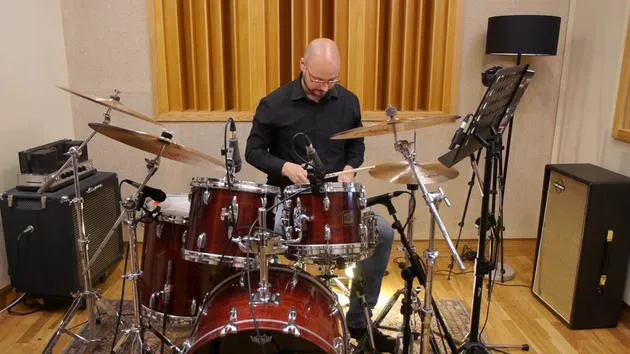
06. Hard to Handle – Otis Redding
2:39
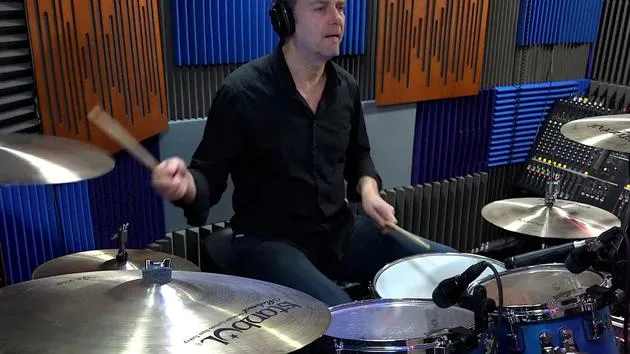
07. Geek
2:27
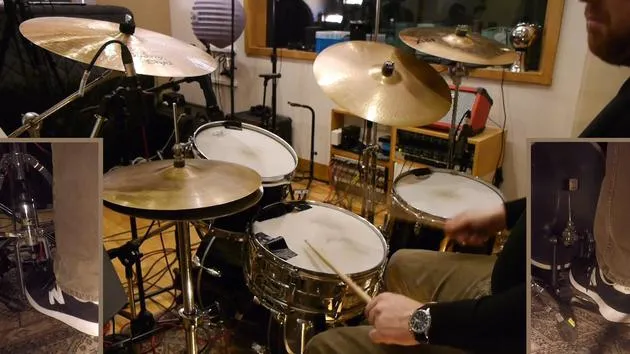
08. Rollin'
2:39
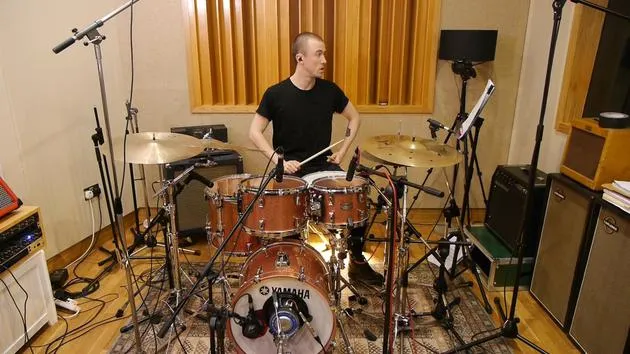
09. Do Balanco
2:30
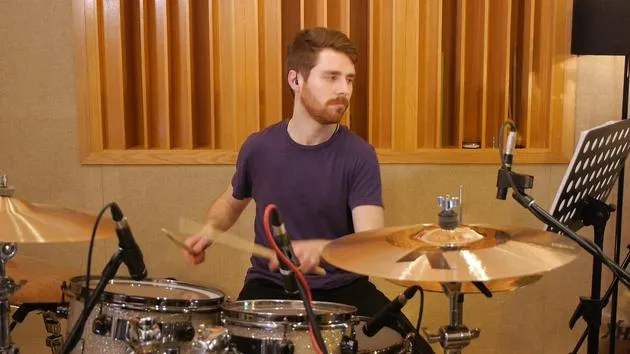
10. Tiberius
2:31
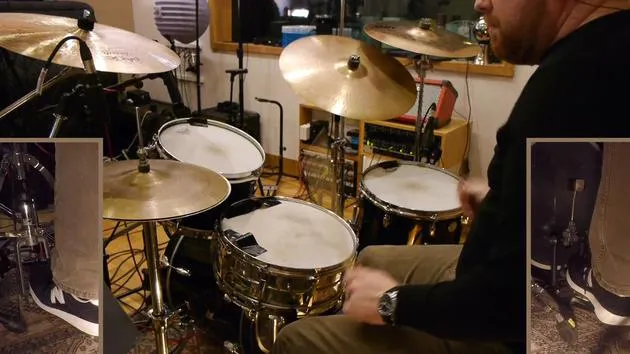
11. Smack Talk
2:25
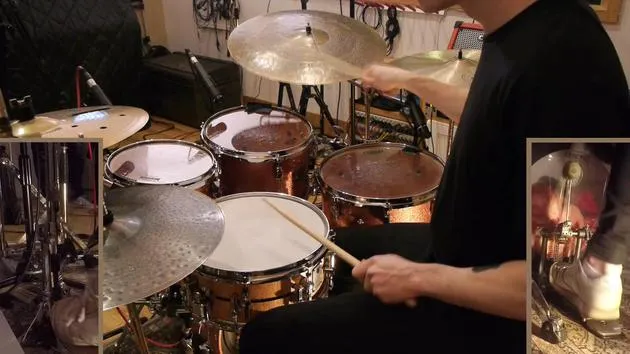
12. Slam Dunk Funk
Free lesson2:38
01. 444 – Jay Z (Analysis)
10:51
02. Chuck E’s In Love – Ricky Lee Jones (Analysis)
12:28
03. Window Seat – Erykah Badu (Analysis)
11:46
04. Hard to Handle – Otis Redding (Analysis)
You are here7:23
05. Hold The Line – Toto (Analysis)
13:24
06. Don’t Let Go (Love) – En Vogue (Analysis)
6:55
07. Geek (Analysis)
14:24
08. Rollin' (Analysis)
6:10
09. Do Balanco (Analysis)
6:22
10. Tiberius (Analysis)
8:16
11. Smack Talk (Analysis)
7:17
12. Slam Dunk Funk (Analysis)
4:49
Lesson transcript
Music Lesson: Hard to Handle
Introduction
Hi, welcome to our lesson on Hard to Handle. This song, originally by Otis Redding, has been covered by many different bands, including the Black Crowes, which served as a reference for this arrangement.
Tempo and Feel
-
Tempo: 104 BPM (beats per minute)
- A nice, comfortable tempo to play at: not too slow, not too fast.
-
Hi-Hat Technique:
- Loose hi-hat throughout.
- Aim for something that's slightly sloshy; we don't want the tight, typewriter-like sound.
Snare Drum and Groove
- The snare drum notes that are non-ghosted should be accented.
- When I perform this, I predominantly play the backbeat as rim shots.
Importance of Feel
The main groove itself is straightforward, but:
- Focus on Feel:
- It's about the rhythm section's intention.
- Consider the air between the notes to create a boxy, swaggery feel.
Notation and Fills
- Chart Notation: Relatively fully written, with one-bar repeats in some places (e.g., bar two).
- Pay attention to drum fills where the bass drum and snare drum land together:
- Key Bars:
- Bar 33 (last two beats)
- Bar 5 (last two beats)
- Key Bars:
Flams
- Be cautious of "flamming":
- When one note is slightly ahead of another.
- Notes written together should sound together.
Hi-Hat Figures
- The bab dab dao type figure recurs throughout the song.
- In the second bar of rehearsal letter C:
- Play the first two hits on the hi-hat instead of the crashes.
- Ensure the hi-hat is open with some sustain to avoid a choked sound.
Drum Fills and Toms
Bar 19
- For the first two hi-hat notes, there's a drum fill with grace notes before it.
Choosing Toms
- On one drum kit, the top tom might be a 10", and on another, it could be a 12".
- Use the drums that sound good to you, and adapt your fills accordingly.
Real-World Considerations
- Remember:
- Not all drums and cymbals sound the same.
- Your playing may need to adapt to the room, the player, and the overall volume of the ensemble.
- Musicianship Development:
- 95% of the music is not on the page; it's in your heart, ears, and individual approach.
Understanding the Song Form
- Be mindful of where you are in the song, particularly during the guitar solo and outro, as it affects your playing intensity.
- Aim for a forte dynamic, but include light and shade using different hi-hat dynamics.
Syncopated Figures
-
In bar 35, the right hand is fed by the left hand, creating energy:
"Jinky jink again."
Maintaining Timing
- During prolonged rests (e.g., bars 16, 17, 46, and 47), know where beat one is to avoid entering too early with the drum fill.
Conclusion
The whole piece is relatively straightforward. Even though it's grade five, the focus is on vibe.
Listening Recommendations
Go and listen to:
- Rock Music: Led Zeppelin, bluesy rocks like Kenny Wayne Shepherd, and definitely the Black Crowes.
- Analyze internal dynamics:
- How do the bass drum and snare drum compare in volume?
- What are the main timekeepers?
This condensed lesson on Hard to Handle provides crucial pointers.
Final Thoughts
Practice, have fun, and rock out! Enjoy adding this great piece to your repertoire and skills.
29 lessons
2h 38m of structured video lessons
Advanced video features
Slow down, loop a passage, follow along
Mobile, tablet & desktop
Practise wherever you are
100% satisfaction guarantee
30-day money-back guarantee







