



Progressing to repertoire
What's in the course
21 lessons (1h 8m) · 1 free
Lesson transcript
Course Completion
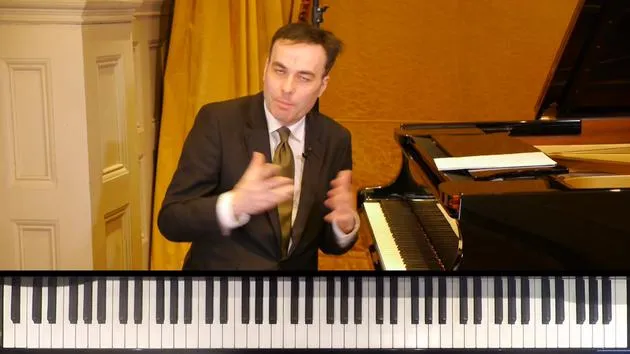
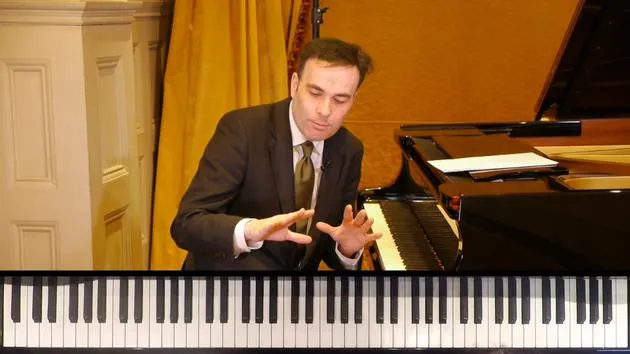
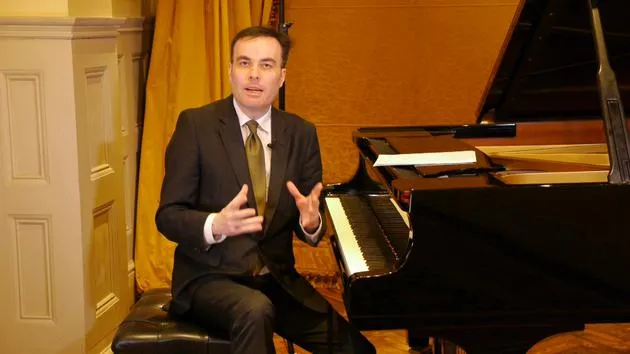
So here we are. You've virtually completed the course. We've taken improvisation really to the next level. We're at performance level, exploring all these different possibilities at the piano.
Applying Your Skills
Right now, you might be thinking, "Okay, this is a great skill to have in itself, but I want to take this back."
I want to emphasize that this does not mean the traditional way of learning, piece by piece and note by note, isn't a wonderful way to develop as a pianist.
This is all about fast tracking. Having fast tracked, you can now put into context the different aspects of style that we've been exploring.
Melodic Phrases
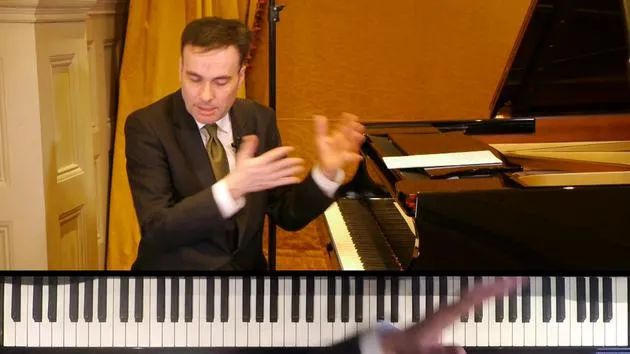
For example, with the very melodic phrases that we were developing, where the hands share ideas and have a conversation, this technique works beautifully in romantic pieces.
Example: Franz Liszt
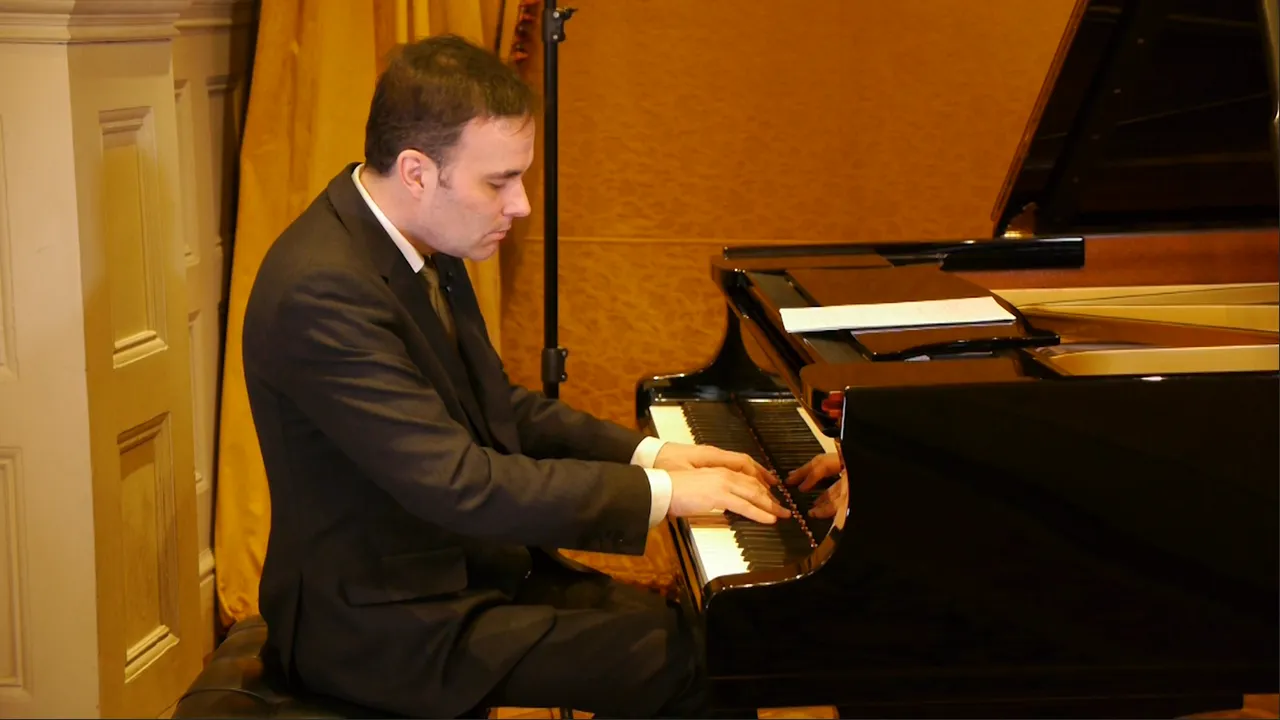
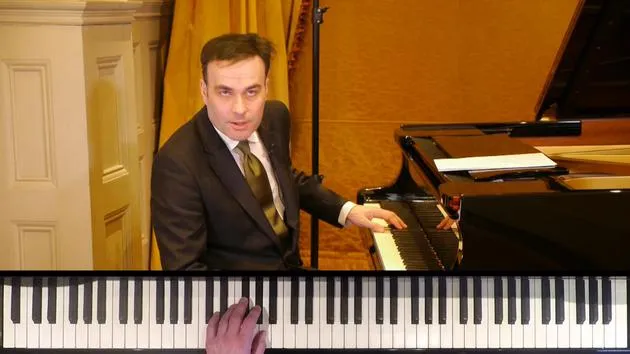
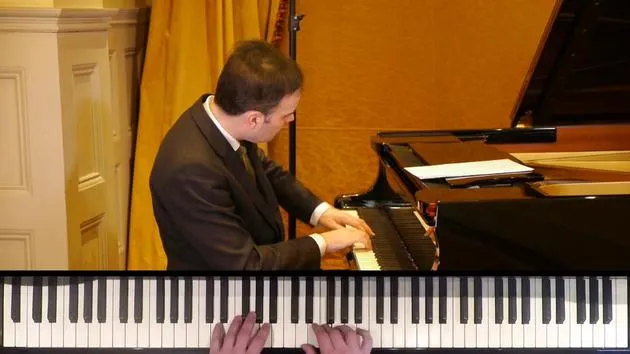
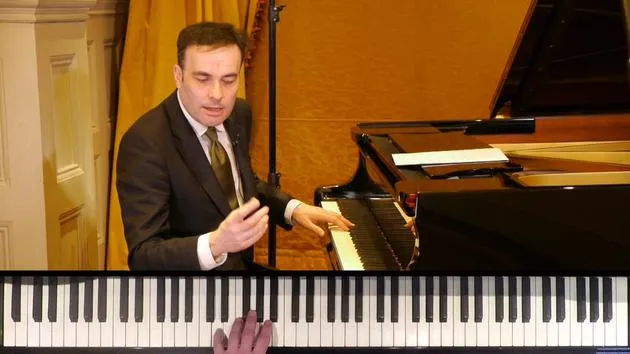
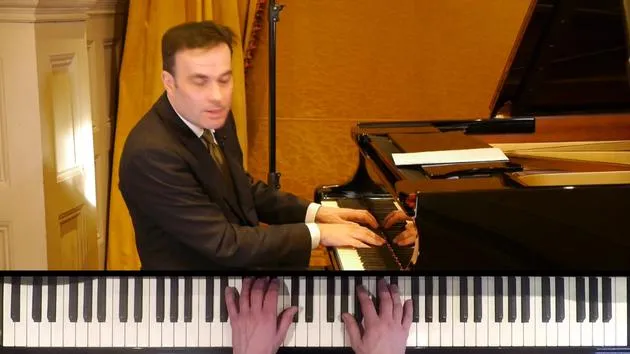
We were exploring an improvisation which might sound like this:
- Now, that kind of singing quality we're developing at the keyboard can translate so well and bring to life a romantic melodic piece of repertoire.
- Consider the Petrarch Sonnet by Liszt, where we focus on melody.
Another Example: Schubert
Another famous example is by Schubert, where again, the tone quality in the middle region of the piano, something we've explored through improvisation, can be used to great effect.
Layered Textures
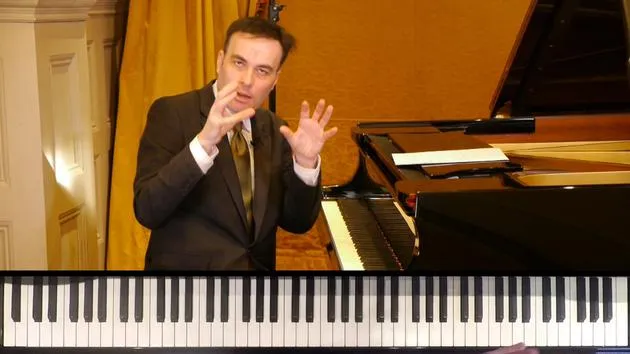
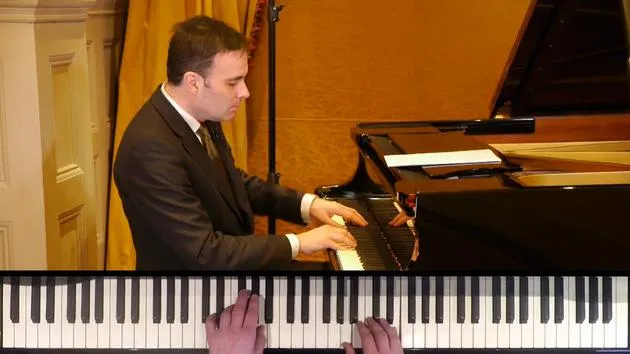
Likewise, the layered textures we explored, those repeated note chords that have a melody running through them, are perfect for piano music such as Debussy.
All these different kinds of pianistic styles can be of immense value when we return to our repertoire.
For Beginners
If you're someone who's starting afresh, a beginner, then you have achieved the biggest goal of all: you are now a fully fledged pianist!
If you want to learn the traditional way and tackle actual pieces of piano music, there's a process of notation learning and various practicalities involved.
However, you'll find that your fast-tracking through this course has not only developed your technique but will hopefully allow you to delve into more advanced repertoire sooner.
This is particularly beneficial for adult learners who often hesitate to engage with beginner pieces found in many early grade learning manuals.
Conclusion
So, for beginners, when you come back to repertoire, you'll have so much more fun with it and be able to explore so many different aspects within it.
21 lessons
1h 8m of structured video lessons
Advanced video features
Slow down, loop a passage, follow along
Mobile, tablet & desktop
Practise wherever you are
100% satisfaction guarantee
30-day money-back guarantee







