



Practice track - Minor 9ths
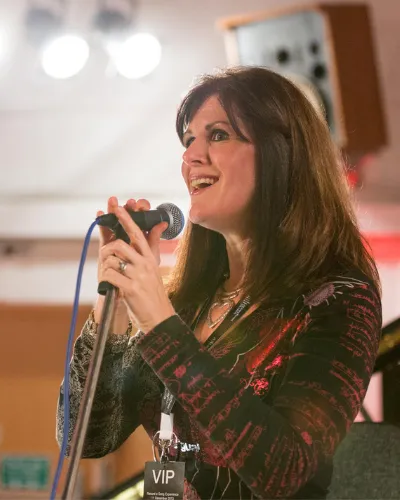
With
Kim Chandler
What's in the course
56 lessons (1h 38m) · 1 free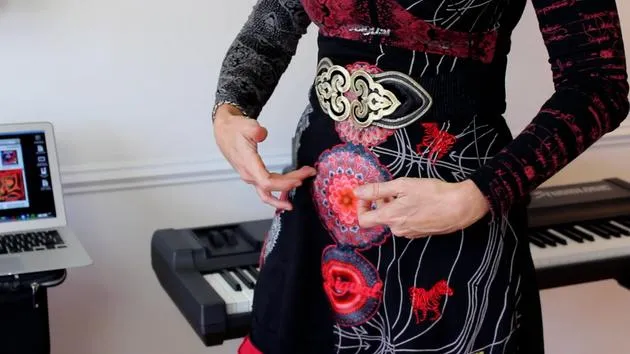
01. Staccato breathing 1
1:52
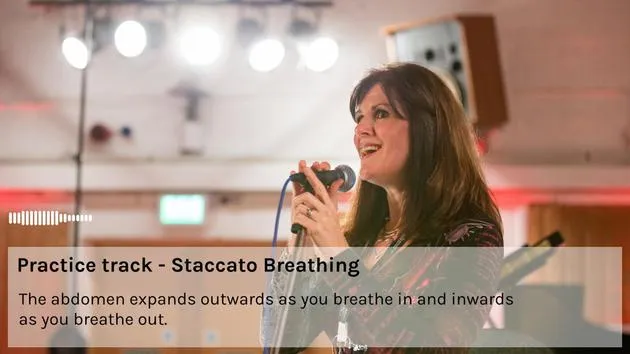
02. Practice track - Staccato Breathing
3:29
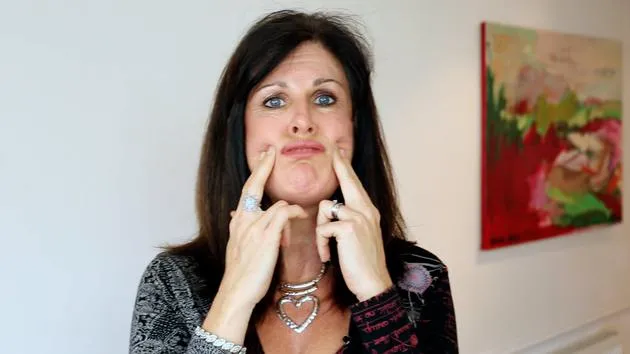
03. Warm-up "sirens"
2:30
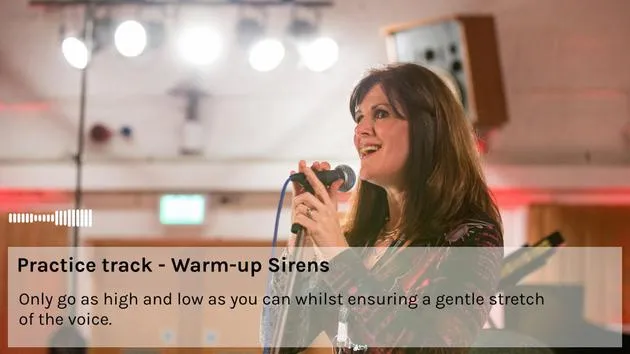
04. Practice track - Warm-up Sirens
2:27
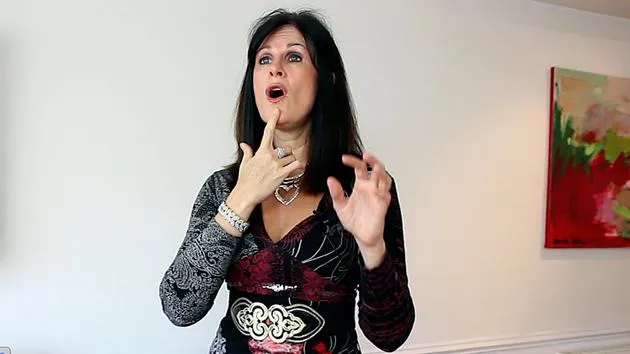
05. Vowels
1:11
06. Practice track - Vowels
2:59
07. Articulation
0:48
08. Practice track - Articulation
1:33
09. Major triads
1:10
10. Practice track - Major Triads
0:43
11. Pitch accuracy
1:36
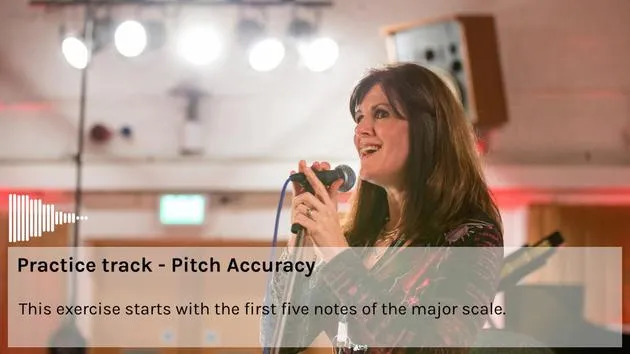
12. Practice track - Pitch Accuracy
3:15
13. Major scale
0:41
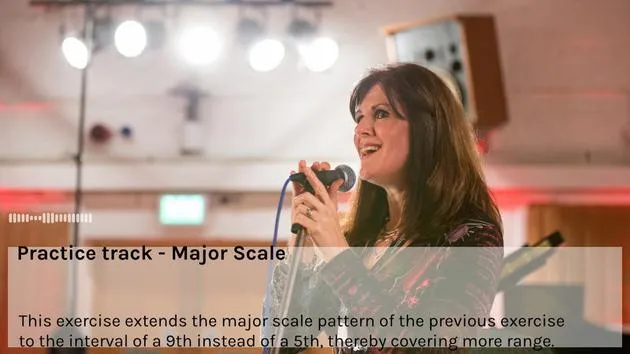
14. Practice track - Major Scale
1:23
01. Catch breaths
1:16
02. Practice track - Catch Breaths
3:21
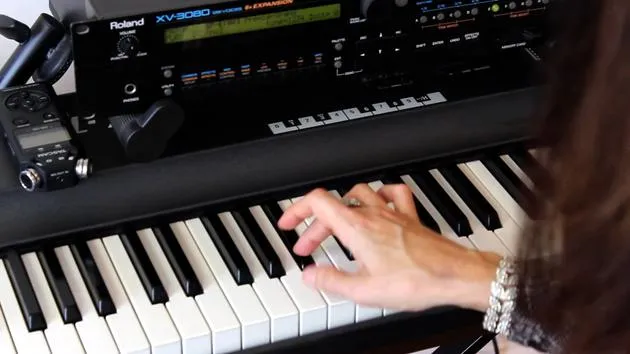
03. Chromatic warm-up
0:39
04. Practice track - Chromatic Warm-up
3:08
05. 'Focus' exercise
1:20
06. Practice track - 'Focus' Exercise
3:36
07. Flexibility exercise
Free lesson1:20
08. Practice track - Flexibility Exercise
3:36
09. Minor triads
0:56
10. Practice track - Minor Triads
0:46
11. Easy licks
1:12
12. Practice track - Easy Licks
1:56
13. Natural Minor scale
0:33
14. Practice track - Natural Minor Scale
1:21
01. Staccato breathing 2
1:51
02. Practice track - Staccato Breathing 2
1:56
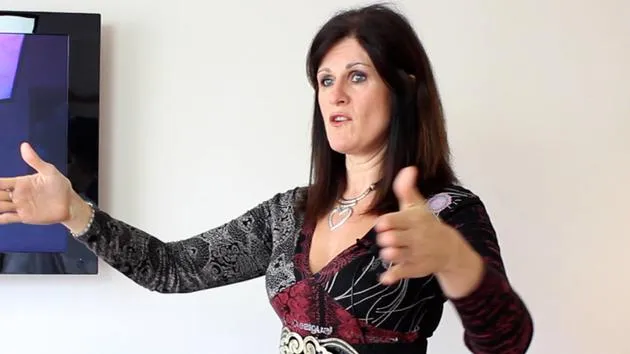
03. Warm-up "sirens" 2
0:49
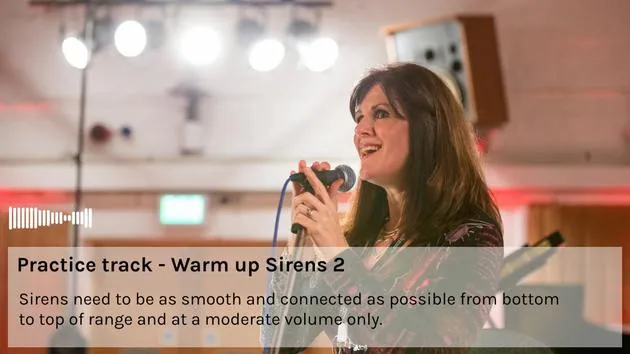
04. Practice track - Warm up Sirens 2
2:50
05. Range stretch
1:25
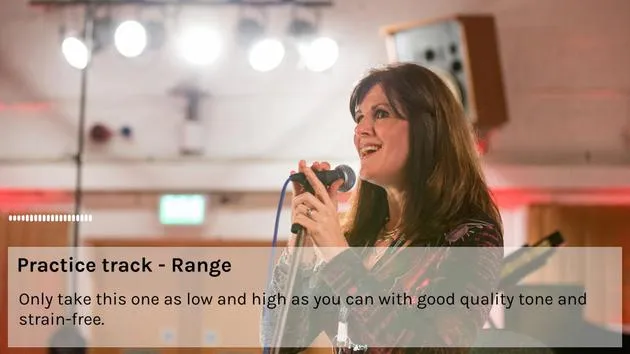
06. Practice track - Range
2:29
07. Pop R&B lick
0:49
08. Practice track - Pop R&B Riff
2:35
09. Dorian mode
0:47
10. Practice track - Dorian Mode
1:36
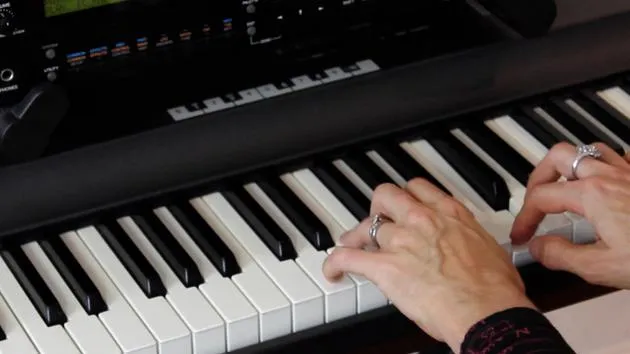
11. Minor 9ths
0:27
12. Practice track - Minor 9ths
You are here0:53
13. Flexibility & Range (Minor)
1:15
14. Practice track - Flexibility & Range (Minor)
4:45
01. 13/15 count breathing
1:32
02. Practice track - 13/15 Count
2:41
03. Intervals
0:56
04. Practice track - Intervals
3:30
05. Major pentatonic scale
0:42
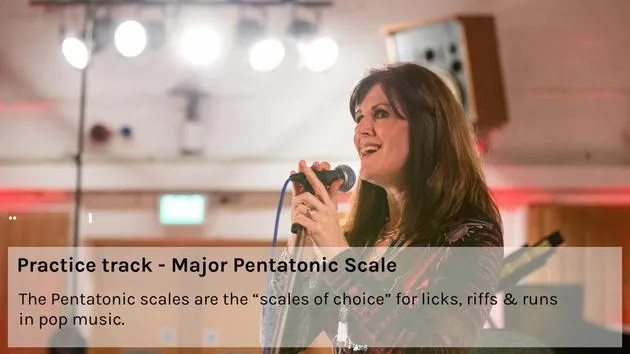
06. Practice track - Major Pentatonic Scale
1:20
07. Long notes
1:15
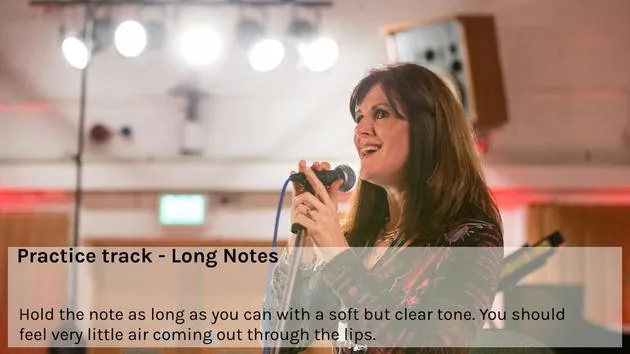
08. Practice track - Long Notes
4:11
09. Flexibility & Range (Major)
0:57
10. Practice track - Flexibility & Range (Major)
2:08
11. Minor pentatonic scale
0:39
12. Practice track - Minor Pentatonic Scale
1:18
13. Minor pentatonic lick
0:42
14. Practice track - Minor Pentatonic Lick
1:56
Lesson transcript
Minor 9th Chords
In today's lesson, we will explore Minor 9th chords.
A Minor 9th chord consists of the following notes:
- Root (1)
- Minor Third (b3)
- Perfect Fifth (5)
- Minor Seventh (b7)
- Major Ninth (9)
Construction of a Minor 9th Chord
To construct a Minor 9th chord, follow these steps:
- Start with the root note.
- Add the minor third; this is three half-steps above the root.
- Include the perfect fifth, which is seven half-steps above the root.
- Add the minor seventh, which is ten half-steps above the root.
- Finally, incorporate the major ninth, which is fourteen half-steps above the root.
Example: A Minor 9th Chord
For an A Minor 9th chord, the notes are:
- A (Root)
- C (Minor Third)
- E (Perfect Fifth)
- G (Minor Seventh)
- B (Major Ninth)
Voicing Options
When playing Minor 9th chords, you have several voicing options. Here are a few common fingerings:
- Root Position: A - C - E - G - B
- 1st Inversion: C - E - G - B - A
- 2nd Inversion: E - G - B - A - C
- 3rd Inversion: G - B - A - C - E
Practical Uses
Minor 9th chords can be used to create:
- Rich harmonies in jazz compositions.
- Colorful textures in pop and rock music.
- Tension and resolution in chord progressions.
Quote
As jazz musician Bill Evans once said, "The only thing better than a Minor 7th chord is a Minor 9th chord."
Conclusion
Incorporate Minor 9th chords into your playing to enhance your music's emotional depth and complexity. Happy practicing!
56 lessons
1h 38m of structured video lessons
Advanced video features
Slow down, loop a passage, follow along
Mobile, tablet & desktop
Practise wherever you are
100% satisfaction guarantee
30-day money-back guarantee
Meet your guru
Meet your guru
Kim Chandler MMus BMusEd is one of the world’s leading contemporary vocal coaches. She runs a busy private studio in Marbella, Spain, where she coaches an elite clientele of international stadium band singers, charting artists from every genre, professional singers and other vocal coaches online.
As a performer, Kim has three decades of high-end performing experience in both live performance and studio singing. Aside from her voice being heard on films, albums, cruise ship shows and thousands of jingles worldwide, she has also been a backing vocalist for high-profile artists such as The Bee Gees, Natalie Cole, Michael McDonald, Bjork, Michael Bolton, Leo Sayer, Rick Astley and Susan Boyle, in addition to having performed at some of London’s most iconic locations such as the Royal Albert Hall, Downing Street, Wembley Arena Stadium, the O2 Arena and Buckingham Palace. (kimchandler.com)
Kim was an MD of large corporate recording sessions at London’s Abbey Road Studios for many years and was one of the vocal coaches for audition tours of “The Voice UK”. She is regularly invited to run master classes, workshops; teacher training events and is also a regular presenter at national & international voice conferences, including being a keynote speaker in her home country of Australia.
In the academic world, Kim spent a decade in various leadership positions of the British Voice Association as Head of Communications, past President and Director. She has many years of institutional teaching experience as a Principal/Senior Lecturer at Leeds College of Music; London College of Music respectively and was the Head of Vocals at Vocaltech (now BIMM London).
Her educational work features in many masters; doctoral theses and in compendiums such as “Training Contemporary Commercial Singers” (Compton), “Teaching Singing in the 21st Century” (Springer) and “The Ultimate Guide To Singing” (TC-Helicon).
Kim is the sole creator of the internationally popular “Funky ‘n Fun” vocal exercise series used in many institutions, private studios and by many touring artists that provides the basis of this “Funky Fundamentals for Pop Singers” course (www.funkynfun.com).







