



Se préparer pour une session d'écriture
Avec
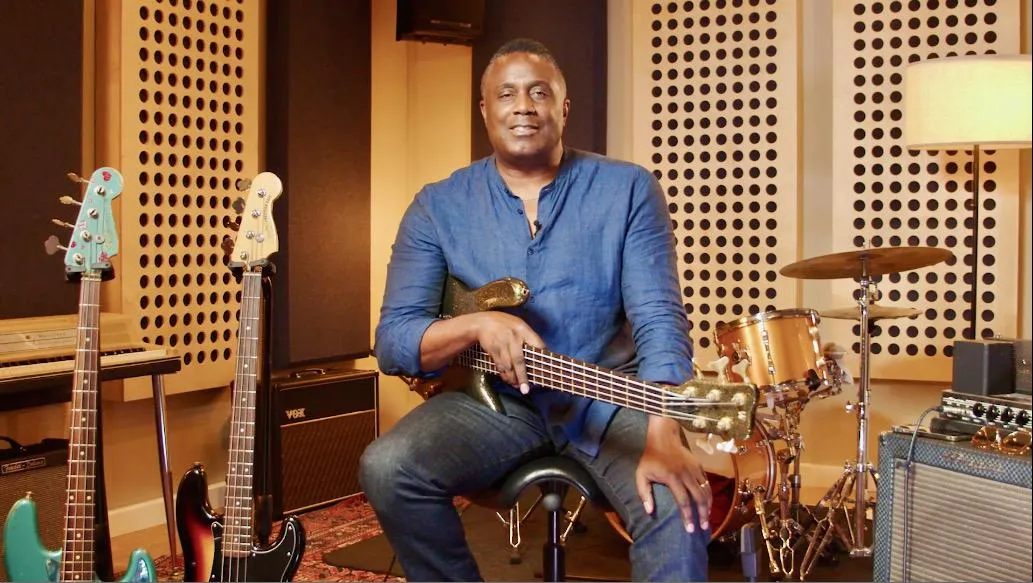
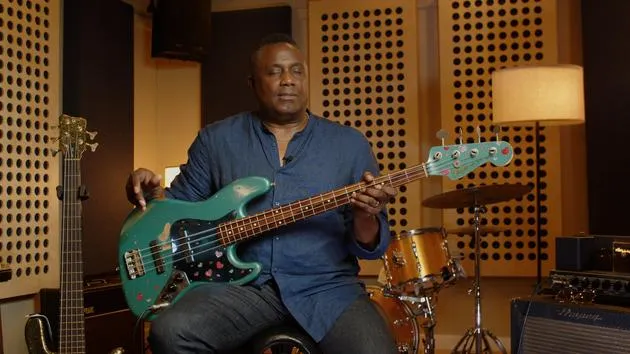
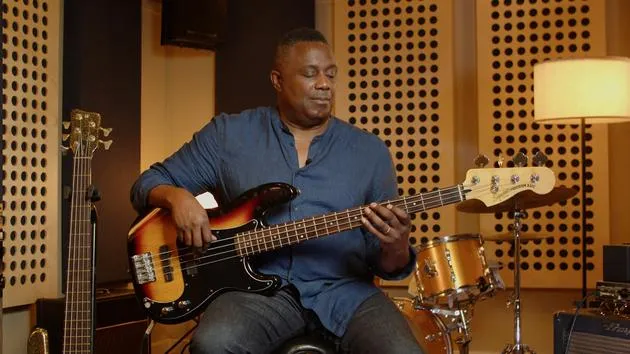
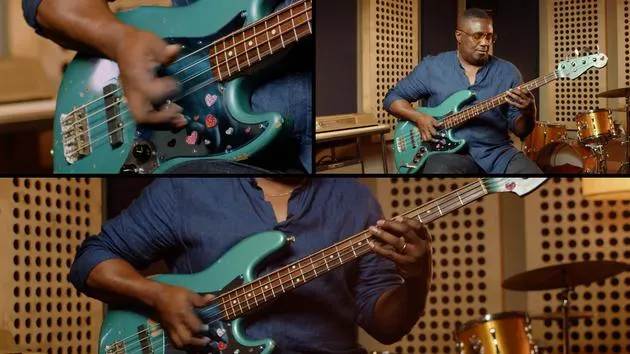
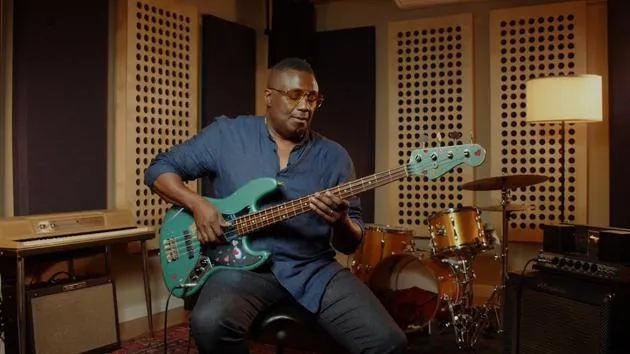
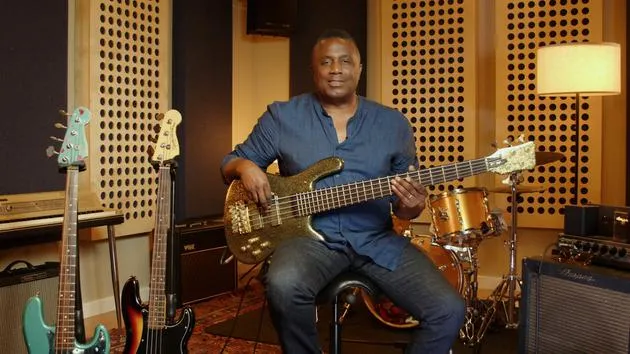
Andrew LevyAndrew Levy explique comment il se prépare pour une session de basse, de la récupération du morceau à l'avance au fait de vivre avec pendant quelques heures pour qu'il devienne une seconde nature avant de jouer.
Le contenu du cours
14 leçons (1h 7min) · 1 gratuites
Transcription de la leçon
Preparing for a Music Session
So if you're lucky, you might get asked to do a session, whether it's online or you're physically going to the studio.
Preparation Tips
-
Listen to the Track
It's always good to prepare by listening to the track beforehand. You don't always get a chance to do that, which can be quite scary sometimes. -
Request an MP3
If you get sent an MP3 of a song, maybe ask for the song without the bass so you can fill in. If it's already got a bass on it, just EQ the bass out and listen to it.- Listen to it a good few times before you actually start playing over it, unless you have a quick idea.
- The best thing is to have it on in the kitchen or in your bedroom for a few hours until it becomes part of you.
-
Playing Ideas
After familiarizing yourself with the track, sit down and play what comes to you. Do a few ideas that you like and send them back.
Studio Session Dynamics
I haven't done a lot of sessions in that way, but usually my sessions consist of going to a studio, listening to the track, and then working out the bass line on the spot.
Key Points to Remember
-
Stay Prepared
Be prepared so there are no surprises. You should also listen to the producer or the writer; they may have a specific bass line they want you to copy. -
Bring Supplies
Bring your lunch so you don't have to jet out of the studio and waste studio time. Bring a drink, too, and just enjoy the experience. -
Equipment Essentials
When it comes to equipment, bring everything.- This way, you'll have what you need for any particular sound or effect.
- Bring all your pedals and cables so you don't have to ask them or the engineer to grab something for you.
- Being self-contained makes you easy to work with, which will likely lead to more sessions in the future.
Personal Experiences
A couple of my earlier sessions were for Jamiroquai and Soul to Soul.
Jamiroquai Experience
I remember sitting at home in probably 1988 when JK had just been signed. Jamiroquai had just been signed to Acid Jazz, but they didn't have a regular bass player. I got a call from Jamiroquai's manager saying, "Get to the studio; the bass player doesn't know what he's doing."
- I jumped in my car, drove down, and walked into the studio. It was obvious that the other bass player was trying to do too much.
- I kept it simple with an octave-pedaling thing.
This turned out to be a big song for him, and I was thankful they liked the very fast turnaround I managed.
Soul to Soul Experience
Another important session was likely in late '87 or maybe even '86. I was very inexperienced, playing in a studio with just one bass and one cable. I didn't even own an amp and had to borrow one.
- Listening is crucial.
- The first thing that came to mind was a bluesy bass line, influenced by my background in jazz.
- It was similar to a favorite bass line by Bootsy Collins from a big James Brown single.
I was called by Jazzy B from Soul to Soul. When I walked into the studio, there was Nelly Hooper programming an incredible beat. I was 18 and had minimal gear.
- I switched my idea around from a Bootsy Collins bass line and extended it a bit.
- The groove needed to be longer, which made a difference.
The Importance of Groove
It's amazing what you can do with three notes. I explored the neck and played around with the rhythm.
- They liked it because it stood out compared to what they usually heard from synthesized bass.
- A more organic bass line adds life to a drum machine groove.
Remember, feel the groove and feel the drum line, hopefully, the bass line will come to your head!
14 leçons
1h 7m de leçons vidéo structurées
Fonctions vidéo avancées
Ralentissez, bouclez un passage, suivez la partition
Mobile, tablette et ordinateur
Pratiquez où vous voulez
Satisfaction garantie à 100 %
Garantie remboursement 30 jours
Rencontrez votre guru
Rencontrez votre guru
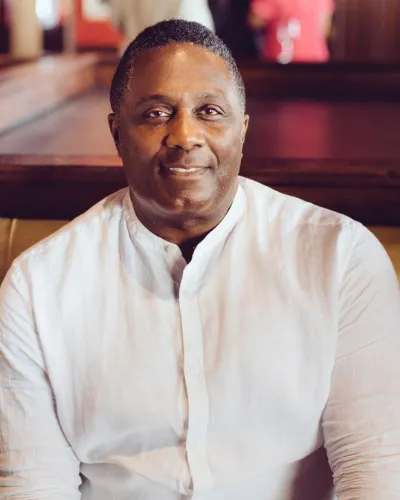
Andrew Levy est membre fondateur et bassiste du groupe d'acid jazz The Brand New Heavies. Il coécrit également la musique originale du groupe avec Simon Bartholomew.
Musicien autodidacte, Andrew a grandi en écoutant du reggae, la radio pop britannique, de la musique classique, du jazz funk, du 'Lovers' Rock', du jazz fusion, de la house, du folk américain, du hip hop et de l'acid house : un mélange éclectique né d'une enfance londonienne auprès de parents jamaïcains !
Ses plus grandes influences musicales sont James Brown, Vicki Anderson, Earth Wind and Fire, Level 42, Shalamar, Chic, Herbie Hancock, George Duke, George Benson, Marvin Gaye, Thin Lizzy, Miles Davis et Phyllis Hyman.
Dans son cours, Andrew partage ce qui fait vraiment bouger la basse funk : comment se caler avec la batterie, s'installer profondément dans le pocket et tenir le groove au sein d'une section rythmique soudée — le feel, la discipline et les choix derrière le son qui a rendu The Brand New Heavies célèbre.
Andrew vit dans le sud-ouest de Londres avec sa femme Melissa et leurs deux fils.
À propos de The Brand New Heavies
The Brand New Heavies, fondé par Andrew Levy et Simon Bartholomew, a été le pionnier de la scène acid jazz des années 1990.
Le duo s'est rencontré à l'école à Ealing en 1985 avant de sortir des albums classés dans le top 10 au Royaume-Uni, aux États-Unis et au Japon et, en 2020, de signer un contrat à sept chiffres avec le label international Edel Records pour produire cinq nouveaux albums, le premier paru au printemps 2022.
Le groupe est fier de jouer de vrais instruments — pas de musique synthétisée par ordinateur ni programmée. Résultat : il compte de nombreux admirateurs au sein de l'industrie musicale, dont le super-producteur Mark Ronson, qui cite leur album éponyme parmi ses 10 meilleurs disques de tous les temps et attribue au groupe le mérite de l'avoir fait passer du rock au funk au début des années 1990. Ronson a produit la reprise par le groupe en 2019 de "These Walls" de Kendrick Lamar, qui a acquis un statut culte sur Radio 2.







