



Déchiffrage avec la méthode « KAT TRAP »
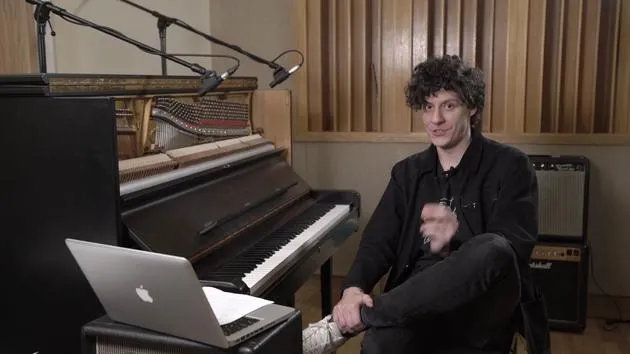
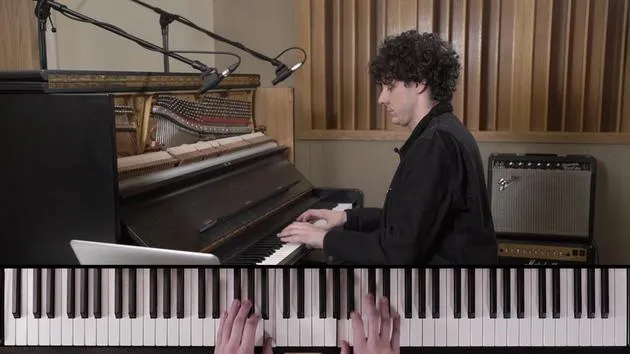
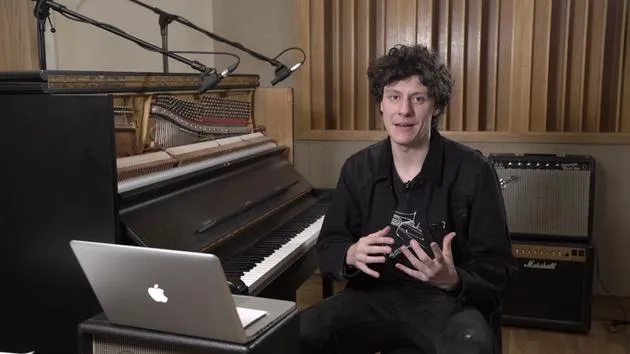
James présente la méthode KAT TRAP pour le déchiffrage au piano, une compétence essentielle pour les examens, le travail de session et tout pianiste qui se produit sur scène.

Le contenu du cours
29 leçons (2h 21min) · 1 gratuites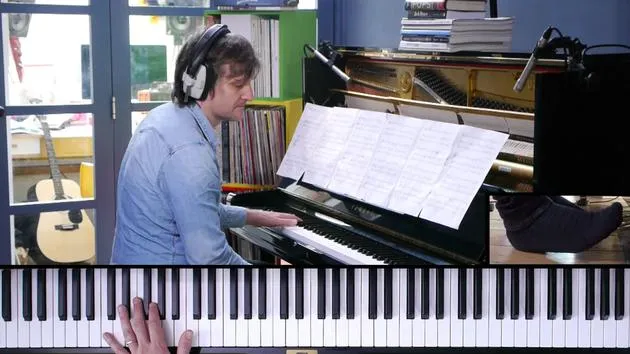
01. Hallelujah I Love Her So, Ray Charles (Interprétation)
Leçon gratuite2:39
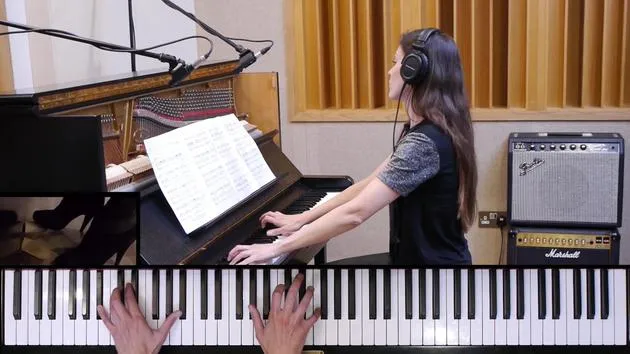
02. I See Fire, Ed Sheeran (Interprétation)
2:40
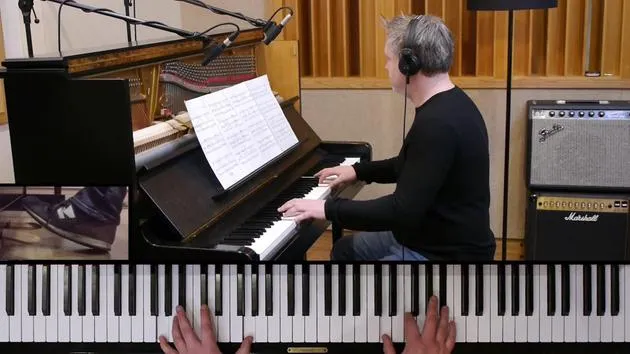
03. Your Song, Ellie Goulding (interprétation)
3:35
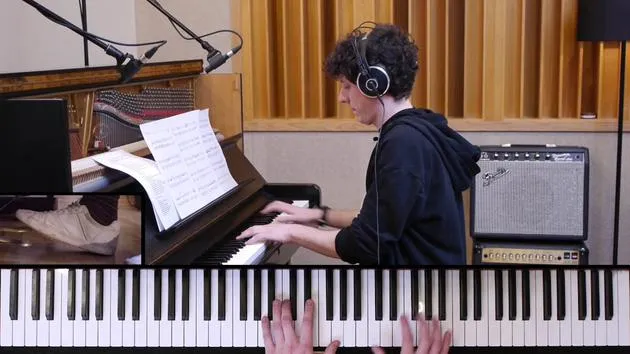
04. Funkometer, Kit Morgan (Interprétation)
2:21
05. Crop Duster, Kit Morgan (interprétation)
2:10
06. Circus Experience, Joe Bennett (Interprétation)
2:19
01. Déchiffrage avec la méthode « KAT TRAP »
Tu es ici9:04
Transcription de la leçon
Sight Reading for Pianists
Hey guys, it's James here.
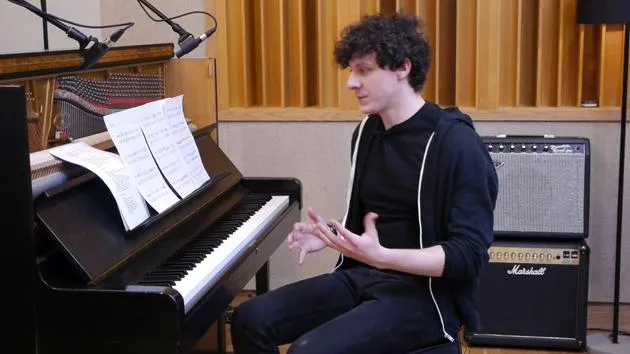
I'm going to talk to you briefly about sight reading, which is a part of the Rock School exams and also a very important aspect of being a performing pianist.
The Importance of Sight Reading
Pianists, especially in the rock, pop, jazz, and funk worlds, often do not have as strong sight reading skills as our classical music counterparts. However, it is crucial to develop sight reading skills even though much of the music we play is aural-based.
- If you want to enter the music theatre world
- Pursue big band music
- Engage in session work
Sight reading is an essential skill that you will need in your daily life. It allows for quicker rehearsals with bandmates when music can be complicated.
My Journey
For me, sight reading came relatively late. I personally struggled with it at a young age, and looking back, I wish I had developed those skills much earlier. Of course, you can improve your sight reading at any age, but starting early in your music development journey will lead to a more satisfying playing experience in the future.
Challenges of Piano Sight Reading
The most difficult aspect of piano sight reading is that there are two staves to read simultaneously. This adds complexity, as we have:
- Not only two staves
- Often chords
- Different lines happening on each stave (contrary motion, counterpoint chords)
To tackle this, remember that sight reading is an incremental process.
We start off simply and gradually increase complexity. If you're working through the Rock School grades, you will encounter increasing challenges at each step.
Practice Makes Perfect
With consistent practice, you will eventually be able to sight read a wide range of music with relative ease.
The CAT TRAP Formula
I've attached a formula in the PDF, which I've named CAT TRAP. This acronym outlines the seven key elements to consider when sight reading a piece of music, plus one essential reminder:
-
C: Key
- Identify the key (F, C, G major, G minor, E minor, etc.) by looking at the clef and the key signature next to it. This will determine your accidentals, which must be acknowledged throughout the piece.
-
A: Articulation
- Note the phrasing of the piece: Are there staccato lines, tenuto lines, or slurs? Don't miss the markings as they are essential for delivering the music properly.
-
T: Tempo
- Determine how fast the piece is meant to be played. A composition at 50 bpm will sound vastly different from one at 120 bpm. Always mark your tempo and any tempo guidance.
-
T: Time Signature
- The time signature indicates how many beats are in a bar. Most rock pieces are in 4/4, but jazz pieces might vary (3, 5, 7, etc.). The key is subdivision: breaking it down rhythmically to ensure accuracy.
-
R: Repeats
- Look for elements that are repeated in the score. These are often indicated by black lines or dots. Be mindful of first-time and second-time bars to avoid messing up the flow.
-
A: Accidentals
- Be aware of sharps or flats that are not part of the key signature. Missing them can drastically affect the melody and overall sound of the music.
-
P: Patterns
- Recognize chord shapes and note patterns rather than reading each note individually. Familiarity with shapes allows for quicker recognition, making sight reading easier despite the complexity of the music.
Final Thoughts: Don't Panic!
The most important takeaway is: don't panic. We all start somewhere, and improving your sight reading skills takes time.
- Start slightly above your comfort level and gradually increase the difficulty.
- Think of sight reading like lifting weights, if you start with something too heavy, you'll struggle. Begin with something a bit challenging, and your strength and stamina will grow.
Remember: CAT TRAP, Key, Articulation, Tempo, Time signature, Repeats, Accidentals, Patterns, and don't panic! You will get there eventually. Happy practicing!
29 leçons
2h 21m de leçons vidéo structurées
Fonctions vidéo avancées
Ralentissez, bouclez un passage, suivez la partition
Mobile, tablette et ordinateur
Pratiquez où vous voulez
Satisfaction garantie à 100 %
Garantie remboursement 30 jours







