



Gammes - Grade 2
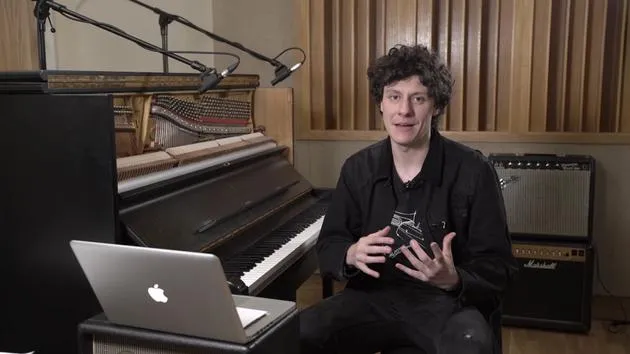
James parcourt les gammes, arpèges et voicings du programme Rockschool Grade 2, en mettant l'accent sur la synchronisation des deux mains.

Le contenu du cours
29 leçons (1h 37min) · 1 gratuites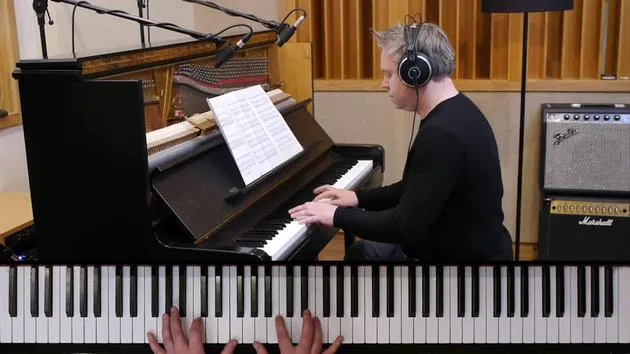
01. The Scientist, Coldplay (Interprétation)
2:13
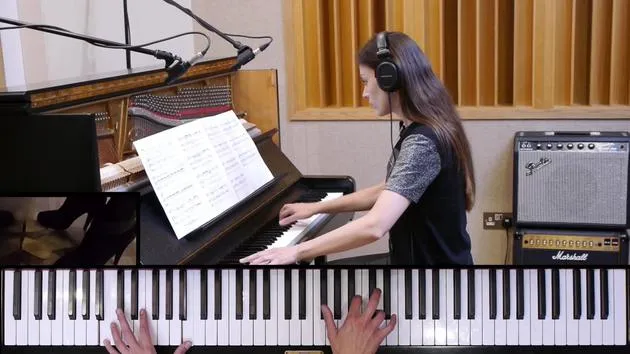
02. Halo, Beyonce (Interprétation)
Leçon gratuite1:56
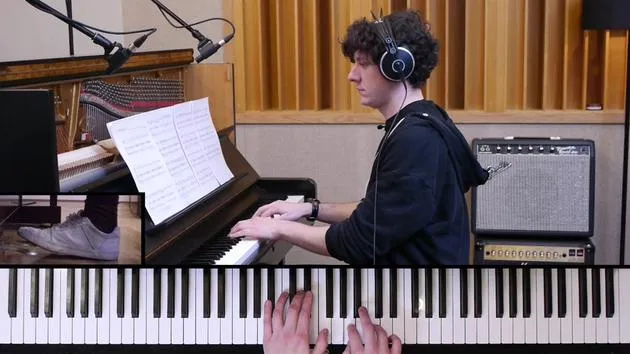
03. Just the Way You Are, Bruno Mars (Interprétation)
1:45
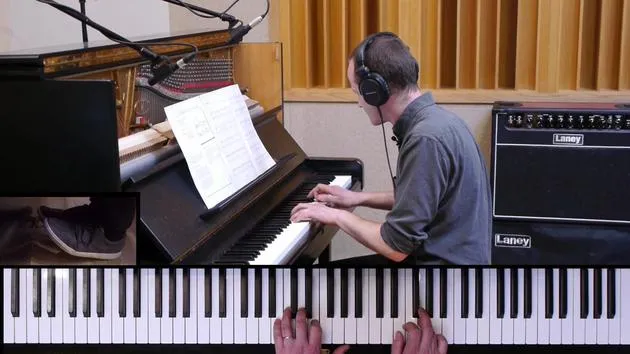
04. The Faith Divide, Simon Troup (interprétation)
1:31
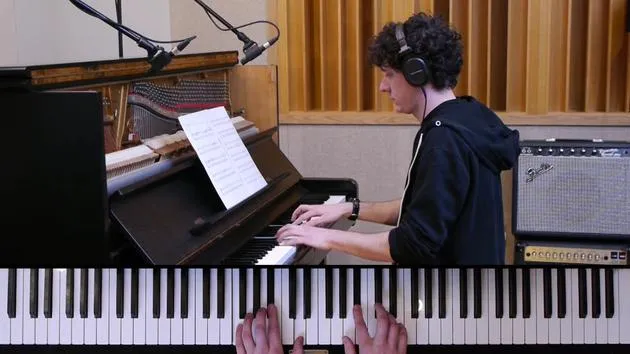
05. Ska'd For Life, Kit Morgan (Interprétation)
1:34
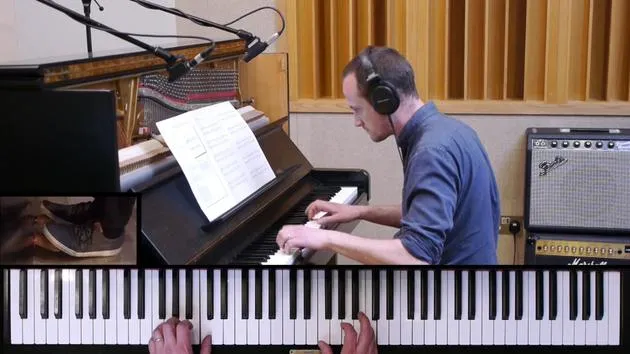
06. Hit It Harder, Stuart Ryan (Performance)
1:29
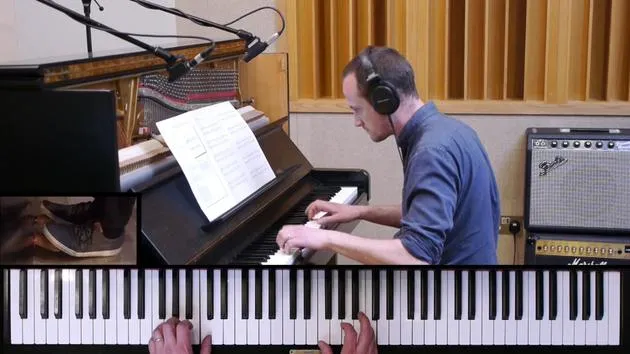
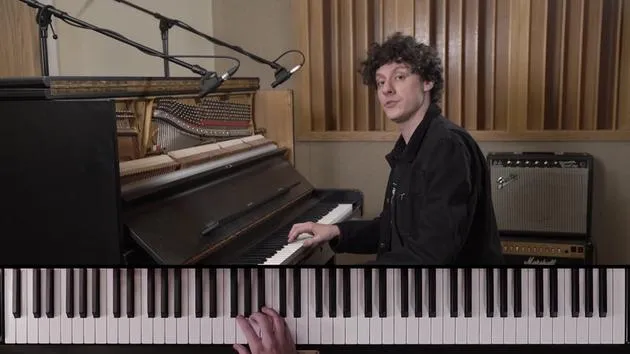
Transcription de la leçon
Technical Exercises for Rock School Grade Two
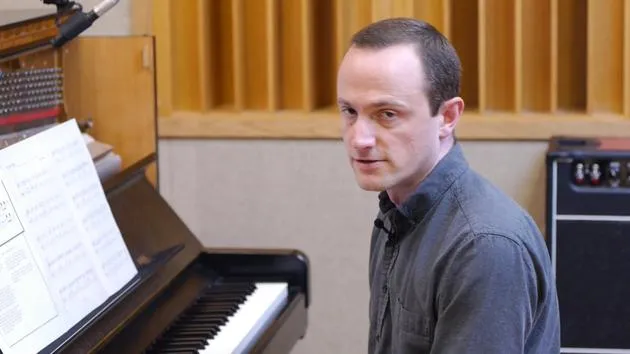
Hey, guys, it's James here and I'm going to take you through the technical exercises for the Rock School Grade Two syllabus.
Overview
So we're talking scales, arpeggios, and voicings here. There's a fair amount to cover, but it's all good stuff. I guarantee you, if you learn these exercises:
- You're going to ace the exam.
- More importantly, you're going to sound great as a musician.
- You will develop your skills, so when you're playing with other people, you're going to sound wicked.
And isn't that what it's all about?
Key Focus: Hands Together
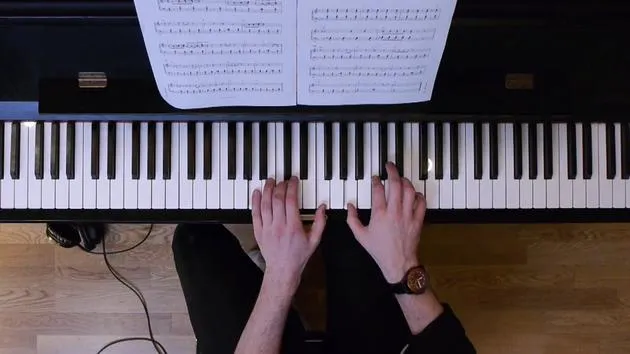
Right, so the hardest thing about Grade Two is that if you've done any of the previous grades, you'll find that they were hands separate. In Grade Two, we're working with hands together scales. This means that the fingering we use has to happen at the same time for both hands.
Essential Scales
Now, there's quite a lot of scales here, and I'm going to go through some of the more noticeable ones. Generally, the fingerings are fairly standard when they're written down on the scores that you've got in your music. You can change the fingerings up a bit if you need to; it's not essential to go with them.
However, particularly with scales, good fingering makes good scales. If you run out of fingers, it can be very easy to mess up the scale.
D Major
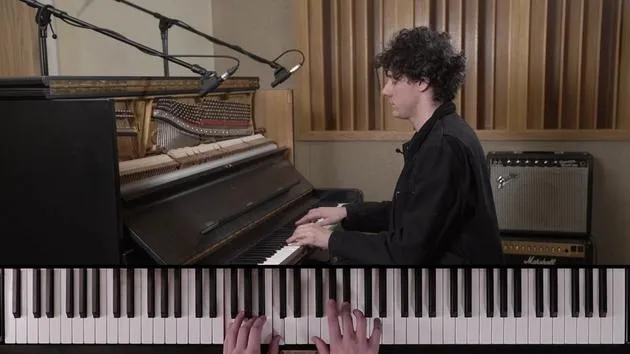
I'm going to demonstrate the D major scale.
- 1, 2, 3.
The main difference with the B flat major scale is that the left hand starts on the third, not the fifth, which is a common fingering for most chords. So just look out for that.
B Harmonic Minor
B Harmonic minor is an interesting scale. We may have worked through natural minors before. Now, the harmonic minor is similar to a natural minor, except that with the seventh, which is at the very top of the chord.
So that A sharp there, it is what gives the tonality of the harmonic minor. It's a very Middle Eastern sounding top. If you're ever used to hearing any Arabic or Middle Eastern music, you might have heard this sort of sound coming through.
Be aware of that sound. It's a very noticeable and iconic sound. So when you hear harmonic minor, hear that 7 reaching up higher to resolve on the top. It's a beautiful scale and one that will really help you when you're improvising in your playing.
Melodic Minor
Contrastingly, we have the melodic minor scale. This is again similar to a natural minor or a harmonic minor, except that once we get above the minor thirds, it is basically the same as a major scale.
A C major scale, of course, being:
- A melodic minor scale is basically a major scale with a minor third.
Another very interesting and quite beautiful sounding scale.
Variations of Minor Scales
The reason there are three minors and not just one, like the major scales, is because there are very different types of minor scales depending on the harmony you're playing.
- Some more classical type music focuses much more on the harmonic minor.
- A lot of jazz music is focused around the melodic minor.
In any case, whatever music you're interested in playing, it's important to learn all the different types of scales so you can play anything when it comes up.
Mixolydian Scale
Now, one of the scales I want to look at is the Mixolydian scale.
- We're starting on C in this scale book at number seven.
- Exercise is basically a C7.
So the C7 chord is the scale of the Mixolydian, and conveniently, this is actually the same as F major.
Important Note: F major and C Mixolydian are the same. The Mixolydian is the fifth chord of the A major scale. So every time you see a Mixolydian, think of it as the five of the fifth below it.
So, in this case, it's the same notes, so you're already halfway there. Mixolydian isn't too bad after all!
Chromatic Scales
One of the new additions to the scales in Grade Two is the chromatic scales.
Chromatic scales are basically the same thing, no matter which note you start on. The reason why chromatic scales are important is that they work on tricky fingering.
When you're playing a scale, you're used to spreading your hands out, but with chromatic scales, we cover every single note and work in quite close proximity. Most of the time:
- You're just going to be using fingerings 1, 2, and 3 in both hands.
- The fourth and fifth fingers tend to be a bit weaker.
With this kind of passage, especially when we're playing quickly in later grades, we find that the fingers can't often keep up. But, we don't tend to need that many fingers when we're playing chromatic scales.
Demonstration: I'm going to play you the chromatic scale starting on D.
29 leçons
1h 37m de leçons vidéo structurées
Fonctions vidéo avancées
Ralentissez, bouclez un passage, suivez la partition
Mobile, tablette et ordinateur
Pratiquez où vous voulez
Satisfaction garantie à 100 %
Garantie remboursement 30 jours







