



Kita's Five
Un parcours professionnel du morceau de jazz Grade 7 Kita's Five, décortiquant son feel de swing en 5/4 et le timekeeping capital de la cymbale ride.
Le contenu du cours
29 leçons (2h 45min) · 1 gratuites
01. Control – Chase & Status
3:12
02. Law – Richard Spaven
3:11
03. Cry Me A River – Justin Timberlake
3:06
04. Family Affair – Mary J Blige
3:27
05. What Is Hip? – Tower of Power
3:19
06. Techno – John Scofield
3:13
07. Razorhead
3:17
08. Buena Havana
2:38
09. The Bean
3:19
10. Eastern Adventure
Leçon gratuite2:48
11. Full English Breckerfest
2:35
12. Kita's Five
2:59
01. Control – Chase & Status
13:17
02. Cry Me A River – Justin Timberlake (Leçon)
15:05
03. Family Affair – Mary J Blige (Leçon)
11:59
04. Law - Richard Spaven (Leçon)
6:05
05. Techno – John Scofield (Leçon)
10:43
06. What Is Hip? – Tower of Power (Leçon)
10:54
07. Razorhead
7:23
08. Buena Havana
7:17
09. The Bean
9:50
10. Eastern Adventure
6:01
11. Full English Breckerfest
5:45
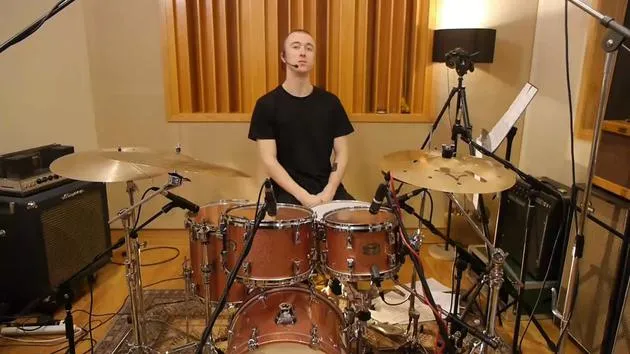
12. Kita's Five
Tu es ici7:03
Transcription de la leçon
Kita's Five: Jazz Drumming Lesson
Okay, so Kita's Five is our first properly jazzed tune of grade seven, and it's fun!
Understanding 5/4 Time
-
Time Signature: As the name suggests, the piece is in 5/4. The clave of the whole thing is grouped as follows:
1, 2, 3, 1, 2
That's cool, right? -
Listening Recommendation:
A great way to get this feel in your head is to listen to "Take Five" by Dave Brubeck, featuring Joe Morello on drums. Understand that 5/4 swing pattern!
Importance of the Ride Cymbal
-
Main Timekeeper:
The ride cymbal in jazz is the main timekeeper. In other genres, the groove typically comes from the bass and snare drum. -
Playing with the Ride Cymbal:
- Practice playing evenly on the ride cymbal.
- Avoid making beats 1 and 4 too heavy, as this can rob the music of its airiness and bounce.
-
Quarter Notes:
Notice that my quarter notes are mostly the same volume, unless I choose to vary them. This provides a lovely wash of sound for any soloing over this ride beat.
Developing Your Groove
-
Bass Drum:
For me, the bass drum serves as another tom in jazz music. Currently, my bass drum is tuned quite dead, but for a more open sound, think about having a nice "oom" sound. Tuning your drums differently can be really fun! -
Triplet Ideas:
Practice triplet ideas against the ride cymbals. Start by practicing in 4/4, then move to 5/4.
Improvisation in Jazz
-
Playing Freely:
When playing jazz, don't expect the guitarist to say, "I'd like you to play at bar 16." Take some liberties with the piece. While you might stick to what's on the page, remember that jazz is all about improvising. -
Practice Groupings of Triplets:
Work on groupings of triplets against the ride cymbal beat. Listen, as this is very important for developing jazz coordination and technique.
Recommended Resources
- Books to Consider:
Check out John Riley's books:- The Art of Bop Drumming
- Beyond Bop Drumming
These will help you develop your jazz coordination and technique.
Flow of Ideas
- Improvisational Conversation:
Remember, if you're improvising, let your ideas flow naturally like a conversation. Avoid planning everything out beforehand, as this may stifle your creativity in jazz.
Exploring Straight Eighths
- Transition:
Later, we move to straight eighths from swung. Practice this transition with a metronome to help with your coordination.
Playing in Six
- Drum Solo in Six:
When you get a drum solo in 6, think about it being grouped in:
1, 2, 3, 1, 2, 3
Explore dotted quavers and dotted semiquavers to create interesting rhythms.
Listening Recommendations for Inspiration
- For those interested in metric modulation, listen to Tony Williams on:
- Notably on Four
- My Funny Valentine
Two groundbreaking live Miles Davis albums that showcase his genius.
Final Advice
Familiarize yourself with the jazz style. Move away from relying on your bass and snare drums; it's all about the ride cymbal. Remember, no jazz group will reprimand you for using too much ride cymbal!
Think smooth, eerie, and perfectly considered. Improvise and have some fun!
I hope you enjoy it!
29 leçons
2h 45m de leçons vidéo structurées
Fonctions vidéo avancées
Ralentissez, bouclez un passage, suivez la partition
Mobile, tablette et ordinateur
Pratiquez où vous voulez
Satisfaction garantie à 100 %
Garantie remboursement 30 jours







