



Family Affair – Mary J Blige (Leçon)
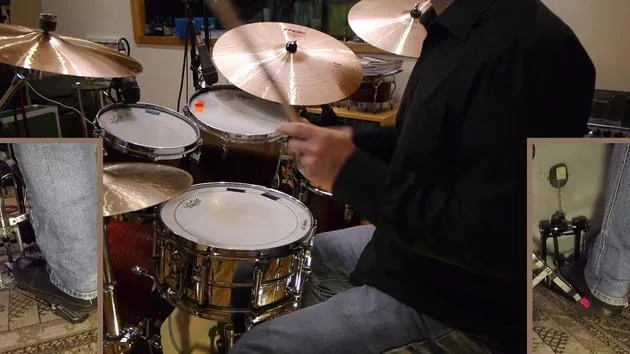
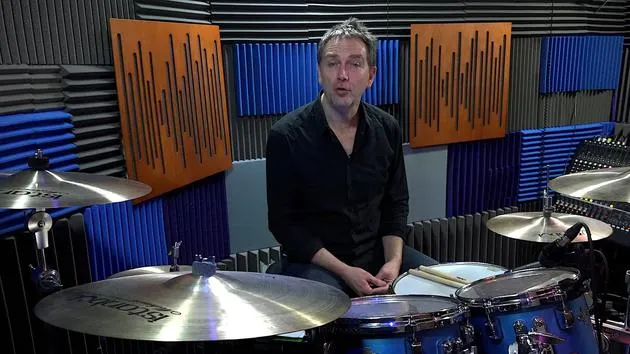
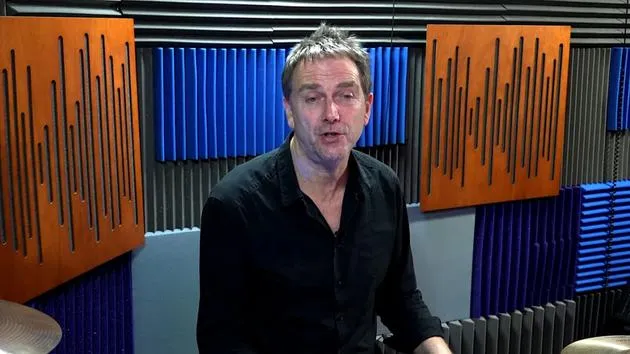
Stu Roberts décortique la partie de batterie de niveau Grade 7 de 'Family Affair', en commençant par l'anacrouse d'introduction, un peu délicate, et le décompte de six temps qui te permet d'entrer pile au bon moment.

Le contenu du cours
29 leçons (2h 45min) · 1 gratuites
01. Control – Chase & Status
3:12
02. Law – Richard Spaven
3:11
03. Cry Me A River – Justin Timberlake
3:06
04. Family Affair – Mary J Blige
3:27
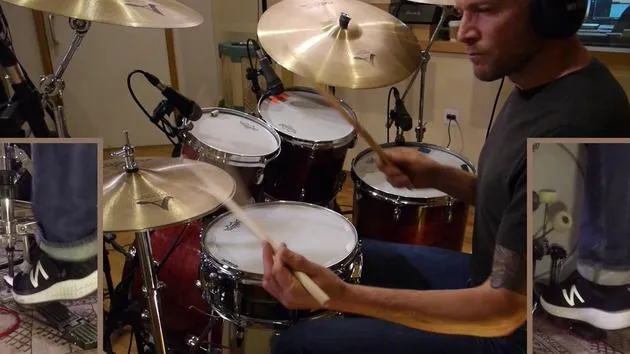
05. What Is Hip? – Tower of Power
3:19
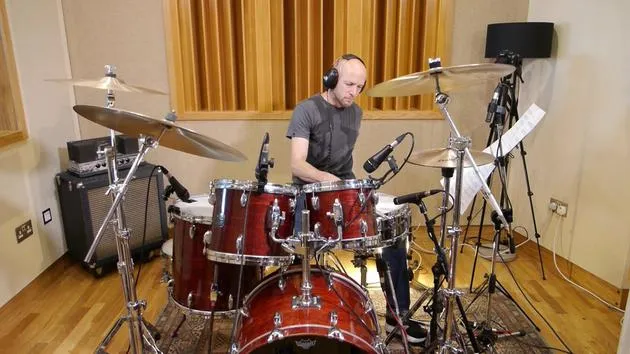
06. Techno – John Scofield
3:13
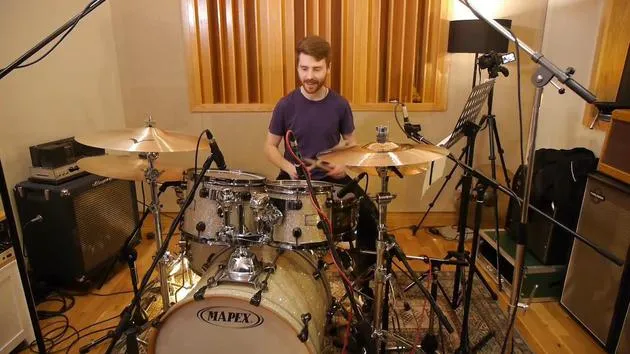
07. Razorhead
3:17
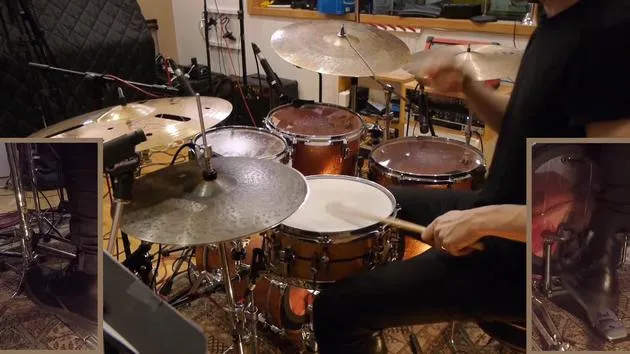
08. Buena Havana
2:38
09. The Bean
3:19
10. Eastern Adventure
Leçon gratuite2:48
11. Full English Breckerfest
2:35
12. Kita's Five
2:59
01. Control – Chase & Status
13:17
02. Cry Me A River – Justin Timberlake (Leçon)
15:05
03. Family Affair – Mary J Blige (Leçon)
Tu es ici11:59
04. Law - Richard Spaven (Leçon)
6:05
05. Techno – John Scofield (Leçon)
10:43
06. What Is Hip? – Tower of Power (Leçon)
10:54
07. Razorhead
7:23
08. Buena Havana
7:17
09. The Bean
9:50
10. Eastern Adventure
6:01
11. Full English Breckerfest
5:45
12. Kita's Five
7:03
Transcription de la leçon
Drum Lesson: Family Affair - Grade 7 Rock School
Hi, welcome to our drum lesson on Family Affair, which is grade 7 Rock School drumming.
Introduction
Okay, so if you steam straight in with bar one, rehearsal letter A, the first thing that you notice is that it starts with an anacrusis. In pop music, we might call that a lead-in or a pickup. Effectively, there's a drum fill going into the main groove.
Key Elements to Note:
-
Click Track: Leading into it, we've got six beats instead of four. So don't come in after four beats, you've got one bar of time plus the two beats before you come in.
- Count: 1, 2, 3, 4, 1, 2 to sing in drums.
-
Drumming Elements: Within that fill, there are some important drumming elements:
- Flam on the Snare Drum: A flam occurs when one note strikes slightly before the other.
- Strong Playing: All the drumming is strong. We want nice, strong, powerful, committed drumming.
Bar Two Dynamics:
- When the beat drops at bar two, play those eighth notes on the hi-hats. Strong, big!
- For the backbeat, use rim shots to give the whole thing swagger and prowess.
Developing the Groove
As the song continues, we get to the third bar of letter B. Here, we have time slashes, which means to continue in the style you're already playing.
- Develop: This term means to continue as you are, but maybe add a couple of extra things.
- Alter the bass drum pattern slightly.
- Listen to the vocal to see if there's anything you can pick up.
"Within everything that you do, it's always within musical parameters."
Example Playthrough
Here's a little example of playing this type of groove while also developing it in a way that is stylistically appropriate.
- The idea is to maintain a similar groove and dynamics, just adding a couple of little, you know, salt and pepper kind of grace notes, creating textural variety.
Stop Time Figures
Next, consider the stop time figures. Stop time means that the music is continuing, but the rhythm section may be hitting beat one and stopping for a couple of beats.
- This technique creates excitement and occurs:
- On the first beat of rehearsal letter C.
- At rehearse letter E.
Coming Back In
One thing worth noting is that in the second bar of E, you're coming back in on beat two, not beat one. This creates a little bit of tension.
"The rhythm section has stopped, and then the listener thinks the drums will come back in on beat one. But you don't. You come back in on beat two."
Syncopated Figures
There's a syncopated 16th note figure which you are free to orchestrate as you wish. In bar 39, think of it like:
- 1, 2, ga da da da da da.
Approach:
- Play short notes with a short sound and longer notes with a longer sound.
- Short sounds include:
- Snare drum
- Open hi-hats
You might move it around the toms as you experiment. The slash marks and what appear to be big band horn figures give you artistic license as a drummer.
"Experiment and think what sounds good."
Dynamics and Contrasts
When we reach rehearsal letter G, there's a dynamic contrast. We transition from shut hi-hats to open hi-hats, enhancing the rock feel.
- Input Increases: The dynamic input into the music is increasing as we change instruments.
Implying Double Time
When we get to two bars before rehearsal letter I, we imply double time.
- While nothing is going at double time, we're superimposing double time over the regular groove for those four beats.
- In tracking this, I carried it on for two more beats before playing a fill to create excitement leading into a crescendo in the next bar.
Showcasing Fills
At rehearsal letter I, this is your chance to showcase fills, with a caveat.
"This does not mean throw the drum kit down the stairs or play as fast and loud as you can."
Suggestions:
- Play something that fills the space, musically aware and stylistically appropriate.
- For the first bar, there's no fill asked for; just play those eighth note figures.
- In the next three bars, fill in between those notes with different rhythms.
"I just played what came to me when the music was going at the time."
Final Thoughts
One interesting figure is in the final bar. Just play what's on the page and sing that rhythm to yourself.
Musical Thinking
By thinking musically, rather than focusing on minutiae, it will help you play smoother and more relaxed.
Conclusion
That brings us to the end of our Family Affair drum lesson. I hope you enjoy the track!
There's loads of scope at grade seven for you to think for yourself and try out new ideas.
Practice Tips:
- Record your practice with the backing track.
- Try doing it just with a click track or on your own.
- Analyze areas for improvement that will make you a better player.
So good luck, have fun, and I'll see you out there!
29 leçons
2h 45m de leçons vidéo structurées
Fonctions vidéo avancées
Ralentissez, bouclez un passage, suivez la partition
Mobile, tablette et ordinateur
Pratiquez où vous voulez
Satisfaction garantie à 100 %
Garantie remboursement 30 jours







