



Deuxième groove - blues lent
Avec
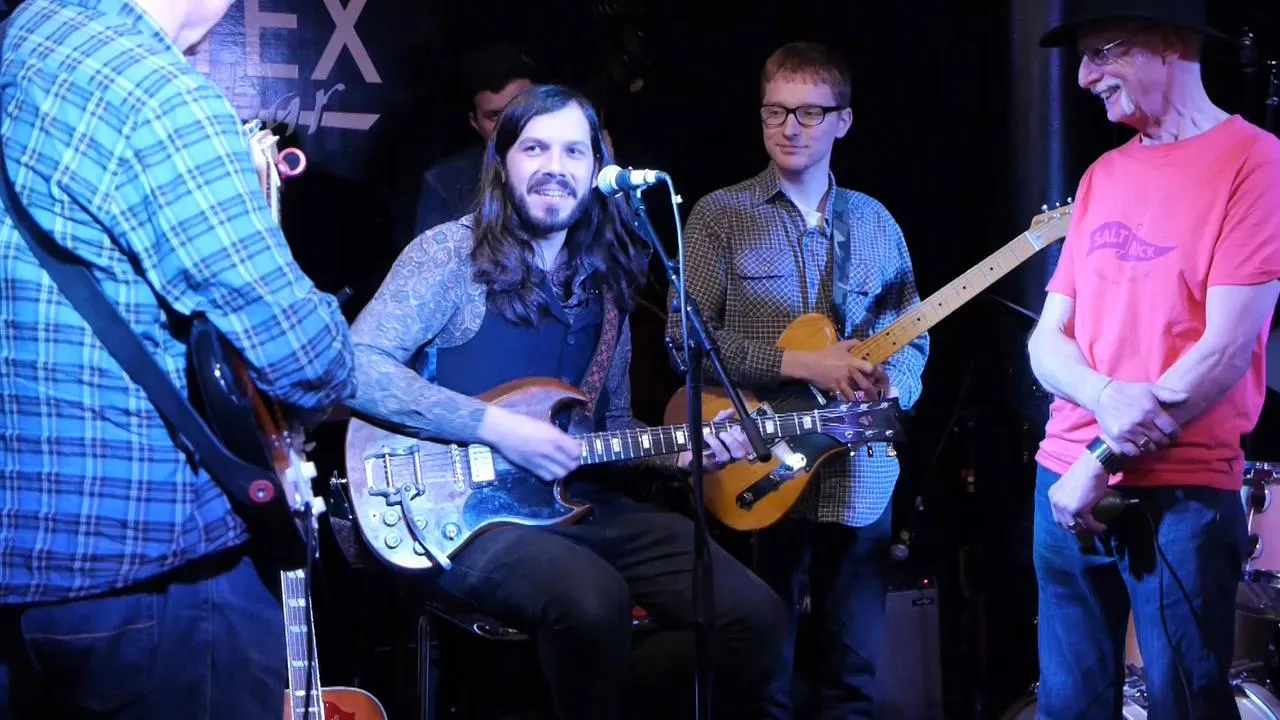
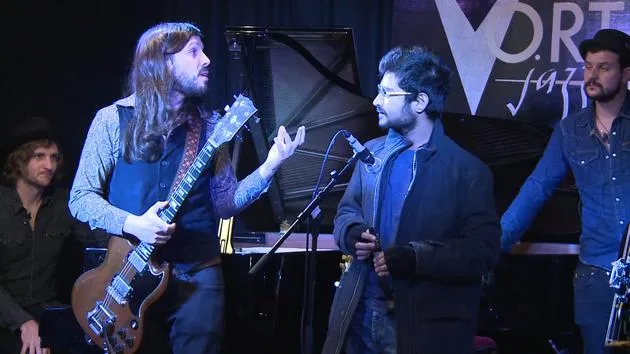
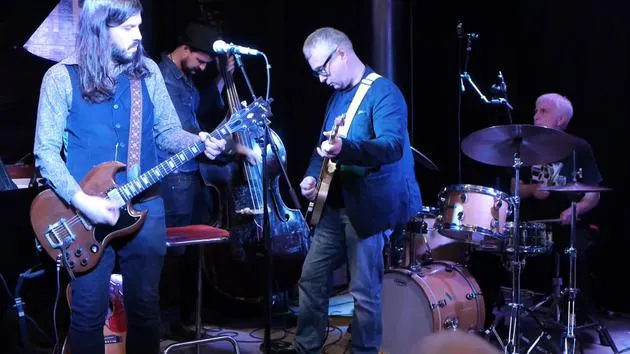
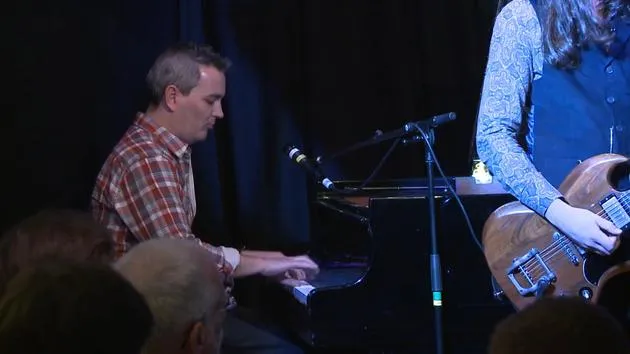
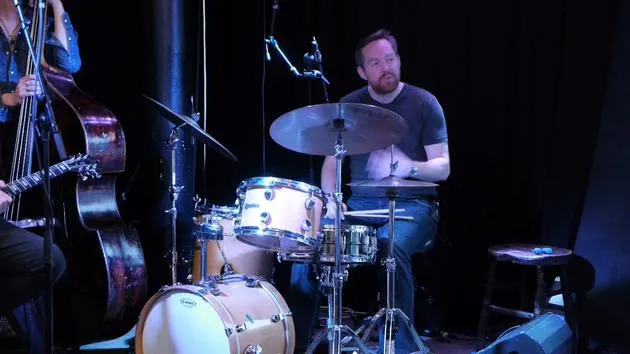
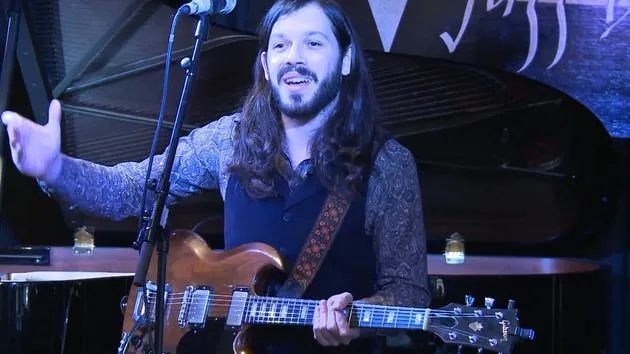
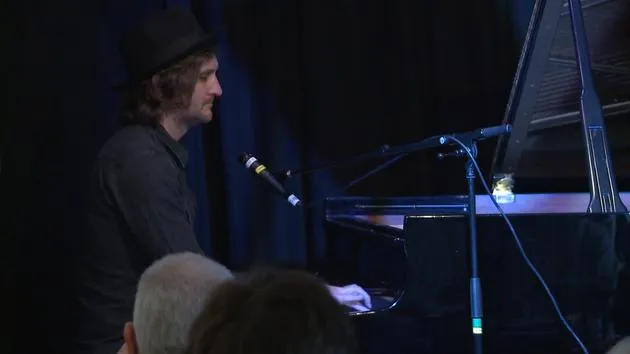
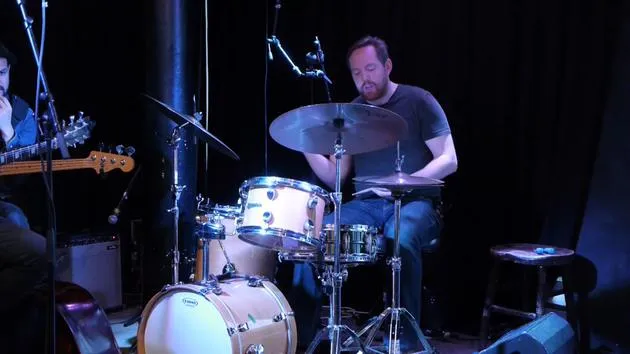
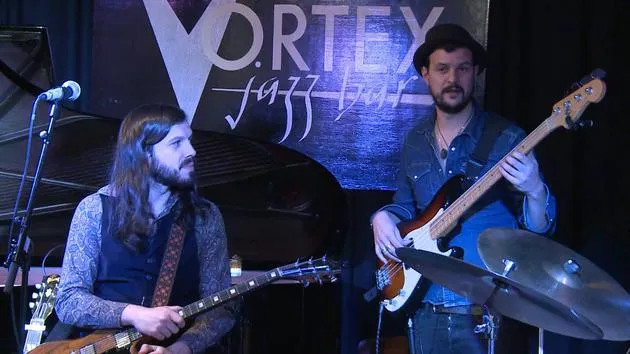
Paddy MilnerLe groupe joue le blues lent 'Mother Earth' de Memphis Slim, puis décompose le feel en triolets et la façon dont une section rythmique soutient un soliste, avec Paddy en démonstration au piano.
Le contenu du cours
16 leçons (2h 45min) · 1 gratuites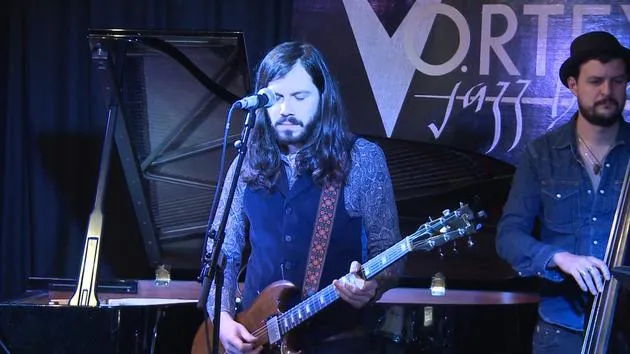
01. Interprétation de Tom Waits - Way Down In The Hole
3:33

02. Premier groupe - interprétation
6:38
03. Premier groupe - analyse
17:28
04. Deuxième groupe - interprétation
3:27
05. Deuxième groupe - analyse
13:09
06. Troisième groupe - interprétation
7:28
07. Troisième groupe - analyse
6:27
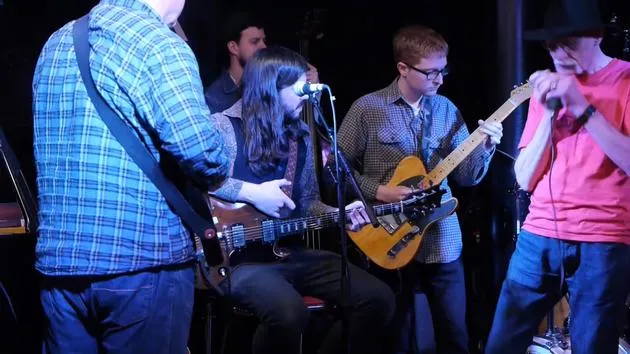
08. Quatrième groupe - interprétation
4:37
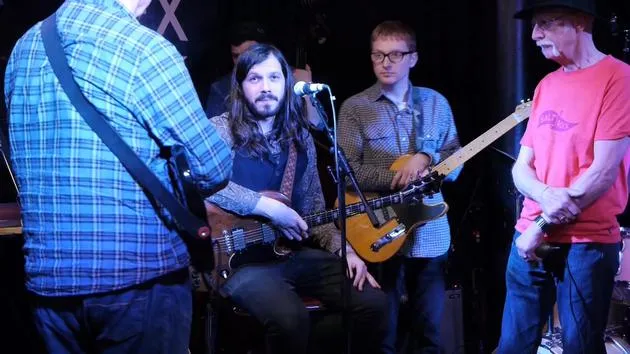
09. Quatrième groupe - analyse
4:24
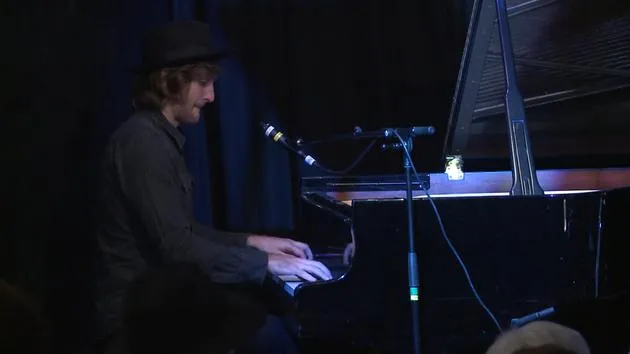
10. Performance - Mardi Gras
7:56
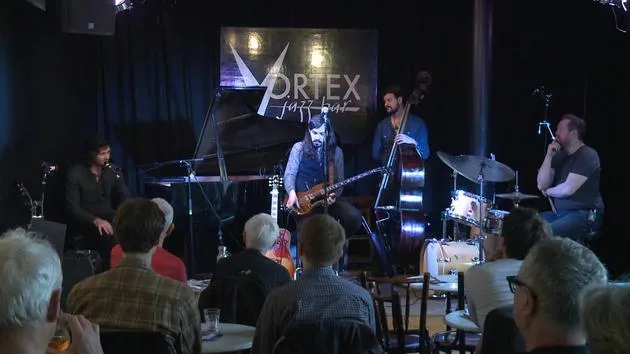
Transcription de la leçon
Music Lesson: Exploring Slow Blues
Introduction
Yes. Shift styles. Yeah, we could. Yeah. I don't know. Unless there's any more shuffle questions. Now we've done it. Cool. Well, we're gonna have a break at some point. So if you have any questions, you can ask us in that break as well as afterwards. Whenever.
Slow Blues Concept
Let's play slow blues and have a quick talk about that before looking at some New Orleans stuff or something. Cool! What do you want to play?
Key: G
Let's do this Memphis Slim song called Mother Earth. Yeah, nice. It goes like this, actually.
"I'll do a little four bar. Have enough money you like. But I don't care how great you are. And I don't care what you're worth. Cause when it all ends up, you got to grow up, child, back to mother earth."
"You might hide me all the time. You might never walk my way. But Mother Earth has got the debt that we've all gotta pay."
"I don't care how great you are. And I don't care what you're worth. Yes, 'cause when it all ends up, you got to grow up, child. We've gotta go. You've gotta go. Back to mother Earth."
Let's bring it down, folks.
"Yes, you might buy yourself a Cadillac. You might get the good looking girls. You might buy yourself a private. It doesn't matter how great you are. And I don't care what you're worth. When it all ends up, gotta grow up, child. Back to mother earth."
Overview of Mother Earth
Thank you. Yeah. Great song by a fantastic piano player/singer, Memphis Slim. If you haven't checked out any Memphis Slim records, definitely go home and do that.
Exploring Space in Music
I guess now we're talking about this sort of slow version of this triplet feel. And I guess the thing about it is space, you know, time and space. I'm not getting all philosophical here about the nature of the universe, but yeah, there's so much space within it and space to play about with the time.
- Different places you can place your notes.
- You don't necessarily have to stick to those subdivisions of the time.
You can, you can be free! And you can do this on any field. But in a slow blues in particular, you've got that freedom to play stuff.
- So remember: You don't have to always play endless triplet things.
- You can be free to play as long as you've got that time running through you underneath.
Improvisation Tips
So, when you're improvising, the main thing is to know where the groove is, know where the time is. Once you've got that, then you're free to play anything rhythmically on top of it.
You kind of feel free to be expressive. I mean, we're talking about a song here about Mother Earth. It's about death. It's about your mortality. He's clearly expressing a feeling about that which is reflected in what is played on the piano and everything else.
Emotional Expression
- There could be a sense of desperation or anger.
- Or it could be accepting of the state of the universe.
Questions for Reflection:
- How would you approach a solo on a slow blues, Marcus?
Deepening the Discussion
Marcus responds: Yeah, well, I like what you're saying, Pat, about thinking about what the song is trying to say.
"The solo doesn't start when the lyrics stop. The solo continues on the message of the lyrics."
That's not the way to think about it, as in, "Okay, I've sung the song and now I've got some licks I want to play over this." That never sounds right.
Building a Solo
- I think the solo should tell the next bit of the story.
- There's a million ways you can build a solo.
Most people say, "Oh, you should really start slow and then build up to this thing." And you know, that's a really great way of doing things, and sort of six times out of ten that's probably what you'll do.
But there's no reason why every solo must start in this template. It should be what you feel should happen next.
- Often, this can come from what the band does behind you.
If the band drops down to nothing for your solo, you can lead them to that.
Dynamics and Interaction in Solos
The way you play would hopefully dictate how the band responds.
- If you clearly start digging into rhythmic ideas, the band should pick up on that.
- There can be tension and release in your dynamics, which adds a lot to a performance.
Conclusion and Next Steps
Keep in mind that while playing and building solos, it's about risk-taking and pushing the boat out.
- Why not try something that isn't in the same key?
- Create tension, and find ways to resolve that tension.
As we dive deeper into this process, remember, it's about listening to one another and allowing space for creativity.
Final Reflection: How can you apply these principles to your own playing?
16 leçons
2h 45m de leçons vidéo structurées
Fonctions vidéo avancées
Ralentissez, bouclez un passage, suivez la partition
Mobile, tablette et ordinateur
Pratiquez où vous voulez
Satisfaction garantie à 100 %
Garantie remboursement 30 jours
Rencontrez votre guru
Rencontrez votre guru
Paddy Milner est reconnu comme l'un des meilleurs pianistes de blues au monde : il est actuellement le claviériste attitré de Sir Tom Jones, après plusieurs années aux côtés du grand et regretté Jack Bruce, mais c'est aussi un superbe auteur-compositeur original et un chanteur au timbre singulier. Il suffit de lire les éloges de personnalités comme Dave Brubeck ci-dessous ! Son jeu figure sur la bande originale du film à succès 'Rocketman' (2019).
Il a remporté à deux reprises le prix du Meilleur claviériste aux British Blues Awards et occupe de longue date une résidence en tant que membre fondateur du Ronnie Scott's Blues Explosion au club mondialement réputé Ronnie Scott's.
Son groupe actuel LONDONOLA joue une musique britannique maison teintée d'une bonne dose d'esprit de La Nouvelle-Orléans, et son projet collectif JAWBONE va de succès en succès depuis la sortie de son premier album éponyme.
- « J'adore... voilà un gars qui sait vraiment jouer du piano » - Dave Brubeck
- « Je le recommande vivement. D'une certaine manière, tout se met à aller beaucoup mieux ! » - Jack Bruce
- « Le meilleur pianiste de blues d'Europe... » - Blues Access, USA
- « Impressionnant et original » - The Times
- « Éblouissant » - The Independent
Au fil de ses cours, Paddy décortique l'authentique shuffle de blues, le slow blues, le boogie-woogie, le rock 'n' roll et le piano de La Nouvelle-Orléans - jusqu'à trois grands classiques du boogie-woogie - pour que vous appreniez ces styles auprès de l'un des tout meilleurs du métier.







