



Premier groupe - analyse

Avec
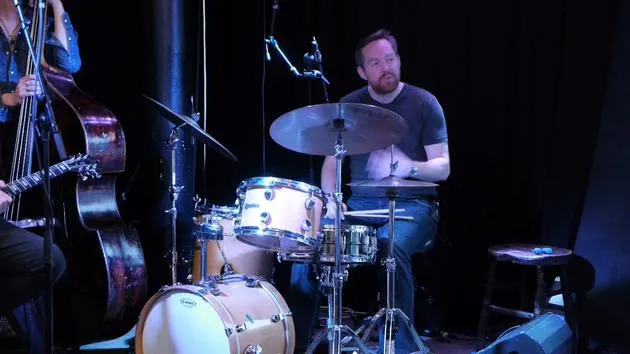
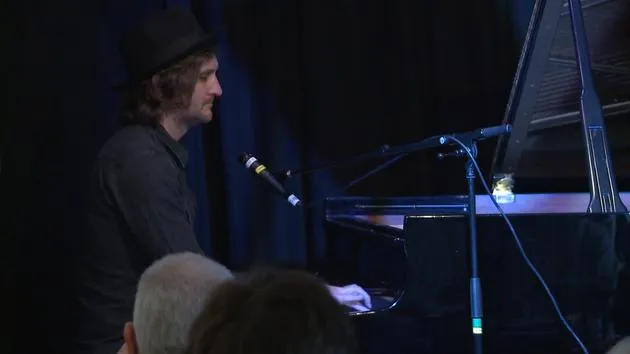
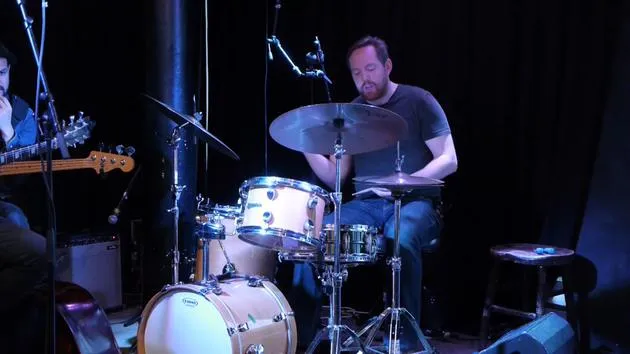
Paddy MilnerPaddy, Marcus, Pat et Jay donnent leur feedback au premier groupe, avec des conseils précis sur les solos et sur la manière de mener le groupe.

Le contenu du cours
16 leçons (2h 45min) · 1 gratuites
01. Interprétation de Tom Waits - Way Down In The Hole
3:33

02. Premier groupe - interprétation
6:38

03. Premier groupe - analyse
Tu es ici17:28
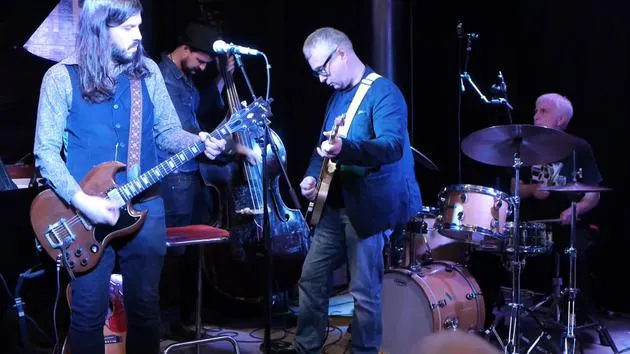
04. Deuxième groupe - interprétation
3:27
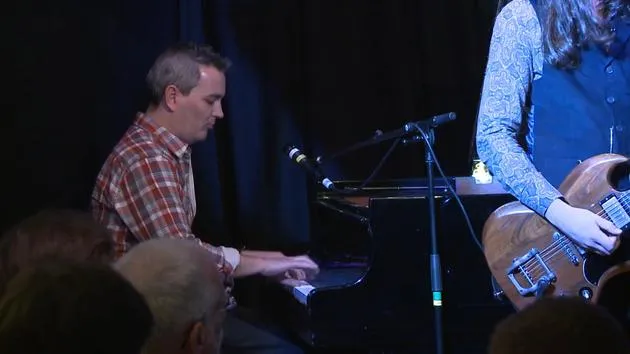
05. Deuxième groupe - analyse
13:09

06. Troisième groupe - interprétation
7:28
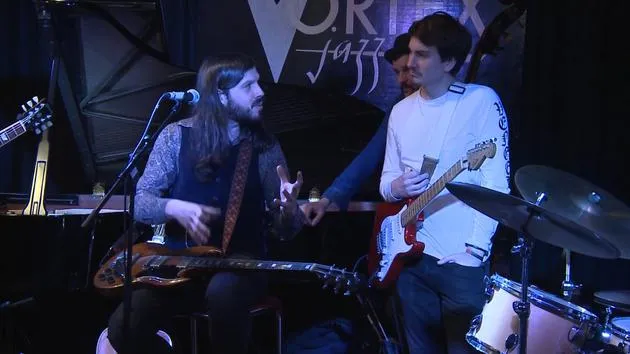
07. Troisième groupe - analyse
6:27

08. Quatrième groupe - interprétation
4:37

09. Quatrième groupe - analyse
4:24
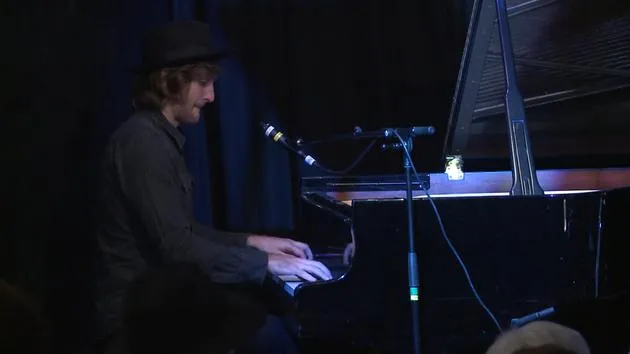
10. Performance - Mardi Gras
7:56



Transcription de la leçon
Music Lesson
General Feedback
Yeah, I mean, yeah. I mean, you guys clearly rose to the occasion. Paul clearly played different stuff. So, I mean, I guess, what points could we look at? Any suggestions?
Starting Points
-
Rhythm: The rhythmic thing would be a good place to start.
- In terms of what everyone's playing and locking in together.
-
Solos: On the subject of solos as well, I think we both played well.
- You could afford to lead the solo a little bit more. This is your thing.
- As the band, we kept it quite steady behind you, which is cool.
- But with certain phrases, as we talked about, with eye contact and looking around, you can afford to have a bit more confidence to lead the band during your solo. That's what makes for a great solo.
"We're all eyes on you. Where are you taking us? We're with you here."
Key Areas to Improve
-
Confidence in Leading:
- That's the confidence to lead the solo a bit more.
- That's what we're here for: as the rhythm, as the backup for you guys. We want to be taken on the journey.
-
Dynamics:
- Maybe it stayed on the same kind of dynamic throughout the solo.
- Think about gradually increasing the dynamic throughout the whole solo, or using certain points in the 12-bar blues to aim for, like perhaps the fifth bar when we go up to the chord four, the B flat.
Suggestions for Dynamics
-
Aim for a phrase that gets louder or more intense, perhaps resolving onto the four chord.
-
Implement:
- A bit of attitude: Yes!
- You could be a bit quieter right on the drums.
- It's probably because I'm deaf. Do you think that might be half the reason?
Playing in an Acoustic Venue
- When you're playing in an acoustic venue like this, you have to do your own mix on stage.
- A lot of the time, drummers get a lot of stick for being the loudest, but not always.
"You can't play like John Bonham when you're doing a slow tune. Everyone will just get destroyed."
Tips for Drumming
-
Stick Height: Try to have a shorter stick height but twist your wrist a bit more for a bit more snap but less volume.
-
Ending the Tune:
- When it comes to endings, it's important to leave the piano player or guitarist to their own.
- You might have a conflict of ideas if you both end it differently.
"There's nothing worse than getting the ending wrong."
Clean Endings
-
It's great to have a clear end to the tune.
-
A nice little snare or kick thing just to finish it off, but watch whoever's ending the tune.
-
Final Thoughts:
- Clean endings are important for the audience to know when to clap.
- "Good endings are vital."
Understanding the Sound from Different Positions
-
Sound Perception:
- How does the sound of the band feel when you're standing on stage compared to sitting in the audience?
- "To be frank, it is a bit different. I can hear so much less."
-
Complementing Each Other:
- The task is to complement each other while playing.
"It's all about trusting each other on stage."
Listening and Adapting
- When playing with two guitar players, it's a discipline.
- You have to be adaptable and listen to each other.
- If one isn't listening, the sound could become messy.
Final Encouragement
- Once you establish something cool, keep that groove going.
- If you've found a cool part that's working with the rest of the band, please keep playing it, because that's what the groove is all about.
"Well done, boys! Give me a round of applause!"
Conclusion
- Any piano players fancy playing next?
16 leçons
2h 45m de leçons vidéo structurées
Fonctions vidéo avancées
Ralentissez, bouclez un passage, suivez la partition
Mobile, tablette et ordinateur
Pratiquez où vous voulez
Satisfaction garantie à 100 %
Garantie remboursement 30 jours
Rencontrez votre guru
Rencontrez votre guru
Paddy Milner est reconnu comme l'un des meilleurs pianistes de blues au monde : il est actuellement le claviériste attitré de Sir Tom Jones, après plusieurs années aux côtés du grand et regretté Jack Bruce, mais c'est aussi un superbe auteur-compositeur original et un chanteur au timbre singulier. Il suffit de lire les éloges de personnalités comme Dave Brubeck ci-dessous ! Son jeu figure sur la bande originale du film à succès 'Rocketman' (2019).
Il a remporté à deux reprises le prix du Meilleur claviériste aux British Blues Awards et occupe de longue date une résidence en tant que membre fondateur du Ronnie Scott's Blues Explosion au club mondialement réputé Ronnie Scott's.
Son groupe actuel LONDONOLA joue une musique britannique maison teintée d'une bonne dose d'esprit de La Nouvelle-Orléans, et son projet collectif JAWBONE va de succès en succès depuis la sortie de son premier album éponyme.
- « J'adore... voilà un gars qui sait vraiment jouer du piano » - Dave Brubeck
- « Je le recommande vivement. D'une certaine manière, tout se met à aller beaucoup mieux ! » - Jack Bruce
- « Le meilleur pianiste de blues d'Europe... » - Blues Access, USA
- « Impressionnant et original » - The Times
- « Éblouissant » - The Independent
Au fil de ses cours, Paddy décortique l'authentique shuffle de blues, le slow blues, le boogie-woogie, le rock 'n' roll et le piano de La Nouvelle-Orléans - jusqu'à trois grands classiques du boogie-woogie - pour que vous appreniez ces styles auprès de l'un des tout meilleurs du métier.







