



Retours généraux et analyse de Maxim Vengerov
Avec
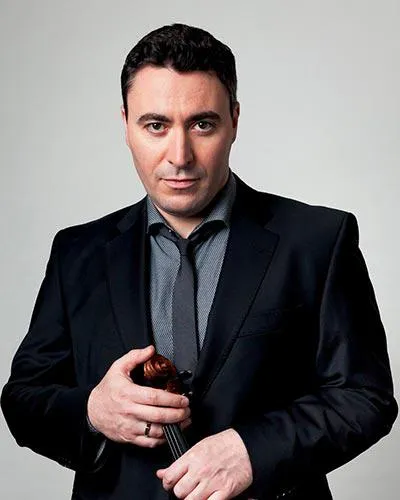
Maxim VengerovMaxim Vengerov donne à une élève des retours détaillés sur sa fugue de Bach, avec des éclairages sur l'harmonie, le phrasé et la façon de façonner la longue ligne de la Sonate.
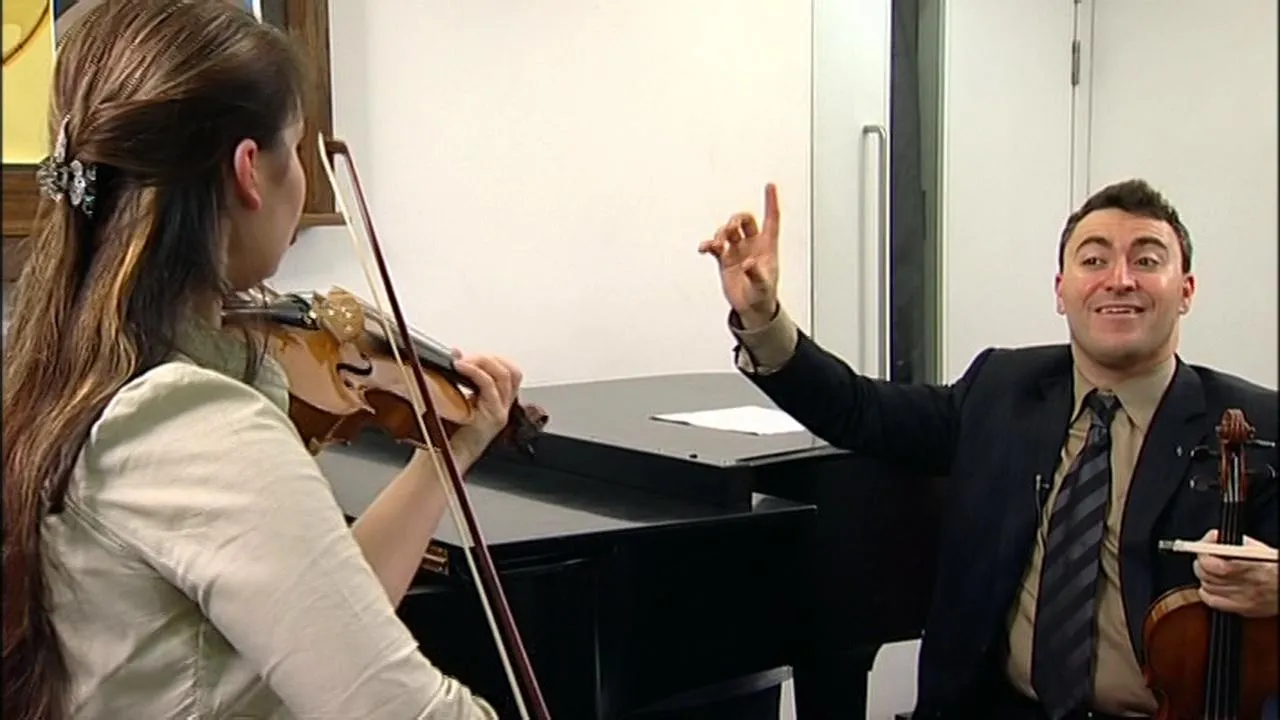
Le contenu du cours
5 leçons (0h 55min) · 1 gratuites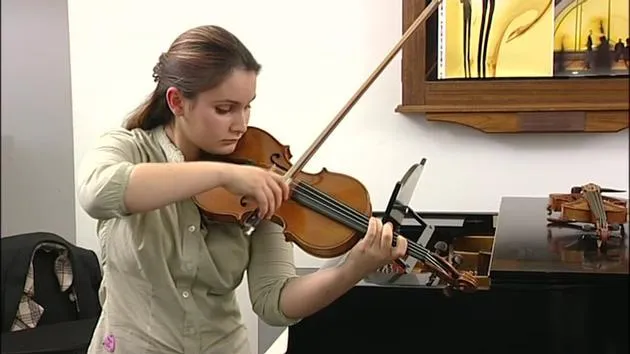
01. Interprétation du mouvement Adagio
Leçon gratuite5:00
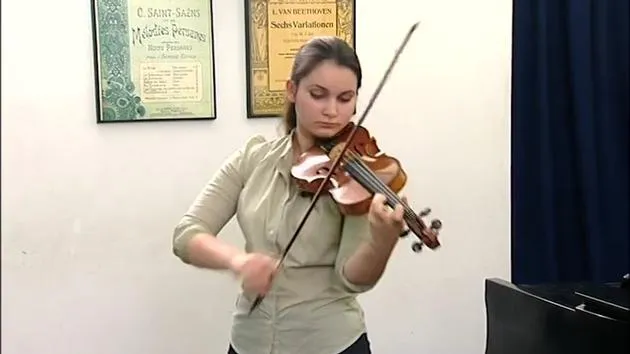
02. Interprétation du mouvement de la Fugue
6:35
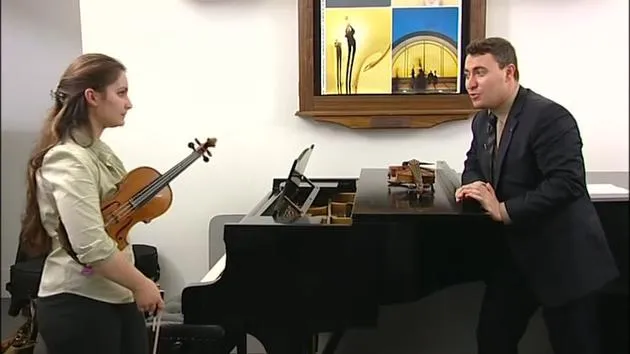
03. Retours généraux et analyse de Maxim Vengerov
Tu es ici3:26
04. Analyse, explication et démonstration du mouvement Adagio
24:35
05. Analyse, explication, démonstration du mouvement de la Fugue
16:07
Transcription de la leçon
Music Lesson
Introduction Bravo, Bravo! I really like how you structure everything and the long-run strategy of the fugue. This is very important, not to be tempted by many little beautiful things, but you know exactly what you're looking forward to in the fugue.
Key Points Discussed Nevertheless, I would like to outline a few points for our discussion about the strongest elements of Bach and his influence on the audience's ear.
1. Harmony
- First of all, I want to talk about harmony.
- Every harmony has a different strength.
- When there is no change in harmony, it can also be powerful.
Hypnotizing Effects You see, this can create a really hypnotizing effect when the composer doesn't change harmony. You have to fill the space with this.
- Stretch the phrase.
- Make the harmony feel like you are stretching it, like a harmonica.
This is the effect we're discussing!
2. Instrumentation
- Imagine having the ability to play each harmony on a different instrument, if possible.
- The only inspiration we can draw is from hearing Bach, for instance, on the organ. It really shows this difference.
Historical Context Now, we can also compare:
- The violin was just one of the instruments available at that time to play the music of Bach and his contemporaries.
- The same fugue could easily be composed and re-edited for harpsichord and successfully performed there.
3. Performing Beyond the Instrument
It's a beautiful illusion to think that we're not playing the violin anymore. We can produce sounds and colors that don't belong to the instrument. This is a high-level performance!
Interpretation Given that you have learned everything you know, your interpretation is wonderful! Yes, one can perform it one way, another can interpret it differently. However, what you did was very impressive.
- Your performance had conviction and was very strict.
- There was a great deal of intelligence in your playing.
- You knew exactly about all the voices, and everything was very smartly scheduled, let's put it this way.
Focus on Harmony
But now, I want you to concentrate on the harmonies. Let's focus on the first phrase, please.
5 leçons
0h 55m de leçons vidéo structurées
Fonctions vidéo avancées
Ralentissez, bouclez un passage, suivez la partition
Mobile, tablette et ordinateur
Pratiquez où vous voulez
Satisfaction garantie à 100 %
Garantie remboursement 30 jours
Rencontrez votre guru
Rencontrez votre guru
Maxim Vengerov est reconnu comme l'un des violonistes les plus passionnants au monde. Il donne son premier récital à l'âge de cinq ans et, après avoir étudié avec Galina Tourchaninova et le professeur Zakhar Bron, remporte le Premier Prix du Junior Wieniawski Competition à l'âge de dix ans. En 1990, à quinze ans, il remporte le Carl Flesch International Violin Competition, confirmant sa réputation de musicien du plus haut niveau.
En mai 2000, après un contrat d'enregistrement de dix ans avec Teldec Classics, Maxim Vengerov signe un contrat exclusif avec EMI Classics. Parmi ses distinctions et prix figurent le Gramophone Young Artist of the Year et le Ritmo (Espagne) Artist of the Year en 1994 ; le Gramophone Record of the Year et des nominations aux Grammy Award dans les catégories Classical Album of the Year et Best Instrumental Soloist with Orchestra en 1996 ; l'Edison Award du Best Concerto Recording en 1997 ; le Gramophone Artist of the Year en 2002 ; ainsi qu'un Edison Award et un Grammy Award en 2004 dans la catégorie Best Instrumental Soloist Performance (with Orchestra) pour son enregistrement du Concerto pour violon de Britten et du Concerto pour alto de Walton.
En 1997, Vengerov est le premier musicien classique nommé Envoy for Music par l'UNICEF. À ce titre, il a rencontré et joué pour des enfants défavorisés en Ouganda, à Harlem, en Thaïlande et de part et d'autre de la fracture ethnique kosovare — un travail qui lui a permis à la fois d'inspirer des enfants du monde entier et d'inciter d'autres personnes à collecter des fonds pour des programmes soutenus par l'UNICEF. Une autre passion de la vie de Vengerov est son engagement auprès des jeunes à travers ses masterclasses. L'un de ces événements a été filmé par Channel Four Television dans le cadre d'un documentaire sur Vengerov intitulé 'Playing by Heart', présenté au Cannes Television Festival en 1999. Depuis juin 2005, il est Professor of Violin à la Royal Academy of Music de Londres.
Cette même passion pour l'enseignement traverse ses masterclasses sur MusicGurus, où Vengerov te fait entrer au cœur du grand répertoire pour violon — de la Tzigane de Ravel et de la Carmen Fantasy de Sarasate aux concertos de Sibelius, Mendelssohn, Britten et Chostakovitch — en partageant la technique et la musicalité qui se cachent derrière chaque phrase.







