



Trouve une pulsation
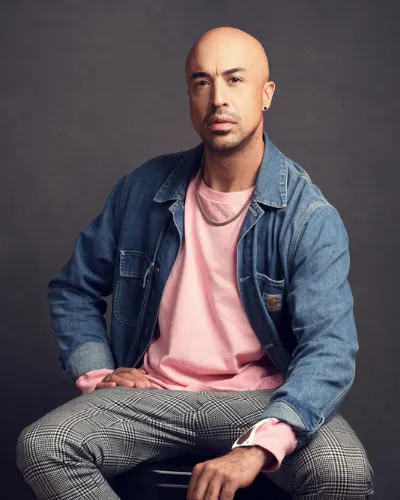
Avec
Jono McNeilExplorons différentes façons de ressentir la pulsation d'une phrase.
Le contenu du cours
26 leçons (1h 50min) · 1 gratuites
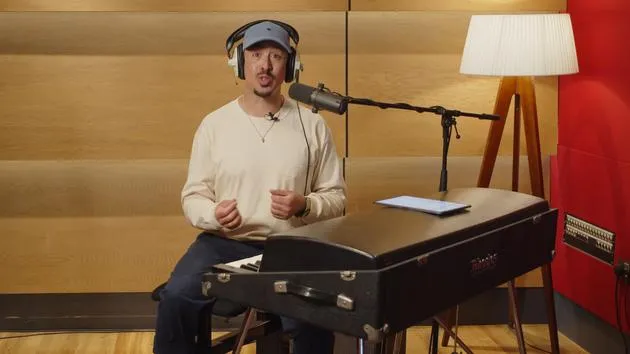


Transcription de la leçon
Lesson on Rhythmic Pulse and Phrasing
In this lesson, we're going to be talking all about rhythmic pulse, or what some people call rhythmic phrasing. I think it's one of the big secrets about vocal style that many singers get wrong. Today, we're going to experiment with placing our pulse, or accents, on different parts of these phrases.
Special Guest
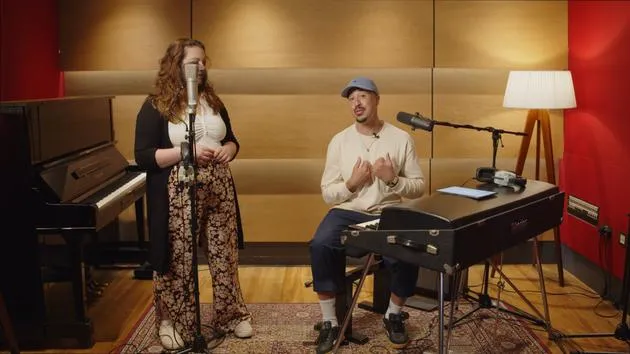
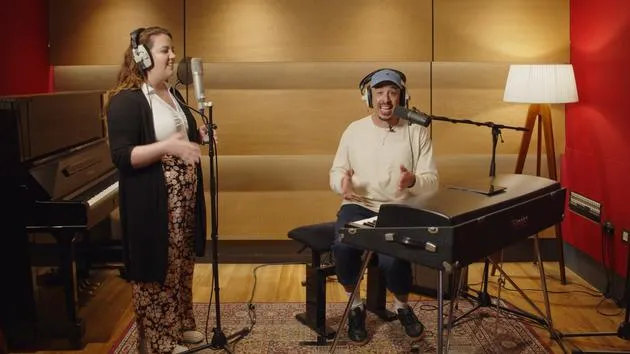
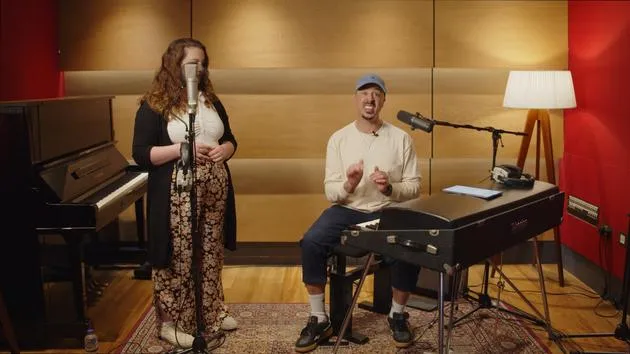
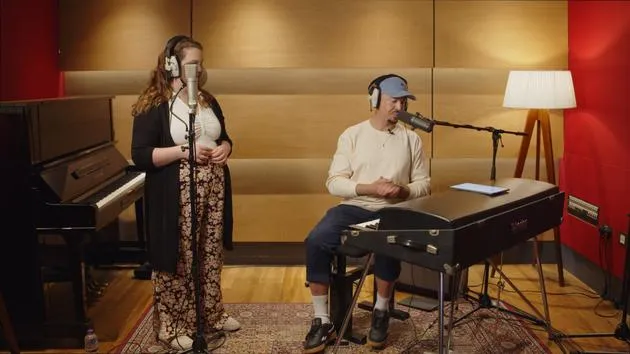
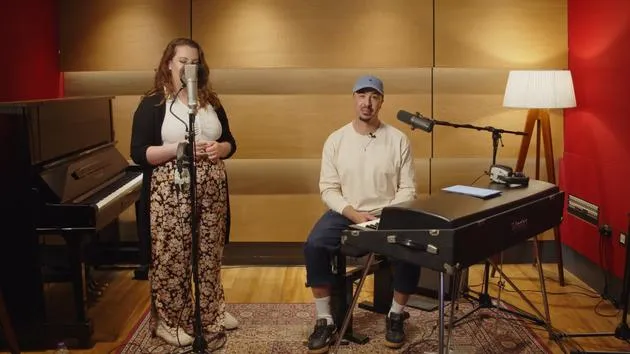
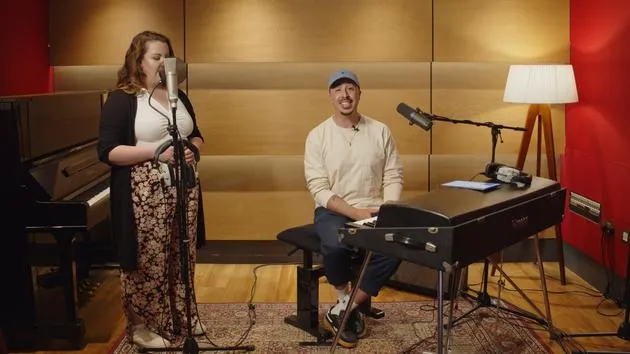
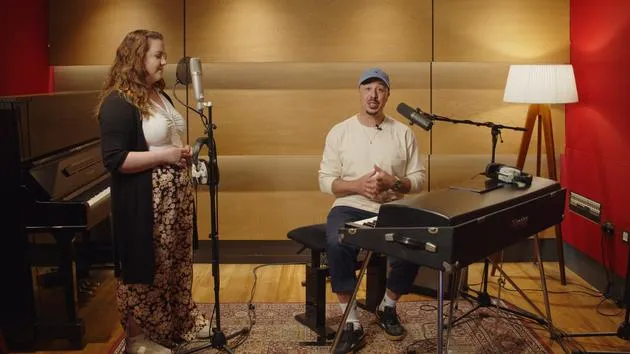
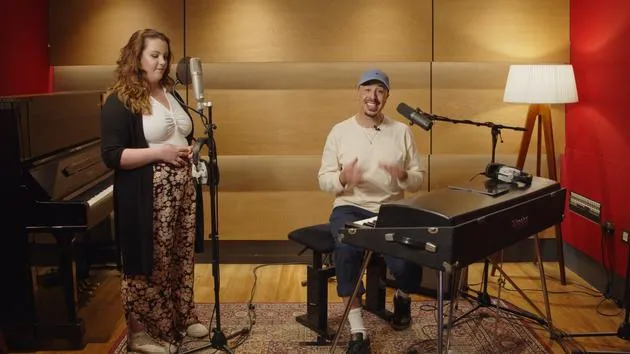
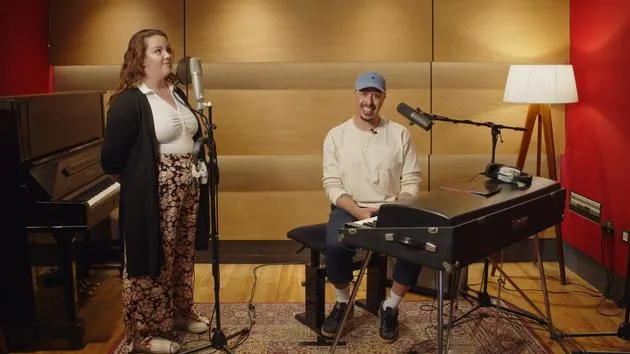
Today, it's going to be quite practical as we work with a backing track. I also have a very special singer with me, Alicia, who will help with some of our phrases. For you girls who are suffering from my male voice, you've got a girl to lead you through the exercises!
Understanding Rhythmic Pulses
Rhythmic pulses are all about emphasizing a certain note in a phrase. When done correctly, the phrase can achieve:
- A sense of forward motion
- An ability to travel through the track
It really feels good! You often see people start moving, shaking their heads, or getting their shoulders going when they feel that phrase. This is a great sign because it means they're feeling it.
If we place that pulse in the right part of the phrase, it can make the phrase come alive.
Learning the Phrase
Now, let's teach you the phrase. There's a small lyric to this one:
"I don't know how to say it,
But I think I'm falling for you.
It's just the way that I feel, that's all."
You don't need to write it down; you can memorize it. We start on E at the top, and it goes like this:
1, 2, 3, 4.
"I don't know how to say it,
But I think I'm falling for you.
It's just the way that I feel."
Try Singing with Me
Now let's do it together:
"I don't know how to say it,
But I think I'm falling for you.
It's just the way that I feel."
Alicia might get you to join me on this one:
"I don't know how to say it,
But I think I'm falling for you.
It's just the way that I feel."
You're doing great! One last time:
"I don't know how to say it,
But I think I'm falling for you.
It's just the way that I feel."
Practicing with the Backing Track
Now that you've learned the phrase, let's do it with the backing track. I'm going to add some pulses, and I'll tell you to accent certain places in that phrase.
Backing Track Introduction
Here's our backing track, it's going to guide us through our pulse exercises today. Remember, your first note is E:
"I don't know how to say it,
But I think I'm falling for you.
It's just the way that I feel."
Try it again. Here we go:
"I don't know how to say it,
But I think I'm falling for you.
It's just the way that I feel."
Well done! Now that you know the melody, we're going to add a pulse to the fourth quaver of every beat. It's going to sound like this:
"I don't know how to say it, but I.
I think I'm falling for you."
Are you ready? Here we go:
2, 3, and...
"I don't know how to say it,
But I think I'm falling for you.
It's just the way that I feel."
Doing well! Let's try it again:
"I don't know how to say it,
But I think I'm falling for you.
It's just the way that I feel."
A little hard at first, but try it again:
"I don't know how to say it,
But I think I'm falling for you.
It's just the way that I feel."
Well done! It sounds great.
Experimenting with Pulses
For this next part, we're going to add a pulse to every second part of the beat. Let's restart the track and give this a shot!
New Backing Track
Here we go! Now we're accenting every second quaver (or eighth note) of the bar. Ready? Here's your first note:
2, 3, 4...
"I don't know how to say it,
But I think I'm falling for you.
It's just the way that I feel."
Great! Well done.
Additional Experimentation
You can experiment with all of these techniques. You might want to try:
- Adding an accent to every four notes
- Adding an accent to every two notes
These exercises can help liven up a phrase and make it feel more exciting rhythmically.
Give it a shot! Try it with the backing track and see how you go.
26 leçons
1h 50m de leçons vidéo structurées
Fonctions vidéo avancées
Ralentissez, bouclez un passage, suivez la partition
Mobile, tablette et ordinateur
Pratiquez où vous voulez
Satisfaction garantie à 100 %
Garantie remboursement 30 jours
Rencontrez votre guru
Rencontrez votre guru
Jono McNeil a assuré le coaching vocal de chanteurs professionnels, d'artistes contemporains et de vocalistes dans toute une série de postes influents au sein de l'industrie du divertissement pendant plus de 20 ans.
Il travaille comme coach vocal sur diverses émissions de télévision, notamment The Voice Kids, The Voice UK, Little Mix The Search, The Masked Singer, Wedding Day Winners et Change Your Tune, et accompagne des artistes en tournée comme JLS, New Rules et July Jones, pour n'en citer que quelques-uns.
Artiste et chanteur à part entière, Jono s'est également produit aux côtés de Michael Buble, Paloma Faith, Josh Groban, Nelly, Jamie Cullum, Lemar, George Ezra et Jocelyn Brown, et plusieurs de ses albums originaux sont disponibles sur les plateformes de streaming.
Il associe son expérience de la scène et du studio d'enregistrement à une compréhension approfondie du fonctionnement vocal pour offrir des expériences de coaching efficaces et inspirantes.
Il a auparavant été responsable du chant à l'Academy of Contemporary Music (ACM), où il enseignait et concevait les contenus du cursus de chant du diplôme en musique populaire, et il continue aujourd'hui à travailler comme examinateur externe pour d'autres institutions académiques telles que le Leeds Conservatoire.
Passionné par les possibilités de la musique populaire et de l'art, il mène des recherches et développe des stratégies innovantes pour les concrétiser ; ses diplômes universitaires comprennent une licence en Jazz et un master en Pédagogie Vocale.
Dans Licks, Riffs & Runs for Pop Singers, Jono te montre exactement comment ajouter les runs, riffs et licks agiles qui définissent le chant pop moderne, afin que tu puisses orner une mélodie avec assurance et la faire tienne.







