



Ma technique de chant
Lesson time: (12min 19sec)
L'auteure-compositrice-interprète Lissie raconte comment elle a appris à chanter et jouer de la guitare en même temps, et les premières habitudes qui ont façonné son style vocal.
Course preview
This lesson is part of the course Apprends la guitare avec Lissie
Watch a preview of the full course below.
Lesson transcript:
My Musical Journey and Vocal Techniques
Early Beginnings
So as far back as I or my family can remember, I was always singing as a really tiny child. There's video of me humming to myself and always wanting to get up and perform for people. I somewhat attest this to my grandfather, who was a barbershop quartet champion and was always singing and performing in musicals.
From a really young age, I was exposed to music in the house and at church, and I just always loved to sing. I think the vibration of singing was comforting; when I was upset, my mom would sing me to sleep. That became a self-soothing mechanism I learned for myself.
Learning Guitar and Songwriting
Once I began playing the guitar, it felt natural for me to sing while playing. For others, it might be like patting your head while rubbing your belly, challenging to do two things at once. To get comfortable, I started learning how to play other people's songs. I quickly figured out where the chords started and ended based on various music books.
Before I could really play the guitar, I often made up songs and melodies to express my feelings, whether I was frustrated or happy.
My Approach to Guitar and Voice
When it came to writing my own songs, my approach to the guitar was less mathematical and more emotional:
- How does this chord make me feel?
- I used the guitar, my voice, and my melody ideas as tools of expression.
One of the first songs I learned to play was "There is a house in New Orleans they call the Rising Sun." I built up my chord repertoire over time, focusing on muscle memory.
Discovering My Voice
I've sung my whole life and always had a big, gravelly voice. I remember singing at the top of my lungs, which probably drove some people nuts! At age 9, I performed in a musical, Annie, where I played Little Orphan Annie with a demanding belty role. After 82 performances, I noticed that my voice would get hoarse or tired, leading me to take voice lessons in junior high.
Vocal Training
- My early voice lessons focused on classical vocal training.
- I learned techniques for sight-reading and how to warm up my voice.
In high school, I was briefly a cheerleader, which involved a lot of shouting. I didn't take care of my voice properly and ended up getting nodules on my vocal cords, which required removal at 18. This taught me the importance of vocal care.
Touring and Vocal Maintenance
After releasing my first album, I started touring and playing shows nightly, often leading to vocal strain. I had to learn how to keep my voice in good shape through experience, and I found a great vocal coach in Los Angeles named Carol Tingle.
She tailored warm-ups specific to my voice, which were essential before and after singing. Proper vocal health included:
- At least eight hours of sleep
- Staying hydrated
- Vocal rest when needed
After shows, while most band members would go out to have fun, I often had to return to my hotel room to sit in silence and drink tea.
Techniques for Effective Singing
During my early twenties, I had the chance to work with amazing producer Glen Ballard, who taught me valuable insights about singing. I remember Annie Lennox at a dinner where she described a technique involving opening a specific space in your head for easier singing.
To help with breath control, I learned to:
- Breathe through a straw (mentally visualizing it):
- This gives you more breath and power to hit high notes without straining your voice.
I also practiced various exercises to loosen up my face and jaw. Some might sound ridiculous, but achieving flexibility in my face creates more space for sound to resonate.
Conclusion
If you are passionate about singing, I advise finding a vocal coach who can help you with:
- Breath Control and Technique: Understanding how to keep that space open in your sinuses and throat.
- Vocal Warm-Ups: Developing a routine that works for you.
While it might feel silly at times, warming up is crucial. Skipping this step can lead to regret and potential vocal strain, so take your vocal health seriously!
About the instructor
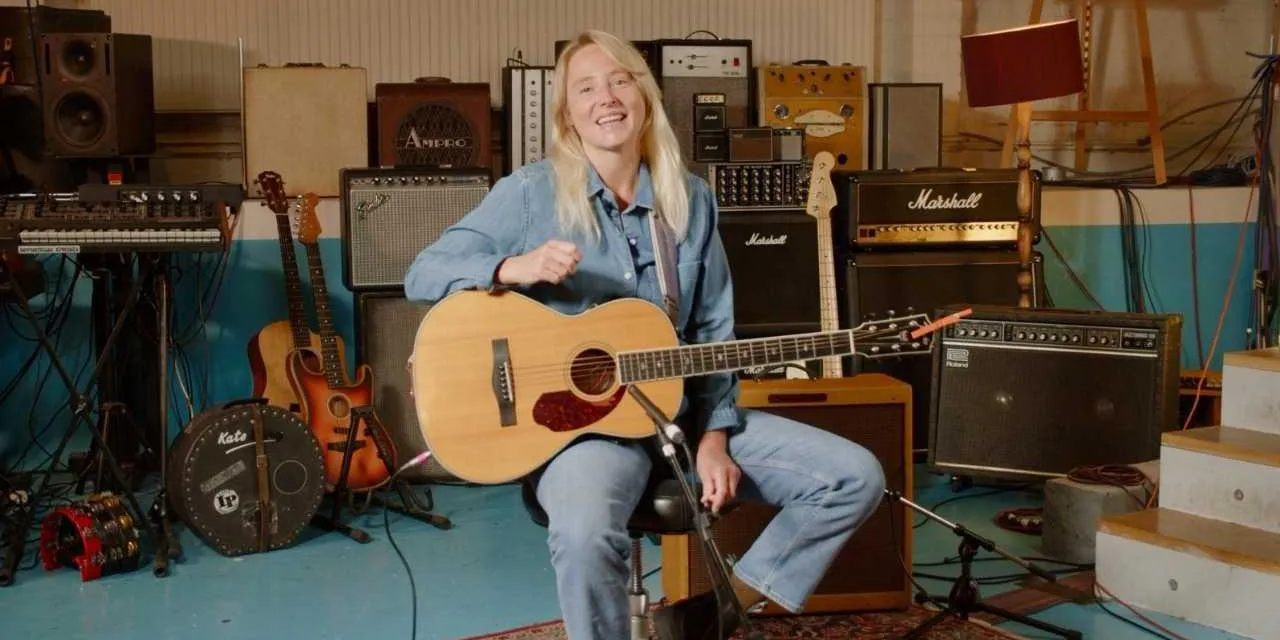
Lissie est une folk-rockeuse qui a grandi à Rock Island, dans l'Illinois, près du Mississippi, disant ce qu'elle pense et écrivant des chansons depuis son plus jeune âge. Le public est d'abord tombé amoureux de sa voix sur l'EP de cinq titres 'Why You Runnin'', produit par Bill Reynolds de Band of Horses, que Paste Magazine a classé parmi ses Huit débuts musicaux les plus prometteurs. En 2010, son premier album 'Catching A Tiger' a établi sans fracas Lissie comme une voix mondiale. Les éloges outre-Atlantique ont trouvé leur écho au Royaume-Uni avec les louanges de la BBC, de l'Evening Standard, d'Uncut et de The Independent, qui l'a décrit comme « une tranche de pop aussi rafraîchissante que ces oreilles blasées n'en avaient pas entendu depuis des années ». L'album s'est finalement vendu à 300 000 exemplaires dans le monde, dont 100 000 au Royaume-Uni, où il a été certifié disque d'or. Quelques temps forts en chemin : Nommée dans la catégorie Meilleure révélation aux Q Awards, et distinguée par VH1 comme artiste « You Oughta Know » Concerts dans des festivals comme Glastonbury, Hard Rock Calling, Latitude, Secret Garden Party et Bestival Apparitions télévisées, dont Later with Jools Holland et Sunday Brunch Des rôles à l'écran dans Loudermilk et dans le Twin Peaks de David Lynch, où NME a salué sa performance « intense » clôturant l'épisode avec le titre aux accents de Stevie Nicks 'Wild West' : « la troubadour la plus enthousiasmante de Rock Island a plus que mérité le temps d'écran que lui a confié Lynch ». 'Carving Canyons' (sortie le 16 septembre), son premier album depuis 'Castles', entré dans le Top 10 britannique en 2018 Dans son cours de guitare, Lissie partage les accords, le jeu de rythmique et l'instinct d'écriture qui se cachent derrière ses chansons : tout ce qu'il vous faut pour commencer à jouer comme la plus belle troubadour de Rock Island. read more