



Slippin' And Drippin' (leçon)

Avec
Kenny Sultan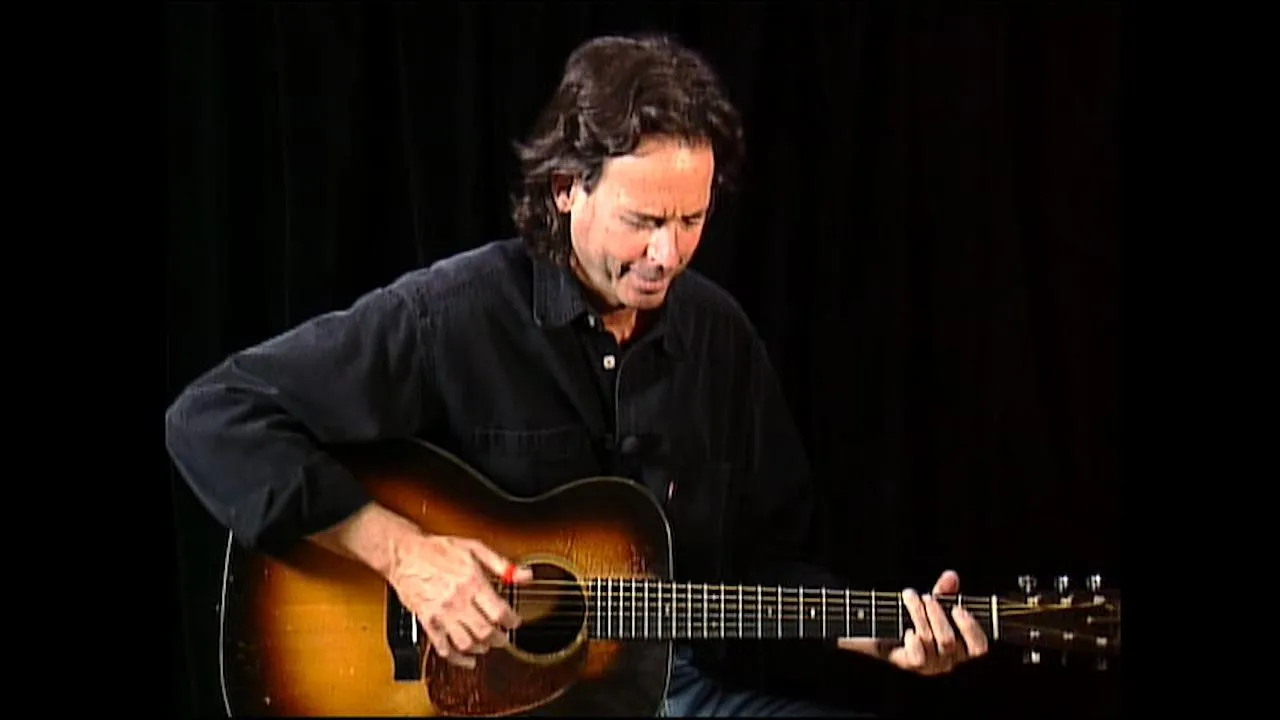
Le contenu du cours
12 leçons (1h 18min) · 1 gratuites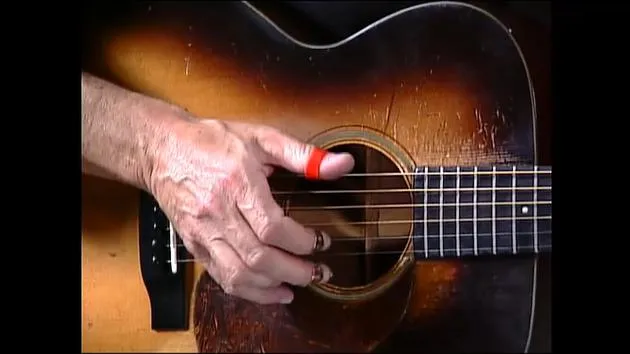
01. Slippin' And Drippin' (interprétation)
Leçon gratuite4:17
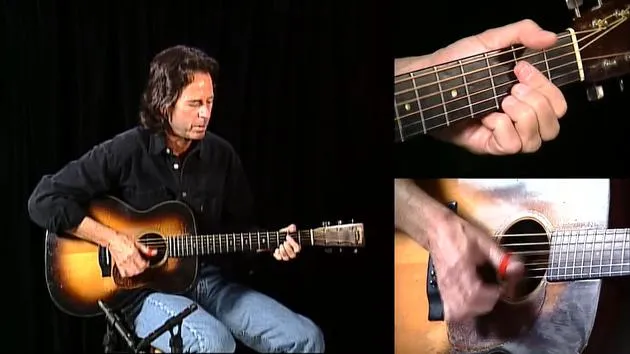
02. Slippin' And Drippin' (leçon)
Tu es ici10:29
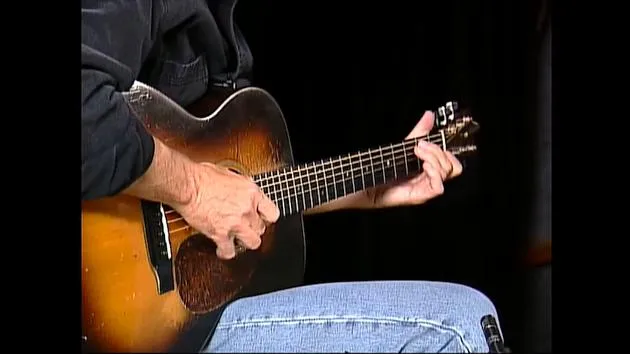
03. Lightning Strikes (interprétation)
2:50
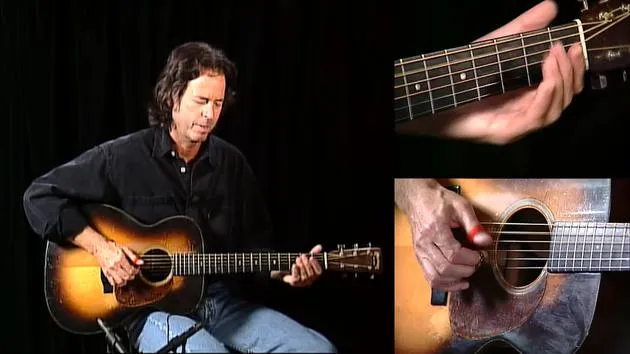
04. Lightning Strikes (leçon)
9:37
05. Sick Boogie (interprétation)
2:31
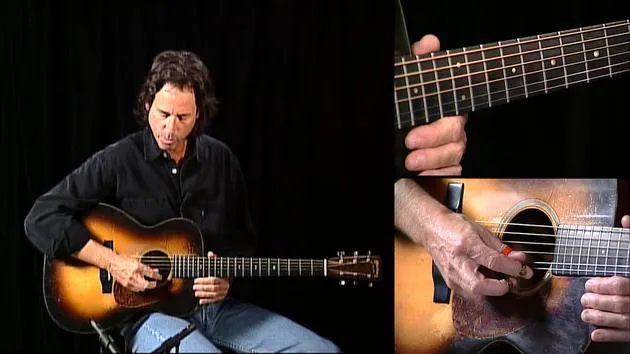
06. Sick Boogie (leçon)
8:56
07. If The Shoe Fits (interprétation)
4:18
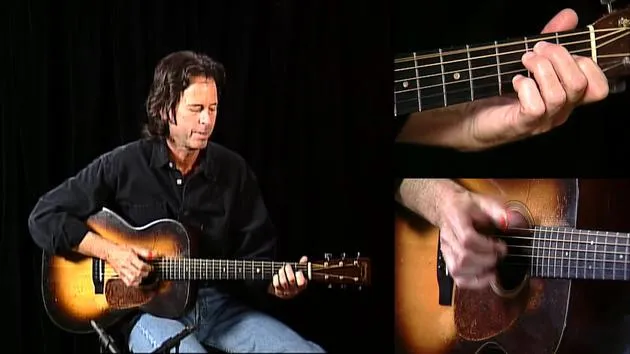
08. If The Shoe Fits (leçon)
9:19
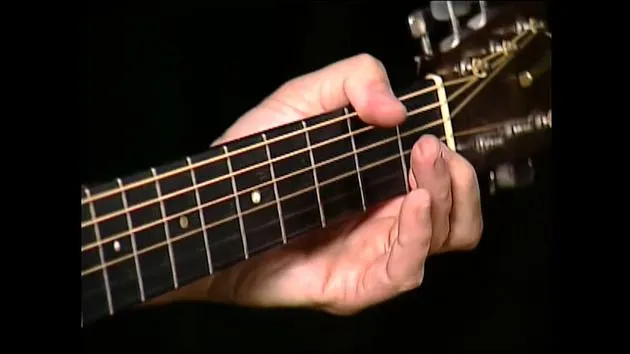
09. Honky Tonk (interprétation)
3:49
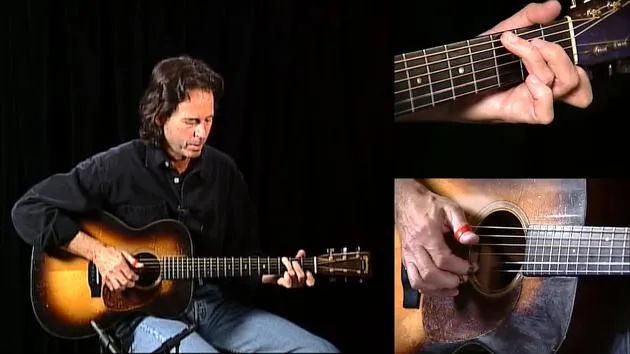
10. Honky Tonk (leçon)
10:04
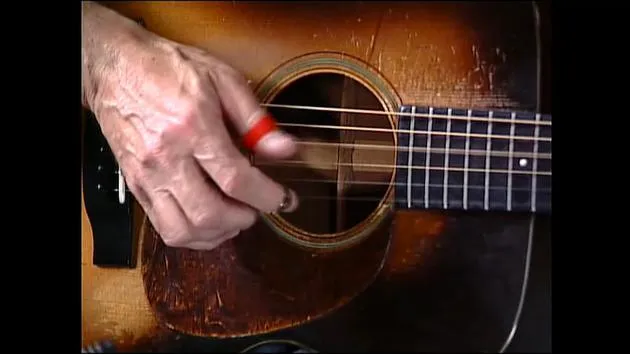
11. Cascade Rag (interprétation)
3:12
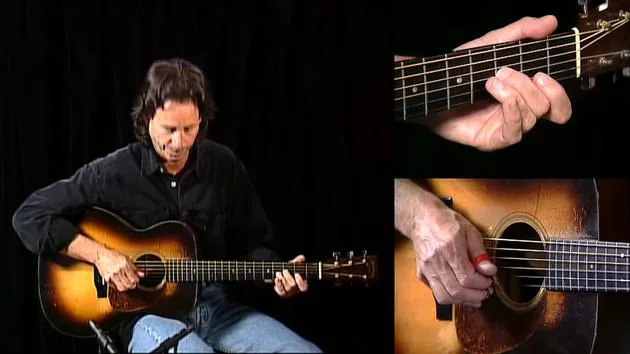
12. Cascade Rag (leçon)
9:14
Transcription de la leçon
Music Lesson: Slippin' and Drippin' from West Coast Blues
Introduction
The first song we're going to be doing is called Slippin' and Drippin' from West Coast Blues.
Now, playing traditional blues is never exact. I want to make it clear that if you want the exact notes, there's a book out that painstakingly covers every note I played on that song.
But today, we're going to show you what's behind those notes, what really comes from the heart to play the blues. We'll also cover techniques for both the left and right hand. It's more than just your average shuffle; there ain't a whole lot of soul to that.
So, let's focus on:
- Techniques I use on both hands
- Playing from the heart and soul
- The essence behind the notes
Key of E
Slippin' and Drippin' is in the key of E. We'll be concentrating a lot in this key today because most acoustic blues guitar is in E. Have you ever listened to Lightning Hopkins? Enough said!
99% of what he plays is in E, and it all sounds cool.
Playing Through the Song
Here we go, Slippin' and Drippin'. I'll play a pass through it slowly and explain what I just did.
Techniques Overview
-
Shuffle with Harmony
- Since it's a slow blues, I added some harmony to the shuffle.
- I added a note on the third string; even that sounds kind of nice.
- We doubled the bass, which is a tough technique. To get the proper stumble on the right hand, drop your hand down and come off that string gently.
-
Three-string Bend
- Bending is difficult enough on one string, but three?
- The hard part is trying to bend them all equally. If you bend just one, you'll mute out the others.
-
Notes on Bending
- When I bend a string, I use more than one finger.
- I put down two or sometimes three fingers to get more power behind that bend.
- Remember: Control and power matter.
-
B7 Technique
- With my B7, I typically don't put the pinky down. It's hassle; let's make it a three-finger chord.
- I move the F# from the fourth string to the sixth string.
-
Rhythm Technique
- Hitting the strings against the frets creates a unique rhythm that we will discuss later.
- Engage in a back-and-forth between lead and rhythm to create a "one-man band" feel.
Summary
In this lesson, we explored Slippin' and Drippin' as an example of a really slow blues. The focus was on how to make it sound a little funkier and more soulful while still having fun with the technique.
Remember, the exact notes are in the book if you want to learn everything. But this session covers the insights and techniques that you can't get from a book.
Thanks for joining me!
12 leçons
1h 18m de leçons vidéo structurées
Fonctions vidéo avancées
Ralentissez, bouclez un passage, suivez la partition
Mobile, tablette et ordinateur
Pratiquez où vous voulez
Satisfaction garantie à 100 %
Garantie remboursement 30 jours
Rencontrez votre guru
Rencontrez votre guru
Kenny Sultan est l'auteur à succès de livres de musique et de vidéos pédagogiques consacrés à la guitare blues, et le guitariste d'un duo de blues aux côtés de Tom Ball.
Ensemble et séparément, ils ont travaillé sur d'innombrables musiques de films, bandes originales de télévision, publicités et sessions. Ils sont passés à la télévision dans le monde entier, ont figuré dans les publicités “Levi's 501 Blues”, ont joué devant des audiences de 300 millions de personnes via Voice of America et sont des invités réguliers de la National Public Radio. Ils ont partagé la scène avec des figures comme Bob Dylan, Stevie Ray Vaughan, The Allman Brothers, Joe Bonamassa, Ray Charles, Joe Cocker, Elvis Costello, et la liste est longue...
À l'aise partout où ils vont, Tom et Kenny trouvent leur place dans les festivals de blues, de folk, de bluegrass et de jazz, et leur solide expérience de l'enseignement en fait un choix tout naturel pour les campus universitaires ou les lieux proposant des ateliers. Comme leur musique mêle les styles des racines américaines, ils sont des habitués à l'étranger, où ils récoltent des critiques dithyrambiques.
C'est précisément ce bagage pédagogique que vous mettez à profit ici. Kenny vous initie à la guitare blues traditionnelle à partir de zéro - motifs de fingerpicking, basse alternée, turnarounds et licks classiques qui définissent le style - pour que vous constituiez un véritable répertoire de blues acoustique que vous pourrez réellement jouer.
“Un jeu prodigieux.” --Blues Revue
“Aussi bon que n'importe qui dans le blues acoustique.” --Sing Out







