



Bahama Beach (cours)
Lesson time: (9min 47sec)
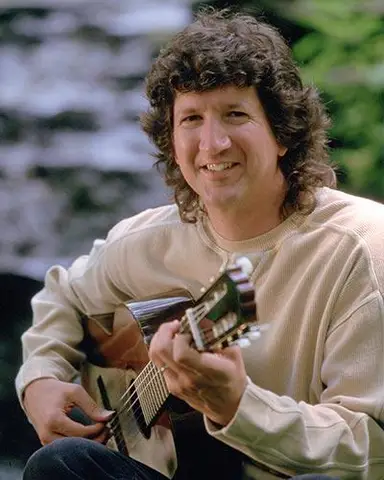
David Cullen enseigne son morceau « Bahama Beach », un groove reggae à la guitare construit à partir d'harmoniques et de ghost notes étouffées pour faire ressortir le feel balancé.
Course preview
This lesson is part of the course Jazz, classique et au-delà
Watch a preview of the full course below.
Lesson transcript:
Reggae on the Classical Guitar
Alright, this tune is a bit of reggae on the classical guitar.
Feel and Rhythm
Reggae on the classical guitar, well, it's all in the feel. It's all in how you start out the tune.
- Swinging Feel: You want to have that swinging feel.
- Count: Think 1 and 2 and 3 and 4 and 1 and 2 and 3, and have that feel going on like this.
- I'm hitting harmonics at the seventh fret.
- I'm also hitting some of those ghost notes on the D strings.
It's not a real note; it's kind of muffled. You want to bring out that feel.
Verse Structure
Let's hear that against a click. This leads us to our verse.
- If we go way up the neck to this shape up here,
- I have another one of these chord clusters where I have:
- An F sharp on top at the 14th fret.
- First finger at the 10th fret playing an A.
- Third finger at the 12th fret playing a G.
- I have another one of these chord clusters where I have:
That takes me to another cluster with D, G, and then F sharp, followed by a D major 7th chord, followed by another D major 7th chord (just clustered a little differently), and then a G major 7th with B in the bass to an E minor 7th chord.
- Repeat that again, but then we use those shapes again up at the ninth fret.
That's a lot of shapes! So you'll have to rewind your DVD and check it out.
- Listen in Time: Let's hear it nice and slowly so you can understand why I place those chords.
- Now a bit more up to speed, which leads us to our second verse.
Second Verse
I like this shape that I start with because I enjoy hearing that C sharp ringing against the D.
- Then to a D chord with F sharp in the bass.
- There's an interesting technique I'm using here:
- I'm using my index and ring fingers (I and A) to split the strings.
- You can see this creates a nice harmony.
See how that creates a lovely harmony there? And a little triplet feel comes down here with the string splitting.
- In Time: Let's hear it in time now, but a bit faster.
Chorus
That leads us to our chorus.
Once again, I have these shapes, and I'm putting a nice reggae feel to it.
- Slower Play: Let's play that a little bit slower so that you can feel it more.
- I slide off beat with the same shapes.
- Now, let's see a bit more up to time now.
Think to yourself:
- I want and two and three and four
- Ready, go to the final chorus.
Conclusion
There's a figure; it's just a groove figure that I play through.
Once again, I want to encourage you to add your own improvisation to this section at the end.
- Groove Setup: Basically, it's set up as a groove like this.
- While you're playing that, feel free to include your little improv , anything in D major will sound good.
When you want to take it out, go to those chords.
About the instructor
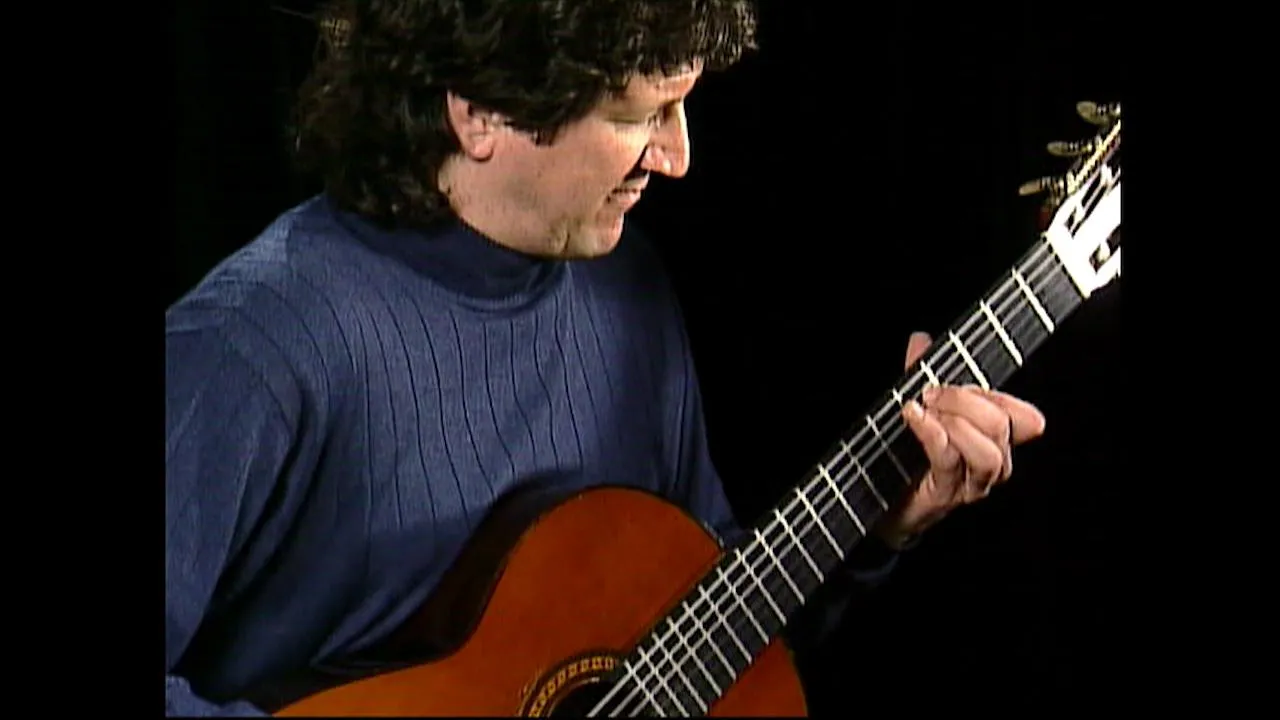
David Cullen est lauréat d'un Grammy Award de la Meilleure prestation instrumentale pop. Il s'est produit avec Will Ackerman, Samite, Michael Manring, Victor Wooten et le Philly Pops Orchestra, et a obtenu sa licence de musique en interprétation de guitare classique à la Hartt School of Music. Maître de la guitare acoustique fingerstyle en solo, David passe avec aisance de la technique classique à l'harmonie et à l'improvisation jazz, sans oublier ses propres compositions originales. Il s'est produit à travers l'Amérique du Nord pour des sociétés de guitare classique, des festivals de jazz et des saisons de spectacle vivant, a publié 10 CD chez le label de guitare acoustique Solid Air Records, et ses enregistrements ont été diffusés sur les stations NPR de tout le pays. Parmi ses travaux en studio figurent le Windham Hill Guitar Sampler et d'autres compilations Windham Hill. David a également publié deux ouvrages chez Warner Brothers Publications : "Jazz, Classical, and Beyond" et "Grateful Guitar". read more