



Shenandoah (leçon)
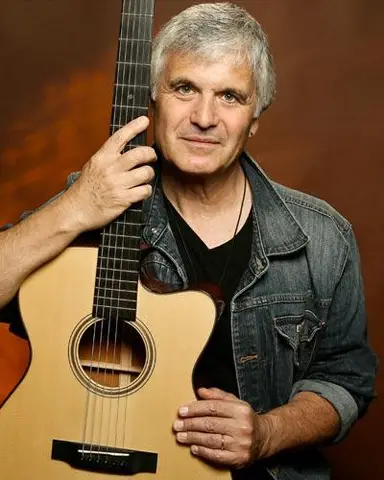
Lesson time: (5min 34sec)
Course preview
This lesson is part of the course Comprendre le DADGAD
Watch a preview of the full course below.
Lesson transcript:
Shenandoah: Exploring the Key of G
Welcome to today's lesson where we will explore the key of G.
Why the Key of G?
- Useful in Dadgad Tuning: The V chord is our basic D zone with all those open strings.
- Resting Position: The G zone has a nice floating quality due to the presence of the sus 2 instead of the third.
Arrangement Overview
I have an arrangement of Shenandoah, which is a traditional song. It sits within a very small range, allowing us to stay in one position.
- Intro: I'm adding an intro using a melodic fragment before bringing the melody in.
- Bass Line: Notice how I move the bass line down. I could finger it differently, but I prefer this method as it keeps things ringing more and fills in the gaps.
Chord Progression:
- Going to: A, G7, E minor, C, G over B, A
You'll notice there are a few extra beats in the melody, which becomes a six-four bar. The end of this melodic phrase transitions into the beginning of my turnaround, which serves as my little intro passage before playing the tune again.
Adding Counterpoint
In the next section of the melody, I'll add some counterpoint. This means I'll echo the melody a beat or two later.
- Example Echo:
- If I play the melody, my echo would sound something like this [insert example melody here].
As I add the echo, I twist it slightly and then lead back into the intro.
Creating Texture
Let's revisit this concept:
- I'm creating texture by not merely picking through the chords.
- Instead, I'm taking melodic motifs and playing with them.
This technique isn't exclusive to Dadgad; it's a broader arranging technique that allows us to vary the melody.
Full Performance
Now, I'll play the entire arrangement for you:
This is Shenandoah in the key of G in Dadgad tuning.
About the instructor
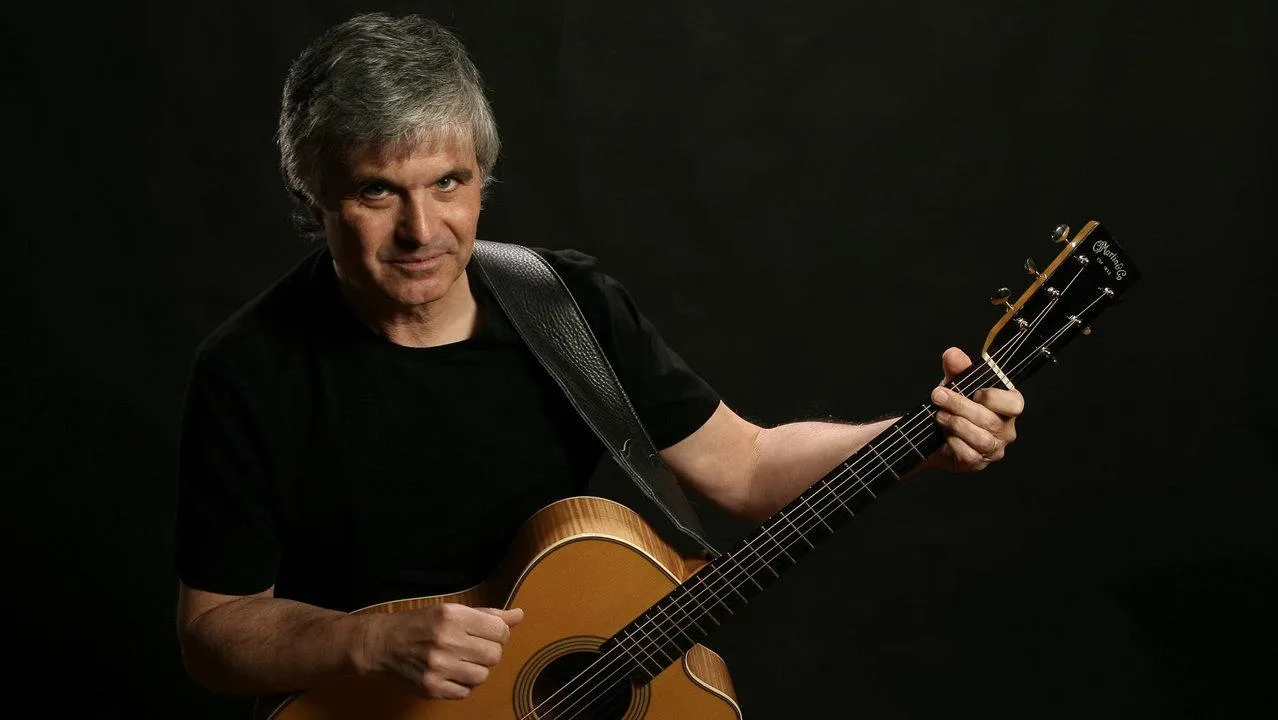
Laurence Juber s'est d'abord fait connaître comme guitariste principal des Wings, le groupe de Paul McCartney. Depuis, il a bâti une carrière de guitariste fingerstyle, compositeur et arrangeur, travaillant essentiellement en accordage DADGAD, ce qui lui a valu le surnom de 'the Duke of DADGAD'.Élu Guitariste de l'année par les lecteurs de Fingerstyle Guitar Magazine et cité parmi les meilleurs guitaristes par le magazine Acoustic Guitar, il affiche aussi une longue liste d'albums solo et de tournées à travers le monde.Dans ses cours, il enseigne sa technique fingerstyle et l'accordage DADGAD qui l'a rendu célèbre, comment agencer mélodie, harmonie et basse pour la guitare solo, et les morceaux - comme sa pièce phare 'Wooden Horses' - qui réunissent le tout. read more