



Shebeg & Shemore (leçon)
Avec
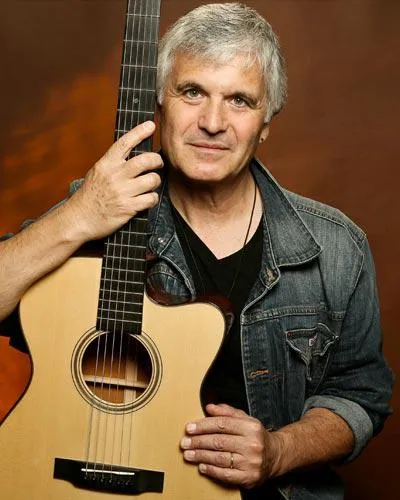
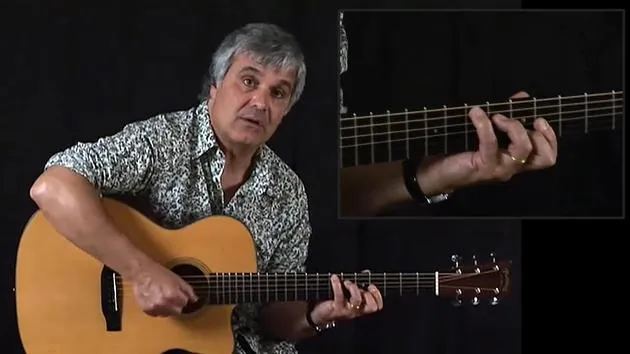
Laurence JuberDans cette leçon, Laurence Juber t'apprend à jouer le célèbre morceau Shebeg & Shemore à la guitare acoustique en accordage DADGAD.
Le contenu du cours
16 leçons (1h 6min) · 1 gratuites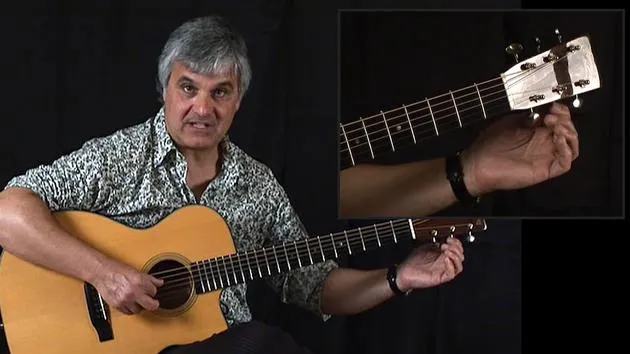
01. Quelques remarques sur l'accordage et la théorie
Leçon gratuite6:11
02. Amazing Grace (leçon)
10:51
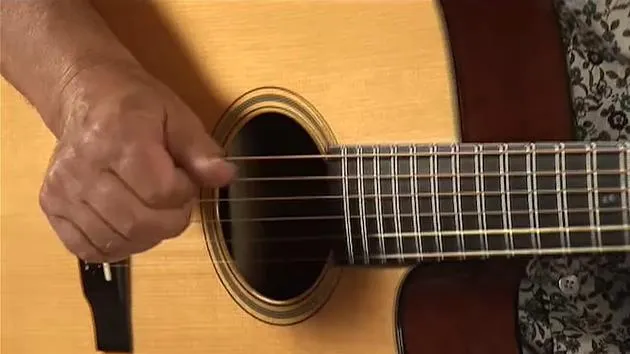
03. Amazing Grace (interprétation)
1:19
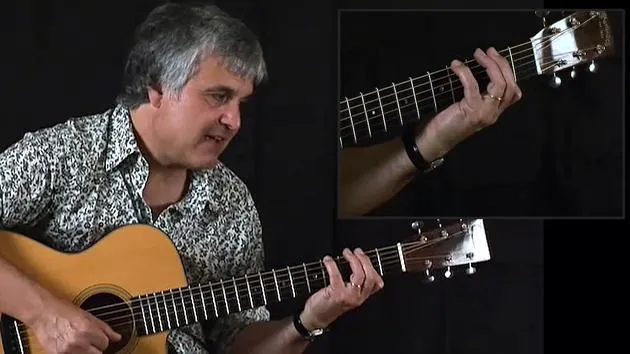
04. Greensleeves (leçon)
8:36
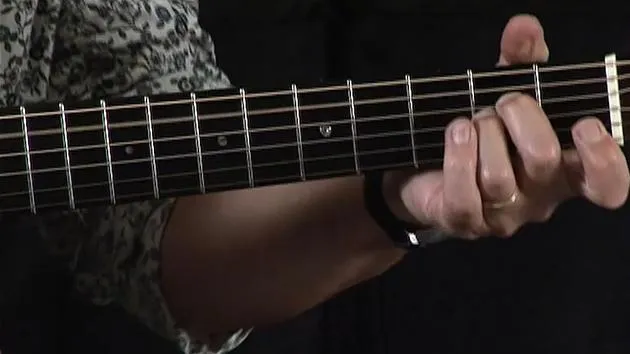
05. Greensleeves (interprétation)
1:12
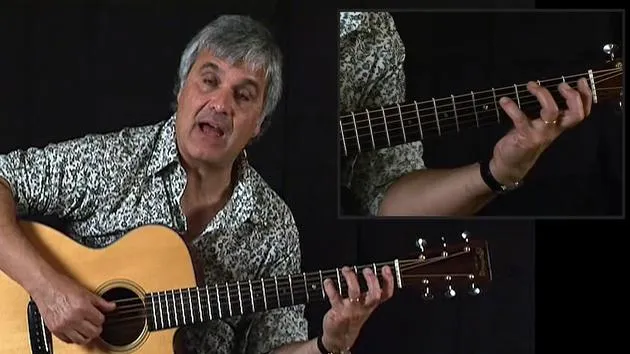
06. Shebeg & Shemore (leçon)
Tu es ici6:53
07. Shebeg & Shemore (interprétation)
1:54
08. Wayfaring Stranger (leçon)
7:35
09. Wayfaring Stranger (interprétation)
2:36
10. Shenandoah (leçon)
5:34
11. Shenandoah (interprétation)
1:55
12. When The Saints Go Marching In (leçon)
3:47
13. When The Saints Go Marching In (performance)
0:43
14. Take Me Out To The Ballgame (leçon)
4:14
15. Take Me Out To The Ballgame (interprétation)
1:26
16. Quelques notes sur la tonalité de Ré mineur et conclusion
1:40
Transcription de la leçon
Shebeg and Shimaw - An Arrangement Breakdown
That's a tune by O'Carolan, the Baroque Irish harpist called Shebeg and Shimaw. I believe it was the first tune that he wrote. In the nature of this kind of melody, it doesn't come with harmony attached. O'Carolan wrote melodies, but we don't have surviving harmony for it.
Arranging the Melody
In my arranging process, I am taking the melody which sits over a D chord. I'm in D major and I'm going from a G chord.
- This time, I'm playing the same G chord, but in typical DADGAD fashion.
- Instead of fingering the G and the B like this, I'm fingering like this because the next phrase allows me to do so.
- I could finger it differently, but I prefer this method.
Chord Progression
The progression can be viewed as:
- G major seventh over a B
- A seventh over a C# (first inversion)
- A seventh to a D
- Again the G, but this time it's actually a first inversion E minor.
So I'm now here because I'm doing this D chord over an F#, which is the first inversion.
- The next chord is an F#, or at least the next melody note is an F#.
- I hear the harmony on that as an F#.
Let me put it up the octave. You would hear it clearly as an F# going to B minor. Because I've already used that F#, I'm actually making it a first inversion and putting an A# in the bass and then moving the bass line up.
I'll play that one more time.
Textural Variety
You can see I'm using a combination of more sophisticated concepts with simple open strings. For example:
- My A sus (basically a seven sus) is just open strings.
Changing Positions
In the next section, rather than repeating the melody in this position, I'm moving it up and playing it on the third string. This adds textural variety and is also because my next chord is a B minor. If I did it the other way, I'd have to make a jump.
Here, I've got the B minor. Notice again, because it's basically a sus bar, over a B it gives you that floating kind of suspended sound:
- Here's a D, here's an E adjacent.
What I do next is interesting. This is the harmony simply in tense:
- Melody: B, A, F#
- Harmony (bass notes): G, F#, D
It's a familiar sound of tense. Instead of playing this, I'm fingering that G as an open string, using the open third string.
- Then I'm anticipating the next bass note.
- The same technique is applied here.
This keeps that bass line moving down.
Additional Chord Techniques
Now, for the melody note, I could simply do a very simple A (not even a sus, just a seventh with no third).
- It would be very nice to do that, but I'm cheating a little bit and getting jazzy on you.
- I'm making that a five chord of B minor, which is an F#: F# augmented sharp nine (F#7 augmented sharp nine).
Then transitioning to a very nice progression:
- From B minor to a G chord and keeping the pedal note on B melody, leading to the next chord: an E.
Back to the Progression
Then back to this F# to B minor.
- And here's a little trick: pull off, slide, pull off.
And that's Shebeg and Shimaw in a modern arrangement!
16 leçons
1h 6m de leçons vidéo structurées
Fonctions vidéo avancées
Ralentissez, bouclez un passage, suivez la partition
Mobile, tablette et ordinateur
Pratiquez où vous voulez
Satisfaction garantie à 100 %
Garantie remboursement 30 jours
Rencontrez votre guru
Rencontrez votre guru
Laurence Juber s'est d'abord fait connaître comme guitariste principal des Wings, le groupe de Paul McCartney. Depuis, il a bâti une carrière de guitariste fingerstyle, compositeur et arrangeur, travaillant essentiellement en accordage DADGAD, ce qui lui a valu le surnom de 'the Duke of DADGAD'.
Élu Guitariste de l'année par les lecteurs de Fingerstyle Guitar Magazine et cité parmi les meilleurs guitaristes par le magazine Acoustic Guitar, il affiche aussi une longue liste d'albums solo et de tournées à travers le monde.
Dans ses cours, il enseigne sa technique fingerstyle et l'accordage DADGAD qui l'a rendu célèbre, comment agencer mélodie, harmonie et basse pour la guitare solo, et les morceaux - comme sa pièce phare 'Wooden Horses' - qui réunissent le tout.







