



Mastering - démo
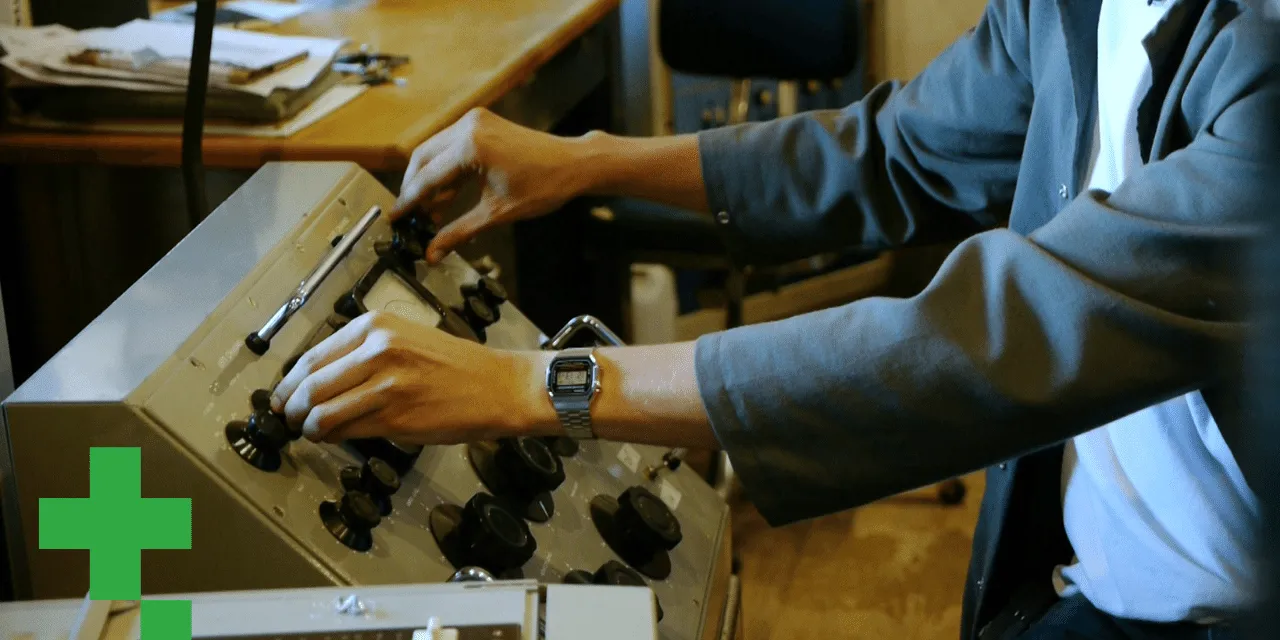
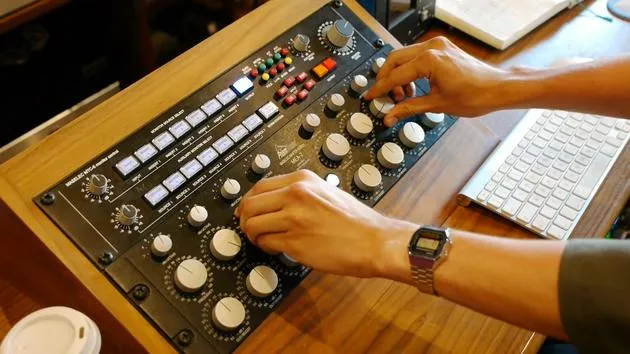
Caspar montre le mastering en action : il ajuste l'EQ pour donner de la profondeur à la basse et de la présence au saxophone tout en peaufinant un morceau avant le pressage.
Le contenu du cours
11 leçons (1h 35min) · 1 gratuites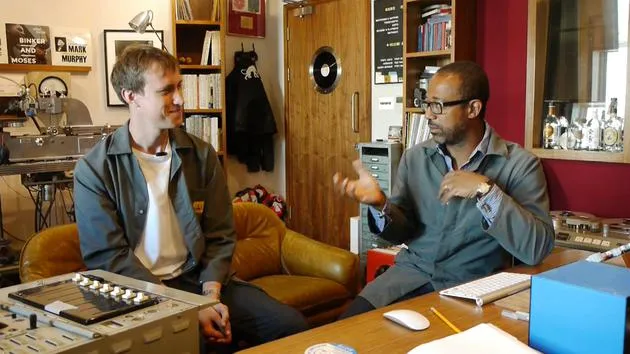
01. Introduction à Gearbox Records
Leçon gratuite4:00
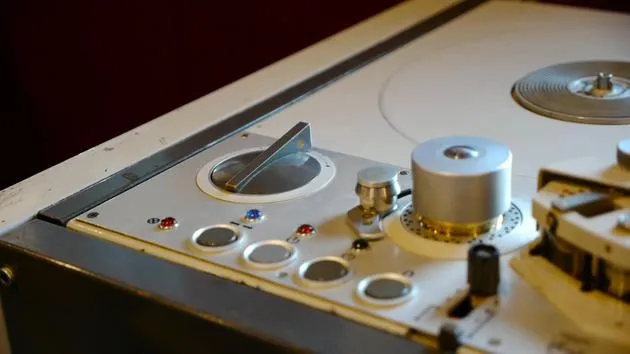
02. Introduction au matériel du studio
8:50
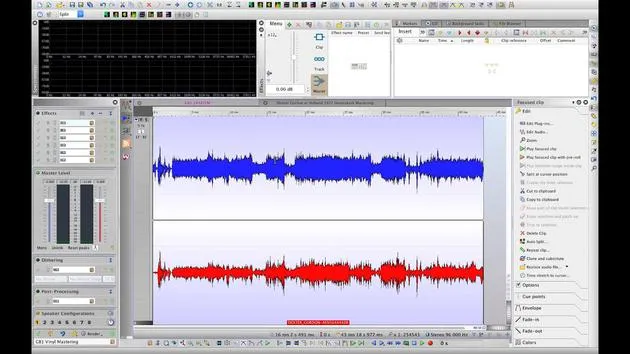
03. Introduction au logiciel de studio
1:53
04. Se préparer au mastering
6:21
05. Mastering - démo
Tu es ici4:33
06. Mastering - discussion
13:24
07. Studer C37
26:00
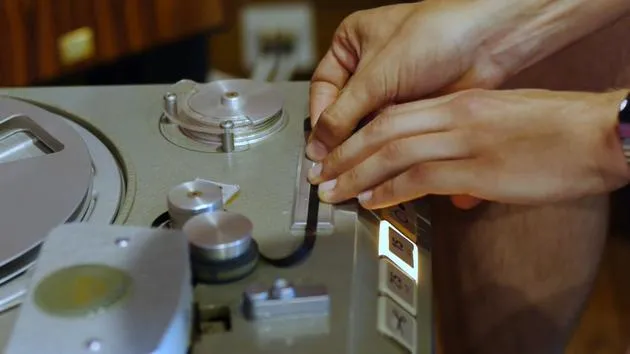
08. Épissure de bande
5:19
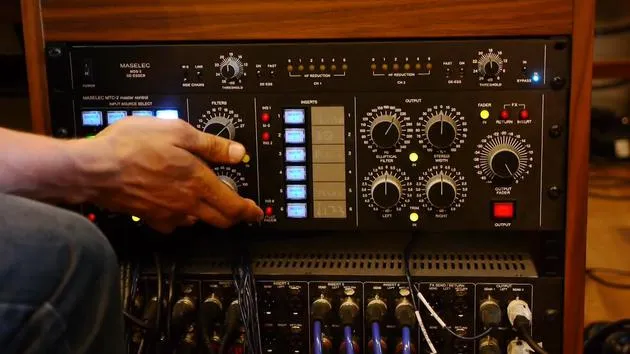
09. Filtres et précautions avant la gravure sur laque
4:27
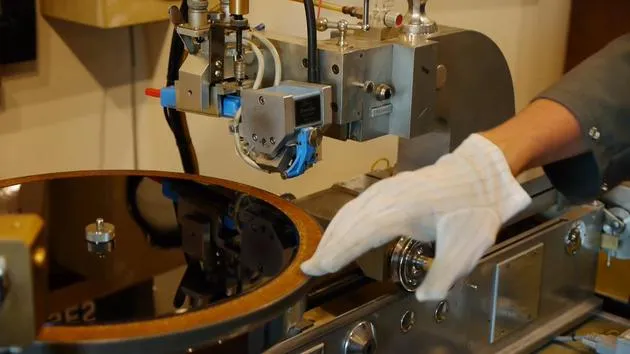
10. Le tour de gravure de laques
11:32
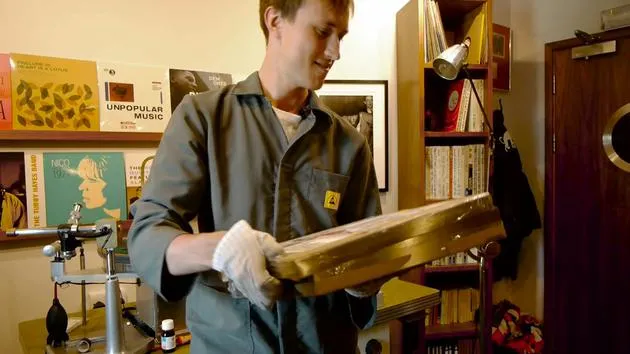
11. Contrôle qualité, pressages tests et duplication
9:23
Transcription de la leçon
Music Lesson
Introduction All right, let's get started.
Analysis of Sound So what I'm hearing is slightly kind of flat sounding at the top end. The bass is good, but there's not enough depth to the bass. We want slightly deeper-sounding frequencies.
Adjusting the Sound
- I'm going to click in our decory queue and see what we can do with this.
- I'm going to start adjusting the bass to add a bit of depth. I don't want to go too far on that.
That's about right!
Enhancing the Saxophone Okay. This middle lift button here is for presence. You're going to add some presence to the saxophone now. Some of that reverb needs to come up.
- And that's really brought out some of the tones of the saxophone.
- We're going to want to bring out some of the top end as well.
- Some of the speakers, the wide cymbal, needs to be nice and crisp.
You don't want to add too much; they're quite tinkly already, but that's important.
Comparison and Evaluation What's really important is that you A/B the changes that you've made.
- So, I'm going to flick it out, flick the decker out, and flick it into compare.
- I think we've got some good sounds here.
Adding Body to the Saxophone Now, one other thing that I want to do with the saxophone is that, because this is only a three-band EQ, we haven't really been able to add a little bit of the body of the saxophone here.
- I'm going to add on the MEA2 Master Level EQ.
- You're going to be adding a little bit more body to the factor, and I reckon it's going to be around 800 Hz.
You can hear that really brought out some of the warmth, that's really brought out some of the body!
Final Adjustments Okay. Now, just adding a teeny bit of that sub-bass to make it feel like the double bass is actually in the room.
- You want to have some of that vibration, and I think that's about it.
- It really opens up the space and makes them feel like they're in the room.
Recording Settings Okay. Unfortunately, we can't save our progress on our outboard gear, so we have this very, very important book here.
- This is our logbook for all of the settings that we decide to use for our mastering sessions.
- If there are any settings that we like and choose, we've got to write them all down in this book here because that's the only way we can recall the settings.
The problem with outboard gear a lot of the time, especially this old stuff, is that you can't save your settings. You don't have presets that you can reload and recall and plug back in.
Conclusion So, it's very important to have a recall book. I actually think it's very important to have a recall book even if you do have presets, just in case those presets get lost on the computer.
It's good to write down what settings you've used, okay?
11 leçons
1h 35m de leçons vidéo structurées
Fonctions vidéo avancées
Ralentissez, bouclez un passage, suivez la partition
Mobile, tablette et ordinateur
Pratiquez où vous voulez
Satisfaction garantie à 100 %
Garantie remboursement 30 jours







