



Análisis con Stephen Kovacevich
Qué incluye el curso
4 lecciones (1h 41m) · 1 gratis
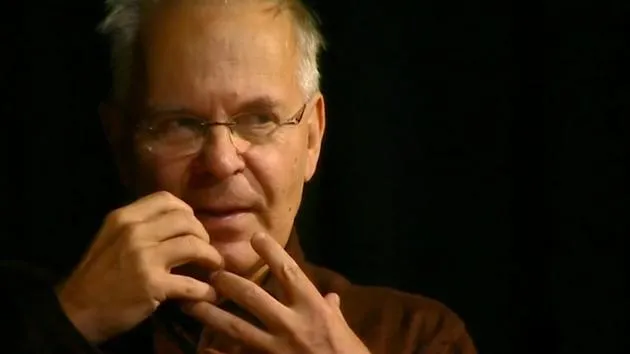
Transcripción de la lección
Sonata Music Lesson
Introduction
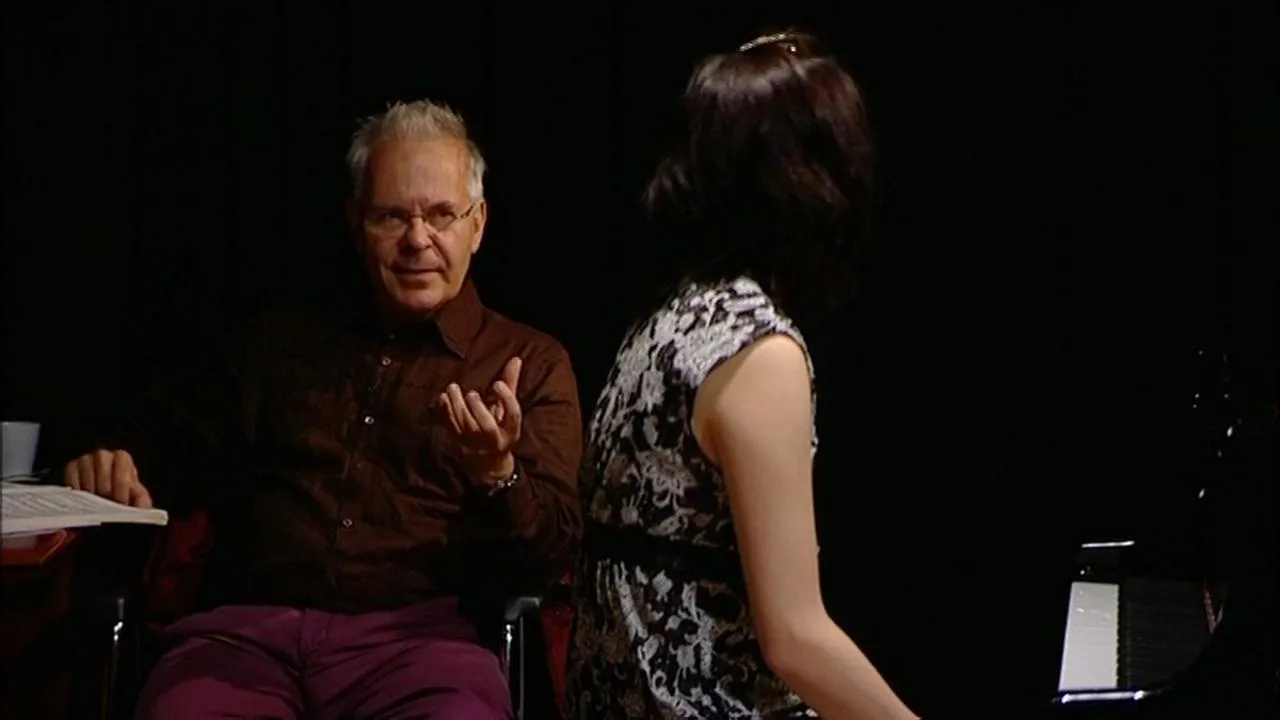
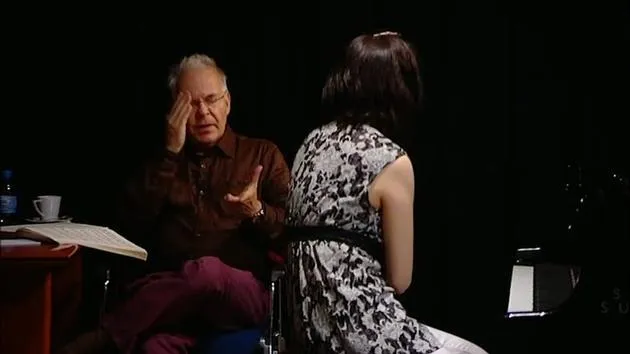
That's the first half of the sonata. We'll work on this and then obviously we'll go on first. It's on a very high level, so bravo for that.
Observations
With a few things to ask you:
- In the actual theme, you deem. You do like this. It takes away from the, I think, the serenity.
- 1, 2, 3, 4. D. You play. You make it like a French overture. Be careful of that.
I'm not sure that it's a criticism now, but it's an observation that your accompaniments sometimes in the rhythm is a little Chopinesque. I'm not sure if that may be good. Personally, I think it's a bit too free for this very controlled music.
Suggestions for Improvement
Anyway, could you try again and:
- Try not to do a Chopinesque. Don't be strict, but try not to play as if it was a Chopin nocturne.
- The left hand needs to be a little more precise.
- You begin quite directly. It begins almost with accent. Could you... Pudolte? Yes. Beautiful.
Okay. It's the first time you try it like this. Try from the Fermato and not too loud. The left-hand accompaniment.
Movement Interpretation
Now, I think you hear this movement more privately than I do. In other words, the cantabile I think is more open, especially when it goes to Sforzato. Legally, you did a kind of Sforzato, but I think it was not quite as strong. "Strong" is a bad word, but something.
Then try:
- Now that the cantabile, build poco, poco, and that the Sforzato is natural.
- Try from Piri.
Student Feedback
How did that feel to you?
- "Strange."
- "Maybe even more."
- "No, no, I liked it."
But how did it feel to play like that?
- "Good, good."
Foot Placement
This is something which I can't teach, nobody can teach. Your foot sometimes is again a bit: you put it down in harmony and change when the harmony changes. When you do that, you cover the melody. In other words, I hear all in one pedal. Could you allow your foot...
There's no way to teach it to you. Just sometimes come off, but not completely. We call it half pedaling, but it's not really half pedaling. Go on.
Just put that in the back of your head somewhere to learn. Now continue.
Crescendo and Timing
Again, it's not in the score. I personally find the music more open than you do. I think there should be:
- Not a crescendo as if it's the Eroica, but a crescendo a bit more to make the piano open up.
Then it's not in your score, but you have to take a little bit more time because it's typical Beethoven, crescendo to the last second and then piano. He did that 50,000 times in his music. We must not, you're correct, go to the top, but this time try a little bit more crescendo. Just listen. When is it natural to do? Don't come in straight in time. Let it speak. I'm not saying it's right, but it is possible.
Further Practice
Okay, try from Badadiya. Open, open, open, open. Now, that to me was beautiful.
Also, Beethoven even, I mean, we all know this, it's rare that Beethoven is true to Dolce the whole time. He does. Even in this extraordinary, beautiful, and tender movement, it opens.
When we come to this next passage, I'm sure that you were too discreet with this trill that makes crescendo. Sforzato. I would like this: it's almost orchestral writing, timpani. I'd like you really to open up here, not to a fortissimo, but to a forte.
Effort in Music
This next passage, again, I hear you like this. Beethoven writes in tooth:
- Padam, Padam, Padam.
I think there is more effort in the music than you are showing.
Try it from here.
- Open, open. Good. Go on.
You go back to the blam. You'll go back to your French overture, yeah, exactly. Okay.
Maintaining Musicality
Now, this is again. You did this before. I suppose one's always a little worried whether one's going to play correctly. But you:
- It stops singing even. These are 30 seconds. I suddenly hear you as a pianist, still making music.
Do you see how beautiful? Go on.
Yes. Why do you not do diminuendo? You make this the climax, and I think it's already going away, you know?
- No, it's the top is diminuendo. Try it.
I think so. Less menno, menno. Less poco crescendo. Good. Okay. It's good. And it can be like that.
Playing Style
I'd like you to try a little more cantabile in the right-hand parlando. Speak to us.
- No, it's not speaking really good.
Okay, now we have to go to the end. I think that is nearer the music. We have to go to the end.
So play from one of these things.
- No, not double. Don't French overture.
Okay, I'd like you to try it again. It's the highest part in the movement. It's saying this is coming to, it's finishing. I would like to feel that. You know that the tessitura is higher than before because you play with the same quality that you played before.
Final Thoughts
This is saying something more, much more crescendo, as he writes. Say something special there that you have not said before.
Okay, speak. Good. Go. Good. Try it once more. And when you have this passage, there's something like... in circles, you know. Don't do a conventional phrasing.
The crescendo, in a way, I mean, instinctively, you make poco diminuendo. But I think that the, whatever the emotion is, is stronger than a conventional response. So even when you go down, consider keeping the intensity going.
Okay, try it once more.
And this time, when you're playing, don't say anything, but imagine you're singing it. You know, I hear you as a pianist a little bit. Dina, no. Piano playing. No.
Future Steps
How can we... patience, everybody. Can we work on this? I hear your fingers. Try.
I don't know, as if you have... imagine that you're playing a string. And do you know, a little bit more pressure, not from the finger, but somehow a deeper part of your arm. Not fingers from here. Press.
Try it again. Now try it once more. And even if you hate it, it's, I'll tell you something interesting about that in a second. Even if you hate it.
Now, make much more contab, much more crescendo. Not to list, but much more. Try it now. Okay, stop.
What was interesting, I don't know whether you noticed, it was when I asked you to play away from your fingers. You were a little bit more free because before... I heard you so precise.
When I felt your energy was away from here and somehow in deeper, your whole arm, there was a touch of freedom in your playing. In other words, you must be careful that you must sing it, even if it's piano music.
I'm not talking about La Boheme here, but the quality of speaking. And so you have to get away from typing.
You know what I mean? Typing. You mustn't type these things.
Conclusion
Okay, let's go. And at the end, at the very end of this movement, Beethoven, as you have noticed, quotes the fugue.
The thing was, when you played it like that, I thought, okay, he's noticed that the fugue is there. It was. Show the people what I mean. Yeah, exactly. And the fugue plays the subject of the fugue.
Now, we don't know. We cannot be sure whether this is unconscious from Beethoven or conscious, but you make it, and it wouldn't be typical. I think it's actually more typical of Beethoven that he noticed. But he didn't want you to make a big production of it.
It's a semi-secret place, and you made it too obvious for me. Try from anywhere here. Show it, but not for your like an examination. Okay, go on. That's all right. Go on.
Final Recommendations
Speak. Speak. Yeah, I think there isn't a real break. Now, it's interesting that I didn't agree with his tempo. It didn't matter. You were somehow... it was completely convincing.
And I thought that what you showed was just the right amount. We could hear it, but we didn't want to give you a point for it. It was beautiful. Now this, I personally think, and many people do, that the next movement, this first movement, doesn't really finish.
It's Bem Biddy I. Also, in Allegro molto he plays. It comes from an old German song. Apparently, there's a song, okay, this Te Dee dee Dee, but Beethoven writes allegro molto.
I know from a lifetime that he's a person of extremes. And molto means something not Komodo. It means it's uncomfortable for you; it's uncomfortable for them. It's not safe.
And this horrible middle section, which is very difficult to play, it's either very difficult or some days it's very easy, but it's in allegro molto. I think you have to be careful you don't make this movement too safe.
So end the first movement and start counting. Try this tempo.
Sforzandos
Your sforzandos are there, but I would say they're legal sforzatos. They're not alive; these syncopations. But you see, that's easy to listen to. That's not molto. That's not putting us under stress. That's not molto; that's allegro.
Try Be dee bee yum pum pum pum ping. Good. Go on.
Don't take the repeat. Go on. Okay, that's good. And you have no problems with it as a pianist? Think about it.
Dynamic Contrasts
The other thing I would ask you to think about is that he asked for subito piano. It's an extreme asking, and I wouldn't make it too smooth, not to jo. And then subito piano. Good. Fine.
Okay, that's good. That's good. Think about it. For example, when Beethoven writes prestissimo, which he does sometimes, it means a presto. That really is dangerous. If he writes molto, it means not comfortable. It means pushing.
I'm pretty sure. Now, how should we do this?
- Do the first aria and a few bars of the fugue, and then we stop. Okay?
You're double dotting. Don't. Be careful, Papa. Be careful. Beautiful sound. Sa. Okay, okay.
Now play me the sound you get for the second aria, the beginning, the G minor. Okay?
Dynamic Range Discussion
Why do you play that louder than the first one?
- "Because it's more tragic."
- "It's more tragic hard."
- "Pardon?"
More hard. I think it's more tragic. But it's written in such a way that I think he can hardly, hardly speak the first time. Also, the second time, Beethoven adds. He's incredibly precise in the notation.
The rhythms are like a person with asthma, can't breathe, tear. And he also writes losing force. I think it's like a person who's dying, who has almost nothing left to say. And that's why the cantabile is always broken up.
So you would play it less?
- I would play the first one, the first one I would play as you played. I mean, differences here and there, but, you know, I would play palando the second time.
Pizzicati Techniques
It's over, and he can hardly speak. And also, after the aria is finished, you have these beautiful, strange pizzicati. Bom, bom, bom.
Now, the other thing is that you notice that the pedal is marked all the way through. But your ear tells you that it's too much at some point. So you take it off, and you may not know that Beethoven's pedals didn't last as long as ours, so it didn't have that problem.
In other words, Beethoven could put his foot down, and there would be dissonance in the harmonies, but not like on a Steinway, you see? When your ear tells you it's too much, you're right, but what you have to do before is do fake pedaling. You know, you keep dissonance, but you don't let the pedal become so rich that suddenly you have to turn it off.
Technique Exploration
Because when you turn it off suddenly here, it sounds strange. The other thing you do, which I know is a problem on modern pianos, Beethoven writes, be. Bung. Be. Bung.
I don't know how to pronounce it this.
- Be. Be. Be. Be. Be.
It's a string. It started off as a harpsichord technique, apparently, though I can't imagine why.
In Beethoven's late quartets, you have the Grosse Fugue. Now, when you...
- Am I going to electrocute myself if I move?
No, you play. Now listen. Let's see. I don't know if this piano can do it. No, you here. No, there. Fifth time lucky.
Performance Practice
You mustn't do it. It takes away the desperation. If it doesn't work, it's no pianist, and no piano can do all seven or eight of them. It seemed possible.
Okay, but you must not go. Do you see what I mean? So that... No, no. These pianos aren't made to do it. But try.
Try. And failure. Go on. There. One perfect one. So that. But don't do this.
So the pedaling here: let your left hand do it as long as possible and hope for luck. You see, it begins when the aria comes back. The first time it's like this, more or less what you did.
Timing Variances
The second time is, sorry again, especially here he writes a breath. It can't go. So make a difference but between the two. Start directly. The first aria. Your ear. Try it again.
Make sure the left hand doesn't get too loud. Listen really carefully. Again. I'm going to torture you. Okay, too bad. Don't play with your finger. Better.
Good. That was beautiful. And also this time, your hand, it was like a bow arm, was like a violinist. I didn't see this. Now immediately try the second aria.
Now show these horrible breaths. Now show them. That's it. Again. Again. And now it sings. Beautiful. Go on.
Don't play with your fingers. Good. Go on.
Expression in Dynamics
Okay, now there. That's the first thing I didn't like. Beautiful. And then suddenly I heard you showing us. It's the wrong. You're not passing an examination, you know. Don't show things like that.
Try them a little bit before. Go on. Outer breath. Out of breath. Out of breath. Now these. Use your imagination. Crescendo more. Okay?
I thought the second part was beautiful. And even I didn't agree with it, I thought it was beautiful. That's fine. But I'm sure that when you come to the mena allegro, this sound you have here has to have a relation with what came before.
Final Adjustments
Suddenly it became very, very dry. You know, it's just... Beethoven writes meno allegro. But in fact, the music, the way it's written, it sounds quicker. But you're still coming out of this. So I wouldn't change the pedaling so much. Keep it wet.
Okay, that's... that we must look at. It's like you're Russian. Yeah. So the great bells at Kiev, you know, or wherever they are that he, you know, he writes. He's coming back, isn't he?
Climactic Moments
These bells are starting. Ding, bom, beam. And he's going to lead us to this incredible declaration at the end. But your sound was so far away. The piano didn't start to open up, and you have to jump.
And I could hear your terror about whether you get the right notes or not. It's just the wrong place to be. Careful. Start from the meno allegro and let the bells ring. Bing bomb. Forget what's correct.
Let the piano open. Now more. Good. Go, go. Okay, good, good.
Moving Forward
I would like, this is just a suggestion. Okay? You begin when the great bass comes in. You're under tempo. Why not be tempo? Right. Right from the beginning.
In other words, what then? No echidna because I usually do accelerando until, I don't know, until here. Fine. I'm not against accelerando, though I would do it even later. I would do it later.
I would start in tempo. But what he talks about now is a very important thing. He said that he wants to make a chellorando. Therefore, he began a little under tempo.
Practice Session
However, when we hear you begin under tempo, we don't think, "Oh, good boy! He's saving for the ecello rondo." We think it's too slow. Do you see? You mustn't, it's like people who always, always, when they see crescendo, they always play piano in order to develop. They forget that sometimes it's just too soft.
Start from the bells, from the meno allegro. Go crescendo. No, but try it. It's against what you've prepared. But today, try immediately tempo primo.
And make a chalarando into it. Da de da de ba dum Bing bomb. So to make a chile a little earlier. Yes, yeah. To make a chalorando into tempo primo.
And then at tempo primo, if you want to make a change until nearly the end, do it. It's a fantastic passage, and you're right. But don't be so careful.
Final Chords
Tempo sa. Nearly, nearly, nearly. You made chalando too much too soon, and then you had nothing left. But again, you know this amazing chord at the end, All your strength, all your strength.
Can you start from, you know where the?
- Yes. Yeah.
And tempo. So play the fugue subject the first time it comes. Okay?
Stop. Dum bum bum bum bum bum. Yes. Not... don't get too fast. Don't get too fast. Everything.
That's it. Okay.
Final Remarks
Now there. Could you say something or no? No, I'm again saying everything against, I've asked you not to say something but with the left hand, there just go absolutely crazy. Really, everything.
Okay, try from. Can you start here or there? Someplace there. No, I want. I thought you meant to make it ‘no.' So we hear everything. Bravo. Very, very good. Thank you very much.
4 lecciones
1h 41m de lecciones en vídeo estructuradas
Funciones de vídeo avanzadas
Ralentiza, repite un pasaje, sigue la partitura
Móvil, tablet y ordenador
Practica donde quieras
Garantía de satisfacción 100%
30 días de garantía de devolución
Conoce a tu gurú
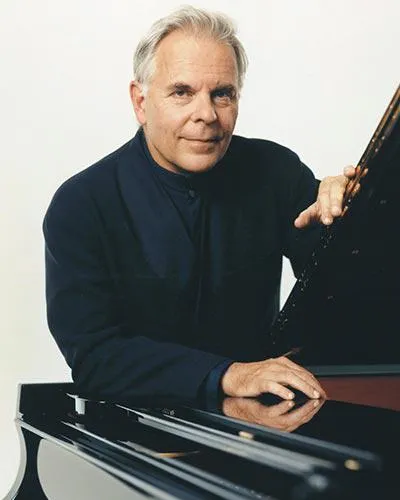
Conoce a tu gurú
Stephen Kovacevich es uno de los intérpretes más indagadores del teclado, y ha ganado una admiración insuperable por su interpretación de Beethoven, Brahms, Mozart y Schubert. Junto a su larga y distinguida carrera como solista, ha dirigido durante muchos años, cosechando cálidos elogios por su trabajo con orquestas de todo el mundo en repertorio de los siglos XVIII y XIX.
Nacido en Los Ángeles, hizo su debut en concierto como pianista a los 11 años. A los 18 se trasladó a Inglaterra para estudiar con Dame Myra Hess. Su reputación internacional se ha construido tanto sobre sus apariciones en concierto, célebres por su reflexión e intensidad recreativa, como sobre las muy aclamadas grabaciones que ha realizado a lo largo de su carrera.
Kovacevich ha mantenido dos relaciones de larga duración con compañías discográficas, primero Philips y después EMI. Sus grabaciones de conciertos para Philips, incluyendo Beethoven, Schumann y Bartók, han sido durante mucho tiempo pilares del catálogo. Como artista exclusivo de EMI, grabó ambos Conciertos para piano de Brahms con la London Philharmonic Orchestra y Sawallisch. Los otros grandes proyectos de su trabajo con EMI fueron una cautivadora serie de Sonatas de Schubert y un conjunto de las 32 Sonatas de Beethoven completado en 2003, aclamado como uno de los más autorizados jamás grabados. Su grabación de las Variaciones Diabelli para Onyx ganó el premio Classic FM Gramophone Editor's Choice de 2009.
Estudiar con Kovacevich es una línea directa hacia esa mente interpretativa: cómo moldea una frase, encuentra la arquitectura en Schubert, Beethoven y Chopin, y convierte la técnica en música que realmente significa algo. Es una rara oportunidad de aprender este repertorio de un pianista que ha pasado toda una vida viviendo dentro de él.







