



Estructura de la canción
Qué incluye el curso
24 lecciones (1h 31m) · 1 gratis


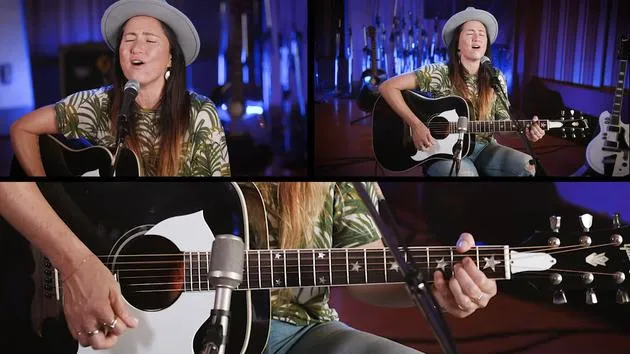
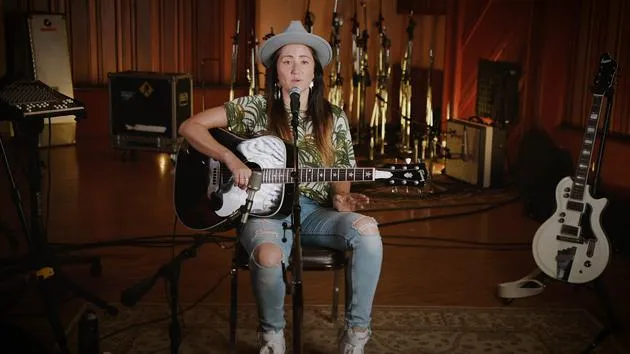

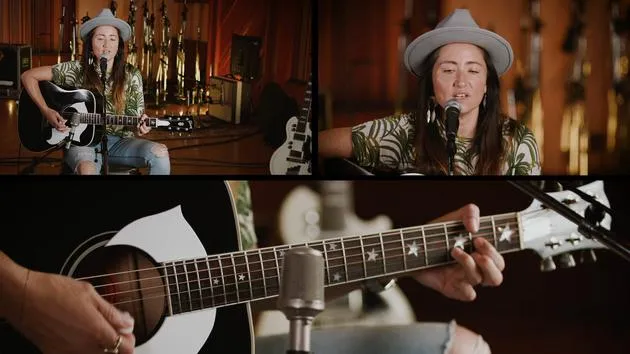
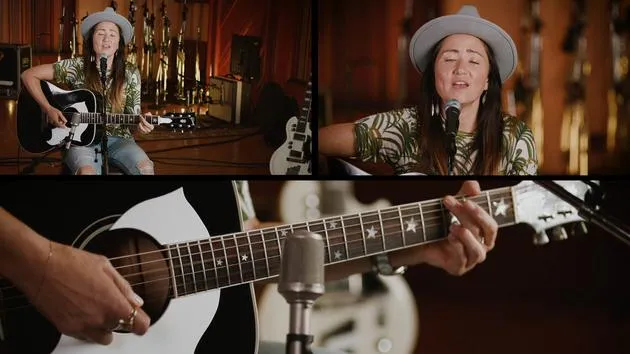
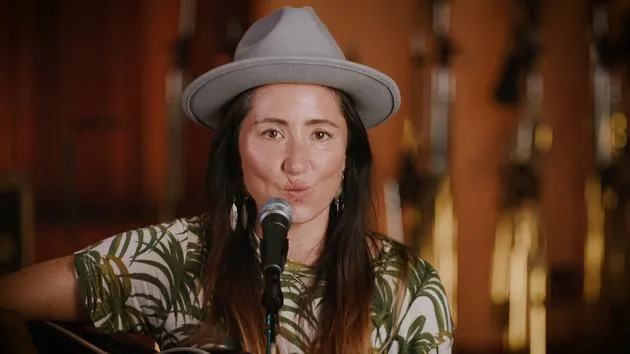
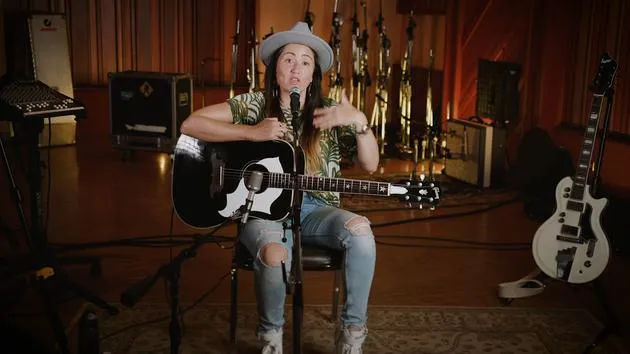
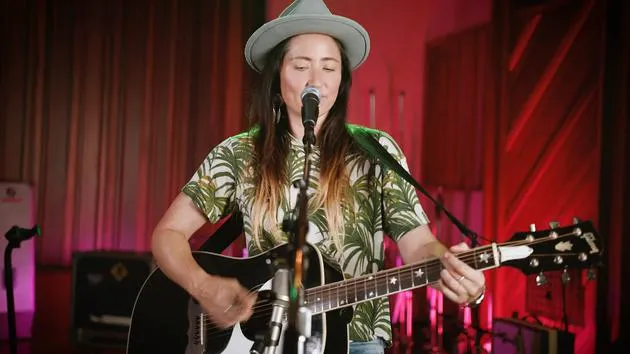

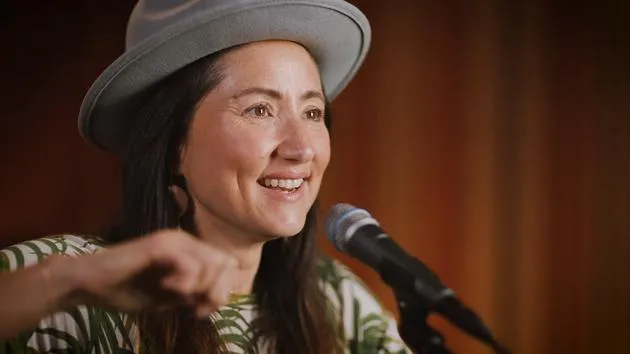
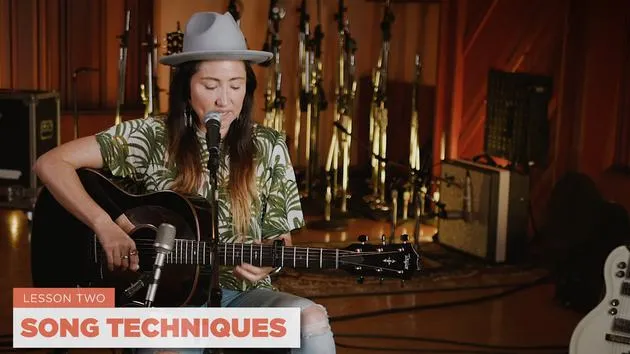
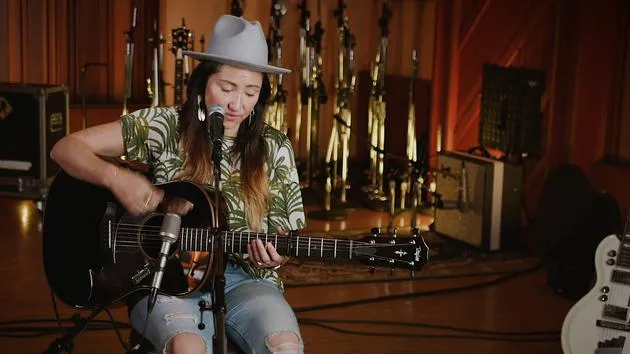

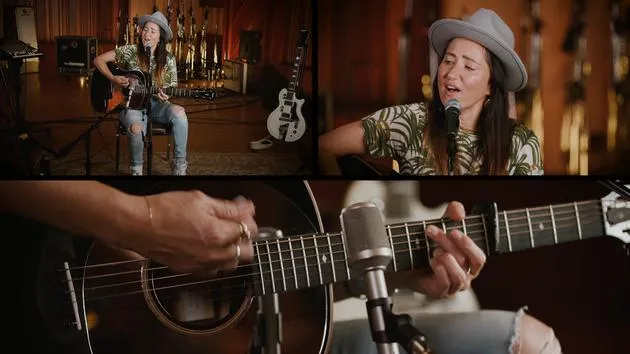


Transcripción de la lección
Exploring Traditional Songwriting: A Journey Through Structure and Emotion
Most of my songs follow an extremely traditional formula:
- Intro
- Verse
- Pre-Chorus
- Chorus
- Re-intro
- Verse
- Pre-Chorus
- Chorus
- Middle Eight or Bridge
- Ramp Up
- Double Chorus Outro
And I'm amazed that, 15 years later, I feel like I'm really delving into different areas of writing. When I'm writing, I still very seldom stray away from that songwriting formula. I just love it. I love that roadmap, and I love the journey that it takes you on.
The Key of D: My Happy Place
It's in the key of D, the happiest chord on earth. It's got a very traditional chord structure; I found that when I was writing it, particularly the pre-chorus (which I love), that chord which is F# major, seventh major, seventh minor, seventh, F#7.
I've noticed people in contemporary songwriting are quite scared of those chords because they're cheesy. But I don't care. I love kind of more old-fashioned songwriting. If you were going to play in a less potentially old-fashioned way, you would play F# minor. Everything around her is A, so, you know...
And I mean, I just went for it! I decided I didn't care, and I was just going for it. It's fun, right? It sounds more fun.
Chorus Connection
The other chord is in the chorus:
"Suddenly I see, this is what I want to be. Suddenly I see."
Here it comes. Yes, classic G minor W. It means so much to me. It's like it's pulling more from really old-fashioned writing than from contemporary stuff that uses chords like that.
Embracing Complexity
There's quite a lot of chords in this song, and usually, that can be off-putting in terms of a song reaching a larger population if it's moving chords all the time. But if you hit it right and the melody, melody, melody, melody, doesn't distract from the melody and helps the melody along, then use what you want.
The Middle Eight: A Creative Pivot
Let's talk about the middle eight or the bridge, maybe my favorite aspect of songwriting. It's a minute for you to completely change course if you want to, or you can just stop. You can pause somewhere and not move from there, giving a breather. You can go somewhere lyrically very different.
I think Chris Martin is an amazing writer of these sections in songs. In the first couple of Coldplay records, I was always completely delighted with where the song would go. Sometimes it would happen at the end of the song, completely changing and going somewhere else.
It's a beautiful opportunity to bring in a completely new melody, maybe even a completely new idea, still all sitting within that magical three-and-a-half to four-minute song structure. You just take a left turn and go somewhere else.
With this song, it was a pause; it was a stop point where I decided to just vamp.
"Suddenly I see, why the hell it means so much to me, you know?"
This gives everyone a chance to go wild in the audience.
Creating Space and Emotion
The feeling that I want to evoke with this section is important. Because the song is upbeat, full-on, rhythmic, and really in-your-face up until this point, this is really taking a breath, stopping the feeling of driving forward.
"I can see her eyes looking from the page of a magazine."
You're painting a picture. You're just taking a minute to stop and describe something a bit more specific rather than the usual, "Yeah, I'm gonna be amazing."
It's like, okay, let's get a bit more emotional and give us a chance to take a breath for a minute.
I think Bruce Springsteen is amazing at this, just kind of rolling lyrics over a vamp. A lot of lyrical input over simple chord stuff, you know:
"Oh, she's taller than most and she's looking at me."
That was describing her staring at me from the cover of Horses.
Rhythm and Lyrical Play
"I can see her eyes looking from the page of a magazine, interviews.
And she makes me feel like I could be a tower, big, strong tower."
Yeah. Power to be powder.
That part is really also about coming back to the rhythm.
"Par beat, parque, parce. Yeah, yeah. Par beat, parque, par beat, parque, parc."
So that's another interesting thing. It's really helpful to come up with the rhythm of what you want to write and just use gobbledygook.
Paul McCartney talks about this: you'll just be using rhythmic sounds.
So I might be writing and go,
"Okay, I know I want it to go: Baba dee da da, burger and fries, burger and fries, pizza and fries, yeah, yeah."
You can come up with any lyrics, and often it's good just to use the consonants you want:
"Bub da da da da da ba ba duba da da."
Then, take those consonants and just write lyrics around the rhythm and the beats you want. It's actually a really nice exercise to come up with lyrics that you might not have written otherwise.
The Key Change That Almost Was
I think the only thing "Suddenly I See" is missing to be like a fully traditional, cheesy old song is a key change. If it had a key change on that last chorus... but, you know, it was an extraordinary experience with this song; it just completely blew up.
Lasting Impact of a Song
The most surprising thing about this song is that, 15 years later, it's still getting played on the radio, still being used in films and television, and it's still communicating and exciting younger people who've grown up with the album with their parents playing it.
That's wild! It's a really crazy experience, seeing a song have staying power like that.
When I think about when I wrote this song, it was all about freedom, to just do what felt good and not worrying at all about whether it was cool, mysterious, or poetic enough.
I didn't worry about any of that stuff and just literally said it how it was and followed some fun within the song.
And it was, it really worked.
In the studio, making that song as well, it was really respecting the rawness of the influence of that old blues music and not getting too fancy, just trusting that you don't need too much.
I've done that on other records where there's too much production going on, but we were just having too much fun.
24 lecciones
1h 31m de lecciones en vídeo estructuradas
Funciones de vídeo avanzadas
Ralentiza, repite un pasaje, sigue la partitura
Móvil, tablet y ordenador
Practica donde quieras
Garantía de satisfacción 100%
30 días de garantía de devolución
Conoce a tu gurú

Conoce a tu gurú
Crédito de la foto: Tom Oxley
Desde que arrasó en todo el mundo con su álbum debut 'Eye To The Telescope' en 2004, que llegó a vender más de 5 millones de copias, KT Tunstall se ha mantenido en la primera línea del talento de cantautores del Reino Unido.
KT dio continuidad a aquel primer éxito con los álbumes 'Drastic Fantastic', 'Tiger Suit' e 'Invisible Empire // Crescent Moon' en 2007, 2010 y 2013 respectivamente, manteniendo las ventas de platino y consolidando la reputación de la cantautora escocesa como un gran talento de la grabación, además de una hipnótica artista en directo.
2012 y los años siguientes trajeron un cambio radical de perspectiva: la pérdida de su padre, un divorcio y una mudanza a Venice Beach, California.
Tras un periodo de sanación, introspección y un cambio de aires, 2016 marcó la llegada del primero de una trilogía de álbumes de KT Tunstall, el aclamado 'KIN', que entró en el top 10 del Reino Unido. La trilogía evoca, por separado y en secuencia, el espíritu, el cuerpo y la mente. Con 'KIN' como su álbum del 'espíritu', un ave fénix renacida de las cenizas, 2018 marcó la segunda entrega de esa trilogía, el álbum del 'cuerpo', 'WAX'.
KT Tunstall ha girado por todo el mundo en numerosas ocasiones. En 2005 vendió más discos que cualquier otra artista femenina en el Reino Unido, ganó el Brit Award 2006 a la Mejor Artista Femenina Británica en Solitario, obtuvo el premio Ivor Novello a la Mejor Canción por su enorme éxito autocompuesto 'Suddenly I See' y un premio Q a la Canción del Año.
También logró una nominación al Grammy a la Mejor Interpretación Vocal Pop Femenina con 'Black Horse and the Cherry Tree' y cedió sus canciones a multitud de películas y programas de televisión ('Suddenly I See' se utilizó en la icónica escena inicial del moderno clásico protagonizado por Meryl Streep 'El diablo viste de Prada').
El primer single de su último lanzamiento, 'The River', fue nombrado una de las 'Songs You Need To Know' de Rolling Stone.
Los últimos años han supuesto una especie de renacimiento creativo para KT Tunstall. Tras mudarse a la costa oeste de Estados Unidos, fue admitida como una de las seis becarias anuales del Composers Lab del Sundance Film Institute (celebrado en el Skywalker Ranch de George Lucas, en el norte de California) y desde entonces ha compuesto música para cortometrajes y largometrajes.
También ha recibido el galardón de Artista Inspiradora en los Women In Music Awards y fue elegida como la primera mujer Grand Marshal de la historia (tras figuras como Sir Sean Connery) para encabezar el desfile anual de la Tartan Week de Nueva York en abril de 2018. En mayo de 2018, ella y Mike McCready, de los legendarios y multimillonarios en ventas Pearl Jam, publicaron una versión del gran éxito de Tom Petty 'I Won't Back Down', cuyos beneficios se destinaron a la Vitalogy Foundation de Pearl Jam.
En 2018, KT ofreció conciertos íntimos como cabeza de cartel con todas las entradas agotadas por todo el Reino Unido y Estados Unidos, y giró por el mundo como telonera de artistas de renombre como Simple Minds, The Pretenders y Barenaked Ladies.
2019 vio a KT realizar una gran gira como cabeza de cartel por el Reino Unido y Europa con su banda íntegramente femenina, tocando en festivales de todo el Reino Unido (incluida una actuación estelar en el Festival de Glastonbury). Giró por Estados Unidos y Canadá, Japón, China, los Países Bajos, México y Brasil, además de telonear a Hall & Oates en su gira británica por pabellones.
Las giras continuaron para KT a principios de 2020 con conciertos como cabeza de cartel en Estados Unidos, actuaciones con Jools Holland por toda Europa y una actuación en el legendario Madison Square Garden de Nueva York, teloneando a Hall & Oates.
En su curso Song Studies, KT descorre el telón para mostrar las partes de guitarra y el arte compositivo que hay detrás de sus mayores éxitos: una rara oportunidad de aprender cómo construye realmente una canción una compositora ganadora de un Brit Award y nominada al Grammy.







