



Bending de cuerdas
Una mirada de cerca al bending de cuerdas y al bending de dobles cuerdas en la guitarra, una de las técnicas más comunes y expresivas que usarás.

Qué incluye el curso
43 lecciones (3h 55m) · 1 gratis
01. Introducción a los enfoques de la improvisación
1:00
02. Adornar una melodía
5:36
03. Reto: Envía tu melodía
0:26
04. Acordes de séptima
6:38
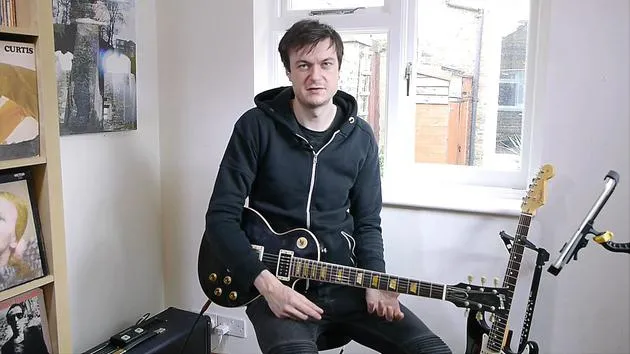
05. Componiendo tu solo
8:53
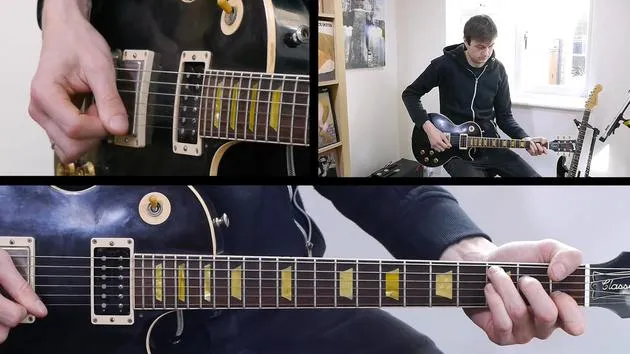
06. Rasgueo avanzado y adornos
5:40
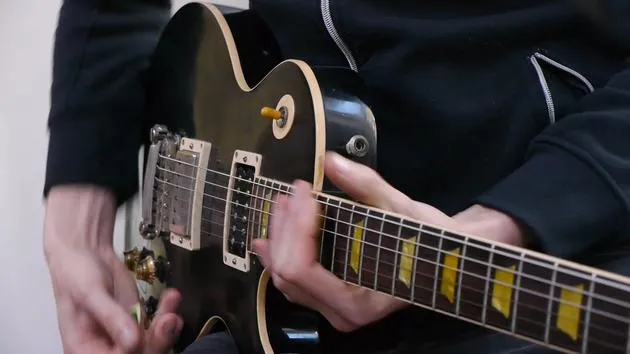
07. Comping en distintos estilos musicales
8:36
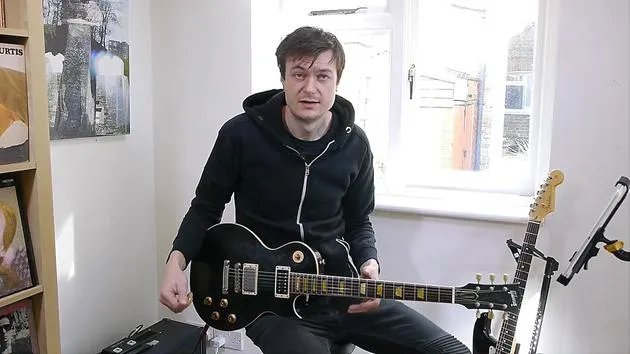
08. Más extensiones y acordes sus
4:19
09. Combinar comping rítmico y melódico
4:24

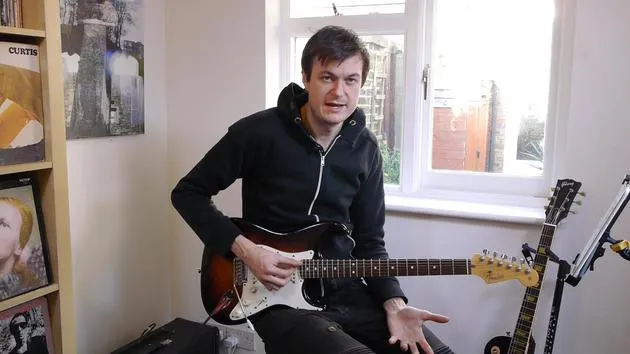
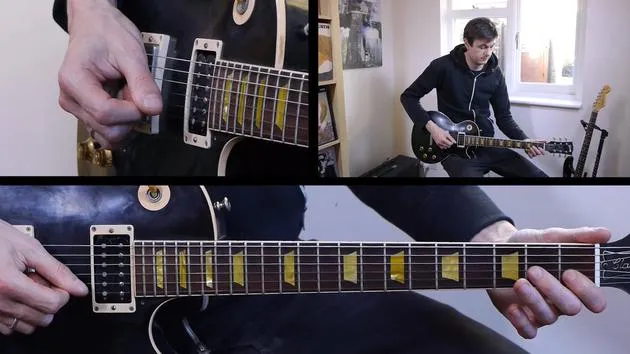
Transcripción de la lección
String Bending Techniques
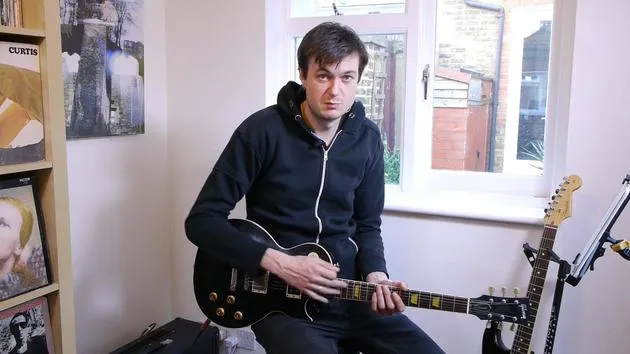
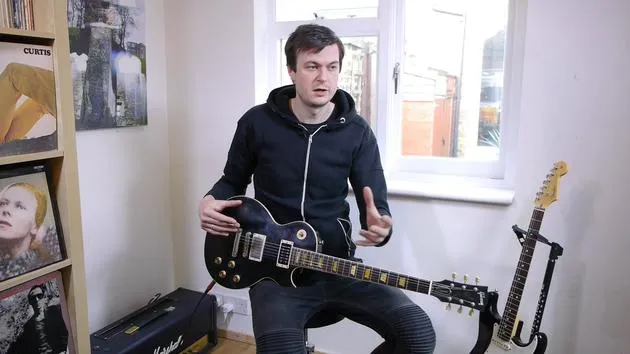
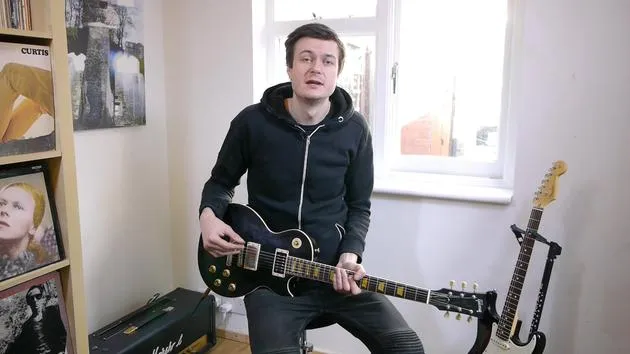
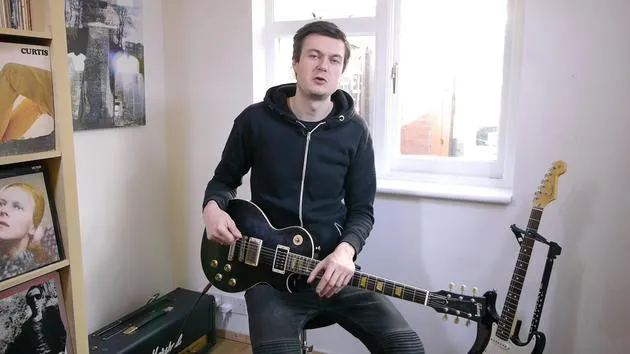
Alright then, guys. So let's check out some string bending techniques and also explore some double stop bending techniques as well.
Importance of Bending Technique
It's really important as a guitar player to have a firm grasp on bending technique. This is one of the most common techniques you will come across. Compared to other instruments, guitar bending is unique. For instance, if you're on a piano, you can't achieve that subtle change in pitch like you can on a guitar. It's an expressive quality that we're lucky to have access to.
Practicing String Bending
Here's what I want to share with you regarding string bending:
-
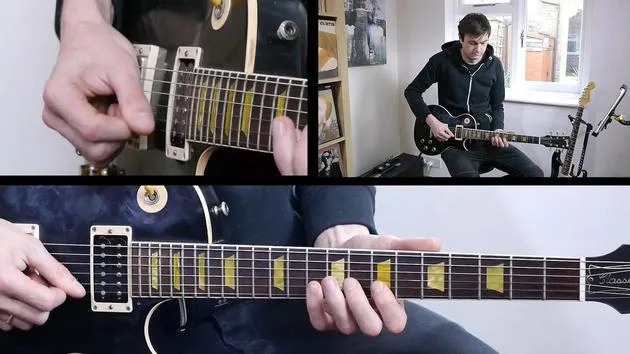
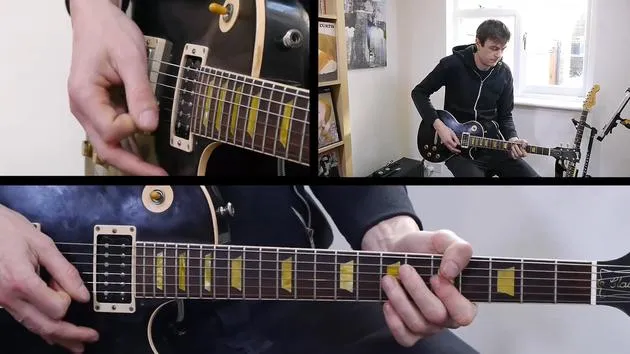
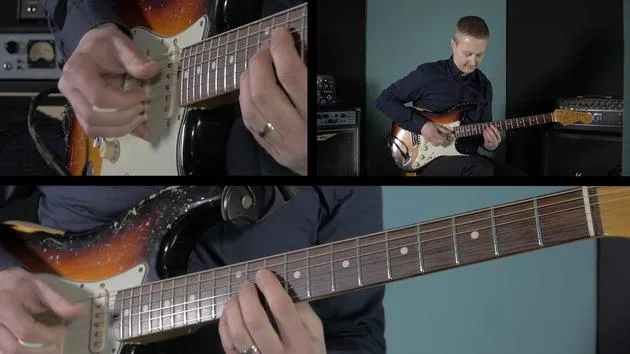
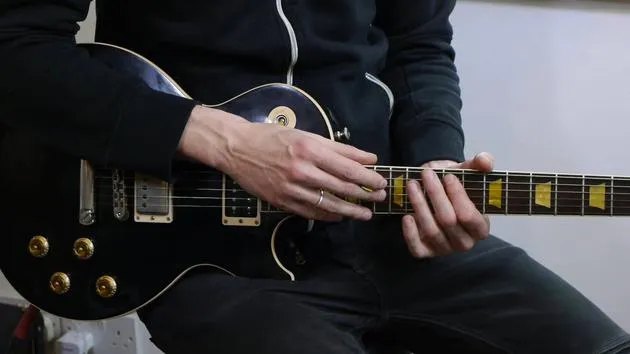
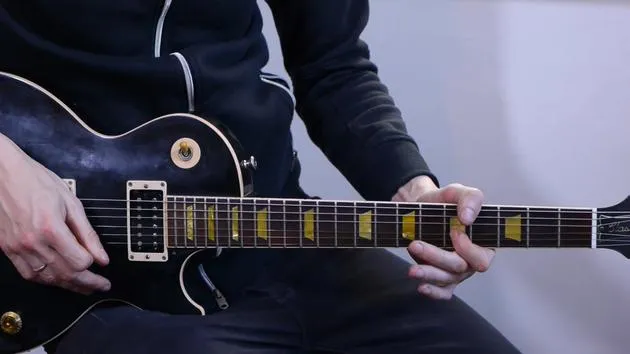
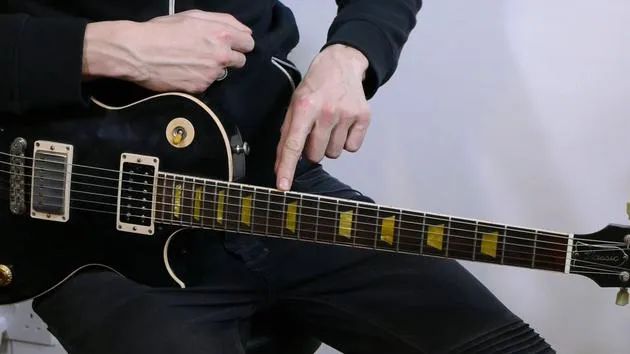
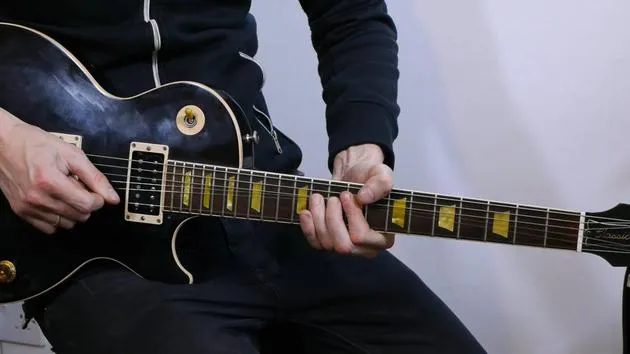
Starting Position: Let's use the 11th fret on the B string, bending that note up a tone.
- When we say "bend it up a tone," it means we'll bend it up the equivalent of two frets or two semitones.
- So we're bending from the B flat note (11th fret) to a C note (13th fret).
-
Supporting Fingers:
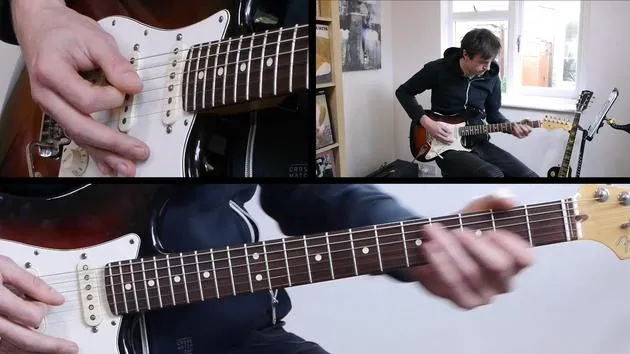
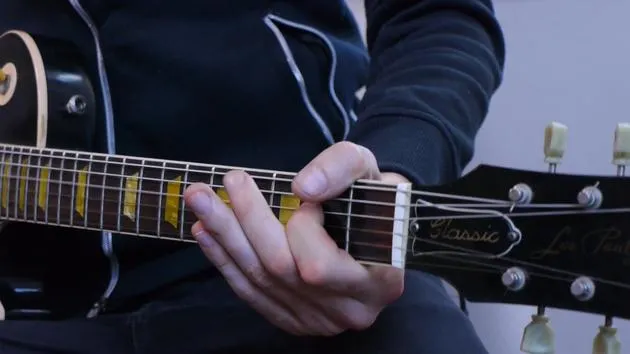
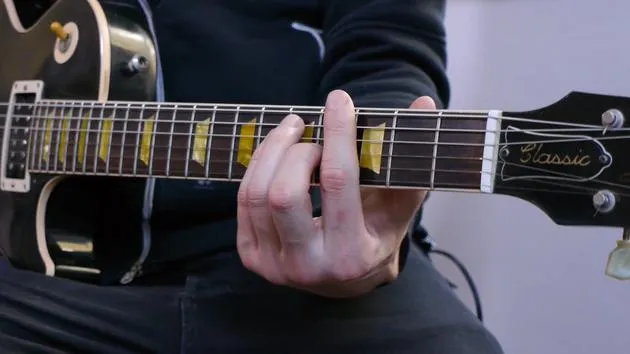
- It's crucial to support your leading finger, the one furthest forward (the most fretted note), with at least one other finger.
- For example, my third finger is on the 11th fret, while my second finger is supporting it on the same string.
-
Bending Process:
- The strength of two fingers will help move the string the required distance.
- Let's remind ourselves of those pitches: here's our starting note, and here's our finishing pitch.
- It's just my second and third fingers that produce the strength into the string to achieve this bend.
-
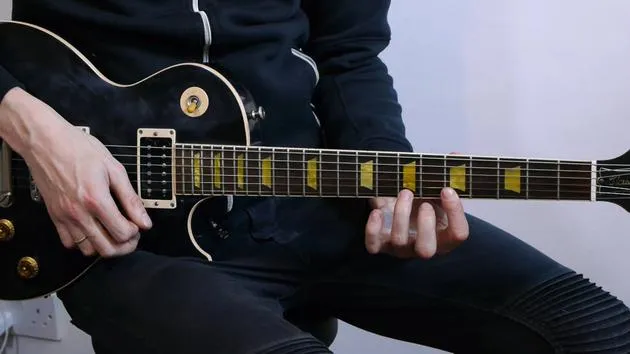
Role of the First Finger:
- My first finger is also important as it acts as a muter.
- This finger keeps other strings quiet during the bending process.
- If not muted, unwanted noise can affect your sound quality when bending.
Feeling Bends Across the Neck
Bends can feel different across the neck based on string thickness and position relative to the nut.
- Lower String Bending: Can feel somewhat tricky and require more effort to produce a bend.
- Higher String Bending: Often feels free and easy to move.
It's essential to practice bends all over the neck on different strings. Generally, bends led by the first finger may not travel as far as those led by other fingers. Yet, strong players can still achieve substantial bends with their first finger, as seen with players like B.B. King, who could produce impressive bends with just one finger.
Notation for Bending
Understand the notation involved in bending:
- BU = Bend Up
- BD = Bend Down
When you see a number in brackets next to a bend, it signifies the target pitch. For example, for a bend at the 11th fret on the B string labeled as BU, it'll state the target note as 13 in brackets.
Practice Technique for Bending
Here's a practice exercise you can try:
- Fret Target Note: Start with the target note (13th fret) and memorize it.
- Pre-bend Practice: Pre-bend the string below the target to gauge how far you need to move it.
- Pick the Note: Then, pick the note to see if you hit the pitch accurately.
This method can help you build the muscle memory for various bends.
Double Stops in Blues Context
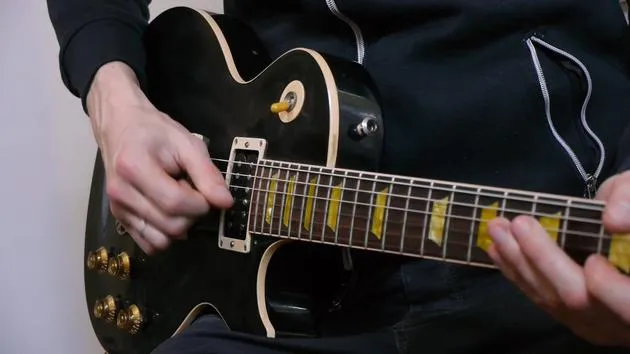
In a blues context, you'll often encounter double stops where you bend two adjacent strings.
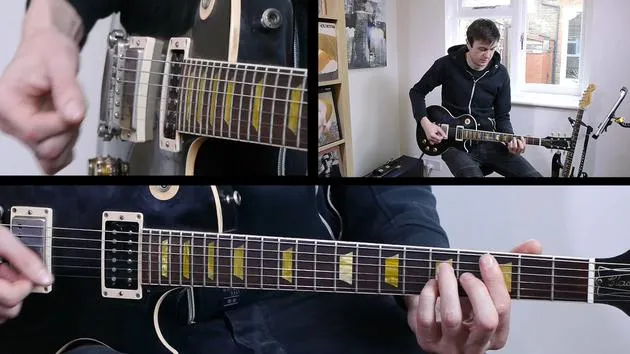
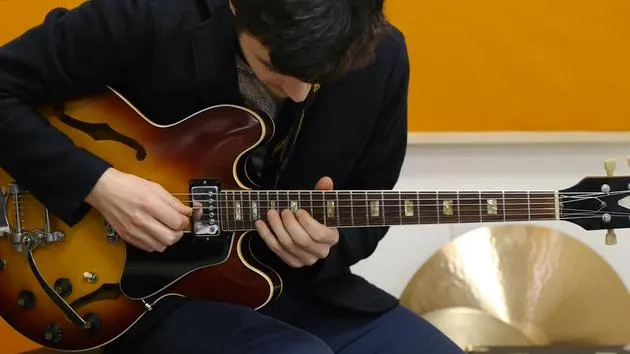
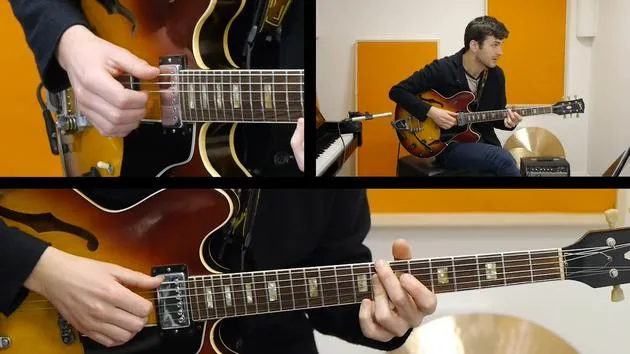
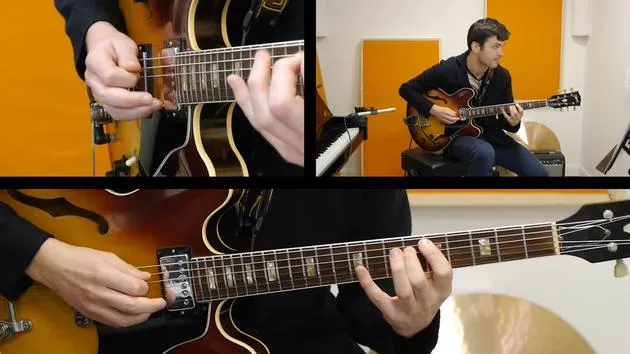
- Technique: For example, barring with your first finger on the 8th fret of the G and B strings allows for a quarter-tone bend.
- Expressiveness: This subtle movement can significantly enhance the bluesy feel of your playing.
Bending Direction
When bending, notice that:
- With single strings, bends often go up toward the ceiling.
- With double stops, bends can go down toward the floor.
It's crucial to understand that the direction of the bend will depend on your position on the neck. Nevertheless, personal preference often guides players in their bending direction. In my case, I prefer bending my double stops toward the floor for better control.
Conclusion
Bending is one of the most expressive techniques in guitar playing, second only to vibrato. Being able to control your bends is invaluable and will appear across countless rock pieces.
So experiment with these techniques, practice diligently, and let's look forward to the next technique!
43 lecciones
3h 55m de lecciones en vídeo estructuradas
Funciones de vídeo avanzadas
Ralentiza, repite un pasaje, sigue la partitura
Móvil, tablet y ordenador
Practica donde quieras
Garantía de satisfacción 100%
30 días de garantía de devolución







