



Posición de la mano de púa
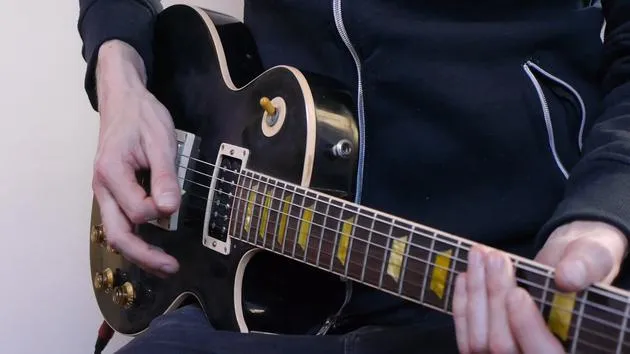
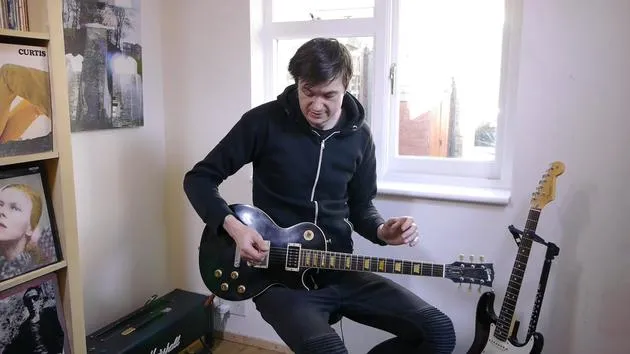
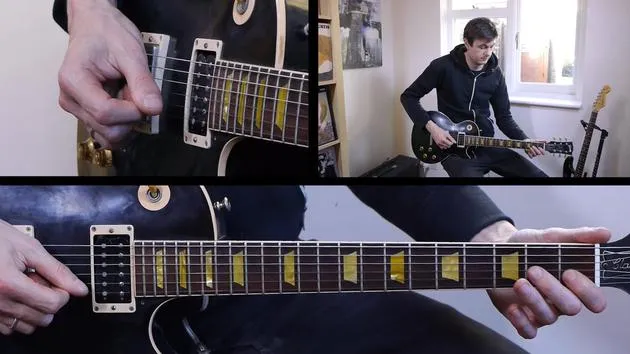
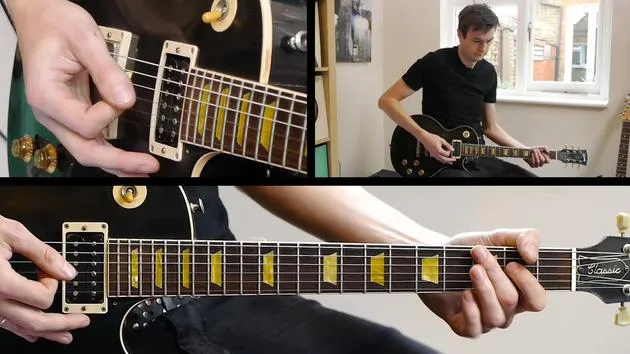
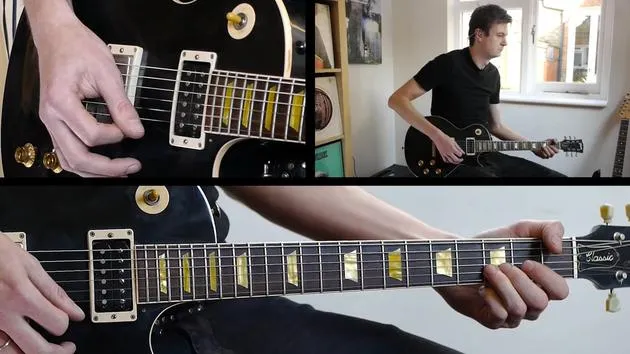
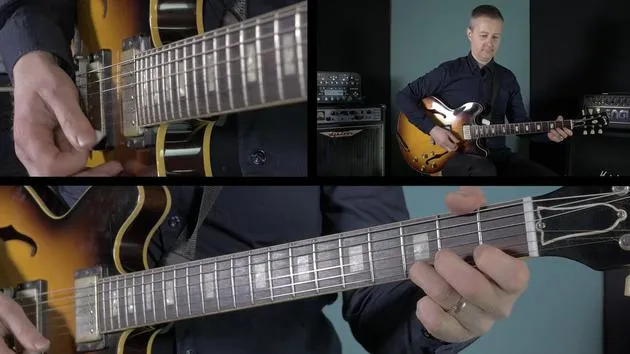
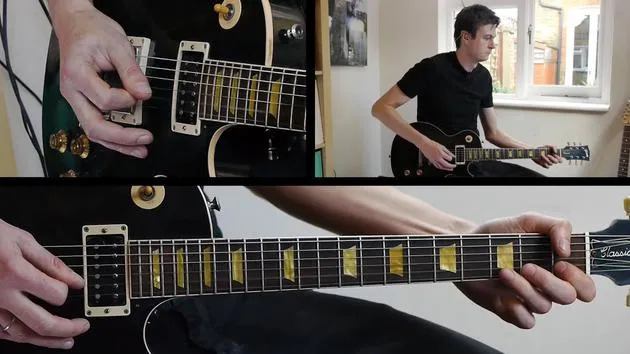
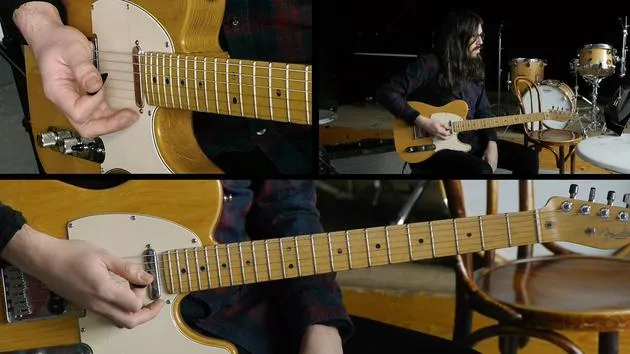
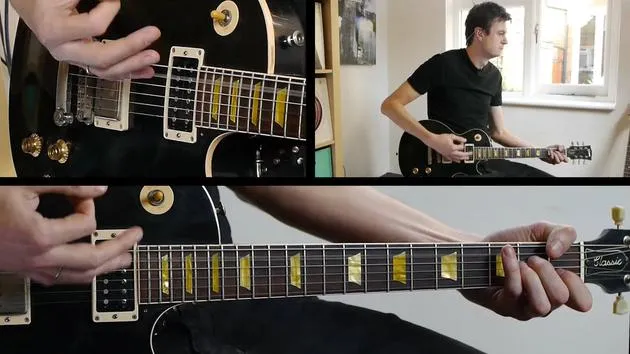
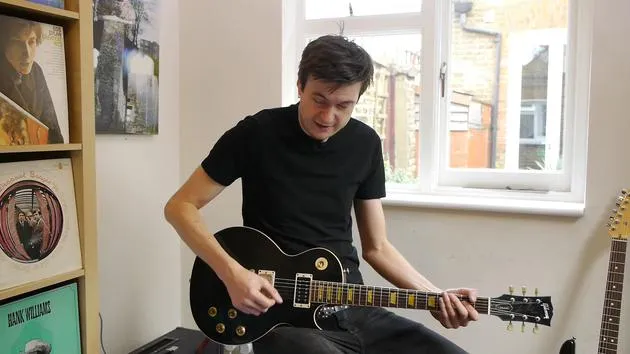
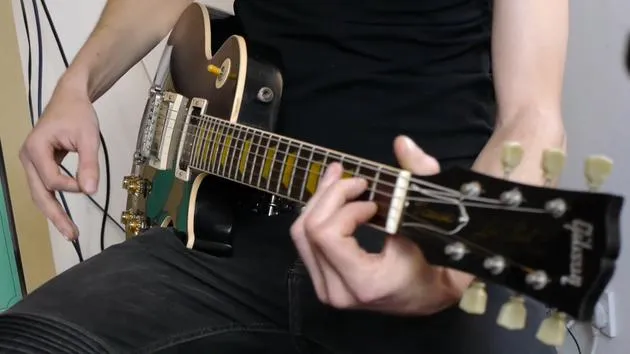
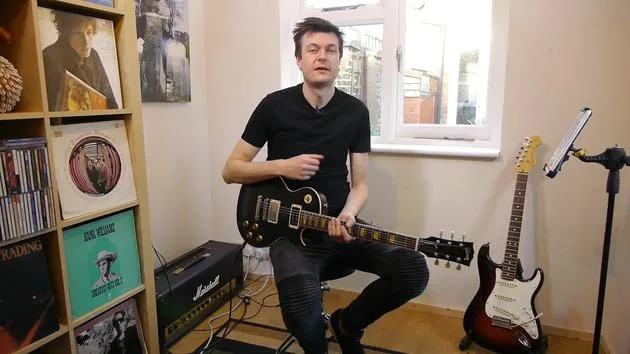
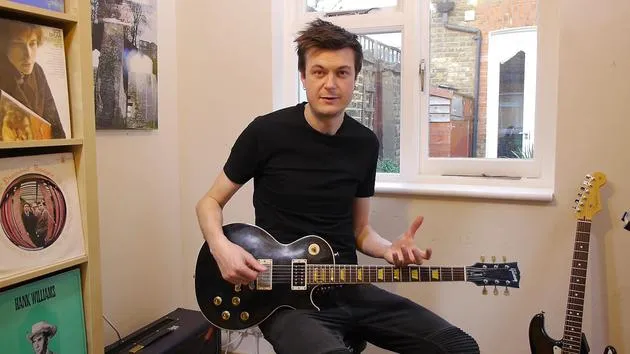
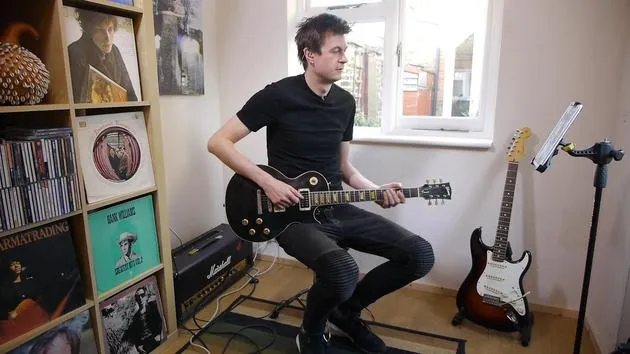
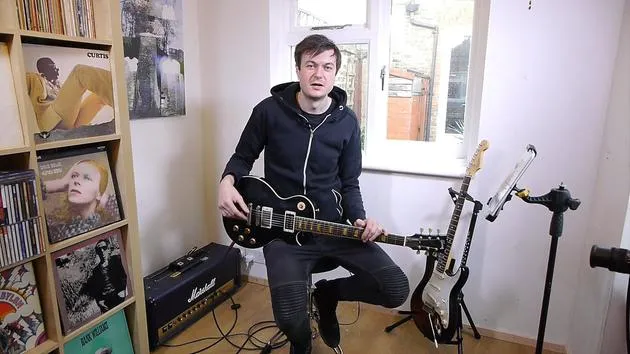
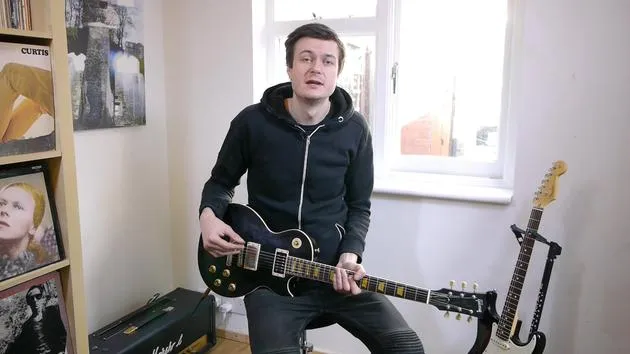
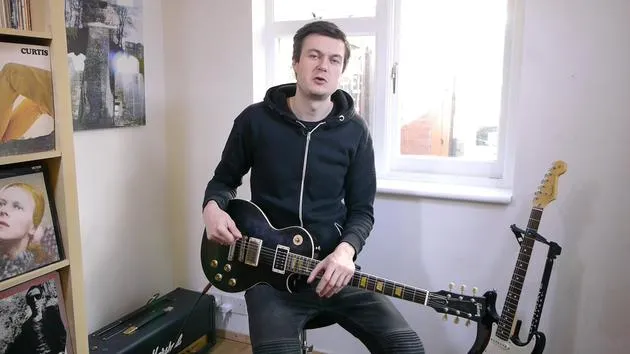
James Barratt explica cómo colocar la mano de la púa, apoyando la palma en el puente para ganar precisión al puntear cuerdas sueltas.
Qué incluye el curso
29 lecciones (1h 29m) · 1 gratis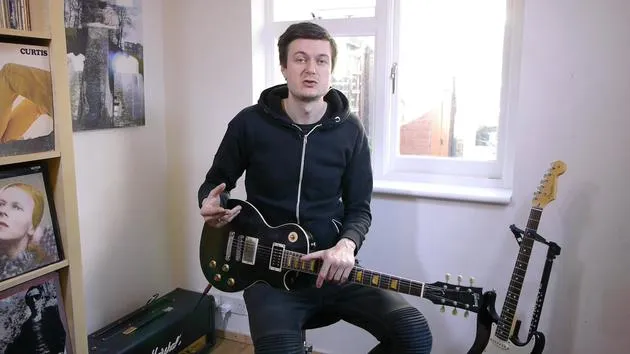
Transcripción de la lección
Basic Hand Position for Guitar
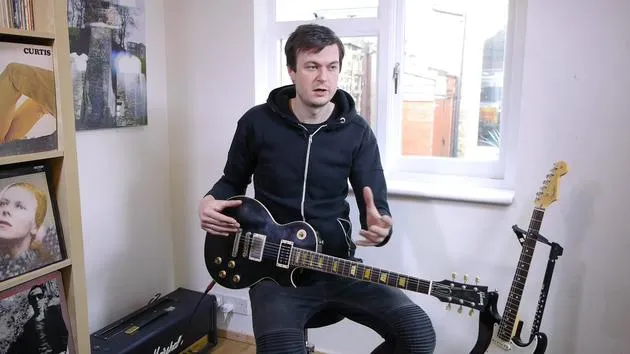
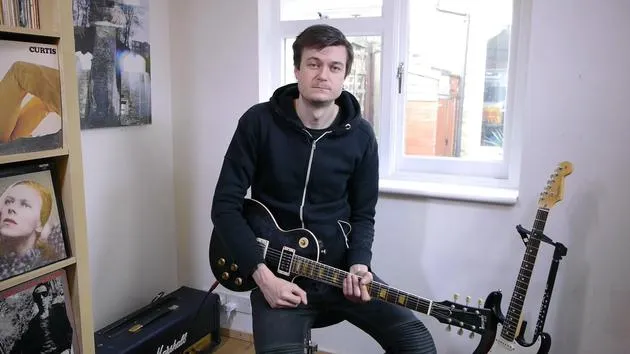
So, in terms of basic hand position, let's discuss this briefly.
Right Hand Position
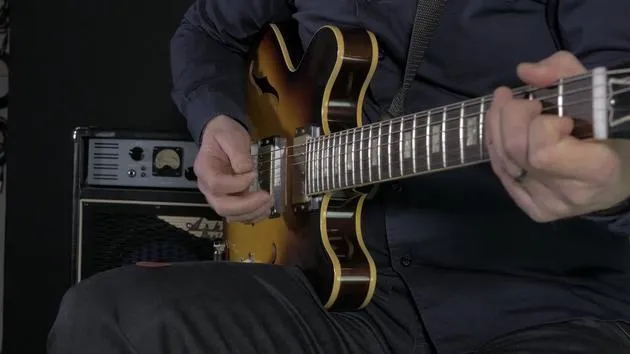
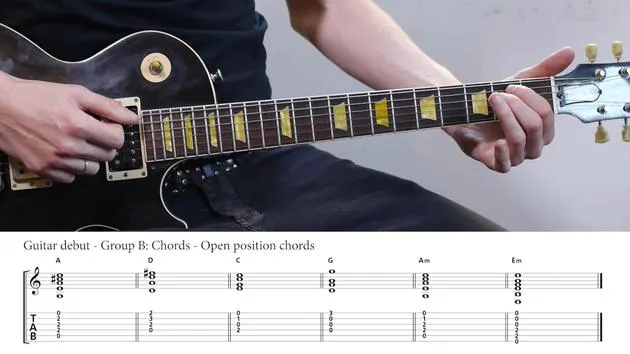
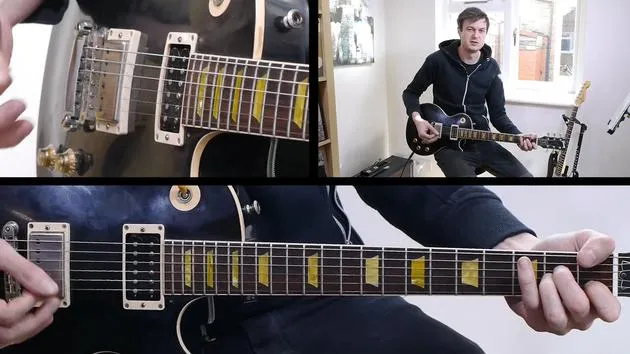
A lot of the time, your right hand is going to live on this part of the guitar here, which is called the bridge.
- When I'm talking about my right hand, I'm referring to the palm of your right hand resting directly on that bridge.
- It's a great place for your right hand to be.
- The sooner you can get comfortable with your right hand being anchored to the guitar, the better.
Importance of Anchoring
Anchoring your right hand is a really important aspect to get comfortable with because:
- There are loads of techniques that stem from this hand position.
- Your right hand accuracy is greatly improved when your hand is anchored to the bridge.
Free Strumming
The only time you don't necessarily want to be tied down to the bridge is when you're strumming open chords freely.
- During a strummy vibe, being tied down would feel quite restricted.
- However, when we delve into picking out a single string at a time, that's when your right hand should be on the bridge for accuracy.
Practice Exercise
Here's a great exercise to try out:
- Rest your hand on the bridge.
- Don't look at your right hand.
This is important because many players get into the habit of being glued to what their right hand is doing, which can lead to neglecting the left hand.
- Get your right hand on the bridge, either shut your eyes or avoid looking at your right hand, and try to pick out specific strings.
- For example, say to yourself:
- "I want to pick the G string."
- "I want to pick the A string."
- "I want to pick the E string."
- "I want to pick the D string."
- For example, say to yourself:
You'll be amazed at how accurate you can be without looking.
Developing Independence
It might feel like you have to look at your right hand constantly, but having it in the right position goes a long way in developing independence.
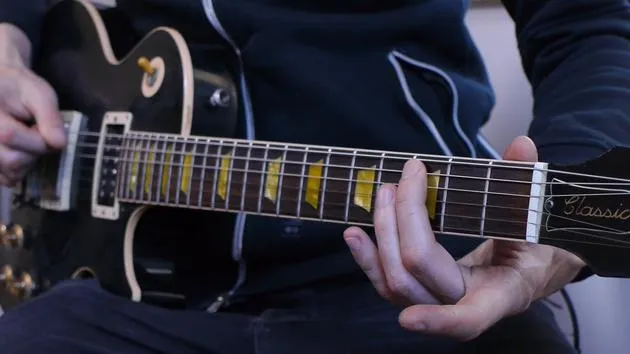
- Logically, the right hand is in control of a tiny area, about two inches across these six strings, which is minimal compared to the whole neck that the left hand must manage.
Conclusion
The sooner we can leave the right hand to its task, the better we can concentrate on what our left hand is doing, read music, or manage whatever else is going on.
It's a really important aspect to bear in mind!
29 lecciones
1h 29m de lecciones en vídeo estructuradas
Funciones de vídeo avanzadas
Ralentiza, repite un pasaje, sigue la partitura
Móvil, tablet y ordenador
Practica donde quieras
Garantía de satisfacción 100%
30 días de garantía de devolución







