



Introducción al solo de blues - Parte 1
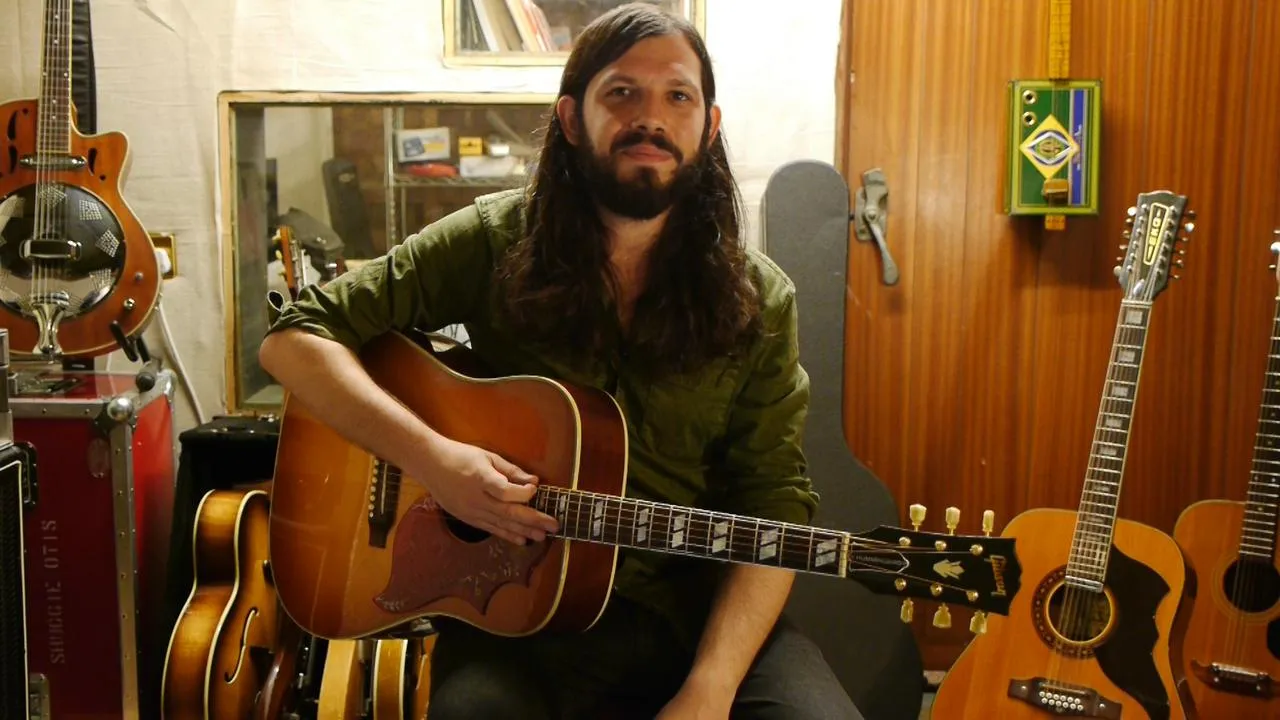
Marcus Bonfanti empieza una introducción en dos partes al solo de blues, manteniendo las cosas sencillas para construir una base sólida antes del material más avanzado.
Qué incluye el curso
9 lecciones (1h 45m) · 1 gratis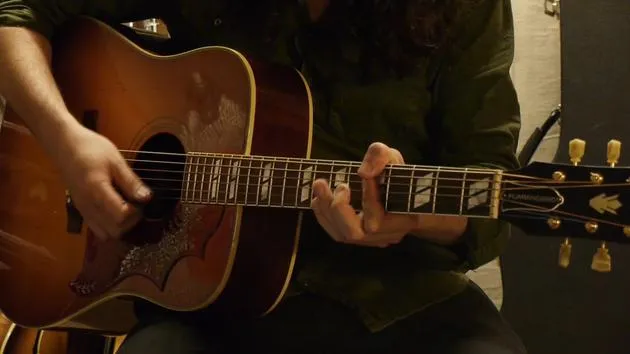
01. Cómo adornar tu blues de 12 compases
10:42
02. Explorando el blues y el turnaround
16:12
03. Añadir ritmo al blues
15:28
04. El uso de la línea de bajo en el blues
12:54
05. Introducción al solo de blues - Parte 1
Estás aquí11:09
06. Introducción al solo de blues, Parte 2
11:59
07. Hybrid picking
Lección gratis13:16
08. Interpretación de Mississippi John Hurt - Sliding Delta (arreglo de Marcus)
2:04
09. Empezar a encontrar tu voz
11:31
Transcripción de la lección
Introduction to Soloing - Part One
Hi, this is Marcus Bonfanti again, and thanks for tuning in to this lesson. I hope you've enjoyed the previous ones.
Overview
This lesson is called Introduction to Soloing, and it is a two-part lesson. This is part one, and I'm going to keep it quite basic. As we get into soloing, we will discuss a lot of advanced topics, but having a solid understanding of the basics is essential.
If there are parts of the course that I've skated over that you wish I'd elaborated on, you can always get in touch through the website, and we can explore any part of the course you'd like.
Blues Soloing
Now, when we talk about blues soloing, I imagine this is really what you all came here for. I have a lot of fun playing chords, and I hope you do too, but this is one of those areas where finding your voice in the blues comes into play.
You want to express yourself and sound like a unique player. There are plenty of fantastic guitar players from whom we can learn, and we should always keep our ears open to these influences. However, trying to copy someone note for note and for the same tone should not be the endgame. It's crucial that we seek to find our own voice, what do you sound like as a blues player?
The G Blues Scale
We're going to change the key for this lesson to G. I don't know why, but I just like G. We're going to run down a very simple blues scale, which is a variation on the pentatonic scale. You probably already know this, but let's go through it slowly.
- We're in the key of G:
- The scale runs from G to G,
- Focus on that important note in there.
I'll run it one more time and come back down. Remember, you can find this scale in a lot of music, and there are smaller variations you can do depending on the chord you're playing.
Finding Your Own Voice
It's also fun to experiment as there are no rules in this process. Certain things sound good, and you can't always explain why.
One of my favorite guitar solos is by Buddy Guy from the Stevie Ray Vaughan tribute gig at Austin City Limits. In the key of E, he plays a note and holds it for the entire 12-bar chorus of a slow blues, bending it up to where it needs to be. No book or teacher will teach you that technique, it's about finding your own voice.
Key Points
- Take everything I'm teaching you here as a guide.
- There are no right or wrong ways to play.
Variations and Techniques
Let's look at a couple of variations you can do within that scale. We'll keep this basic for now, and we'll move on to more advanced stuff in the second part.
String Bending
String bending is an essential technique we will talk a lot about in this course. Here's a quick overview:
- Bending the String:
- Fret the note and then bend the string.
- Different guitars have different actions and setups, which affect how easy/hard it is to bend a string.
- Get as many fingers as you can behind the bend: This provides strength to your bend.
- Try using your third finger for bends as well, but remember: the more fingers you have behind the bend, the stronger it will be.
Experimenting
Start exploring variations on this very basic scale. When you hear a sequence, allow yourself to have fun and create music. Don't be afraid to mess up; sometimes that's where you find the magic.
I'll play a few little variations over the G chord so you can see how it all comes together.
Recap
- We looked at the G blues scale and where you can bend.
- Not everything will sound great, and that's okay!
- Your goal should be to develop your own licks rather than just copying mine.
Conclusion
To wrap up, I'll play a few little licks within a blues sequence so you can see how this all fits together.
So, here we go:
1, 2, 1, 2, 3...
Try it for yourself! Experiment with a few blues licks, and you'll find you're playing the blues in no time.
9 lecciones
1h 45m de lecciones en vídeo estructuradas
Funciones de vídeo avanzadas
Ralentiza, repite un pasaje, sigue la partitura
Móvil, tablet y ordenador
Practica donde quieras
Garantía de satisfacción 100%
30 días de garantía de devolución
Conoce a tu gurú

Conoce a tu gurú
Marcus Bonfanti ha trabajado con Ten Years After, Ginger Baker, Van Morrison, Ronnie Wood, David Gilmour y Nick Mason de Pink Floyd, Phil Manzanera de Roxy Music, Shuggie Otis y PP Arnold. Músico profesional desde hace más de quince años, ha recorrido el mundo de gira y ha grabado en multitud de géneros, pero el blues es donde está su corazón y lo que mejor sabe hacer. Ha publicado tres álbumes en solitario -todos ellos incluidos entre los álbumes del año de la revista Classic Rock- y ha girado con Robert Cray, Chuck Berry, John Fogerty y Beth Hart, actuando en festivales como el SXSW y el Legendary Rhythm & Blues Cruise. Nada de esto habría sucedido sin dedicar las horas necesarias a aprender el oficio, que es precisamente para lo que sirven sus cursos. Tanto si quieres una carrera en la música como si simplemente te encanta el blues y quieres tocarlo mejor, Marcus está aquí para ayudarte.







