



Usar los datos para definir tu marca
Cómo usar los datos de los servicios de streaming, las redes sociales y tu propia base de datos para entender tu marca y encontrar tu base de fans.
Qué incluye el curso
21 lecciones (3h 15m) · 1 gratis
01. Usar los datos para definir tu marca
Estás aquí5:18

02. La importancia de tener un sitio web para construir tus propios datos
Lección gratis8:19
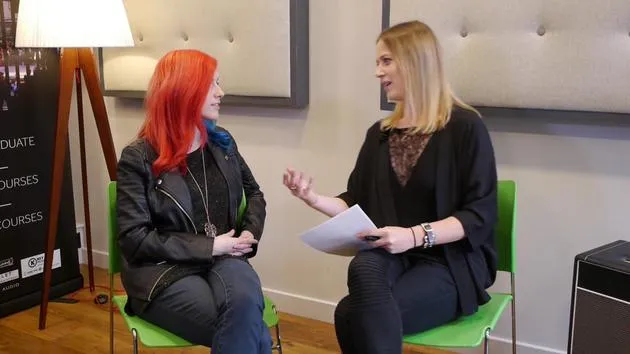
03. Entrevista con Emma McGann
19:13
04. ¿Siguen siendo importantes las redes sociales?
10:48
05. Colaboraciones con marcas
7:16
06. Entrevista con Tiggi Hawke
8:33

Transcripción de la lección
Understanding Your Brand and Fan Base in the Music Industry
Okay, so one of the first things you really need to think about if you're plotting any kind of career in the music industry, especially if you're an artist, is understanding your own brand. Beyond that, you must try to figure out who your fan base is and how to approach them.
Data in the Digital Age
There are a lot of ways that you can do this, and one of the most important things that has happened since the digital age is the amount of data available to you. This data can come from various sources:
- Streaming services
- Social networks
- Your own database
There's a wealth of information you can analyze, and you shouldn't be put off by diving into this. For example, even looking at geographical data across social networks can help you plan a tour and determine routing.
Key Point: Understanding who you're trying to market to is essential for both organic and paid advertising.
The Evolution of Data
In the old music industry, purchasing a CD was merely a point of sale for geographical data, and that was it. You didn't know anything else about the customer. Despite efforts by labels to create fan clubs, the wealth of data available now is unprecedented.
As an Independent Artist
As an independent artist, you can do a lot on your own before you even get started. Everything from social networks, streaming services, and analytics can provide insight into:
- Who your audience is
- Where they are
- What they're interested in
Associated Artists
Another fantastic data set comes from associated artists. This concept is akin to old-school tour support, where a band would support another artist on tour because their audiences would likely enjoy each other.
By using streaming data, platforms like Spotify and Amazon, you can discover if listeners of Artist A are likely to enjoy Artist B. If you understand your genre and target, you can access data sets of those associated artists to expand your reach.
Targeting and Advertising
This understanding can also be applied to:
- Organic ads: Tailor your advertising to audiences and interests they might like.
- Paid advertising: There are incredible tools available, both free and paid, allowing you to place ads on major social networks like Google, Facebook, Instagram, and Twitter.
Important Note: Don't narrow your audience too tightly when targeting.
Lifestyle Preferences
Many artists make the mistake of only targeting associated artists. To enhance your outreach, consider lifestyle preferences:
- Where your target audience hangs out
- Publications they read
- Not just the music they listen to
Incorporating broader data sets into your advertising strategy will make your ads significantly more effective.
Establishing Communication with Your Audience
Once you've established who you want to speak to, it's crucial to figure out how you're going to communicate with them. A common mistake artists make is going straight in for the hard sell; this approach often backfires.
Finding Your Tone of Voice
One of the most important things as an artist is to find your tone of voice, one that resonates with your audience. It should feel genuine and not merely a hard sell. Here are some tips:
- Engagement: Incorporate a bit of banter with your fans.
- Imagery: Ensure that your visuals tie in with your brand.
Key Takeaway: Project an image that aligns with who you truly are as an artist.
Branding and Image
Remember, even if you think you don't need branding, you are a brand. This is particularly true for rock bands. Many might argue against branding, but consider this:
- You play through a Marshall amp.
- You use a Gibson guitar.
- You drink Jack Daniel's and wear Converse.
These choices exemplify everyday branding and how you can communicate your lifestyle visually and thematically through data.
Summary
In conclusion, understanding the importance of data, where to find it, and how to effectively use it is essential for your development as an artist.
Next Steps: We'll be exploring why having your own website remains crucial, the importance of the data you can gather from it, and the benefits of building your own community and owning your database.
21 lecciones
3h 15m de lecciones en vídeo estructuradas
Funciones de vídeo avanzadas
Ralentiza, repite un pasaje, sigue la partitura
Móvil, tablet y ordenador
Practica donde quieras
Garantía de satisfacción 100%
30 días de garantía de devolución
Conoce a tu gurú

Conoce a tu gurú
Sammy Andrews es la fundadora y CEO de Deviate Digital, una agencia de estrategia digital que ayuda a artistas, sellos y empresas musicales a construir audiencias y ganarse la vida en internet. Es una de las voces más francas de la industria musical del Reino Unido sobre el streaming, los datos y la economía digital, y una defensora de larga trayectoria de los derechos de los artistas, incluido su trabajo con la Featured Artist Coalition.
En este curso analiza de dónde procede realmente el dinero para los artistas en activo hoy en día: las fuentes de ingresos, los derechos que las sustentan y los pasos prácticos para asegurarte de que te paguen de forma justa.







